Dining Yamamoto
On an unassuming block of SoMa, Dining Yamamoto offers sushi, bento, and chirashi in a format that rewards patience and trust. The address at 167 11th Street places it firmly in a neighbourhood better known for late-night bars than precision Japanese cooking, which is part of what makes it worth seeking out. For visitors building a San Francisco dining itinerary, it sits in a different register from the city's Michelin-heavy counters.
Pearl is the En Primeur Club membership app — saves, bookings, and concierge access live there. Same editors, same standards.
- Address
- 167 11th St, San Francisco, CA 94103
- Website
- dining-yamamoto.square.site
- Directions
- Get directions
 Saves & bookings on Pearl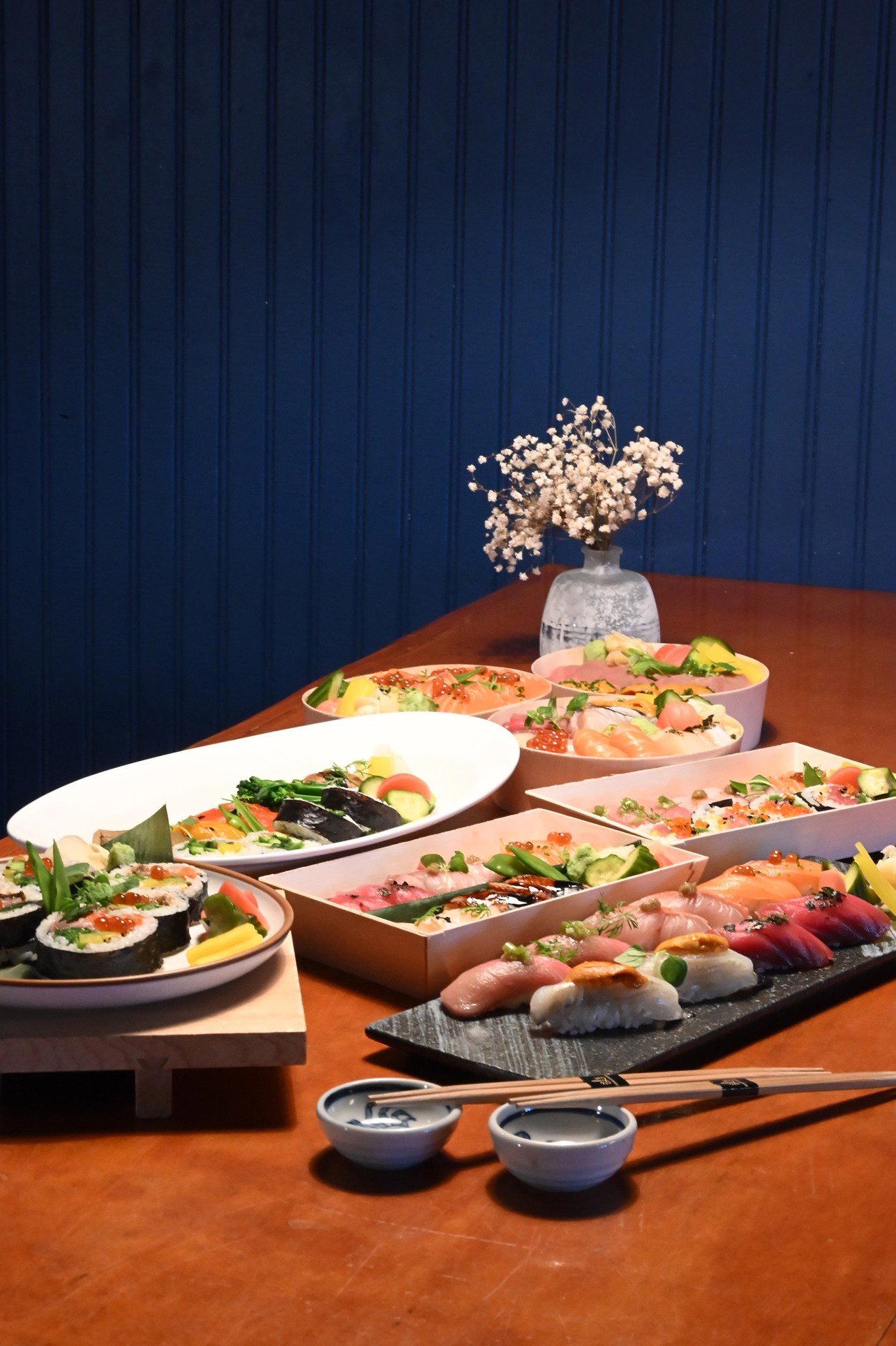
SoMa and the Case for Japanese Restraint
Dining Yamamoto is a Japanese restaurant at 167 11th St in San Francisco's SoMa district. SoMa's grid runs on warehouse conversions and music venues at this end, and the street itself lacks the visual cues of a restaurant row. That context matters when reading Dining Yamamoto at 167 11th Street: a Japanese-format restaurant offering sushi, bento, and chirashi in a neighbourhood whose identity has always been more industrial than gastronomic.
The Bay Area's deep Japanese-American community history, running through the Japantown corridor and across the East Bay, created a foundation for everyday Japanese cooking that predates the country's broader omakase enthusiasm by decades. What the current generation of diners encounters is a split market: high-concept omakase counters priced against global comparable venues, and neighbourhood restaurants that carry technique without the theatrical pricing. Dining Yamamoto's SoMa location, combined with its three-format offering, suggests it sits closer to the latter category.
Three Formats, One Kitchen Logic
The combination of sushi, bento, and chirashi on a single menu is a more coherent offer than it might initially appear. All three formats share the same kitchen logic: precision cutting, rice temperature control, and the balance between protein and seasoning. Chirashi, in particular, is one of the more demanding tests of a sushi kitchen's range, requiring the cook to source and prepare a wider selection of fish than a standard nigiri rotation would. A chirashi bowl that arrives with ten or twelve preparations represents the same level of procurement and prep as an omakase sequence, compressed into a single vessel.
Bento, meanwhile, carries its own set of expectations in a Japanese context. The format originated as a portable, composed meal, and its quality rests on proportion and the relationship between components rather than on any single element. In a restaurant setting, bento becomes a test of kitchen organisation as much as cooking skill. The presence of all three formats at the restaurant points to a kitchen operating across a broad register rather than specialising in one showpiece.
The Omakase Contract in San Francisco's Current Market
San Francisco's upper tier of Japanese dining has converged around the omakase format with increasing intensity over the past decade. Counters in Pacific Heights, the Financial District, and the inner Richmond now price in the $200-to-$400-per-person range for dinner sequences, positioning themselves against comparable counters in New York and Tokyo rather than against the broader local market. That pricing is a direct consequence of the omakase contract: the diner surrenders menu choice entirely, and in exchange receives a sequence shaped by the kitchen's access to product and its reading of the season.
That contract carries obligations on both sides. The kitchen commits to sourcing at a level that justifies the absence of choice, and the diner commits to a pace and duration they cannot control. When the contract works, the result is a meal that the diner could not have constructed from a menu. When it doesn't, the asymmetry of the arrangement becomes uncomfortable. San Francisco's high-end peer group, which includes Benu, Atelier Crenn, Lazy Bear, Quince, and Saison, operates firmly within this model, with set menus, fixed seatings, and prices that reflect the commitment required from both parties.
The restaurant, with its menu that includes bento and chirashi alongside sushi, occupies a different position in that structure. The presence of à-la-carte or near-à-la-carte formats signals a different relationship with the diner, one where choice is returned and the kitchen's case is made through quality rather than through the surrender format. Nationally, that approach has produced some of the more interesting Japanese restaurants, including Providence in Los Angeles, which balances tasting formats with more flexible options. Globally, the tension between set-menu authority and accessible flexibility runs through Japanese dining from Tokyo to Hong Kong to Monte Carlo, where Japanese technique increasingly inflects fine dining across cuisines.
Placing Dining Yamamoto in a Wider American Context
Le Bernardin in New York, Alinea in Chicago, and The French Laundry in Napa set price benchmarks that Japanese counters now routinely match or exceed. Single Thread Farm in Healdsburg represents the Northern California model at its most integrated, combining Japanese-influenced kaiseki with local agricultural sourcing. Emeril's in New Orleans and the broader American fine-dining tradition operate on a different axis entirely, one shaped more by Southern European and Creole influences than by Japanese precision.
Within that context, a San Francisco Japanese restaurant that offers sushi, bento, and chirashi at a SoMa address is not competing at the Michelin-counter tier. It is operating in a category that serves both neighbourhood regulars and visitors who want Japanese cooking without the omakase price commitment. That is a legitimate and, in San Francisco's current market, relatively underserved position. The city's Japanese dining offer has skewed heavily toward the premium end, leaving a gap for restaurants that carry genuine technique without the full set-menu apparatus.
Planning Your Visit
The restaurant sits at 167 11th Street in SoMa. For visitors building a broader San Francisco itinerary, the full San Francisco restaurants guide covers the city's dining in full, and the guides to San Francisco hotels, bars, wineries, and experiences offer planning depth across the full city.
Nearby-ish Comparables
Comparable venues nearby, for context on price, style, and recognition.
| Venue | Cuisine | Price | Notes |
|---|---|---|---|
| Dining YamamotoThis venue — the venue you are viewing | Japanese Cocktail Tasting | $$$$ | Not listed |
| Sushi Sato | Japanese Omakase Sushi | $$$$ | Nob Hill |
| TBD Izakaya | Modern Japanese Izakaya | $$$$ | Financial District/South Beach |
| Anzu | Contemporary Japanese-Californian Fusion | $$$ | Tenderloin |
| Akiko’s Restaurant & Sushi Bar | Modern Japanese Omakase | $$$ | Nob Hill |
| Ame | Modern Japanese-Californian Fine Dining | $$$$ | Financial District |
Continue exploring
More in San Francisco
Restaurants in San Francisco
Browse all →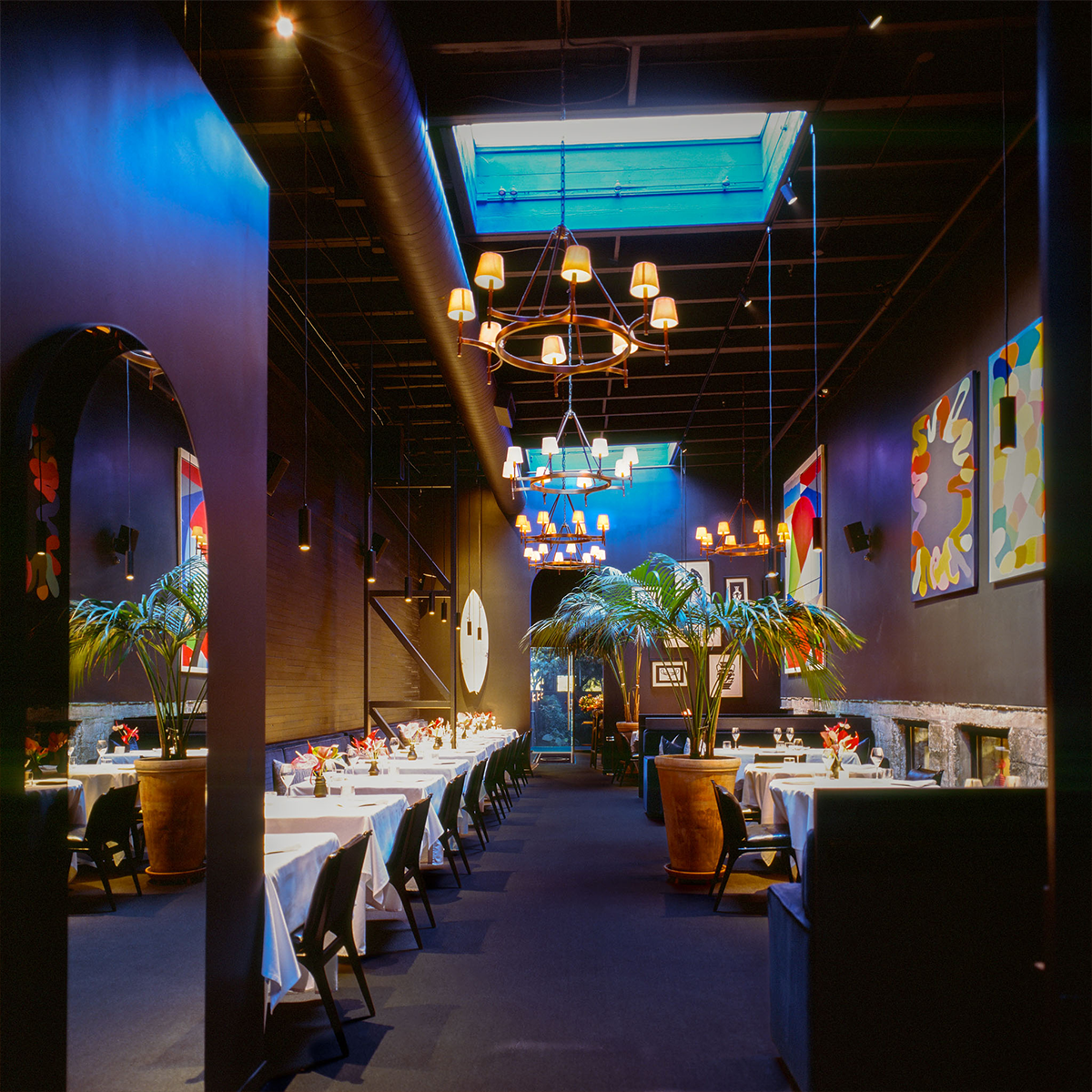
Bars in San Francisco
Browse all →
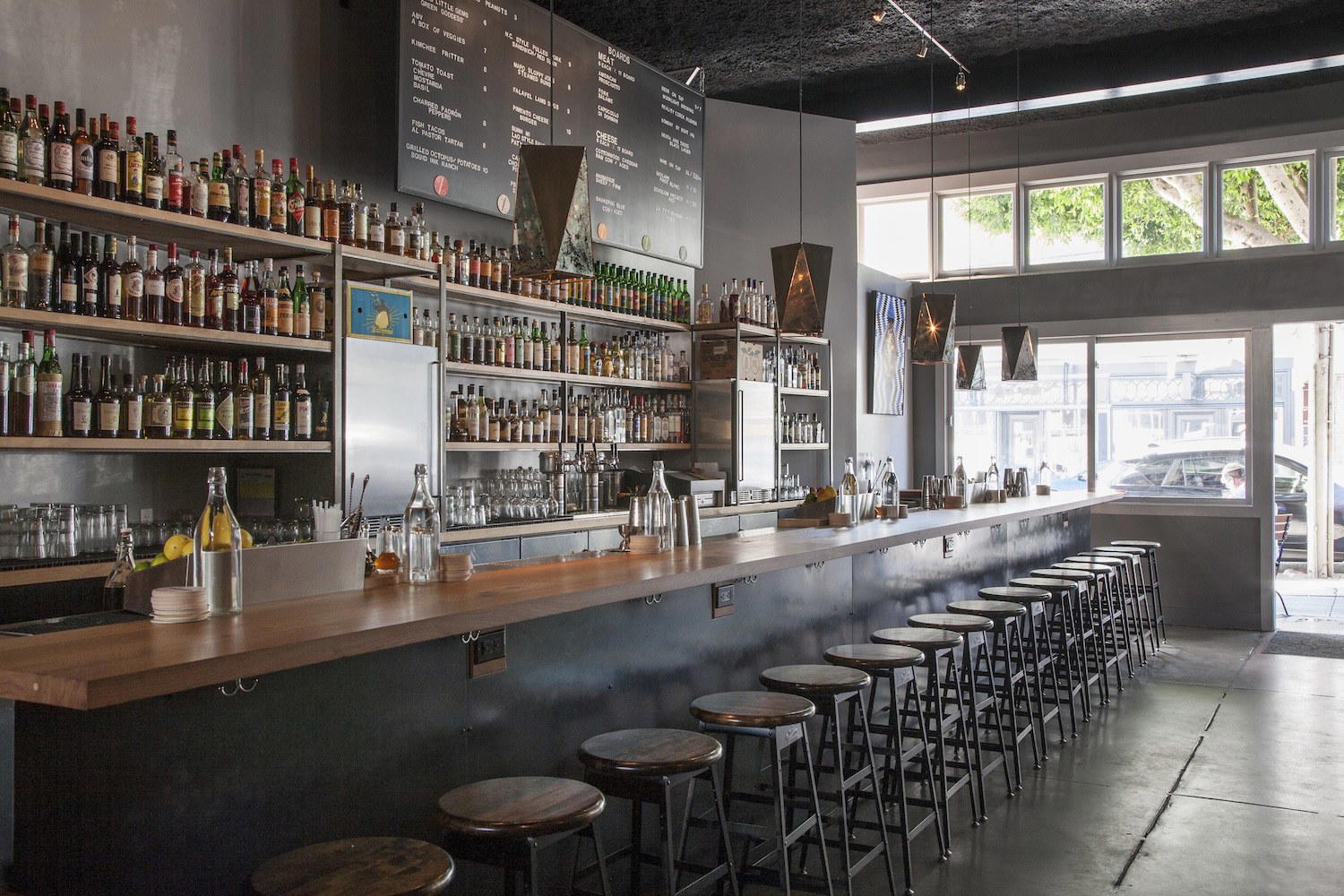
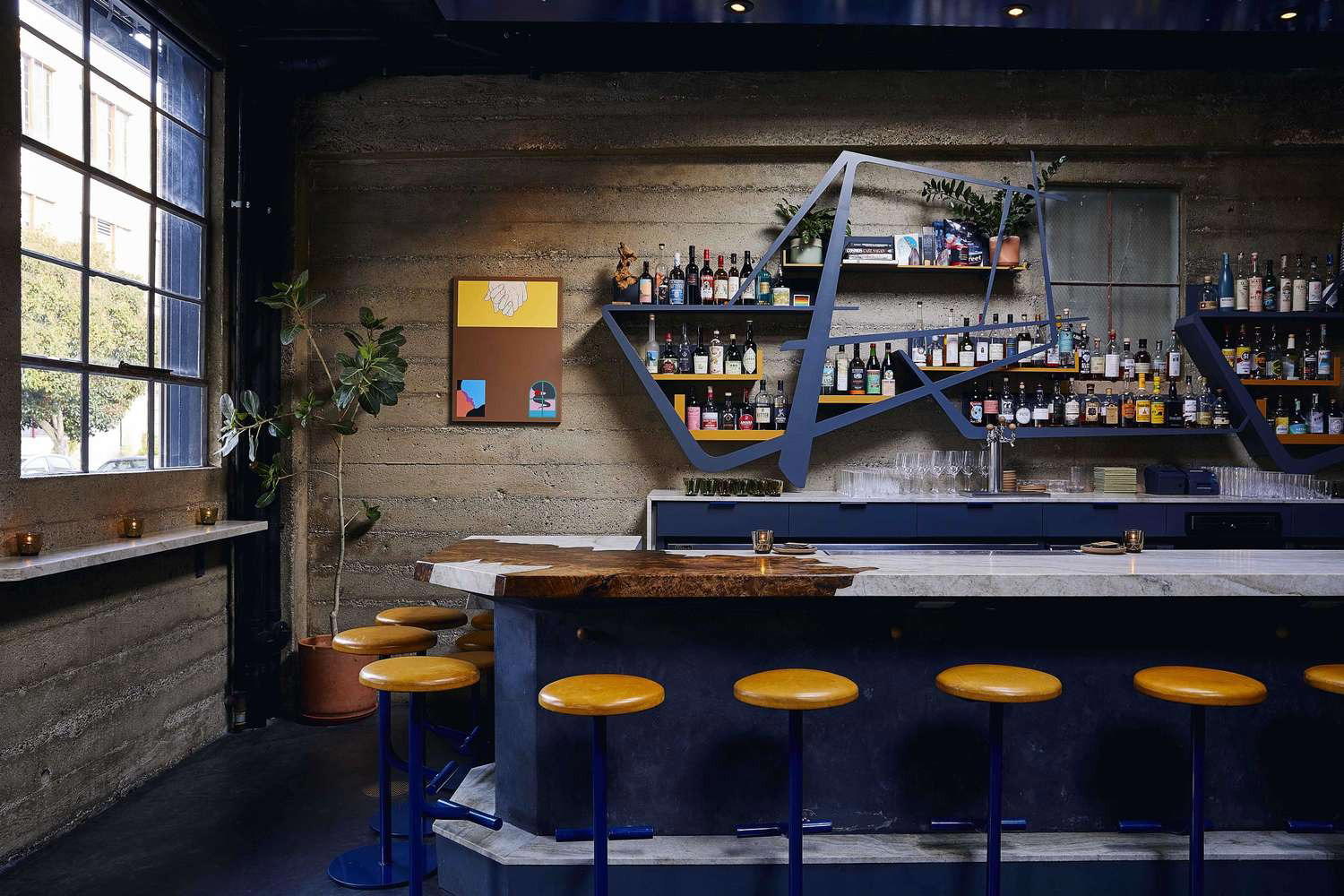
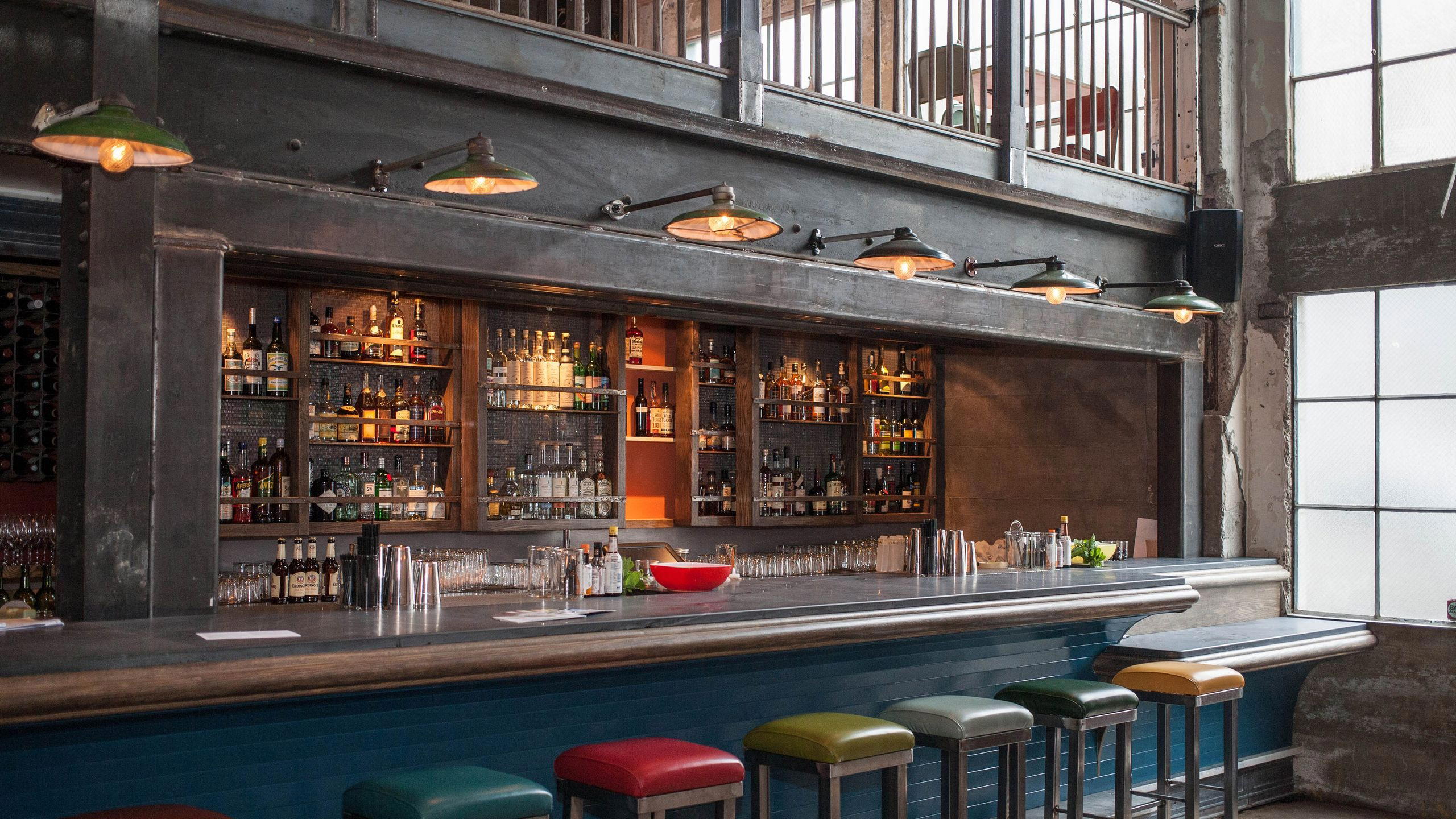
Hotels in San Francisco
Browse all →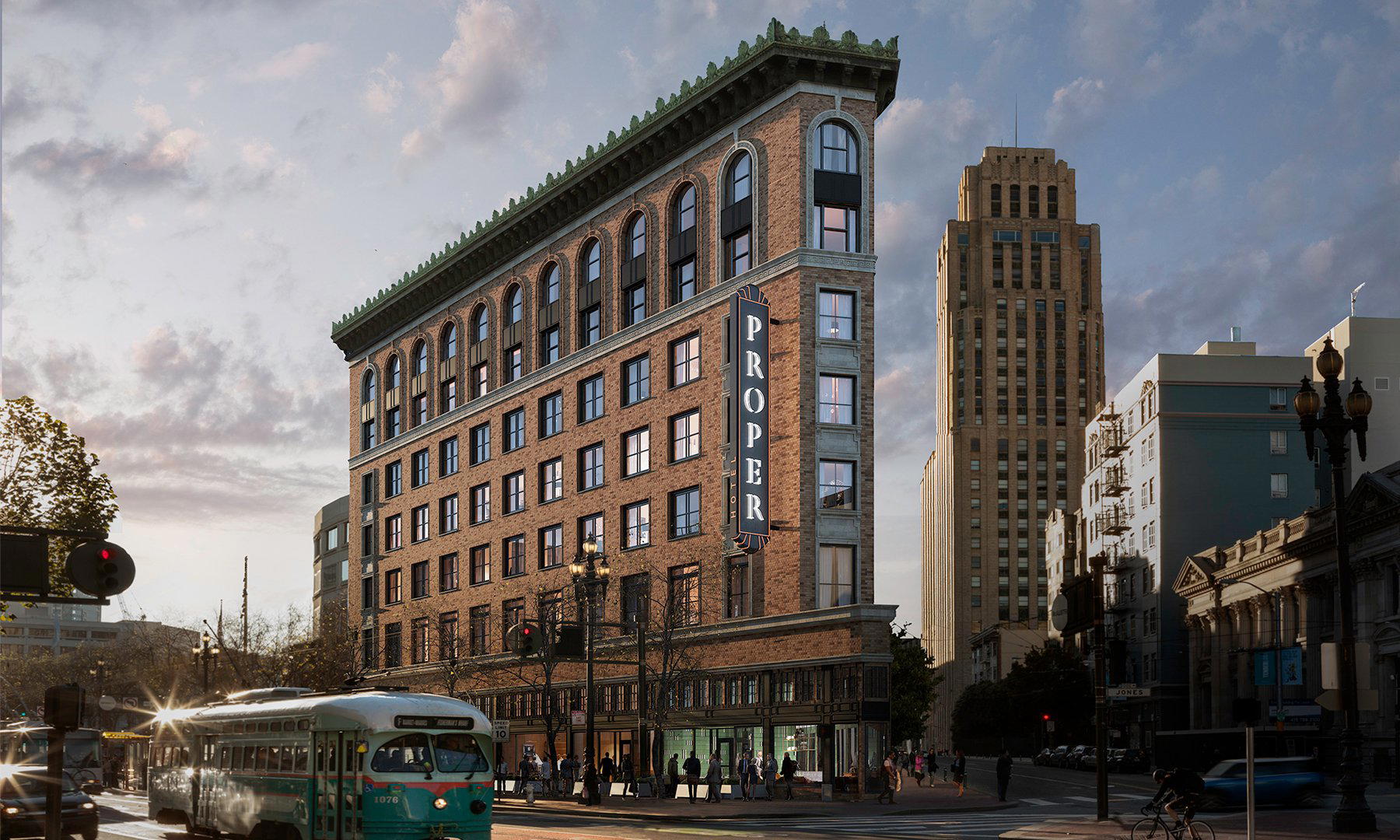
At a Glance
- Modern
- Minimalist
- Solo
- Casual Hangout
- Business Dinner
- Standalone
- Sake Program
- Craft Cocktails
- Local Sourcing
Modern, precise, and casual, with a takeout-first feel and a small indoor dining room; the overall tone is described as high-energy and focused on carefully arranged sushi boxes.