The Happy Crane







James Beard Award Semi Finalist · Conde Nast Hot List Restaurants · Wine Spectator Award of Excellence
Our verdict
Named one of the San Francisco Chronicle's Best New Bay Area Restaurants for 2025, The Happy Crane at 451 Gough St brings a tradition-rooted approach to Chinese cuisine that sits apart from the city's more familiar Cantonese and dim sum circuits. The kitchen works from time-honored references while applying considered technique, producing a menu that earns its recognition without leaning on novelty for its own sake.

Pearl is the En Primeur Club membership app, where members save venues, book tables and use the concierge.
The menu
What to order
- Golden Coin
- Firecracker Shrimp
- Chasiu Iberico Pork Jowl
- Ginger Scallion Scallop
Where Hayes Valley Meets a Longer Chinese Tradition
The stretch of Gough Street that runs through Hayes Valley has become one of San Francisco's more interesting addresses for serious eating, sitting close to the concentrated restaurant density of Octavia and within reach of the Civic Center corridor. It is a neighbourhood that rewards walking, where an art gallery or a wine bar can appear between a dry cleaner and a florist, and where a new restaurant earns its place quickly or quietly closes. At 451 Gough St, San Francisco, CA 94102, The Happy Crane occupies a position in that mix that the San Francisco Chronicle has already noticed: the restaurant appeared on the Chronicle's Leading New Bay Area Restaurants list for 2025, one of the more reliable early signals that a kitchen is doing something worth tracking.
That recognition matters in context. San Francisco has a deep and sometimes underappreciated Chinese restaurant culture, one that extends well beyond the Chinatown blocks that most visitors use as their reference point. The city's Cantonese heritage runs through Richmond District roast-meat specialists and Sunset dim sum houses that have operated across multiple generations. What The Happy Crane represents is a different register: a kitchen that treats the breadth of Chinese culinary tradition as source material, drawing on technique and story rather than regional formula.
The Ritual of the Meal Here
Chinese dining in its more formal registers has always been structured around the table rather than the individual plate. Dishes arrive to be shared, their order negotiated, the pacing shaped by conversation as much as by the kitchen's rhythm. That communal architecture is one of the things that separates Chinese food culture from the sequenced European service model, and it changes how a meal here should be approached.
At The Happy Crane, the menu is described as rooted in tradition but expressed through a modern lens, which in practice means the kitchen is working from the grammar of Chinese culinary history while retaining the freedom to reinterpret. That kind of positioning is increasingly common among ambitious Chinese-American restaurants, but the San Francisco Chronicle's 2025 recognition suggests the execution here has reached a level where the claim carries weight. The question for any diner is not whether the food honours its sources, but whether the synthesis holds up across a full meal.
For a table approaching the menu for the first time, the standard advice for Chinese dining applies with particular force here: order wider than you think you need, select across textures and temperatures, and resist the instinct to default to familiar names. The dishes that define a kitchen at this level are often the ones that don't translate easily into a single descriptive phrase.
Situating The Happy Crane in San Francisco's Wider Scene
San Francisco's top-tier restaurant circuit is heavily represented by a group of four-dollar-sign tasting-menu destinations: Benu, which occupies its own space at the intersection of French technique and Korean-Chinese reference; Atelier Crenn, working in a French modernist idiom; Lazy Bear and Saison in the progressive American mode; and Quince in Italian-influenced contemporary territory. That cohort represents the city's most recognised fine-dining tier, and it is predominantly European in its formal grammar.
The Happy Crane operates at a different register within Chinese cuisine's own tradition, one that has produced critically recognised work in other cities. Atomix in New York City has shown what happens when Korean culinary tradition is treated with the same formal seriousness as European tasting-menu formats. Across the Pacific, 8½ Otto e Mezzo Bombana in Hong Kong has built a different model, where Italian fine dining embeds itself in a Chinese culinary city. The Happy Crane's direction, if its Chronicle recognition is an early indicator, points toward a space where Chinese culinary depth is the primary language rather than an accent.
For the broader context of American fine dining, comparable moments of tradition-rooted ambition have appeared at venues like Le Bernardin in New York City, Alinea in Chicago, and The French Laundry in Napa. Outside California, Emeril's in New Orleans and Providence in Los Angeles each represent the way regional identity and culinary tradition can anchor a restaurant's critical standing. Closer by, Single Thread Farm in Healdsburg illustrates how proximity to Northern California's agricultural network shapes a kitchen's possibilities. The Happy Crane's early momentum places it in a conversation with these venues about what it means to treat a culinary tradition with full seriousness.
Hayes Valley as a Dining Destination
The neighbourhood around 451 Gough St has accumulated enough serious restaurants in recent years that it functions as a dining destination in its own right rather than an overflow area from the city's more publicised corridors. Hayes Valley's compact grid makes evening movement practical: pre-dinner drinks, the meal itself, and a stop afterward can all happen within a few blocks. For visitors using one of the city's Hayes Valley or Civic Center hotels, the logistics are particularly clean.
For those planning a broader San Francisco dining week, our full San Francisco restaurants guide maps the city's key neighbourhoods and dining registers. Parallel planning resources include our San Francisco hotels guide, our bars guide, our wineries guide, and our experiences guide.
Planning Your Visit
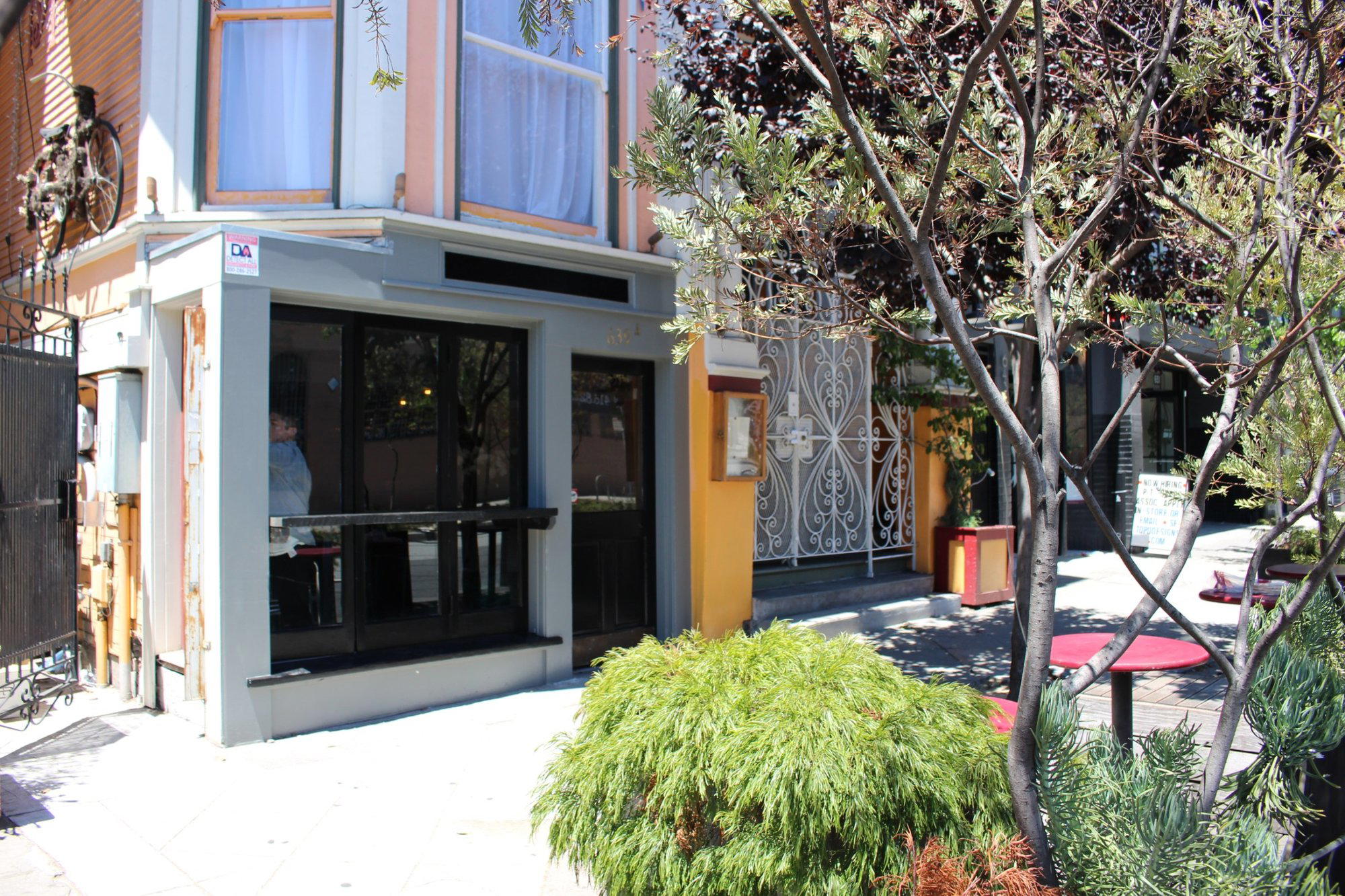
The Happy Crane is located at 451 Gough St, San Francisco, CA 94102, in Hayes Valley. Given the restaurant's 2025 Chronicle recognition, demand is likely to have increased since opening. Booking ahead is advisable, particularly for weekend evenings. Specific hours, pricing, and booking method are best confirmed directly with the restaurant, as these details are subject to change in a kitchen's first year of operation.
Quick reference: 451 Gough St, San Francisco, CA 94102 | San Francisco Chronicle Leading New Bay Area Restaurants, 2025 | Booking recommended; confirm hours and availability directly.
Frequently asked questions
What's the signature dish at The Happy Crane?
What's the vibe at The Happy Crane?
Can I bring kids to The Happy Crane?
Cuisine and Recognition
| Venue | Cuisine | Price | Awards | Notes |
|---|---|---|---|---|
| The Happy CraneThis venue (the venue you are viewing) | Modern Chinese | $50–100 | James Beard Award Semi Finalist · Conde Nast Hot List Restaurants | Not listed |
| Lazy Bear | Modern American Tasting Menu | Not listed | 2 Michelin Stars · World's 50 Best #25 | Progressive American, Contemporary |
| Benu | Modern Asian Fusion Fine Dining | $150–200 | 3 Michelin Stars · World's 50 Best #33 | French - Chinese, Asian |
| Atelier Crenn | Contemporary French Fine Dining | $300–500 | 3 Michelin Stars · World's 50 Best #44 | Modern French, Contemporary |
| Quince | Modern French Fine Dining | $300–500 | 3 Michelin Stars · World's 50 Best #48 | Italian, Contemporary |
| Saison | Modern French-Italian | Not listed | Michelin Plate | Progressive American, Californian |
Recognition history
Dated appearances from independent guides and award organizations, with the underlying list record or original source where available.
James Beard Award Semi Finalist
James Beard Award
Chinese Restaurant Awards
Chinese Restaurant Awards
Conde Nast Hot List Restaurants
Conde Nast
Robb Report The 10 Best New Restaurants in America #4
Robb Report
San Francisco Chronicle Top 100 Bay Area Restaurants #61
San Francisco Chronicle
Full recognition history (8 entries)
Wine Spectator Award of Excellence
Wine Spectator
Eater Best New Restaurants
Eater
San Francisco Chronicle Best New Bay Area Restaurants
San Francisco Chronicle
Continue exploring
More in San Francisco
Restaurants in San Francisco
All restaurants in San Francisco →
Bars in San Francisco
All bars in San Francisco →

The Happy Crane
The wine
The Happy Crane holds the Wine Spectator Award of Excellence, which Wine Spectator gives to lists of usually 90 or more selections.
- Wine Spectator
- Wine Spectator Award of Excellence
- Craft cocktails
Details
- Lively
- Modern
- Trendy
- Cozy
- Date Night
- Special Occasion
- Group Dining
- Open Kitchen
- Craft Cocktails
- A La Carte
- Small Plates
- Tasting Menu
Current opening hours
- Monday
- Closed
- Tuesday
- 5–9 PM
- Wednesday
- 5–9 PM
- Thursday
- 5–9 PM
- Friday
- 5–9 PM
- Saturday
- 5–9 PM
- Sunday
- Closed
Hours can change for holidays and private events. Hours as of .
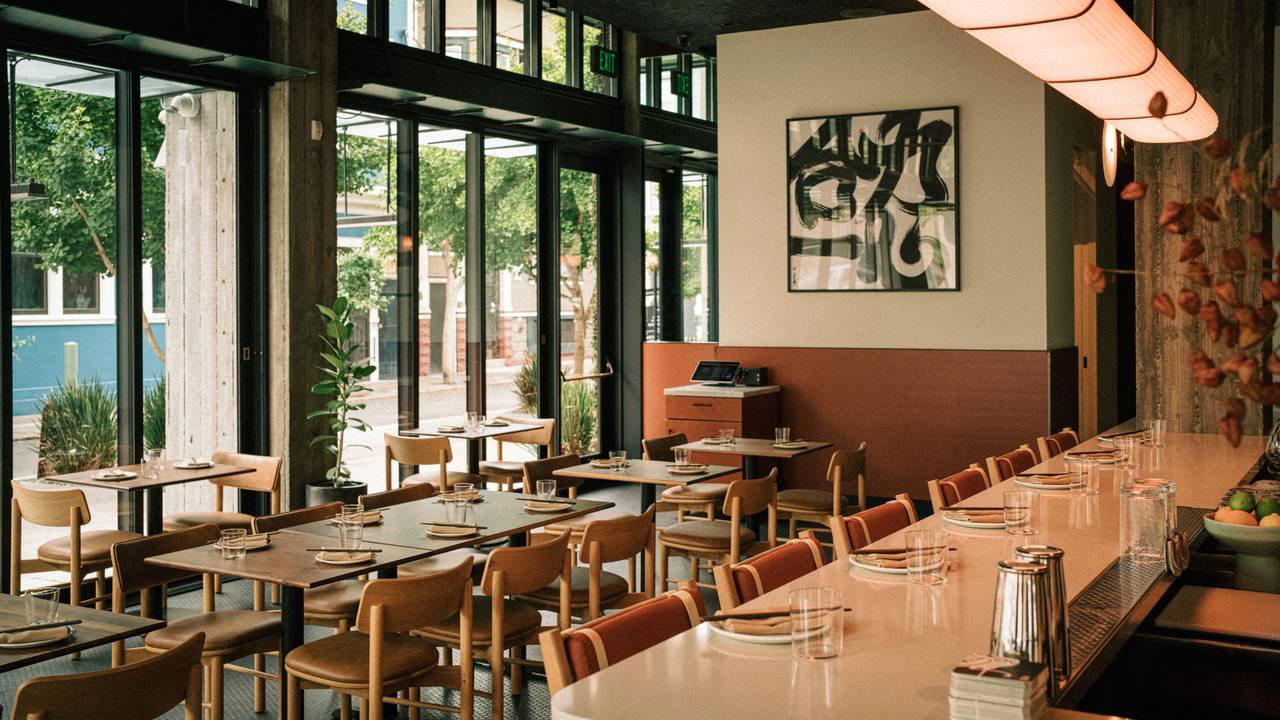
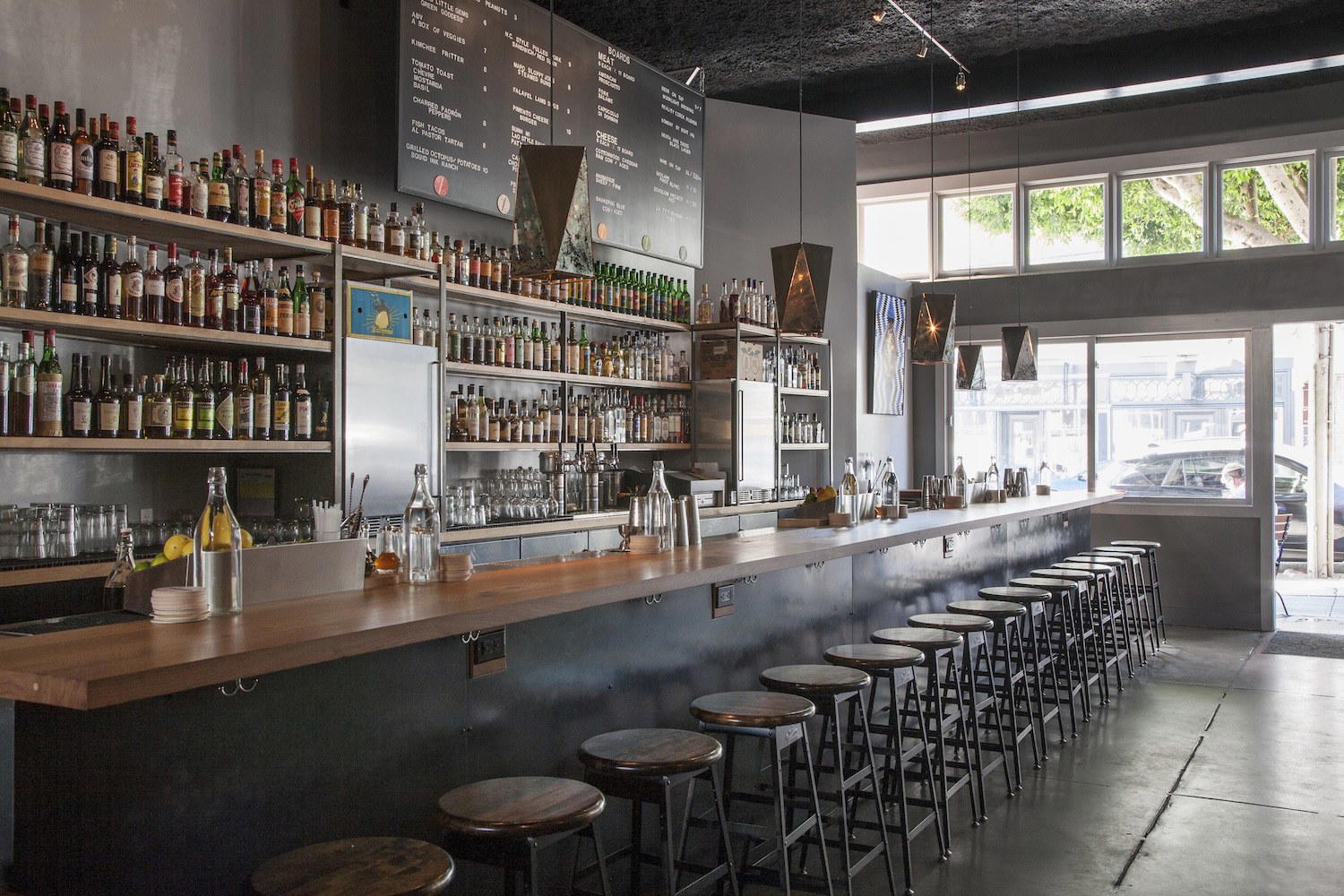
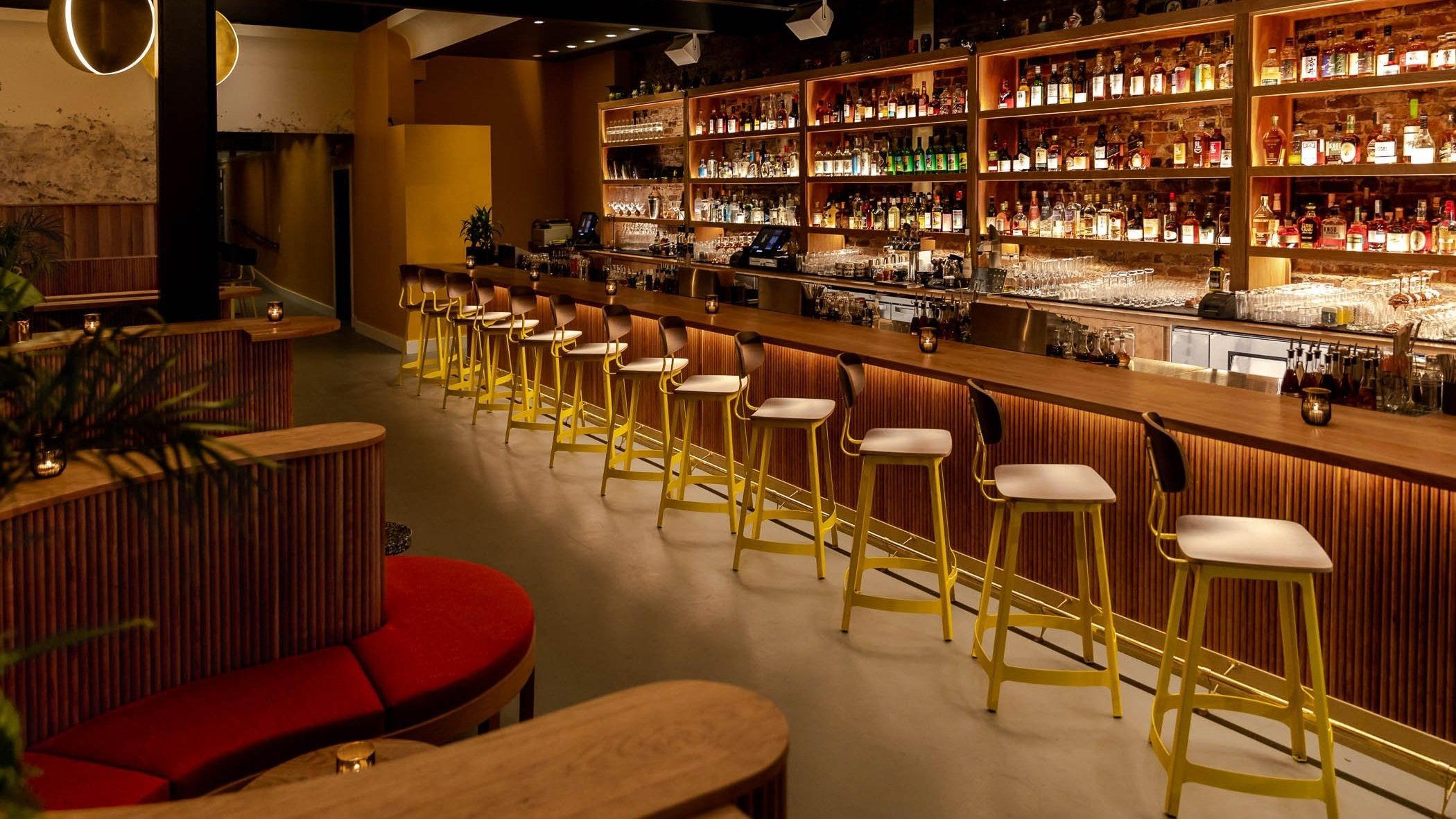
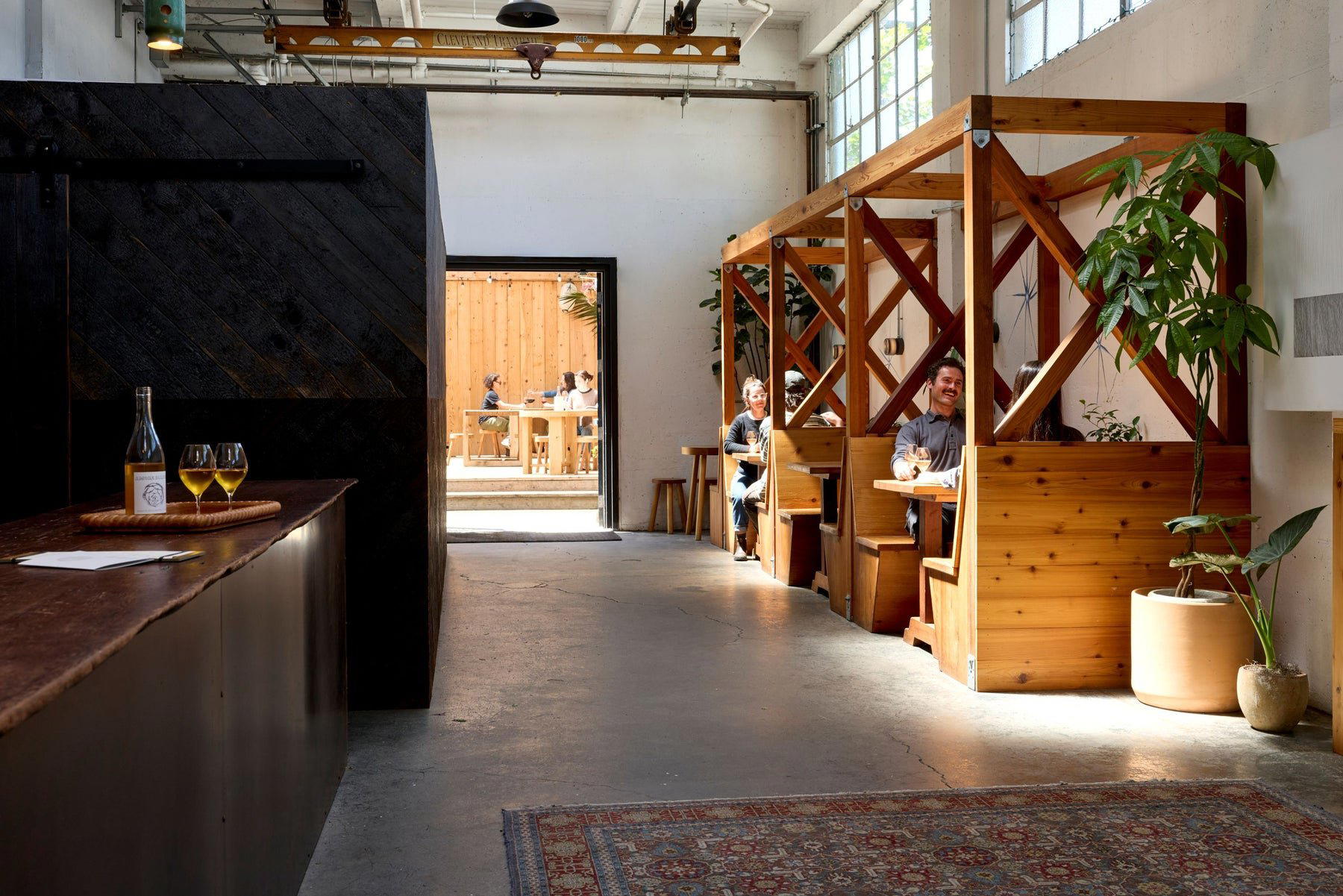
Warm-toned dining room with lively and convivial energy; noise level can be high when full.