Elephant Sushi
Elephant Sushi sits at 400 Grove Street in San Francisco's Hayes Valley, bringing Japanese sushi traditions to one of the city's most food-forward neighbourhoods. The address places it within close reach of the Civic Center arts corridor, giving it a mixed clientele of pre-theatre diners and dedicated regulars. Detailed pricing and booking information is best confirmed directly with the venue.
Pearl is the En Primeur Club membership app — saves, bookings, and concierge access live there. Same editors, same standards.
- Address
- 400 Grove St, San Francisco, CA 94102
- Phone
- +14154004018
- Website
- elephantsushi.com
- Directions
- Get directions
 Saves & bookings on Pearl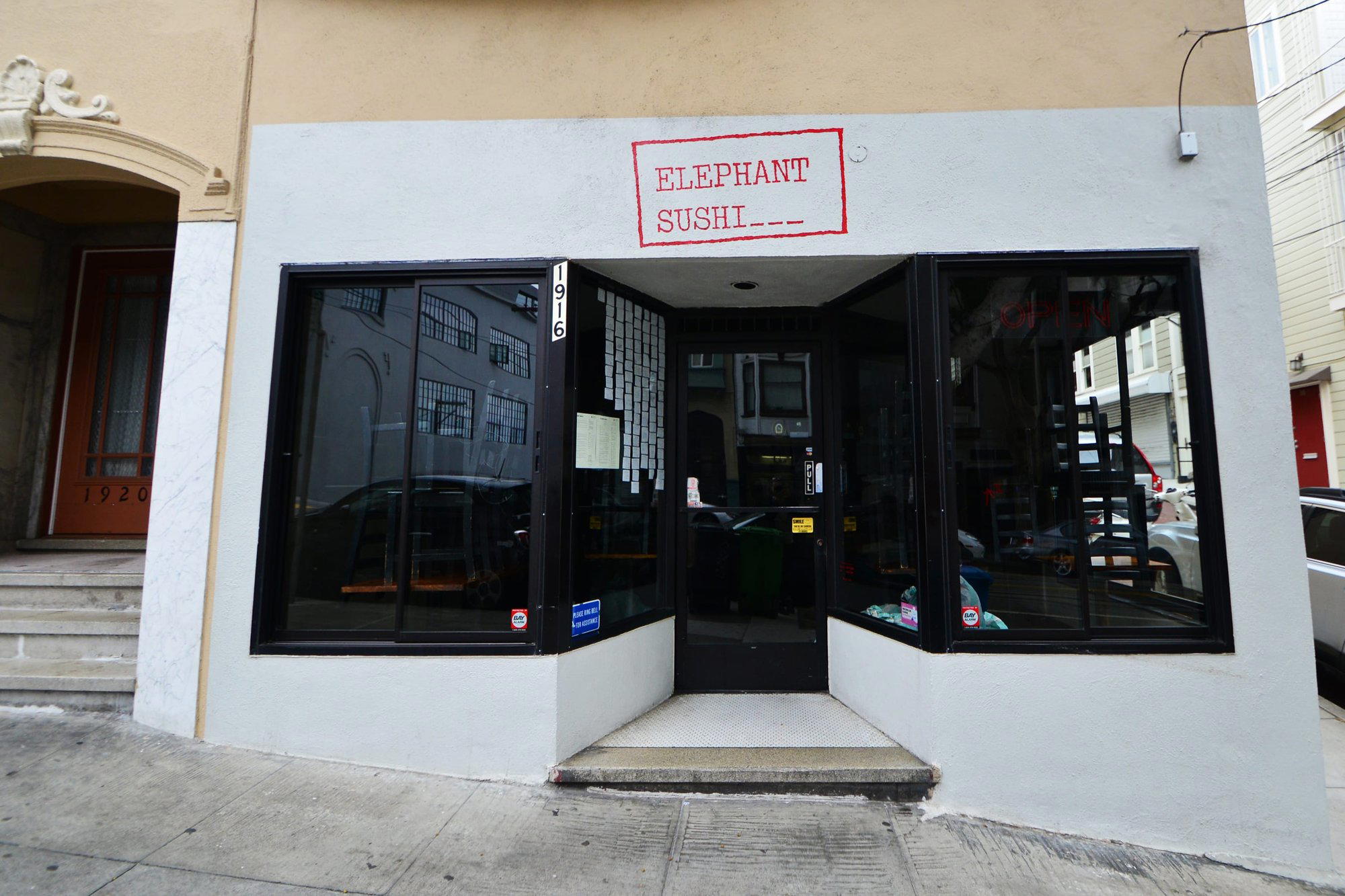
Japanese Sushi in Hayes Valley: Reading the Neighbourhood
San Francisco's relationship with Japanese cuisine runs deeper than most American cities care to admit. The Bay Area's Japanese-American communities, established well before the mid-twentieth century, created a foundation of ingredient sourcing, technique literacy, and dining expectation that still shapes how sushi is received here. By the time omakase formats migrated from Tokyo's counter culture into San Francisco's restaurant scene, there was already an audience fluent enough to distinguish between the compressed, approximated versions and the real thing.
Hayes Valley, where Elephant Sushi holds its address at 400 Grove Street, sits at an interesting intersection in that story. The neighbourhood's transformation over the past two decades from post-freeway-demolition vacancy to one of the city's more self-conscious dining districts means it draws a crowd that treats restaurants as part of a considered evening out, not an afterthought. Venues in this pocket sit alongside boutiques, performance spaces, and proximity to the San Francisco Symphony, which creates a diner profile willing to commit time and attention to what's in front of them. That context matters for sushi, a cuisine where patience and attention are not incidental but structural.
What Sushi Culture Looks Like at This Price Point in San Francisco
San Francisco's sushi scene has stratified considerably. At the leading end, counter-format omakase restaurants command prices comparable to Tokyo's premium tier, with reservation windows that stretch months ahead and seat counts deliberately kept small. Properties like Benu, operating in the French-Chinese register, and tasting-menu destinations like Atelier Crenn and Lazy Bear have helped establish a ceiling for what San Francisco diners will pay for a single sitting, and that ceiling has risen sharply. Sushi has its own parallel tier structure, from neighbourhood rolls-and-beer operations through mid-market à la carte houses to the rarefied omakase counter where the fish is aged, the rice temperature is discussed at length, and the chef's sourcing relationships are part of the pitch.
Elephant Sushi sits in the mid-market range, with an estimated price of about $60 per person. The address, however, places it in a neighbourhood where mid-to-upper positioning is standard, and where the surrounding competition has an effect on baseline expectations. Diners who have spent time at Quince or Saison and choose to spend an evening in Hayes Valley bring calibrated expectations with them.
The Cultural Weight Behind Japanese Sushi Technique
Sushi is among the more technically demanding cuisines to execute at a high level, not because the ingredient list is long, but because the margin for error is almost non-existent. Rice seasoning, fish temperature, cut angle, the relationship between vinegar acidity and protein fat content, these are variables that take years of daily repetition to control. In Japan, the apprenticeship model that governs this knowledge transmission is formal and often severe: junior cooks may spend years on rice preparation alone before being permitted to handle fish at the counter.
What this means for a sushi restaurant operating outside Japan is a question of lineage and fidelity. The American market has produced counter-format restaurants at both ends of that spectrum: some with verifiable training genealogies tied to named Tokyo houses, others adapting technique more freely for local palates and ingredient availability. San Francisco, with its access to Pacific seafood and its proximity to Japanese-American communities with long institutional memory, has historically produced a more informed version of that adaptation than most American cities. Comparison points for how high that bar can go in the United States are found at places like Le Bernardin in New York City, where technical discipline applied to seafood has earned sustained recognition over decades, or, in a different register, Atomix in New York City, which demonstrates how Asian culinary traditions can be interpreted with precision at the American fine-dining level.
The cultural dimension of sushi extends beyond technique into material: the sourcing of neta (toppings), the variety and grade of rice, the quality of nori, and the provenance of wasabi all carry meaning in a tradition where every element is considered intentional. How a restaurant in San Francisco balances those cultural materials against local availability, cost, and diner expectation tells you a great deal about where it positions itself in the conversation.
Situating Elephant Sushi in the San Francisco Dining Conversation
San Francisco's restaurant culture in 2024 rewards specificity. The city has shed some of its mid-market restaurant stock through the difficulties of the past several years, and what remains has largely sorted into clearly defined categories: the tasting-menu experience that demands full evening commitment, the neighbourhood staple that earns loyalty through consistency, and the specialist destination defined by a single cuisine done to a high technical standard. Sushi occupies an unusual position across all three of those categories simultaneously.
For context on what sustained excellence at American restaurants looks like nationally, the comparison set is instructive: The French Laundry in Napa, Single Thread Farm in Healdsburg, Providence in Los Angeles, Addison in San Diego, Smyth in Chicago, Blue Hill at Stone Barns in Tarrytown, The Inn at Little Washington, Frasca Food and Wine in Boulder, Emeril's in New Orleans, and internationally, Atelier Moessmer Norbert Niederkofler in Brunico. These are restaurants where the gap between a good night and a great night is measured in fine detail. Sushi at its serious end operates by the same logic.
For a broader map of where the restaurant fits within San Francisco's full dining picture, the EP Club San Francisco restaurants guide provides the context to plan a complete visit to the city.
Planning Your Visit
The restaurant is located at 400 Grove Street, San Francisco, CA 94102, in the Hayes Valley neighbourhood. The address is within walking distance of the Civic Center BART station and close to the performing arts venues along Van Ness Avenue, making it a practical option for pre- or post-performance dining. For current hours, pricing, reservations, and any dietary accommodation enquiries, check the venue directly.
Quick reference: 400 Grove St, San Francisco, CA 94102.
A Pricing-First Comparison
Comparable venues nearby, for context on price, style, and recognition.
| Venue | Cuisine | Price | Notes |
|---|---|---|---|
| Elephant SushiThis venue — the venue you are viewing | Western Addition, Craft Japanese Sushi | $$$ | Not listed |
| Chisai Sushi Club | Bernal Heights, Modern Omakase Sushi | $$$ | Not listed |
| Sasaki | Mission, Modern Japanese Omakase | $$$$ | Not listed |
| Sake Bomb | Mission, Japanese Sushi | $$ | Not listed |
| The Ramen Bar | Not listed | $$ | Financial District, Tokyo-Style Japanese Ramen |
| iza | Lower Haight, Authentic Japanese Ramen | $$ | Not listed |
Continue exploring
More in San Francisco
Restaurants in San Francisco
Browse all →
Bars in San Francisco
Browse all →
Hotels in San Francisco
Browse all →
At a Glance
- Cozy
- Modern
- Intimate
- Date Night
- Special Occasion
- Sake Program
- Craft Cocktails
- Sustainable Seafood
Current opening hours
- Monday
- 5–9 PM
- Tuesday
- 5–9 PM
- Wednesday
- 5–9 PM
- Thursday
- 5–9 PM
- Friday
- 5–9:30 PM
- Saturday
- 5–9:30 PM
- Sunday
- 5–9 PM
Hours can change for holidays and private events. Last verified .
Warm and friendly atmosphere with a focus on craft sushi and dedicated service.