Ozumo
Ozumo occupies a Steuart Street address at the edge of the Embarcadero, positioning it within San Francisco's more formal end of the Japanese dining spectrum. The restaurant draws on robata grilling and sushi traditions at a scale that separates it from the city's smaller omakase counters. For visitors planning a night near the waterfront, it sits in a distinct tier from the neighborhood's casual options.
Pearl is the En Primeur Club membership app — saves, bookings, and concierge access live there. Same editors, same standards.
- Address
- 161 Steuart St, San Francisco, CA 94105
- Phone
- (415) 882-1333
- Website
- ozumosanfrancisco.com
- Directions
- Get directions
 Saves & bookings on Pearl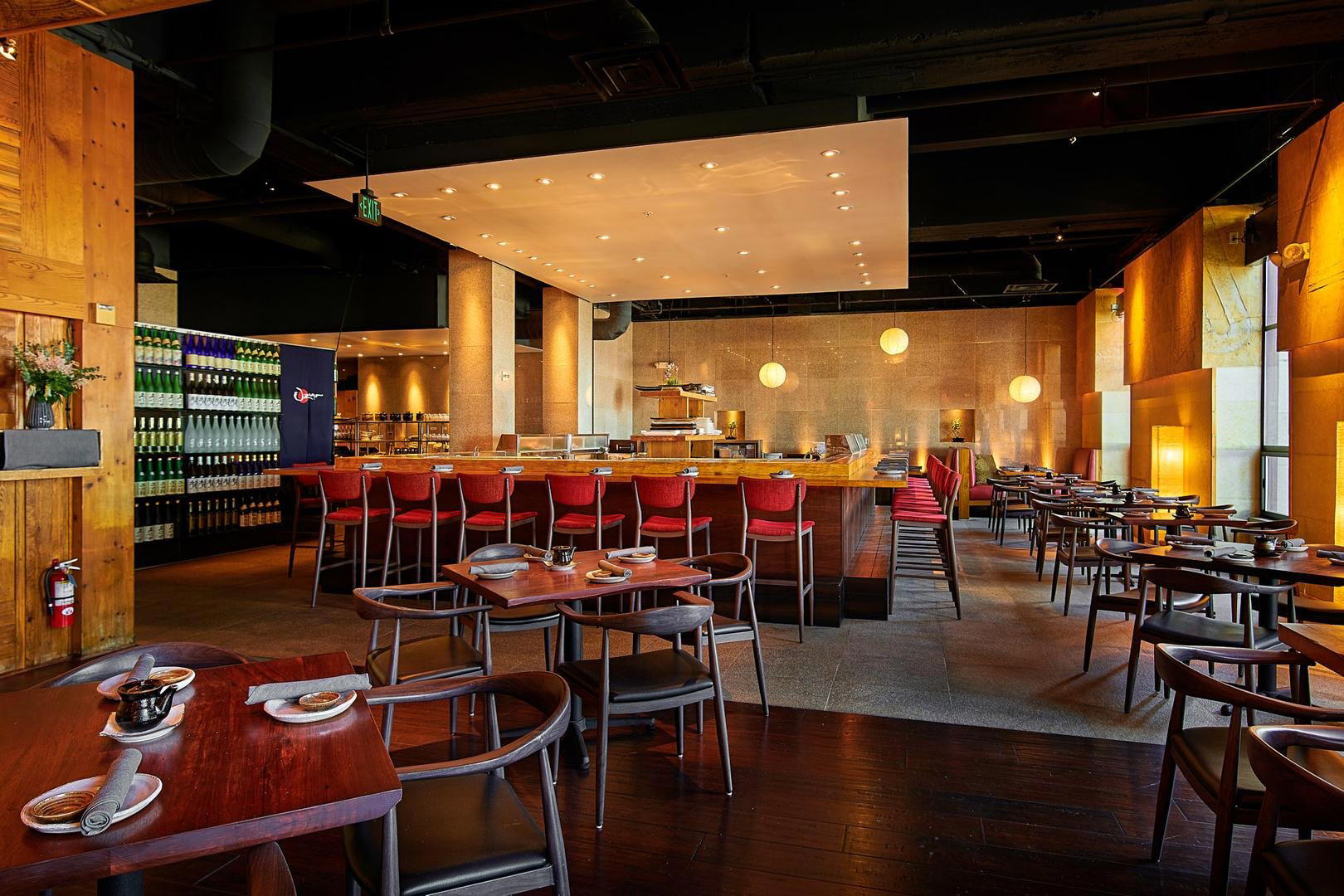
The Embarcadero's Japanese Dining Tier
One pole is the small, reservation-intensive omakase counter, where seat counts run to eight or twelve and the chef's sequence is non-negotiable. The other is the large-format izakaya or robata house, where the menu is broad, groups are accommodated, and the room generates its own ambient energy. Ozumo, at 161 Steuart Street near the Embarcadero, occupies the second category, a full-service Japanese restaurant that pairs robata grilling with sushi and a sake program substantial enough to draw attention on its own terms.
The address places it along a corridor that includes some of the city's most historically significant dining rooms, within walking distance of the Ferry Building's food market and the concentrated restaurant activity around the waterfront. That geography matters for planning.
What the Format Signals Before You Book
Booking decisions at San Francisco's premium Japanese addresses depend heavily on format. The city's omakase counters, intimate, chef-driven, sequenced, sit in a different relationship to the diner than a robata-centered restaurant like Ozumo. At the counter level, you are committing to one chef's vision for the evening, typically at prices that place the meal in the same bracket as Benu or Atelier Crenn. At a larger Japanese house, the power dynamic reverses: you choose from an extensive menu, order at your own pace, and the evening takes whatever shape the table decides.
This format distinction also shapes how far ahead you need to plan. San Francisco's most constrained tables, the kind found at Lazy Bear or at the city's smallest omakase rooms, require booking windows of four to eight weeks for weekend slots. A larger-format venue typically operates with shorter lead times and more flexibility for walk-in or same-week reservations, though popular dinner hours on weekends still warrant advance planning. For visitors building a San Francisco itinerary around confirmed reservations rather than spontaneous decisions, this is a meaningful operational difference.
Robata, Sushi, and the Sake Case
Robata grilling, the Japanese technique of cooking over binchōtan charcoal at controlled, relatively low heat, produces a different result than Western wood-fire or grill traditions. The heat source burns cleaner and hotter than standard charcoal, and the distance between food and coals is managed carefully to achieve a surface char that doesn't penetrate the interior at the same rate. The technique suits proteins and vegetables that benefit from caramelization on the outside while retaining moisture within. Restaurants that invest in a proper robata setup are making a statement about the seriousness of that cooking tradition, it requires both the equipment and the sourcing discipline to justify it.
Sushi programs at large-format Japanese restaurants operate differently from omakase counters, and it's worth understanding that distinction before you order. At a counter like those found in Japan's premium tier, or at the American equivalents that Atomix in New York represents for Korean fine dining, the chef's judgment governs every detail. At a restaurant where sushi is one section of a broader menu, quality depends on the sourcing relationships and prep standards the kitchen maintains, which can vary. Fish sourcing in San Francisco benefits from proximity to the Pacific and to established Japantown wholesale networks, but proximity doesn't automatically guarantee quality.
A serious sake list extends the Japanese restaurant's identity beyond the kitchen. Sake categories, junmai, ginjo, daiginjo, nigori, vary in polish level and flavor profile in ways that parallel wine's relationship between production method and taste, and a curated list makes the category legible for diners who haven't yet developed fluency with it. Restaurants investing in sake education and breadth are positioning themselves as destinations for that category, not simply as restaurants that happen to stock a few bottles.
San Francisco Japanese Dining in a Wider Context
The city's Japanese dining scene is unusually deep relative to its population, partly because of the historical weight of Japantown and partly because San Francisco's overall premium dining culture has consistently attracted Japanese chefs and concepts. That context matters when placing Ozumo in its comparable set. It is not competing with the city's highest-price omakase rooms, which operate closer to the price tier of Quince or Saison. It competes within the large-format, broad-menu Japanese tier, where atmosphere, consistency, and the sake and cocktail program matter as much as any single dish.
That same competition exists in other American cities with significant Japanese dining presence. In New York, where the breadth of Japanese restaurants spans from street-level ramen to kaiseki, large-format robata and sushi houses occupy a specific middle register. In Los Angeles, Providence operates at the highest formal tier, while LA's Japanese scene runs deeper still through Little Tokyo and Sawtelle. Nationally, the conversation about destination restaurant dining at the highest tier includes venues like Le Bernardin in New York, Alinea in Chicago, and The French Laundry in Napa, all of which represent a different format and price tier than Ozumo, but illustrate the range of serious dining options within a reasonable travel radius of San Francisco.
For travelers spending multiple days in Northern California, Single Thread Farm in Healdsburg represents a wine country alternative with Japanese influence woven into a kaiseki-adjacent format. And for a New Orleans comparison of large-format American dining at a similar register, Emeril's serves as a useful reference point for how a name-driven, multi-section restaurant operates at scale. In Hong Kong, 8½ Otto e Mezzo Bombana provides a comparable example of a large-format fine dining room operating within a dense, competition-heavy city context.
Planning Your Visit
Address: 161 Steuart St, San Francisco, CA 94105. Reservations: recommended. Dress: smart casual. Budget: about $100 per person. Timing: Mon to Fri, 11:30 AM to 10 PM; Sat and Sun, 5 to 10 PM.
Cuisine-First Comparison
Comparable venues nearby, for context on price, style, and recognition.
| Venue | Cuisine | Price | Notes |
|---|---|---|---|
| OzumoThis venue — the venue you are viewing | Modern Japanese Robata and Sushi | $$$ | Not listed |
| Chisai Sushi Club | Modern Omakase Sushi | $$$ | Bernal Heights |
| Tsunami | Modern Japanese Sushi and Sake | $$$ | Western Addition |
| Kabuto | Japanese Sushi and Fusion | $$$ | Outer Richmond |
| Sasaki | Modern Japanese Omakase | $$$$ | Mission |
| Sushi Taka | DIY Sushi Rolls | $$ | Financial District |
Continue exploring
More in San Francisco
Restaurants in San Francisco
Browse all →
Bars in San Francisco
Browse all →
Hotels in San Francisco
Browse all →
At a Glance
- Modern
- Trendy
- Elegant
- Sophisticated
- Date Night
- Business Dinner
- Special Occasion
- Open Kitchen
- Sake Program
- Waterfront
- Skyline
Current opening hours
- Monday
- 11:30 AM–10 PM
- Tuesday
- 11:30 AM–10 PM
- Wednesday
- 11:30 AM–10 PM
- Thursday
- 11:30 AM–10 PM
- Friday
- 11:30 AM–10 PM
- Saturday
- 5–10 PM
- Sunday
- 5–10 PM
Hours can change for holidays and private events. Last verified .
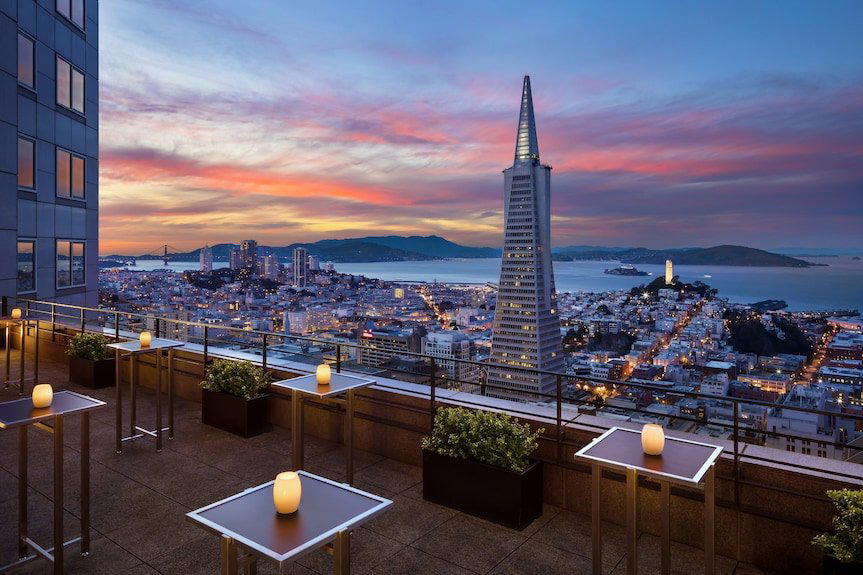
Serene and elegant with dark masculine saké bar, brighter dining room with handmade lampshades, modern furniture, and dramatic bay views.