Fogo de Chão

Fogo de Chão sits in Botafogo, one of Rio de Janeiro's most food-forward neighbourhoods, bringing the southern Brazilian churrasco tradition to a city that has long debated the merits of gaucho-style fire cookery versus coastal ceviche culture. The format is rodízio: continuous tableside service, circulating cuts, and a pace that rewards those who stay longest.
Pearl is the En Primeur Club membership app — saves, bookings, and concierge access live there. Same editors, same standards.
- Address
- Av. Reporter Nestor Moreira, S/N - Botafogo, Rio de Janeiro - RJ, 22290-210, Brazil
- Phone
- +55 21 2542 1545
- Website
- fogodechao.com.br
- Directions
- Get directions
 Saves & bookings on Pearl
Fire and Rotation: The Churrasco Counter in Botafogo
Brazilian churrasco has two distinct schools. The first is the casual neighbourhood churrasqueira, where cuts are ordered à la carte and the kitchen sets the pace. The second is the rodízio format, where servers move continuously through the dining room carrying skewered meat on long swords, slicing directly at the table until the guest signals otherwise. Fogo de Chão belongs firmly to the second tradition, a format with roots in Rio Grande do Sul. In Botafogo, a neighbourhood that increasingly draws serious restaurants alongside its established bars and cultural venues, the churrasco rodízio occupies a specific position: it is neither the casual neighbourhood grill nor the contemporary fine-dining table, but something in between, where the theatre of continuous service is the primary proposition.
The address on Av. Repórter Nestor Moreira places the restaurant in Botafogo, near Guanabara Bay. That proximity to the water matters in context: Botafogo sits between Flamengo to the north and Urca to the south.
The Rodízio Model and Its Internal Logic
Understanding what makes rodízio work as a dining format requires separating the cooking from the service logic. The cuts themselves, including picanha, fraldinha, costela, and linguiça, are cooked on skewers over open charcoal fire. The timing of each cut's rotation is the kitchen's primary decision; the rest is choreography. At Fogo de Chão, the format follows the established pattern of a coaster at each place setting, signalling to servers whether the guest is ready to receive more or needs a pause. It is a system designed to keep the dining room moving while allowing individual guests to pace themselves, and it has proven durable across decades of operation.
The collaboration between kitchen and floor is more demanding in rodízio than in à la carte settings precisely because the server carrying the skewer is also the finishing cook, slicing to order at the table. The thickness of the slice, the portion of the cut offered, and the sequencing of which protein arrives when are all front-of-house decisions made in real time. That dynamic places considerable responsibility on the floor team, and it is where the difference between a competent rodízio operation and a genuinely calibrated one becomes visible. When the cuts arrive in considered sequence, lighter items early, richest cuts at mid-service, the meal builds properly. When servers prioritise speed over sequence, the format loses its logic.
Where Fogo de Chão Sits in Rio's Dining Spectrum
Rio de Janeiro's restaurant scene includes technically serious, regionally grounded restaurants. Lasai and Oteque represent the more precise end of that movement, with tasting-menu formats and sourcing programmes that align them with a different comparable set than a churrasco rodízio. Oro sits in a similar bracket, with a contemporary format that draws on both Italian and Brazilian traditions. At the other end of the spectrum are neighbourhood-level churrascarias that operate with minimal ceremony.
The restaurant occupies a mid-to-upper tier in the rodízio category specifically: the format is the same as a neighbourhood churrasqueira, but the cut quality, the room, and the level of tableside service place it above the casual end of the market. For comparison within Rio's broader dining range, Casa 201 and Cipriani operate in entirely different registers, French and Italian respectively, but their price positioning and audience overlap with the guests the restaurant attracts. Internationally, the brand's positioning has more in common with the format-driven fire-cooking programmes at places like Lazy Bear in San Francisco in terms of how the cooking format drives the entire guest experience, even if the cuisine, price, and tone differ substantially.
Within the broader Brazilian dining context, the churrasco tradition is most concentrated in the south, Rio Grande do Sul, where the gaucho culture that produced the form still dominates. The restaurant's national expansion, which now includes locations in São Paulo (where D.O.M. represents a different tier of Brazilian dining), Belo Horizonte (home to Birosca S2), and Curitiba (where Manu occupies the fine-dining tier), demonstrates how the format has moved beyond its regional origins to become a national proposition. Other Brazilian destinations worth noting in this context include Manga in Salvador, Orixás | North Restaurant in Itacaré, Mina in Campos do Jordão, Primrose in Gramado, Castelo Saint Andrews in Vale do Bosque, Olivetto Restaurante E Enoteca in Campinas, and State of Espírito Santo in Rio Bananal, each representing a distinct regional dining tradition across the country's varied culinary geography.
Planning a Visit
Botafogo is accessible from most of Rio's central and southern neighbourhoods, with the Botafogo metro station reducing travel time considerably from Ipanema, Copacabana, and the city centre. The waterfront position on Av. Repórter Nestor Moreira is walkable from the station. For the rodízio format, arriving hungry and with time to spare is the practical baseline: the format rewards patience, and guests who rush the coaster from red to green before they have properly paced through the middle cuts miss the architecture of the meal. For booking and current operating hours, the restaurant's own channels are the reliable source; walk-in availability varies by day and time. For a broader picture of where the restaurant sits in Rio's restaurant picture, EP Club's full Rio de Janeiro restaurants guide maps the city's dining range across neighbourhoods and price tiers.
Cost and Credentials
Comparable venues nearby, for context on price, style, and recognition.
| Venue | Cuisine | Price | Notes |
|---|---|---|---|
| Fogo de ChãoThis venue — the venue you are viewing | Botafogo, Brazilian Churrasco Steakhouse | $$$$ | Not listed |
| Celeiro | Leblon, Organic Brazilian Buffet | $$$ | Not listed |
| Emiliano Rio | Copacabana, Contemporary Brazilian | $$$$ | Not listed |
| Zazá Bistrô Tropical | Not listed | $$$ | Ipanema, Tropical Brazilian Fusion Bistro |
| Julieta | Flamengo, Modern Brazilian | $$$ | Not listed |
| Bráz | Jardim Botânico, Pizza Paulistana | $$$ | Not listed |
Recognition history
Dated appearances from independent guides and award organizations, with the underlying list record or original source where available.
Opinionated About Dining Top Restaurants in South America Ranked #64
Opinionated About Dining
Continue exploring
More in Rio de Janeiro
Restaurants in Rio de Janeiro
Browse all →
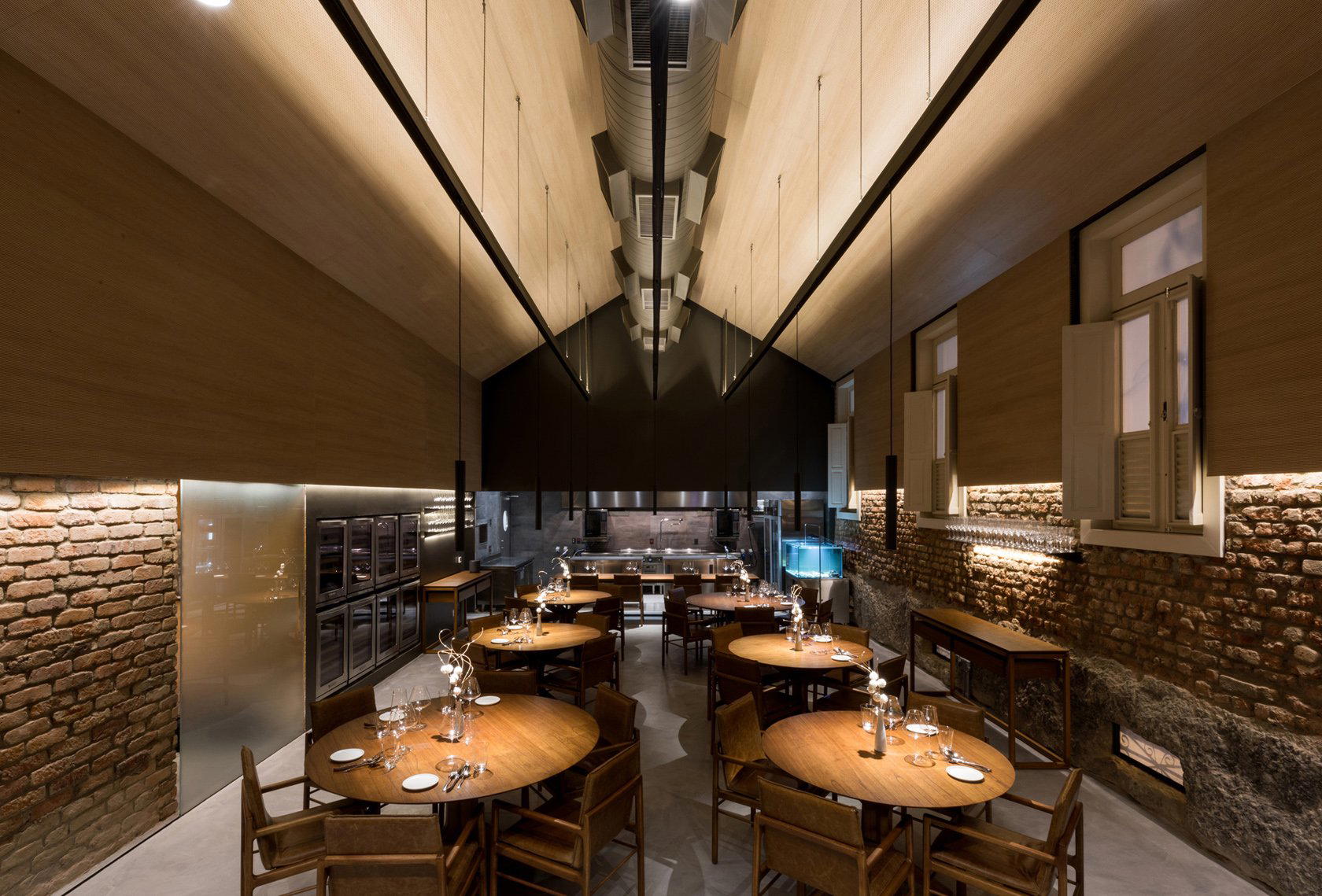
Bars in Rio de Janeiro
Browse all →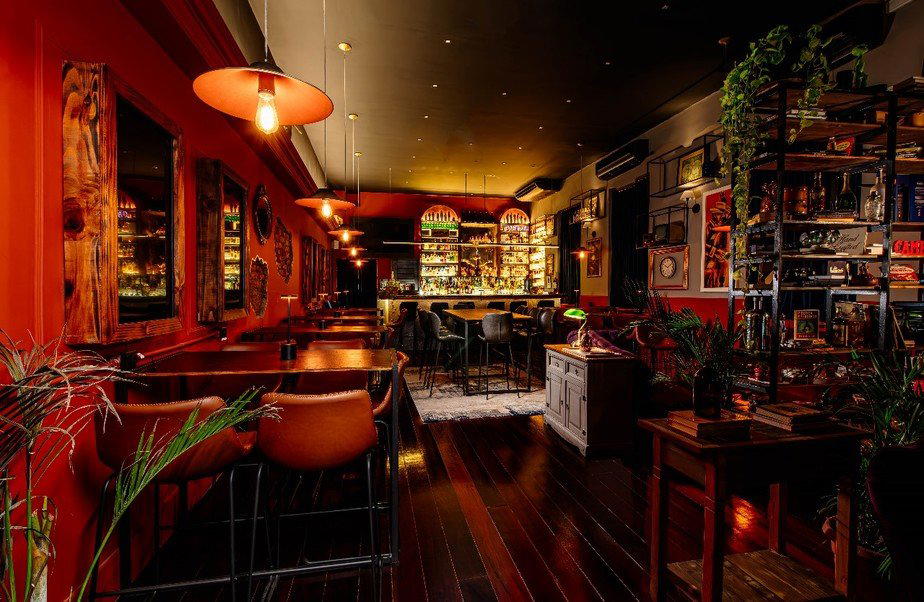

At a Glance
- Elegant
- Well Known
- Sophisticated
- Lively
- Group Dining
- Celebration
- Special Occasion
- Business Dinner
- Private Dining
- Panoramic View
- Open Kitchen
- Standalone
- Beer Program
- Craft Cocktails
- Mountain
Current opening hours
- Monday
- 12–11:30 PM
- Tuesday
- 12–11:30 PM
- Wednesday
- 12–11:30 PM
- Thursday
- 12–11:30 PM
- Friday
- 12–11:30 PM
- Saturday
- 12–11:30 PM
- Sunday
- 12–10:30 PM
Hours can change for holidays and private events. Last verified .
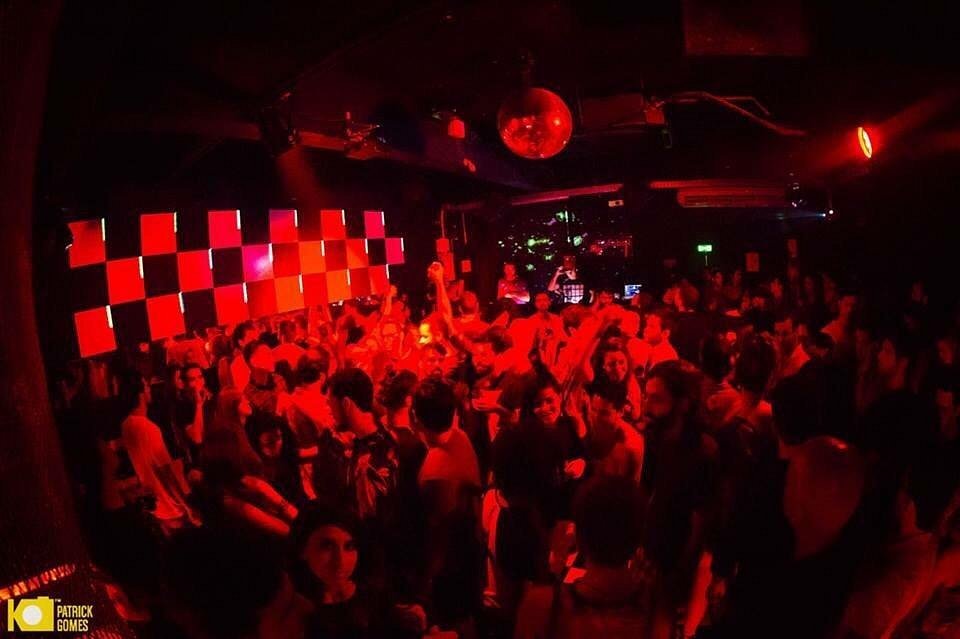
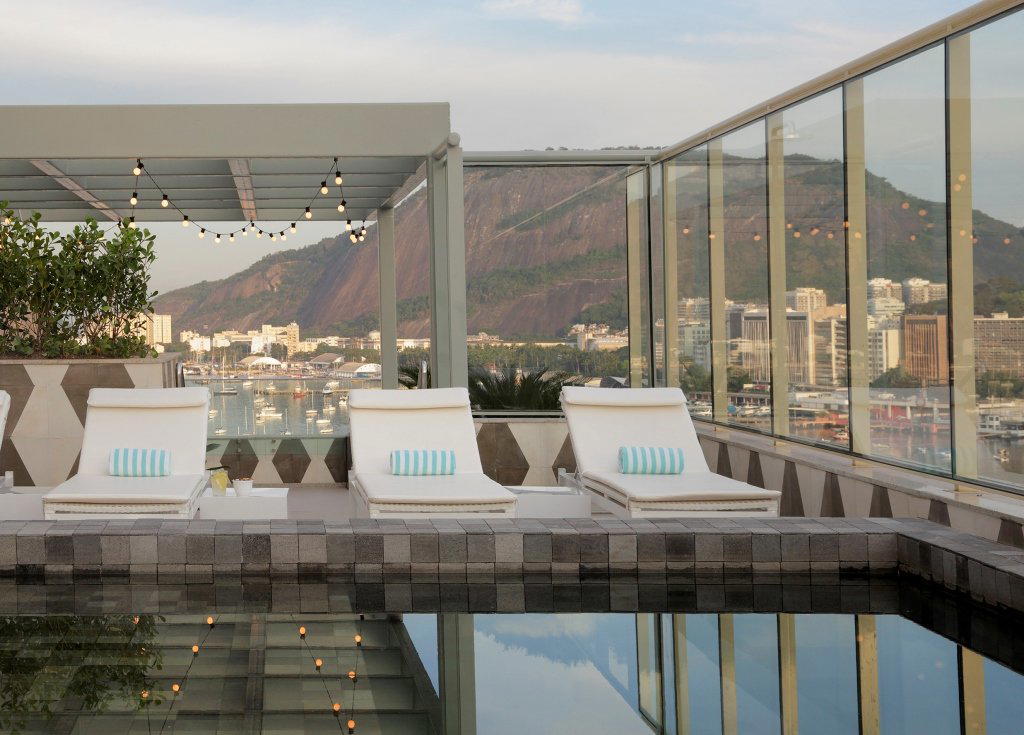
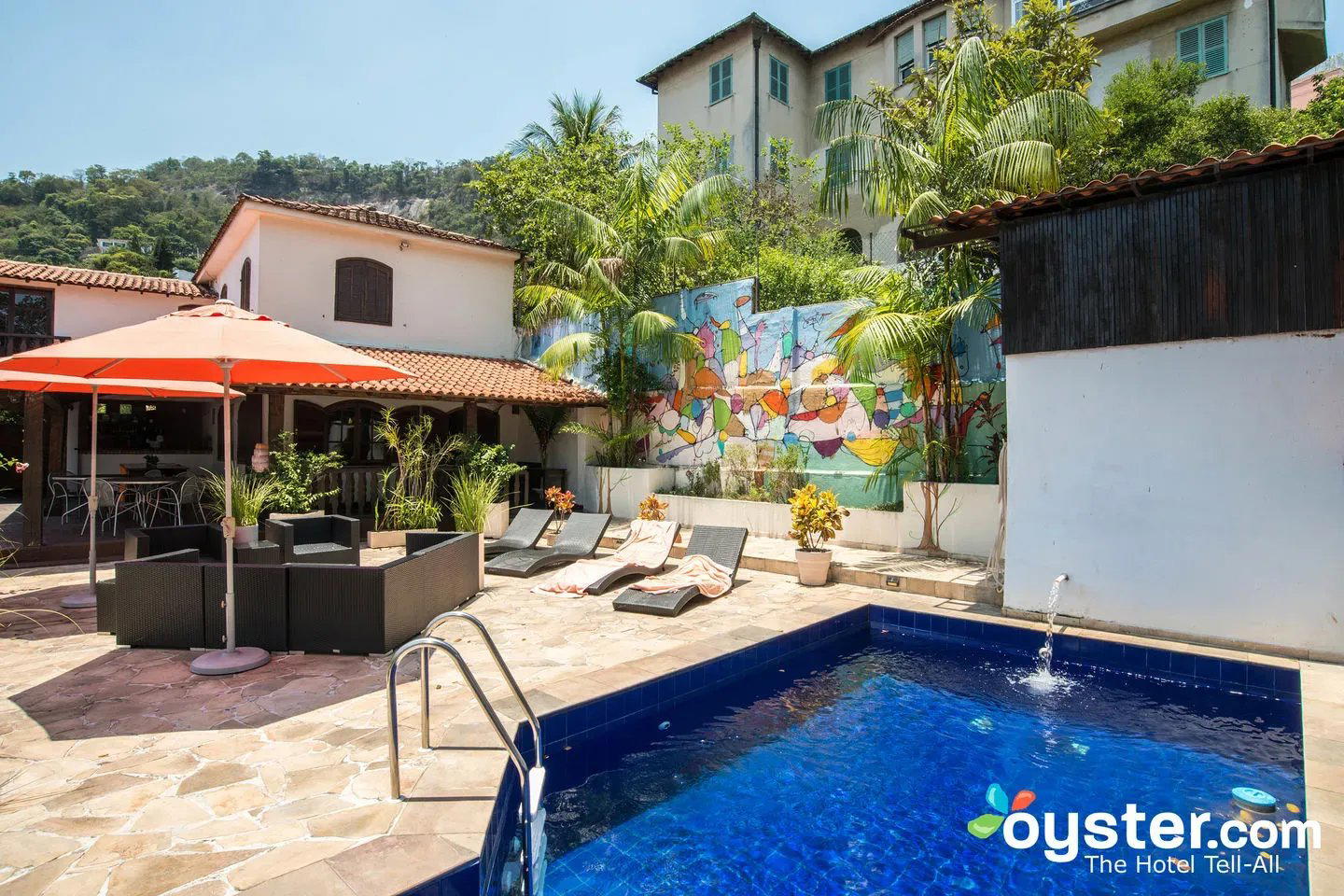
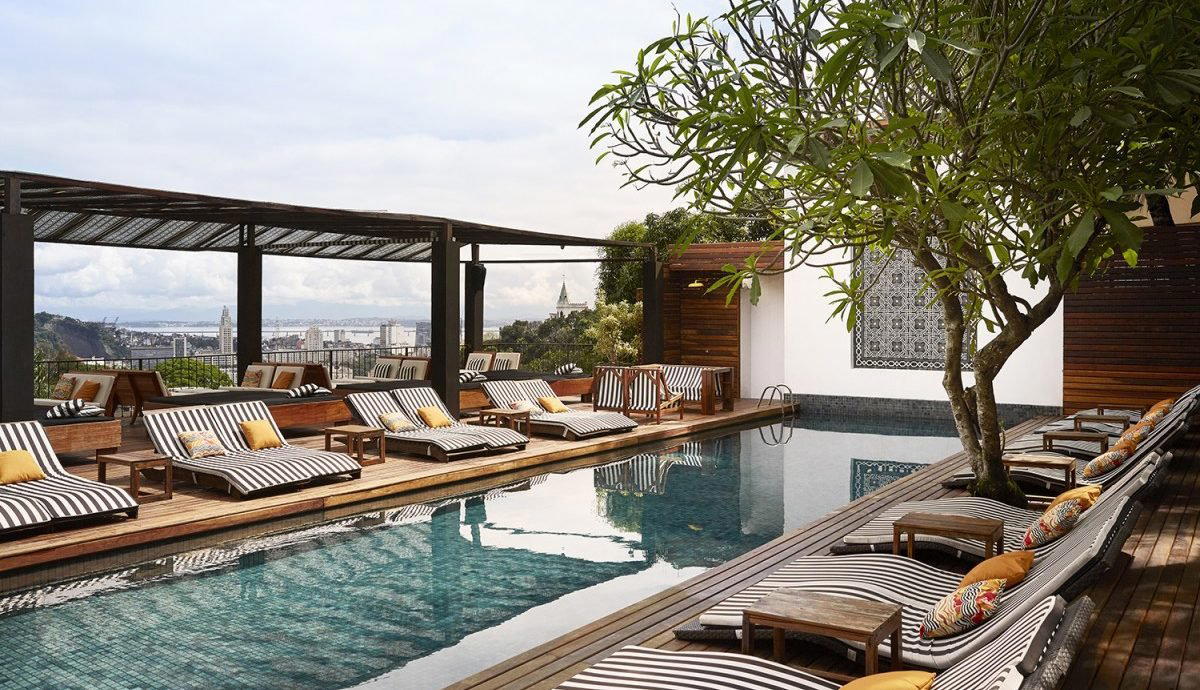
Luxurious and energetic dining rooms with elegant décor, complemented by al fresco patio seating overlooking Sugar Loaf Mountain; lively atmosphere with continuous service and gaucho chefs carving meats tableside.