Our verdict
On Avenida Bartolomé Mitre in central Mendoza, Zampa occupies a position familiar to regulars who return not for spectacle but for consistency. The address places it squarely in the city's urban dining circuit, a step removed from the winery-estate format that defines much of the region's high-end restaurant scene. For those who eat here often, the draw is the rhythm of the place itself.
- Address
- Av. Bartolomé Mitre 794, M5500 Mendoza, Argentina
- Phone
- +54 261 423 8823
- Directions
- Get directions
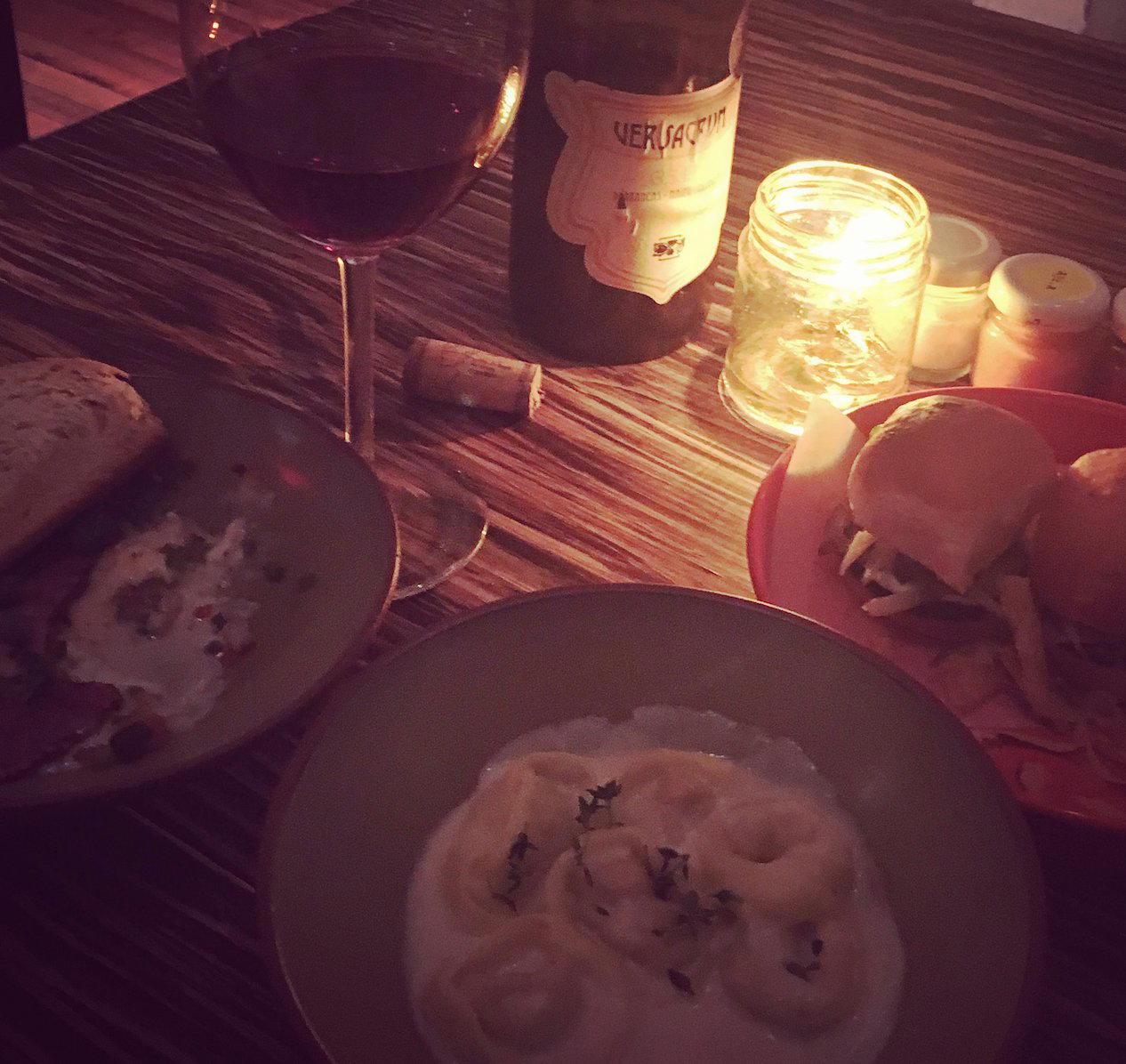
The menu
What to order
- Trout sliders
- Rabbit sausage
- Roasted bone marrow
What the Regulars Already Know
Mendoza's restaurant scene divides along a clear fault line. On one side are the winery estates and vineyard-facing dining rooms that have become the region's signature export: properties like Cavas Wine Lodge in Alto Agrelo and Entre Cielos Luxury Wine Hotel & Spa in Lujan de Cuyo, where the view of the Andes is part of what you are paying for. On the other side is the city's own dining circuit, concentrated along the streets of the Microcentro, where restaurants earn their clientele through repetition rather than spectacle. Zampa, at Av. Bartolomé Mitre 794, belongs to the second category. The address is deliberate: central, accessible, and free of the logistical overhead that comes with booking a table thirty minutes outside of town.
What that positioning produces, for regulars, is a kind of reliability that estate dining rarely offers. You can walk to Zampa after work, return on a Wednesday without a special occasion, or arrive without having planned the evening around it. That rhythm is what separates genuinely local restaurants from the tourist-facing establishments that fill so much of Argentina's dining press. Don Julio in Buenos Aires is the canonical example of a restaurant that crossed from neighborhood institution to international fixture; in Mendoza, the equivalent trajectory belongs to a smaller set of urban addresses that have cultivated the same returning clientele without the same level of external attention.
The Urban Dining Tier in Mendoza
Understanding where Zampa sits requires some sense of how Mendoza's city-center restaurant market is structured. The upper tier is occupied by a cluster of restaurants that combine creative technique with serious wine programs: Azafrán and Angélica Cocina Maestra both operate at the $$$$ price point with modern and creative formats respectively. Brindillas sits a tier below at $$$, offering modern cuisine at a price point that makes it a regular option rather than a special-occasion one. Casa Vigil, run by one of the Uco Valley's most discussed winemakers, operates as a contemporary format at the same upper price bracket.
This competitive context matters for understanding what Zampa's address on Bartolomé Mitre signals to its regulars. The street is not the city's flashiest restaurant corridor, and that is part of the point. Restaurants that hold a loyal local following in Mendoza tend to earn it through consistency of execution and a wine list that takes the region's output seriously, rather than through renovation cycles or tasting-menu updates. The wine-first logic of the city applies even to casual addresses: a Mendoza restaurant without a credible Malbec and Bonarda selection is not operating to local expectations, and regulars notice.
What Draws People Back
The regulars' case for any restaurant in this tier rests on a different set of criteria than the case a first-time visitor might assemble. For the returning diner, what matters is whether the kitchen holds its standard when the room is full, whether the wine list evolves with the vintage calendar, and whether the staff recognize you after a third or fourth visit. These are not qualities that show up in award citations or press features, but they are the ones that generate a table of four on a Tuesday without a reservation.
Mendoza's dining culture, shaped in part by the agricultural calendar of the surrounding wine country, runs on a seasonal logic that influences what urban restaurants carry. Harvest season (late February through April) concentrates both visitors and winery-adjacent events in the region, putting pressure on city-center restaurants that serve a mixed clientele of locals and wine-trade visitors. Restaurants with a stable regular base tend to absorb that seasonal variation without losing their character. The off-season months, when the vineyard-estate restaurants thin out, are often when urban Mendoza addresses feel most like themselves.
For context beyond Mendoza, the tension between estate dining and urban restaurant culture repeats across Argentina's wine regions. Agrelo in Lujan de Cuyo and Chacras de Coria in Las Heras represent the wine-region-adjacent format, while the city itself remains where the daily restaurant habit lives. Zampa's Mitre address puts it inside that daily habit, not outside it.
How to Approach a Visit
The practical case for Zampa is straightforwardly geographic. Av. Bartolomé Mitre runs through central Mendoza and is reachable on foot from most city-center accommodation. For visitors building a Mendoza dining itinerary that balances winery experiences with city meals, the address functions as an accessible counterweight to the longer-range estate visits: you do not need a car or a pre-arranged transfer, and you are not building your evening around a 7pm booking window thirty kilometers from town.
Visitors who want to triangulate Zampa against the broader Mendoza restaurant circuit can consult our full Mendoza restaurants guide, which maps the city's dining options across price tiers and formats. Those planning a wider Argentine trip might also consider how Mendoza's urban restaurant culture compares to other regional formats: La Table de House of Jasmines in La Merced Chica and Los Talas del Entrerriano in General San Martín represent the estancia-dining format that operates on a different register entirely. At the far end of the country's geographic spread, Awasi Iguazu in Puerto Iguazu, La Bamba de Areco in San Antonio de Areco, and Las Balsas Restaurant in Villa La Angostura each anchor their own regional dining context in ways that make Argentina's restaurant geography unusually varied for a single country. For technically ambitious formats at the international level, Le Bernardin in New York City and Lazy Bear in San Francisco represent the kind of program-driven dining that Mendoza's top tier has begun to reference, if not yet fully replicate.
For the visit itself: the Mitre address is a walk from the main plaza, and the surrounding block has the density of a working commercial street rather than a curated dining district. Arrive with the expectation of a neighborhood restaurant operating at city-center scale, and calibrate accordingly. The regulars already have.
Frequently asked questions
Is Zampa good for families?
Zampa's address on Av. Bartolomé Mitre puts it in central Mendoza, making it accessible without a car or transfer from the vineyard belt. Whether the format and pace suit younger children depends on the group, but the city-center location removes the logistical friction that winery estate dinners often create for families.
Is Zampa better for a quiet night or a lively one?
Zampa occupies the urban dining tier in Mendoza's city center rather than the insular vineyard estate circuit, which tends to draw a different energy. The Av. Bartolomé Mitre address places it within walking distance of the city's broader social corridor, so expect a room that reflects the rhythms of central Mendoza rather than a destination property with a controlled atmosphere.
How does Zampa differ from Mendoza's winery estate restaurants?
Zampa sits on Av. Bartolomé Mitre in central Mendoza, positioning it inside the city rather than on the vineyard properties that define the region's high-profile dining circuit. That distinction matters practically: no shuttle, no minimum spend tied to a wine estate, and no dependence on the harvest calendar. For visitors staying downtown, it functions as a city restaurant first, within Mendoza's own urban dining tier.
What do people recommend at Zampa?
For the most accurate picture of what the kitchen is running, checking directly with the restaurant before visiting is the practical approach. Zampa is at Av. Bartolomé Mitre 794 in central Mendoza.
Where do I go for Zampa?
Zampa is located at Av. Bartolomé Mitre 794, M5500 Mendoza, Argentina, Mendoza.
Where It Fits
| Venue | Cuisine | Price | Awards | Notes |
|---|---|---|---|---|
| ZampaThis venue — the venue you are viewing | Modern Argentine Tapas | Not listed | Not listed | Not listed |
| 1884 Francis Mallmann | Argentine Parrilla & Traditional Grilled Cuisine | $200–300 | Michelin Plate · World's 50 Best #45 | Argentinian Steakhouse, Traditional Cuisine |
| Azafrán | Modern Argentine Fine Dining | $50–100 | 1 Michelin Star · World's 50 Best #97 | Modern Cuisine |
| Angélica Cocina Maestra | Modern Argentine Fine Dining | Not listed | 1 Michelin Star · Wine Enthusiast Best Winery Restaurant 2026 | Creative |
| Brindillas | Modern Argentine Fine Dining | $50–100 | 1 Michelin Star | Modern Cuisine |
| Casa Vigil | Modern Argentinian Fine Dining | $150–200 | 1 Michelin Star · The Best Chef One Knife | Contemporary |
Continue exploring
More in Mendoza
Restaurants in Mendoza
Browse all →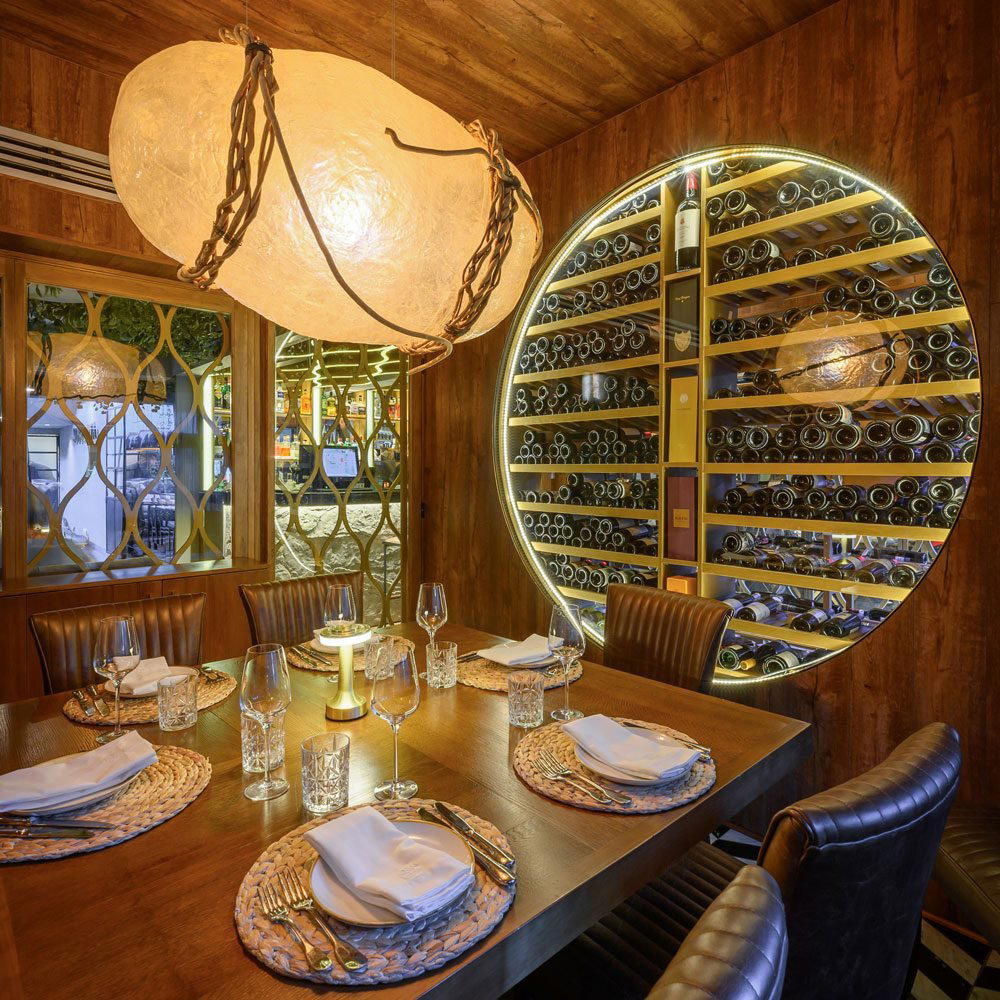
Bars in Mendoza
Browse all →
Hotels in Mendoza
Browse all →
Details
- Modern
- Elegant
- Minimalist
- Date Night
- Casual Hangout
- Open Kitchen
- Extensive Wine List
- Local Sourcing
- Small Plates
- A La Carte
- Wine
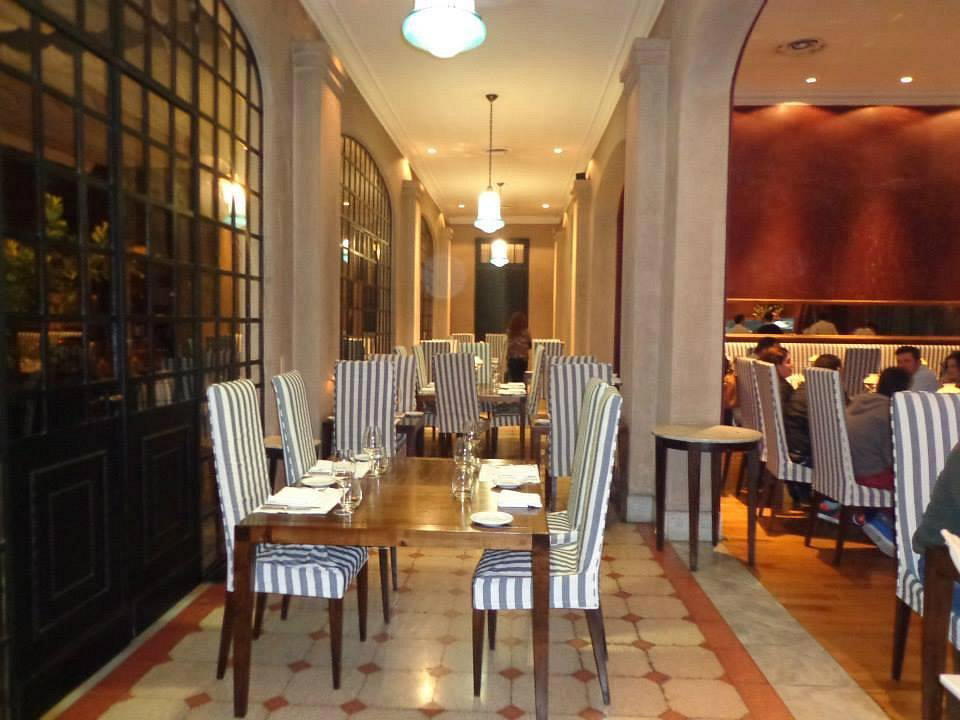
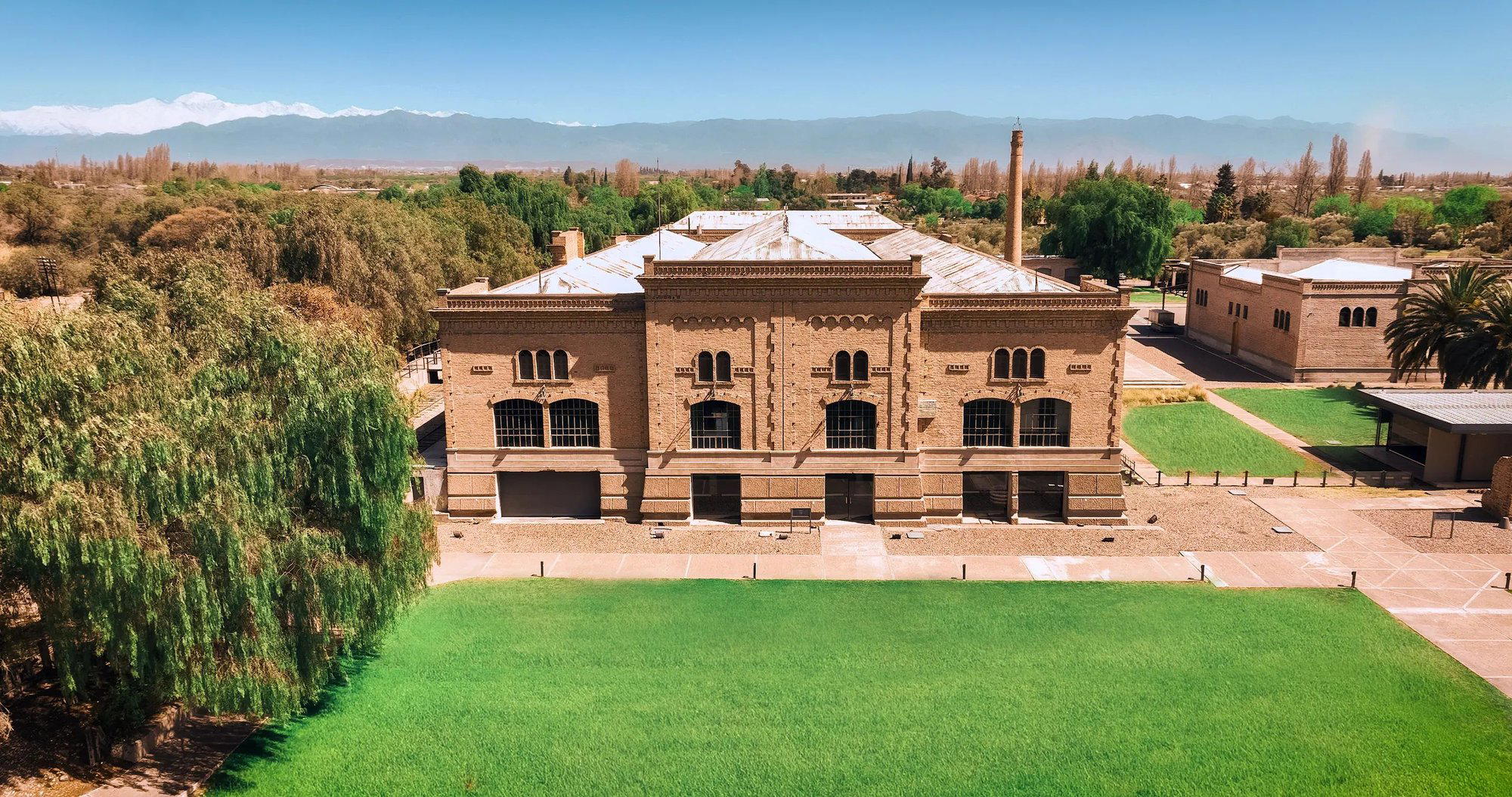
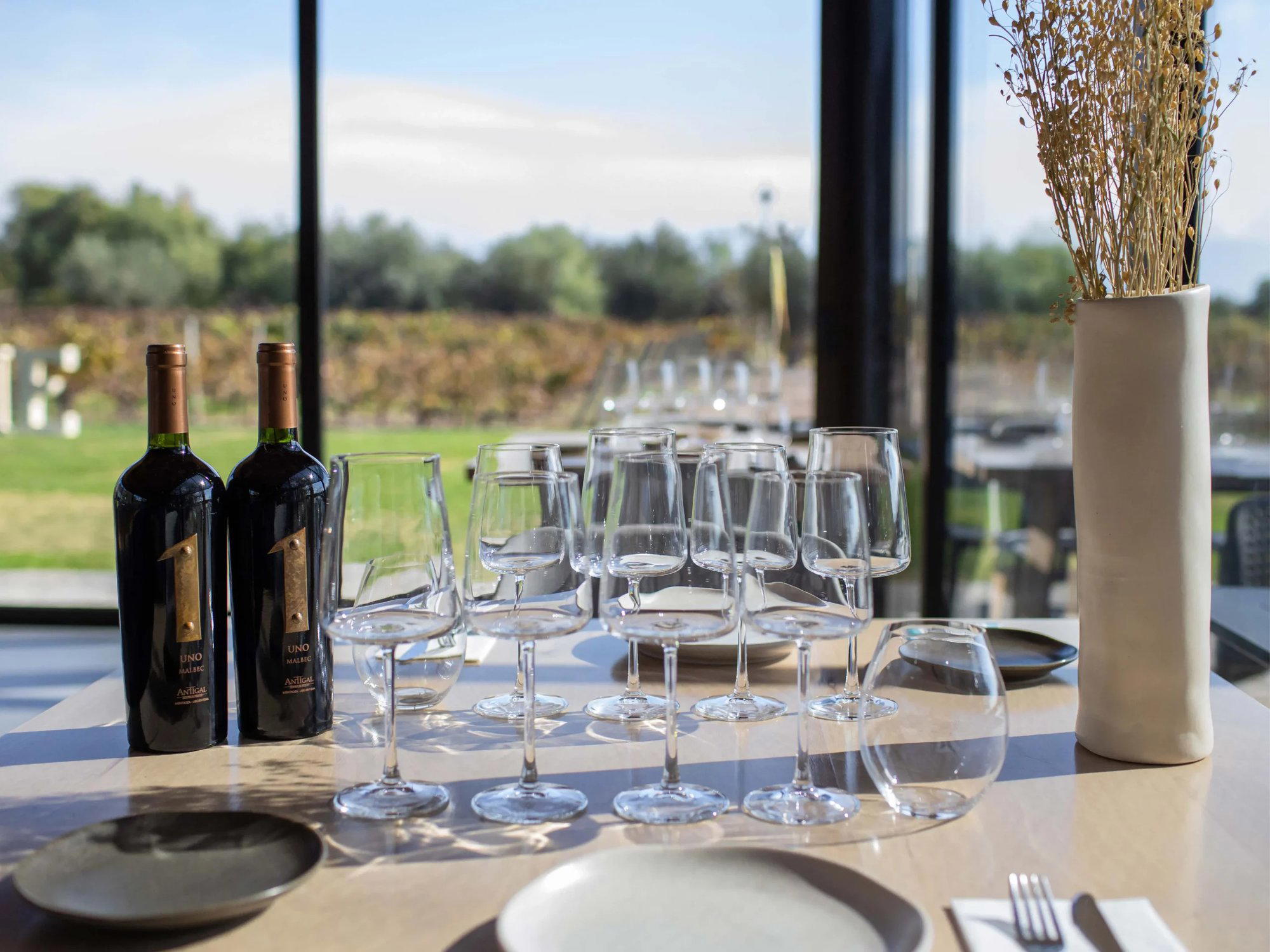
Elegant minimalist design in a refurbished colonial home with warm lighting from an open kitchen.