On Avenida Belgrano in central Mendoza, Maria Antonieta occupies a distinct position among the city's mid-to-upper dining tier — less formal than the $$$$ benchmark set by Casa Vigil or Azafrán, but operating with clear culinary intention. The address puts it within walking distance of the city's main plaza, making it a practical choice for visitors who want serious food without committing to a winery-destination dinner.
- Address
- Av. Belgrano 1069, M5500 Mendoza, Argentina
- Phone
- +54 261 420 4322
- Website
- mariaantonietaresto.com.ar
- Directions
- Get directions
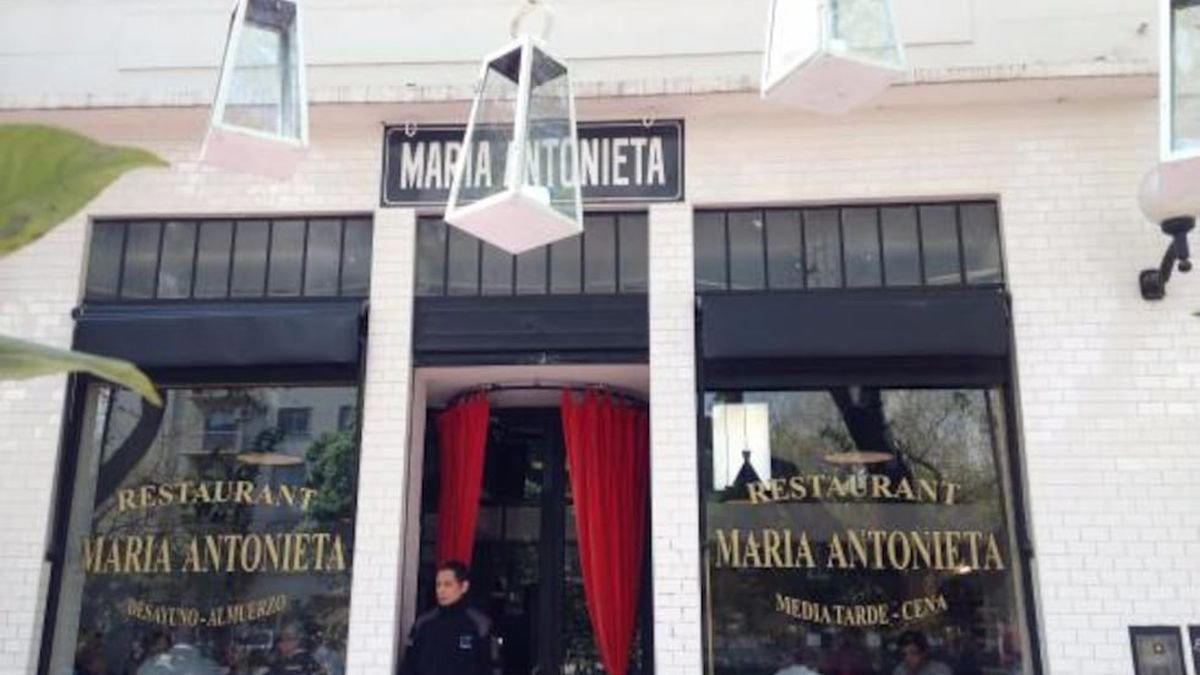
Avenida Belgrano and the Urban Core of Mendoza Dining
Mendoza's restaurant scene divides, broadly, along geographic lines. The prestige tier has drifted outward: estate restaurants at Cavas Wine Lodge in Alto Agrelo and Entre Cielos in Luján de Cuyo anchor the vineyard-dining format, while the city centre has historically been left to casual parrillas and tourist-facing tenedor libre operations. That division has been closing. Over the last decade, a cluster of serious restaurants has re-established central Mendoza as a dining destination in its own right, and Avenida Belgrano has been part of that recalibration.
Maria Antonieta sits at Av. Belgrano 1069, a few blocks from the Plaza Independencia axis that organises the city's pedestrian life. The location matters because it connects the restaurant to a different kind of diner than the winery-estate circuit attracts: locals on a weeknight, travellers staying in the centro who do not want to arrange a transfer to Chacras de Coria or Luján, and the city's own food-conscious professional class. Urban restaurants in Mendoza operate in a slightly different register than their vineyard counterparts, and Maria Antonieta is, in that sense, a product of its street as much as its kitchen.
Where Maria Antonieta Sits in the City's Competitive Set
Mendoza's centre now has enough serious options that positioning matters. At the $$$$ end, Azafrán and Angélica Cocina Maestra set a benchmark for contemporary cooking with regional ambition. Brindillas, at $$$, occupies a practical middle ground for modern cuisine without the full formal commitment. Casa Vigil, at $$$$ and attached to one of Mendoza's most discussed wine producers, represents a different kind of proposition altogether.
Maria Antonieta operates in this field without the formal awards profile of its higher-profile neighbours. That is not unusual for city-centre restaurants in Argentine provincial capitals, where Michelin has no presence and the local recognition infrastructure is thinner than in Buenos Aires, where Don Julio and its peer group benefit from international critical attention. In Mendoza, reputation tends to travel through word of mouth, travel editorial, and the recommendations of wine-tourism operators who book tables for visiting buyers and journalists. A restaurant that appears consistently on those lists over several years is making a statement that formal awards cannot always replicate.
The Physical Experience: Belgrano After Dark
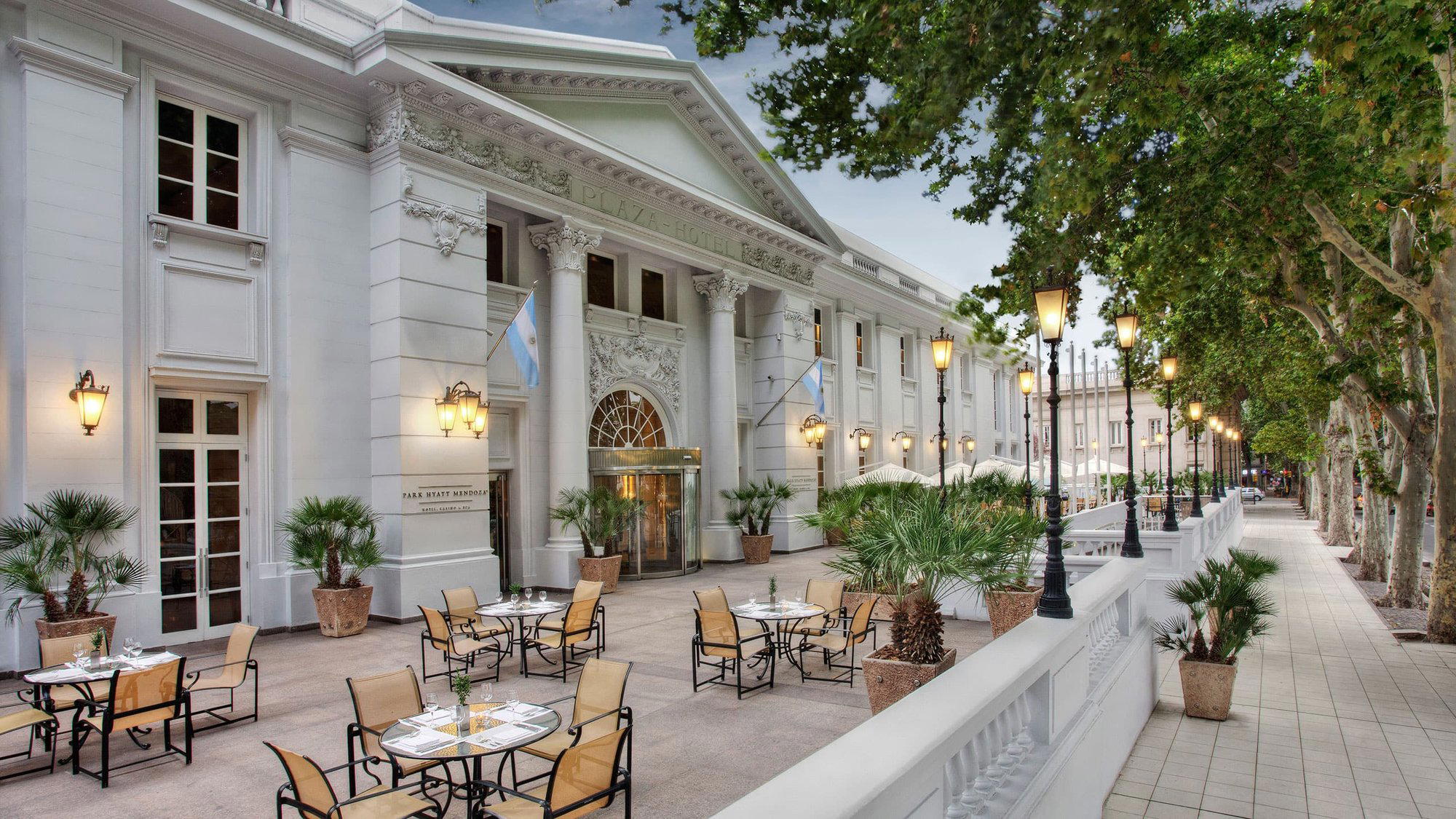
Avenida Belgrano in the early evening carries the particular energy of a Cuyo city before dinner service fully opens. The street is wide, the plane trees provide canopy in summer, and the foot traffic shifts between office workers heading home and visitors orienting themselves from the nearby hotels. A restaurant on this strip is not making a statement about remoteness or exclusivity the way a vineyard estate does. It is making a statement about accessibility and the kind of confidence that comes from not needing a spectacular backdrop.
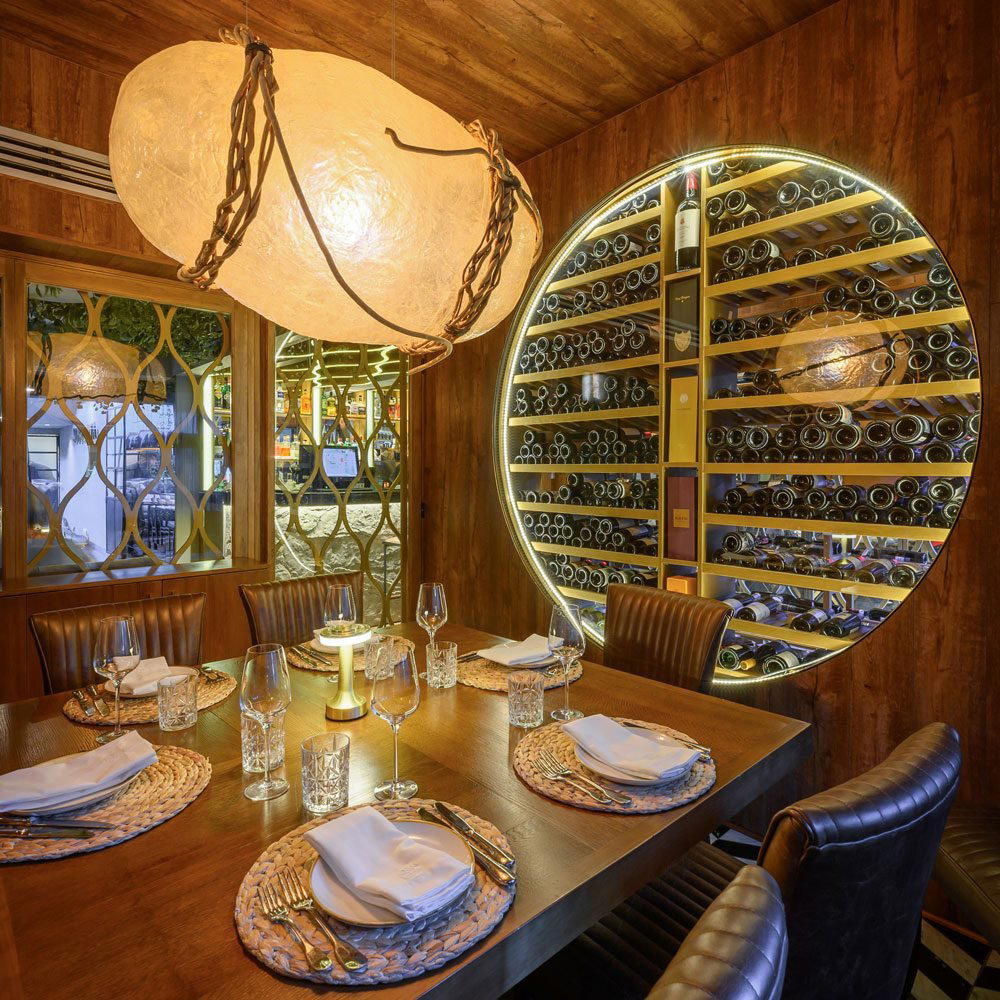
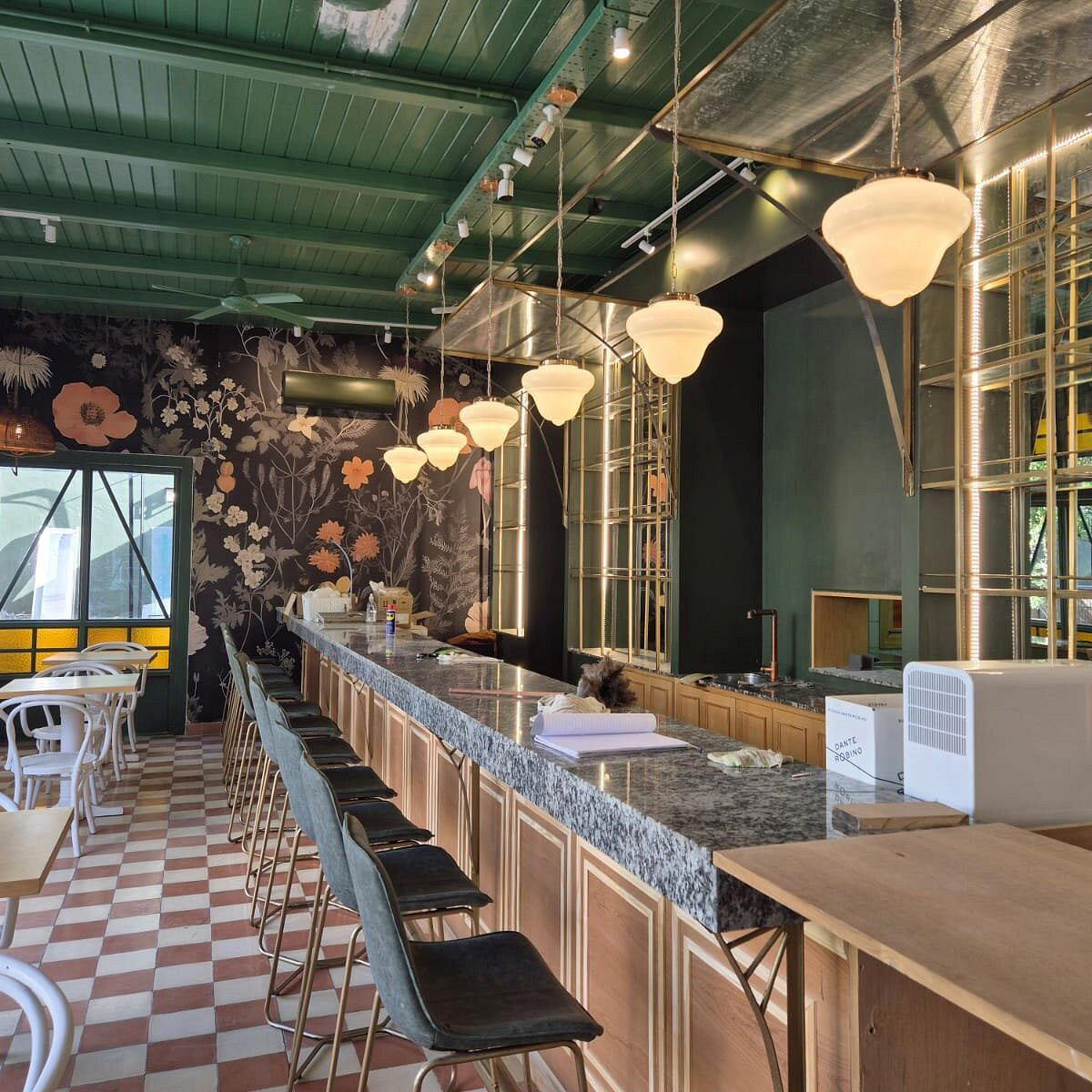
That urban groundedness shapes what to expect from the physical space at Maria Antonieta. Mendoza's better city-centre restaurants tend toward interiors that feel considered without being theatrical: local materials, wine-country references handled lightly, rooms that work for both the two-hour dinner and the longer table that orders an extra bottle. The Argentine dining pace, slower than northern European norms and anchored by the expectation that the table is yours for the evening, fits naturally into this format. For visitors accustomed to the paced tasting menus at Lazy Bear in San Francisco or the precision of Le Bernardin in New York City, the Argentine urban restaurant is a different contract entirely: less structured, more elastic, built around the table's own rhythm.
Regional Context and What It Means for the Plate
Mendoza's food identity is inseparable from its wine identity, and both are inseparable from the Andean west. The cuisine that has emerged in serious Mendocino restaurants over the last fifteen years draws on Cuyo's chivito (kid goat), the altitude-influenced vegetable growing of the Uco Valley, and the olive oils that now compete with the region's wine exports for international attention. Patagonian influences filter north: lamb, wild game, lake fish. The asado tradition that defines Los Talas del Entrerriano in General San Martín and the broader Argentine parrilla culture sits alongside this, rather than being replaced by it.
City-centre restaurants like Maria Antonieta operate in the intersection of these currents. They are not estate restaurants with a captive audience and a fixed tasting format. They need menus that work across a wider range of diners, wine lists that engage the city's wine-literate clientele without requiring a $$$$ commitment on every bottle, and kitchens that can execute regional product with enough craft to justify the choice over a simpler parrilla. The regional wine context at this address is not incidental: Mendoza's by-the-glass culture has improved significantly, and a central restaurant has access to the full breadth of local production in a way that a single-estate restaurant does not.
For comparison, the estate-dining format in Mendoza's surrounds, represented by properties like Agrelo in Luján de Cuyo and the broader Chacras de Coria dining circuit, asks visitors to commit to a transfer and often a fixed format. Maria Antonieta's Belgrano address removes both conditions.
Planning a Visit
Reaching Av. Belgrano 1069 from central Mendoza requires no transport: the address is walkable from the main plaza and the principal hotel concentration around it. For visitors based further out, near the winery zones, a taxi or remis is a fifteen-to-twenty-minute ride from Luján de Cuyo and somewhat less from Maipú. Argentine restaurants at this tier typically begin filling from 9pm on weeknights and later on weekends, consistent with the country's late-dining conventions. Arriving at 8pm often means a quieter room that fills around you, which has its own advantage for first-timers.
Visitors planning a broader Mendoza itinerary should consider Maria Antonieta alongside Riccitelli Bistró for a wine-producer's approach to bistro dining, and read our full Mendoza restaurants guide for a complete picture of where city-centre options sit relative to the wider regional dining map. Those extending trips into Argentina's other food-serious destinations will find useful context in the dining scenes at Las Balsas in Villa La Angostura, La Table de House of Jasmines in La Merced Chica, Awasi Iguazú, and La Bamba de Areco in San Antonio de Areco.
A quick peer reference to anchor this venue in its category.
| Venue | Cuisine | Price | Notes |
|---|---|---|---|
| Maria AntonietaThis venue — the venue you are viewing | Not listed | Not listed | Not listed |
| 1884 Francis Mallmann | Not listed | $$$$ | Argentinian Steakhouse, Traditional Cuisine |
| Azafrán | Modern Cuisine | $$$$ | Not listed |
| Angélica Cocina Maestra | Creative | $$$$ | Not listed |
| Brindillas | Modern Cuisine | $$$ | Not listed |
| Casa Vigil | Contemporary | $$$$ | Not listed |
Continue exploring
More in Mendoza
Restaurants in Mendoza
Browse all →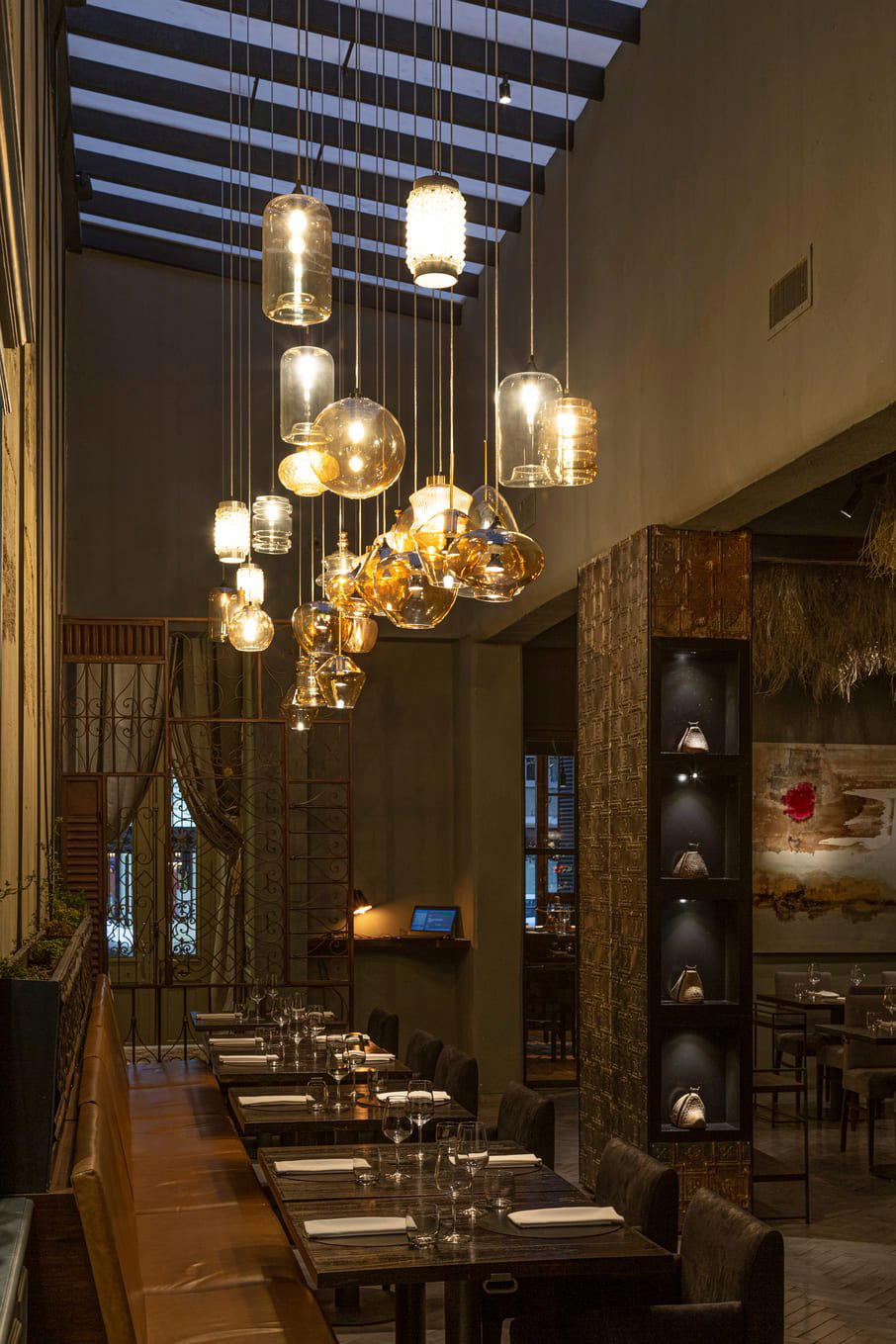
Bars in Mendoza
Browse all →
Hotels in Mendoza
Browse all →
At a Glance
- Cozy
- Elegant
- Rustic
- Date Night
- Casual Hangout
- Open Kitchen
- Local Sourcing
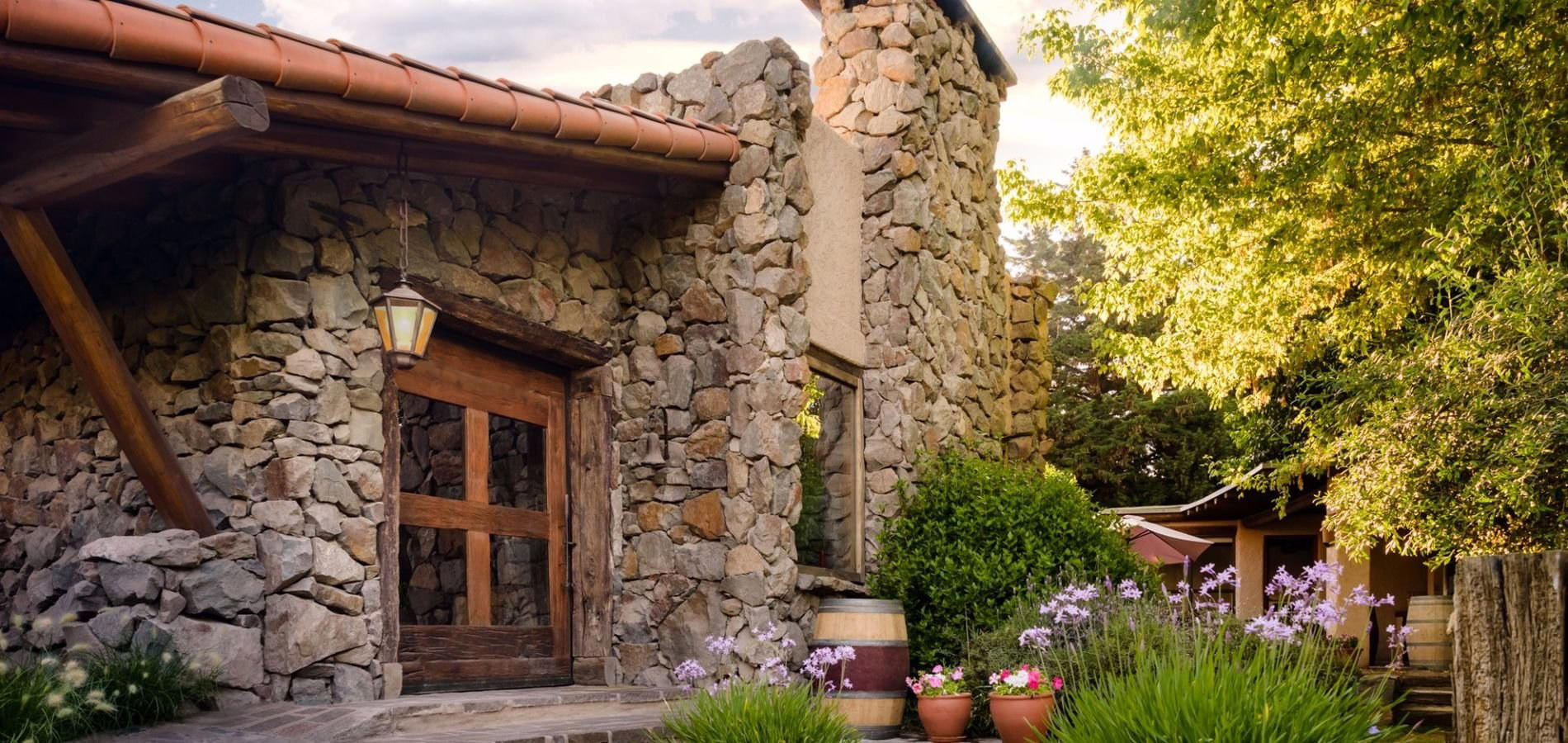
Homey and cozy with outdoor sidewalk seating under trees, simple colonial style atmosphere focused on quality ingredients.
Know Before You Go
- Getting there
- Av. Belgrano 1069, M5500 Mendoza, Argentina