
Falstaff Winery - Listed
Bodega Antigal operates from the Russell district of Maipú, one of Mendoza's most established winemaking zones, where alluvial soils and high-altitude light shape a distinct style.

Pearl is the En Primeur Club membership app — saves, bookings, and concierge access live there. Same editors, same standards.
- Address
- Calle Maza s/n y M. A. Saez, Rusell, Maipu., 5517, Mendoza
- Phone
- +54 261 362-4086
- Website
- antigal.com
- Directions
- Get directions
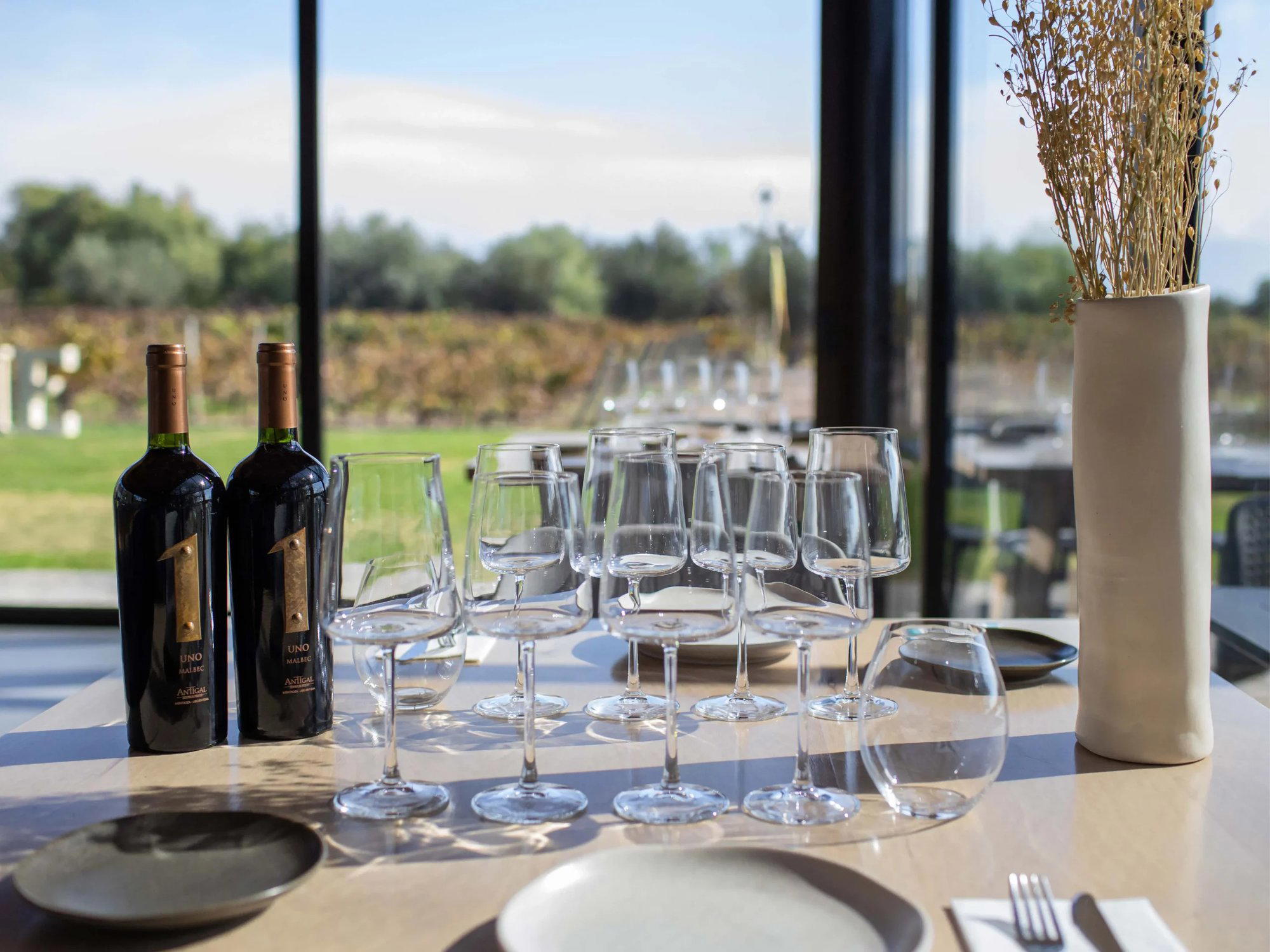
Where Maipú's Alluvial Soils Meet the Glass
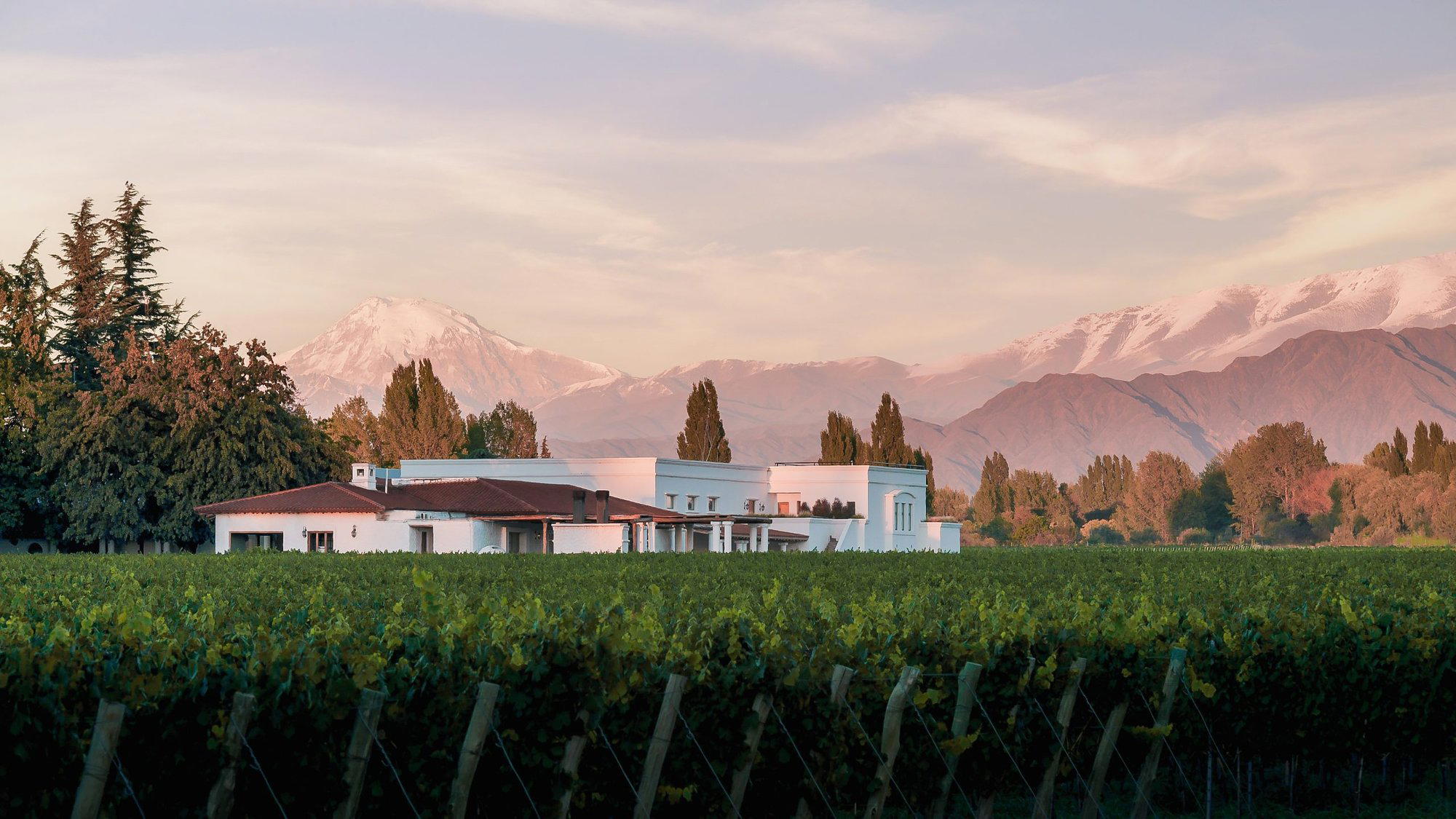
The Russell district of Maipú sits within the broader Mendoza wine corridor in a way that rewards attention to geography. Drive south from Mendoza city and the landscape shifts from urban sprawl into a grid of vine rows broken by irrigation channels, the Andes visible on the western horizon at almost any clear morning. Russell itself is a sub-zone where alluvial deposits from Andean snowmelt have built up over millennia, creating well-drained soils that stress vines productively, concentrating flavour without stripping freshness. A. Saez, in a part of Maipú that has been under vine long enough to carry genuine terroir weight rather than speculative promise.
Maipú has a different character from its more frequently discussed neighbour, Luján de Cuyo. Where Luján tends to attract the headline Malbec estates, Maipú's strength lies in the density of its producer network and the variety of altitudes and soil types compressed into a relatively compact area. Argentine winemaking has spent the better part of two decades refining its answer to a basic question: does the country's high-altitude, high-UV growing environment produce wines that express place, or wines that simply express intensity? The answer, at the better addresses in Maipú and across Mendoza, has increasingly been both. Altitude moderates diurnal temperature swings in a way that preserves acidity even as sugars accumulate under persistent sunshine. Russell's alluvial loams add a structural dimension, the free-draining nature of the soil preventing the kind of waterlogging that blunts textural precision in the finished wine.Terroir in the Glass: What Russell Produces
Bodega Antigal's 2025 Decanter Silver medal is a useful piece of external calibration. Decanter's panel tastings operate blind, with a set of regional specialists assessing wines against defined quality thresholds rather than against each other's preferences. A Silver in that system represents a wine that clears a defined technical and qualitative bar. Neither award was drawn from Argentine domestic competition alone, which matters for contextualising the bodega's positioning: these are benchmarks set against international standards.
For comparison, producers at a similar award level in other Argentine regions, such as Bodega El Esteco in Cafayate or Bodega Colomé in Molinos, tend to attract visitors who come specifically to understand how altitude and latitude interact with varietal character. The same logic applies in Maipú, where a visit to Antigal fits inside a broader itinerary built around understanding what different parcels of Mendoza soil actually do to a grape.
Maipú as a Winemaking District
Maipú is often treated as an adjunct to Mendoza city, accessible by bicycle or the local wine bus, which makes it an easy half-day from downtown. That accessibility has a practical benefit for visitors: it is possible to combine two or three winery visits without the logistical overhead of a more remote estate. Bodega Norton in Luján de Cuyo and Escorihuela Gascón in Godoy Cruz operate from different soil and altitude conditions that produce wines with a different tonal register from Maipú's alluvial base. Further afield, Bodega DiamAndes in Tunuyán represents the cooler, higher-altitude expression associated with the Valle de Uco, where the fruit profile and structural tension shift noticeably from Maipú norms. Familia Schroeder in San Patricio del Chañar, in Neuquén's Patagonian wine country, extends the comparison even further south, where a cooler continental climate produces wines that sit in a different style category entirely.
Understanding where Antigal sits requires that broader map. It is a Maipú producer working alluvial Russell parcels, with award recognition that confirms a level of technical and varietal coherence. It is not in the Uco Valley's high-altitude tier, nor is it one of Luján's historic flagship estates.
For a full picture of what the district offers, see Fratelli Branca Distillery in Buenos Aires, where the city's spirits culture provides a counterpoint to Mendoza's wine focus. For those extending a South American trip to compare wine traditions across different latitudes, Aberlour in Aberlour and Accendo Cellars in St. Helena represent the Scotch whisky and Napa Cabernet reference points that serious collectors use when calibrating their Argentine finds against global benchmarks. A. Saez in the Russell area of Maipú, Mendoza province, at postal code 5517. Maipú is reachable from Mendoza city by a short drive or via the local wine tourism circuit; the district's compact geography means Antigal can be combined with visits to neighbouring producers including
At-a-Glance Comparison
Comparable venues nearby, for context on price, style, and recognition.
| Venue | Cuisine | Awards | Notes |
|---|---|---|---|
| Bodega AntigalThis venue — the venue you are viewing | Malbec, Cabernet Sauvignon | Falstaff Winery - Listed | Not listed |
| Pascual Toso | Malbec, Cabernet Sauvignon | Not listed | Maipú |
| Bodega López | Malbec, Cabernet Sauvignon | Falstaff Winery - Listed | General Gutiérrez |
| Tierra de Lobo Distillery | Winery | Not listed | Maipú |
| Finca Agostino | Malbec, Cabernet Sauvignon | Falstaff Winery - Listed | Barrancas, Maipú |
| Finca Flichman | Malbec, Cabernet Sauvignon | Not listed | Barrancas |
Recognition history
Dated appearances from independent guides and award organizations, with the underlying list record or original source where available.
Falstaff Winery - Listed
Falstaff
Continue exploring
More in Maipú
Wineries in Maipú
Browse all →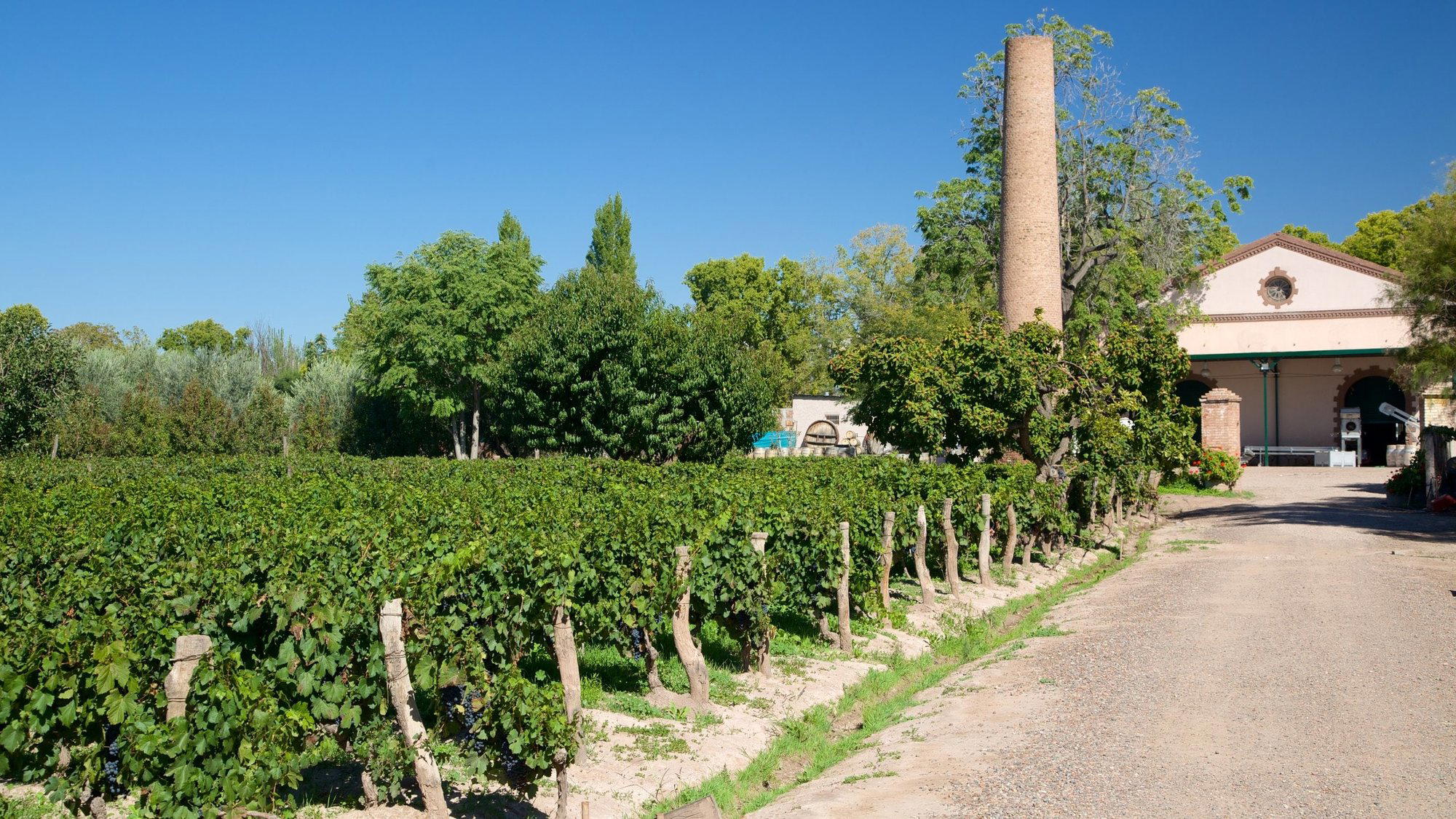
Bars in Maipú
Browse all →
Restaurants in Maipú
Browse all →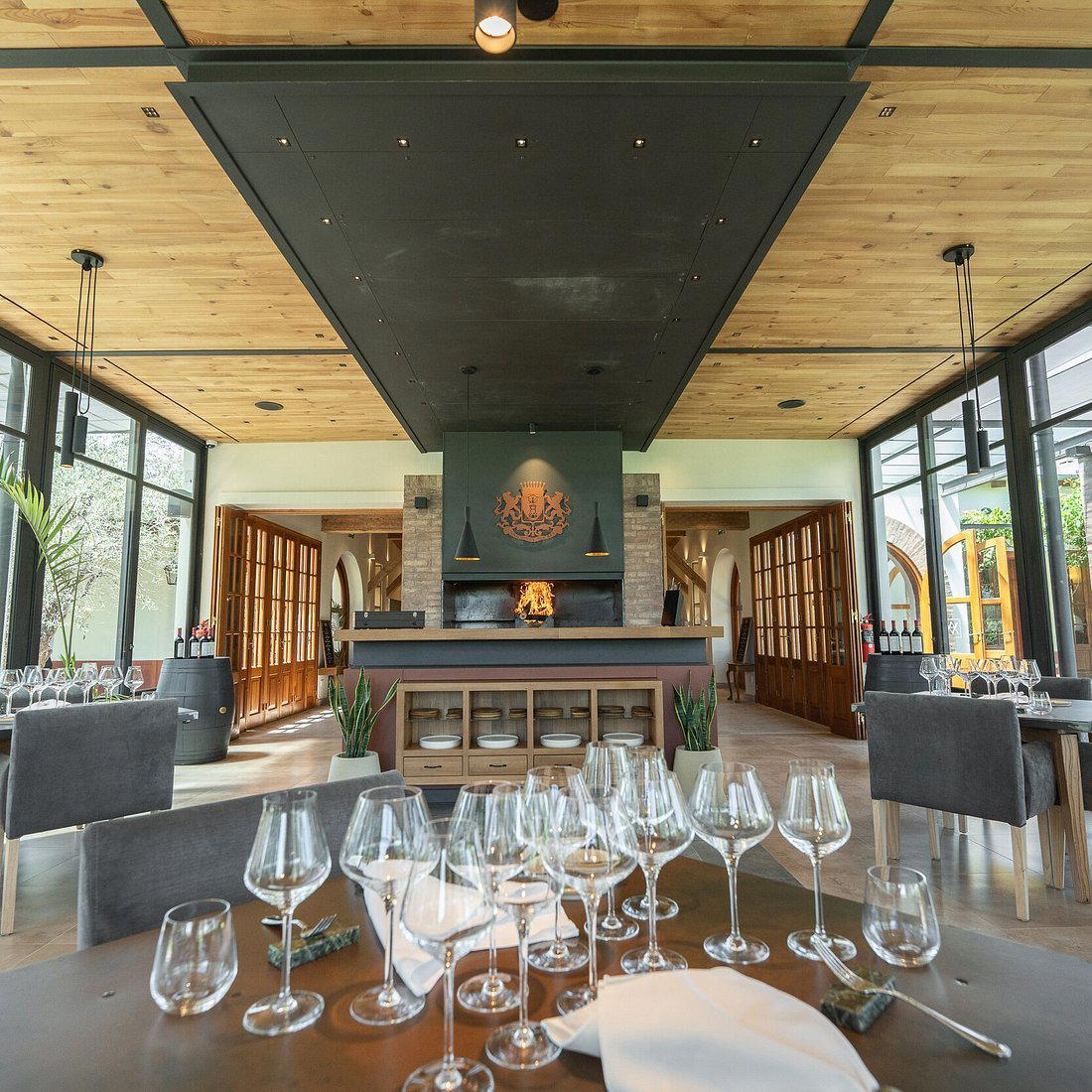
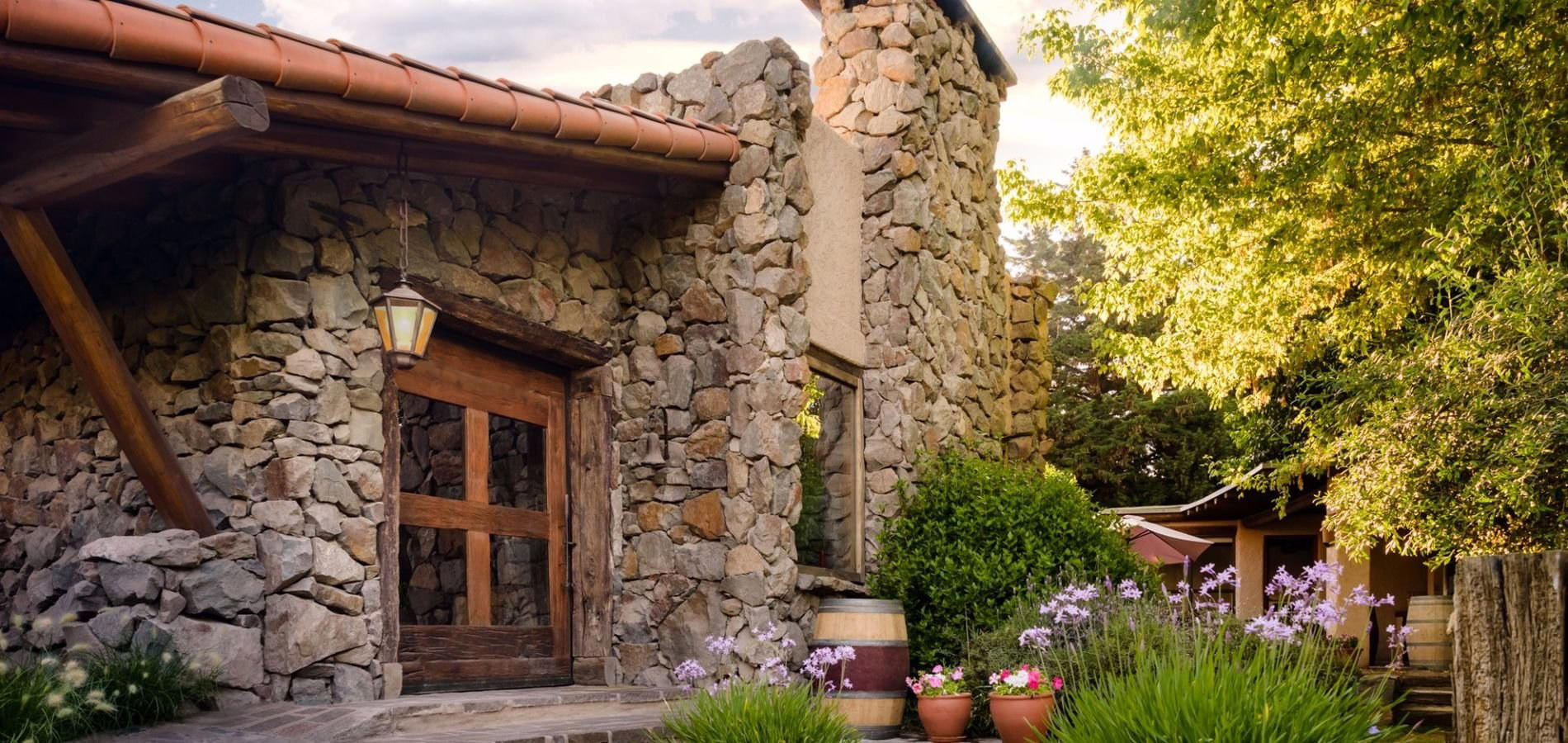
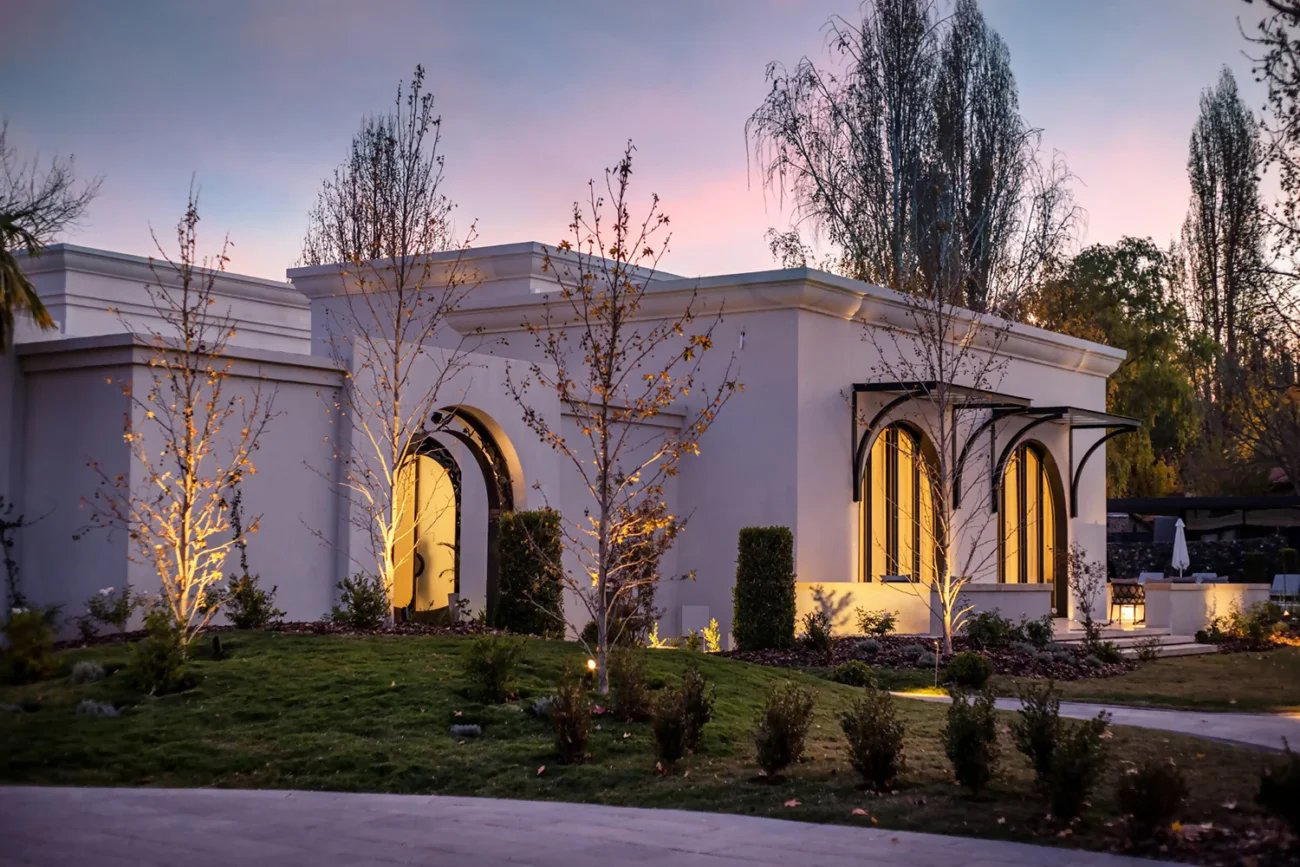
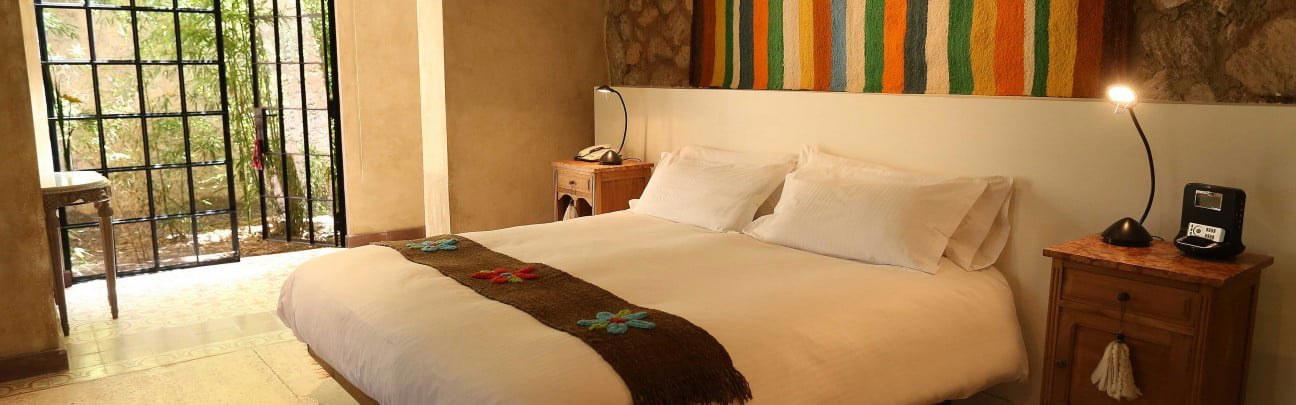
Details
- Rustic
- Historic
- Elegant
- Scenic
- Wine Education
- Group Outing
- Celebration
- Vineyard Tour
- Estate Grounds
- Sustainable
- Organic
- Vineyard
- Malbec
- Cabernet Sauvignon
- Chardonnay
- Merlot
- Syrah
- Tempranillo
- Still Red
- Still White
- Still Rosé
- Gourmet Tasting
- Wine Tasting
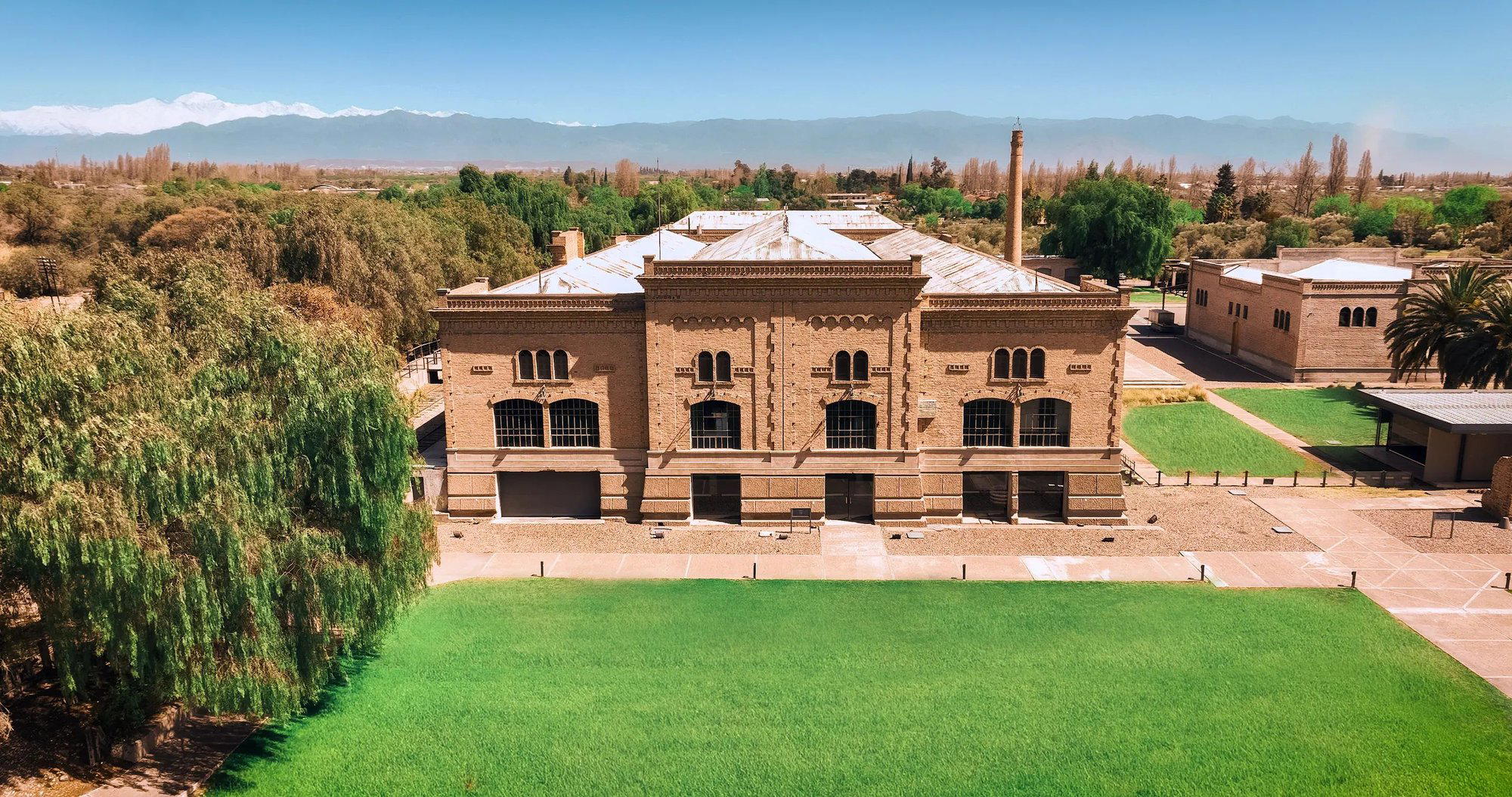
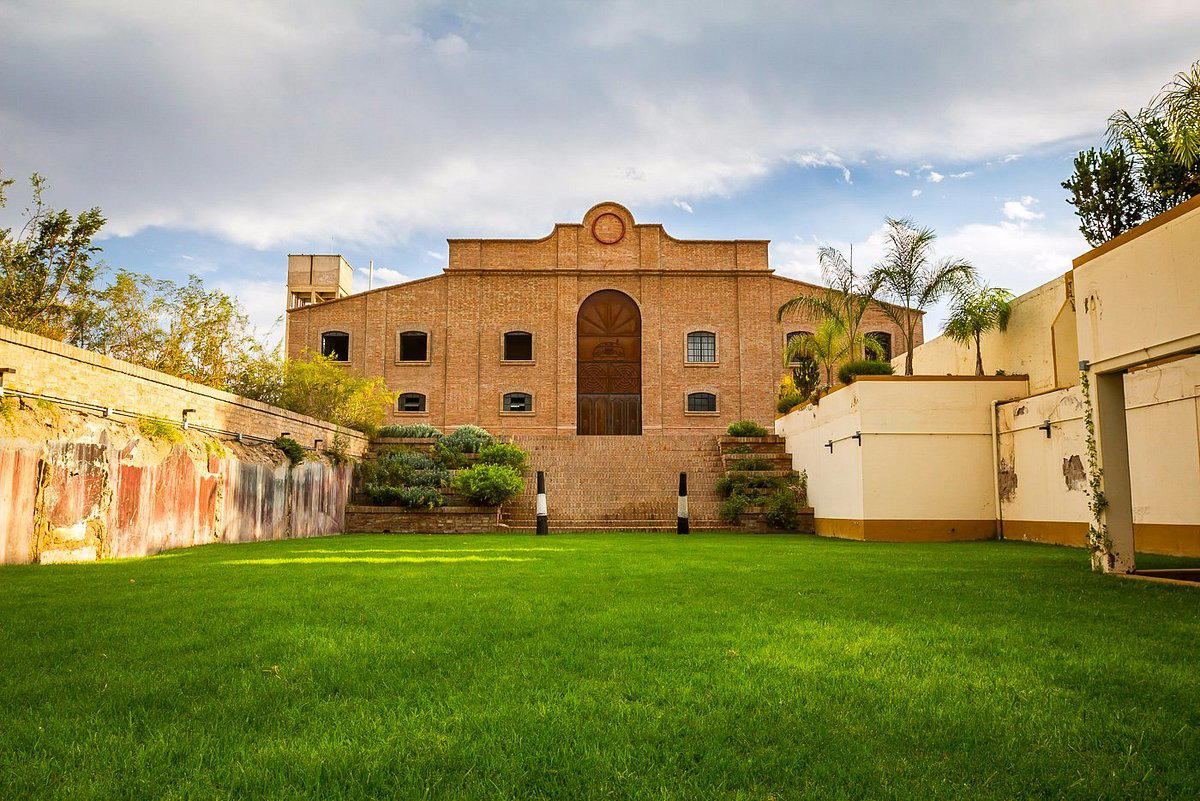
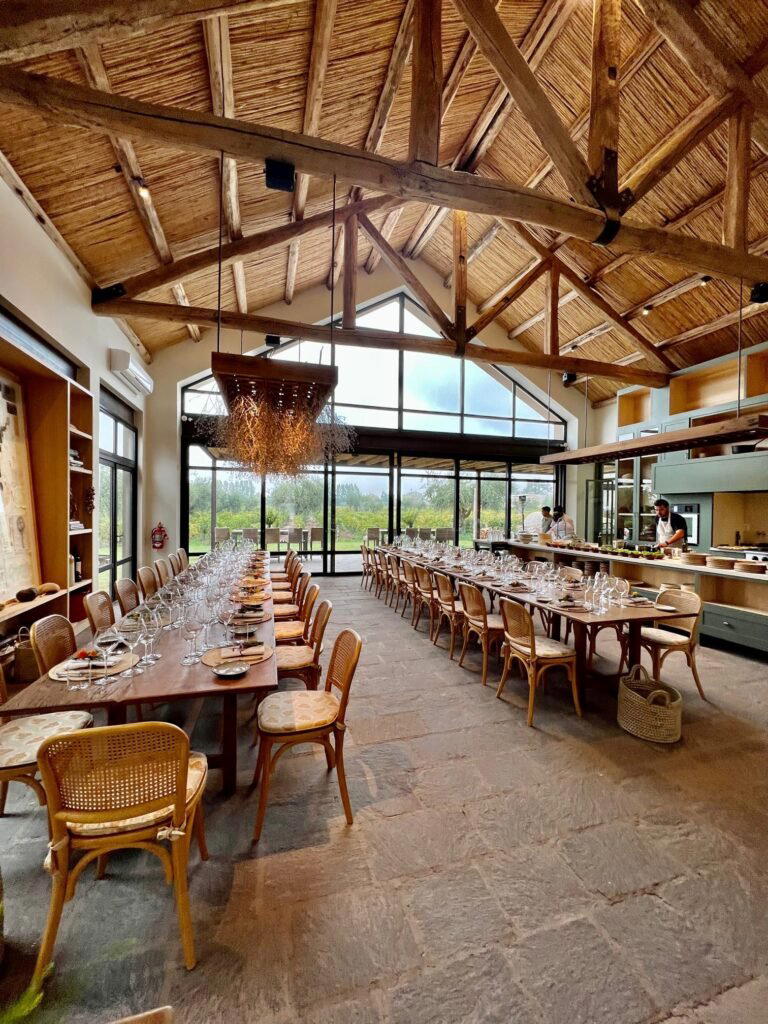
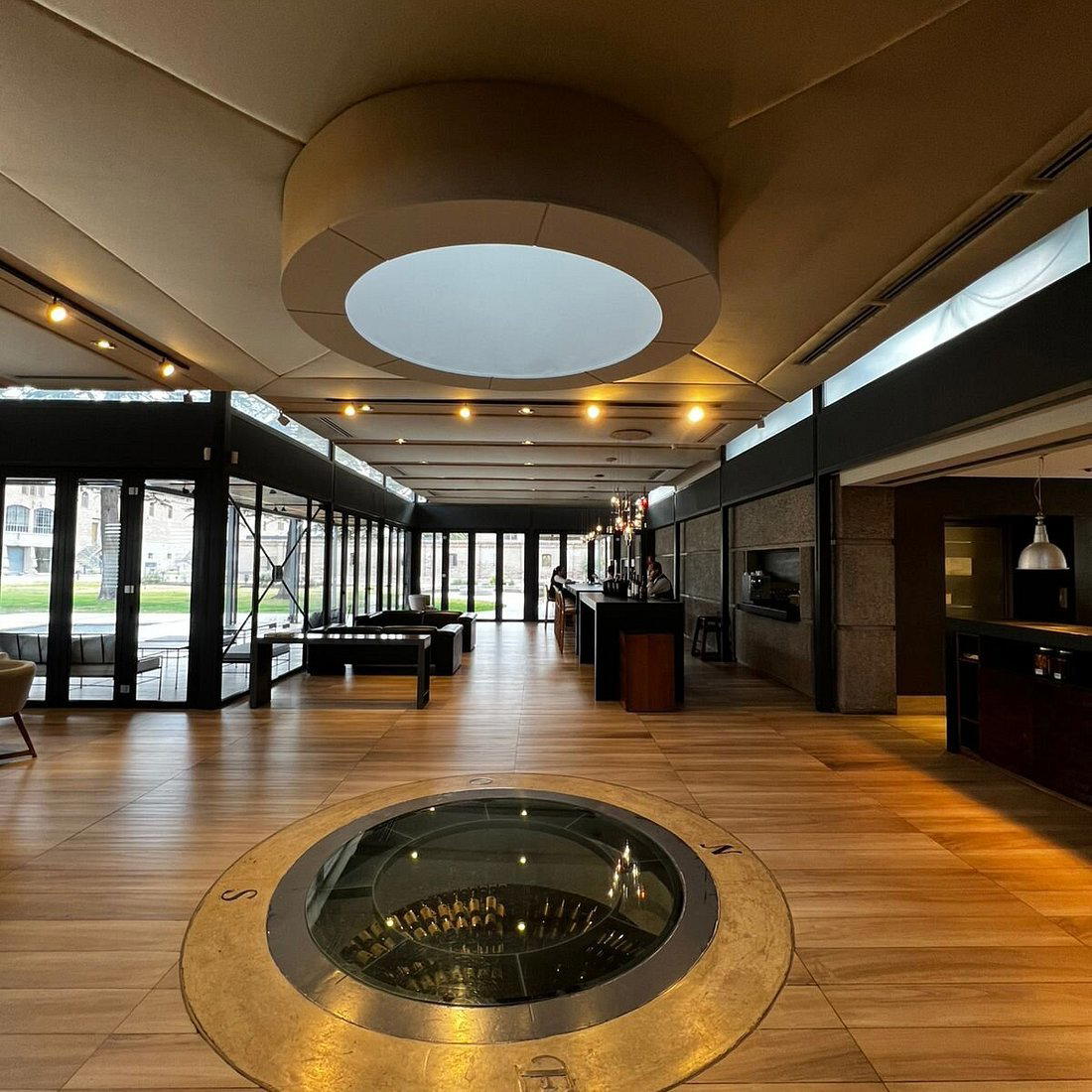
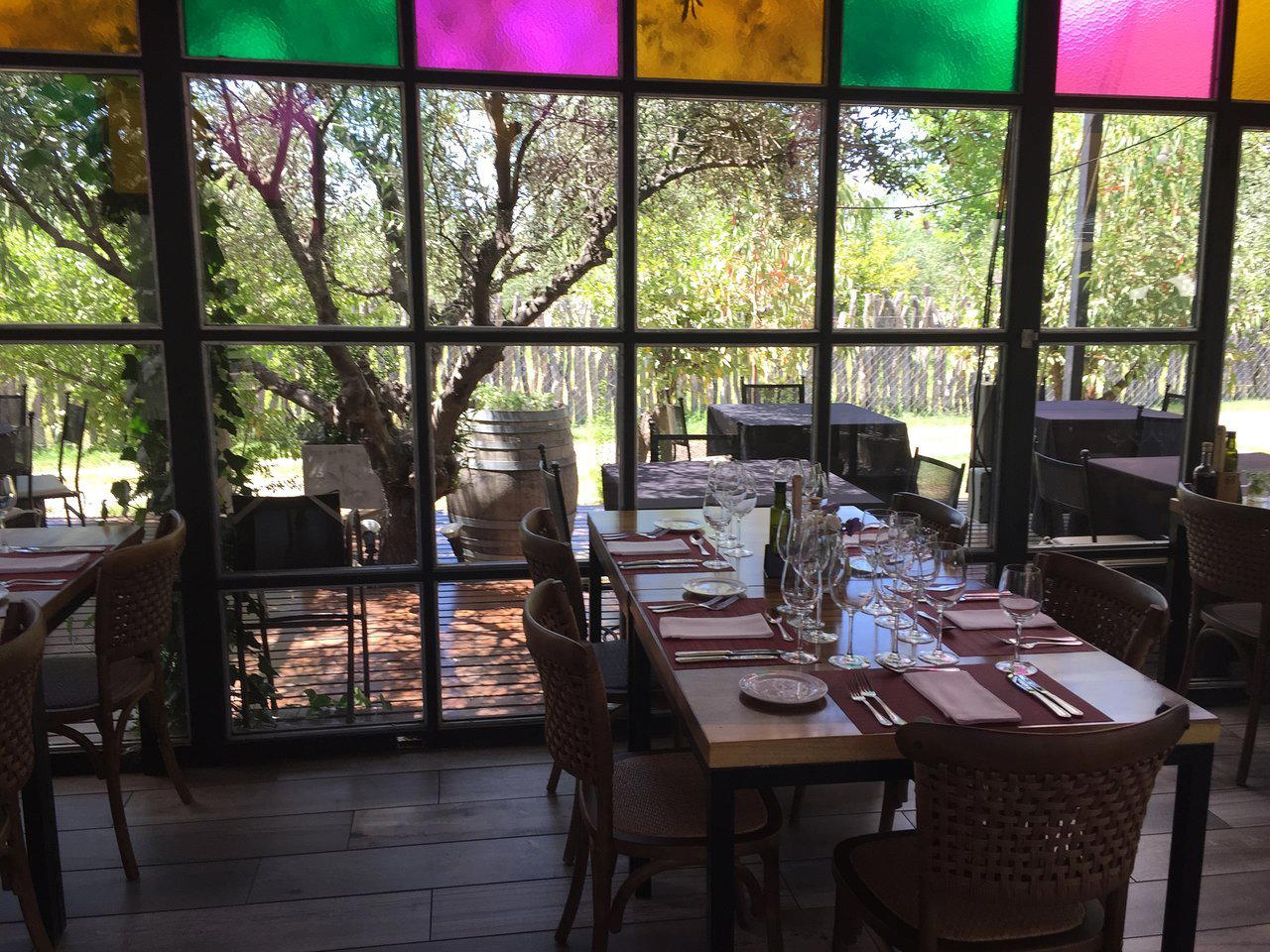
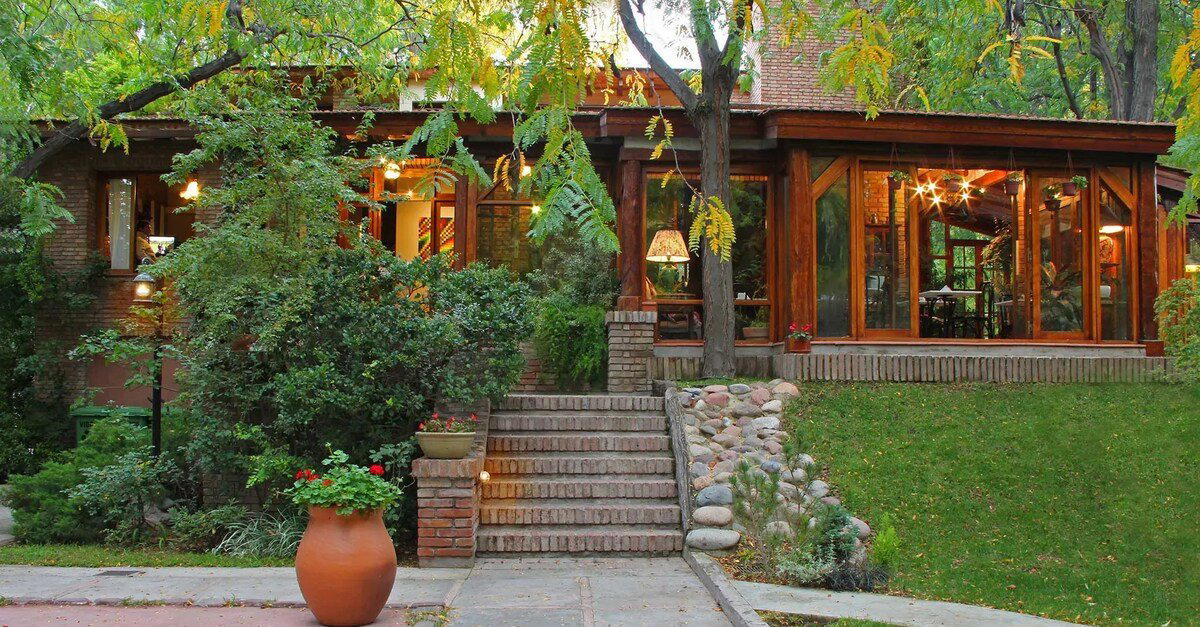
Harmonious blend of historic neo-renaissance architecture and modern facilities, offering a relaxed, enchanting atmosphere amid vine-covered landscapes.