Our verdict
La Cabrera Mendoza brings the Buenos Aires parrilla tradition to Argentina's wine capital, placing it at Primitivo de la Reta 1015 in the heart of a city where the asado and the Malbec glass are inseparable. The format leans into Cuyo's cattle and agriculture rather than imported protein, making the sourcing argument as local as the wine poured alongside it. For visitors mapping Mendoza's dining scene, it sits in a mid-to-upper bracket that includes both tradition-led and modern-cuisine tables.

Pearl is the En Primeur Club membership app, where members save venues, book tables and use the concierge.
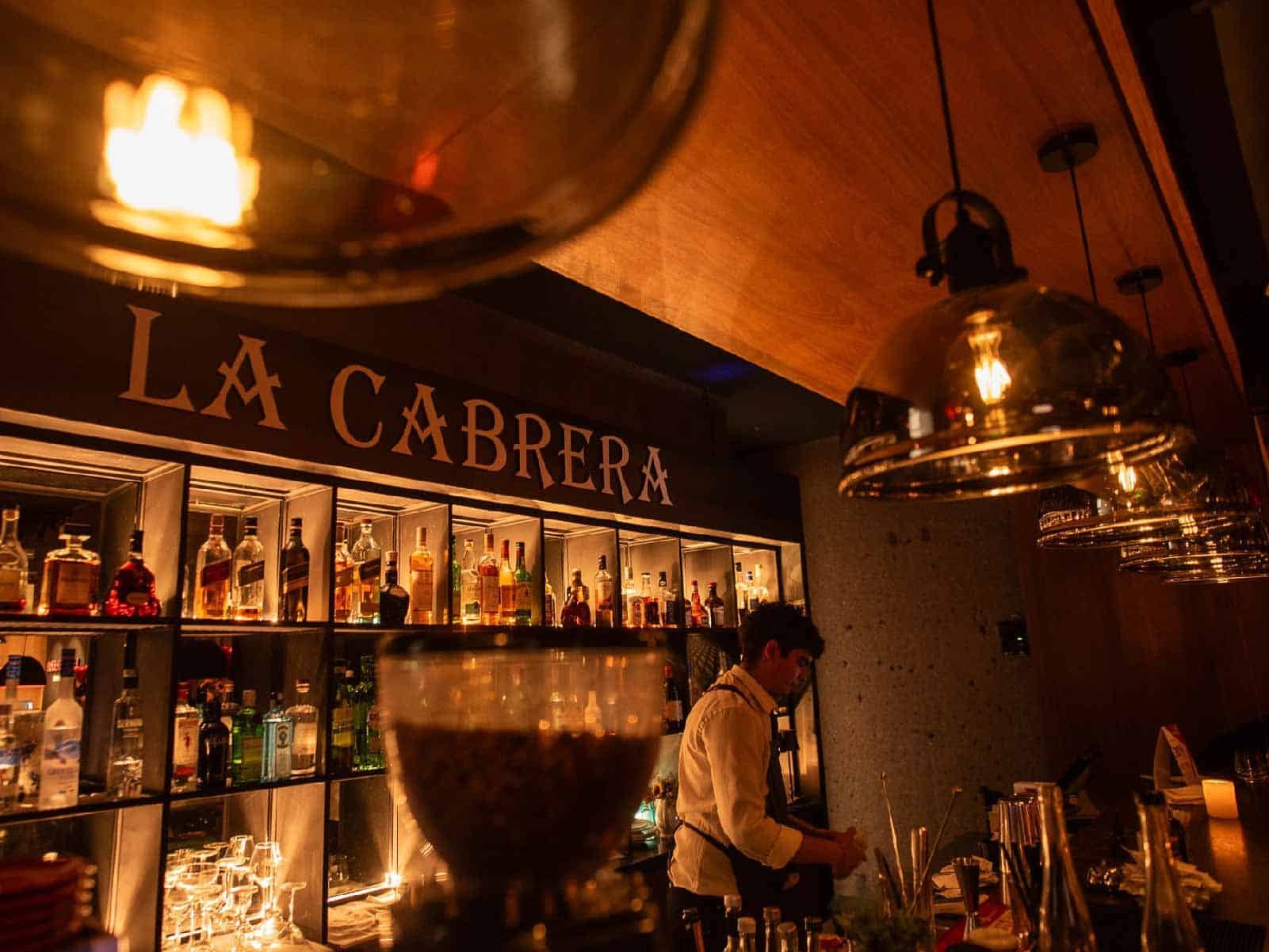
Where the Meat Comes From
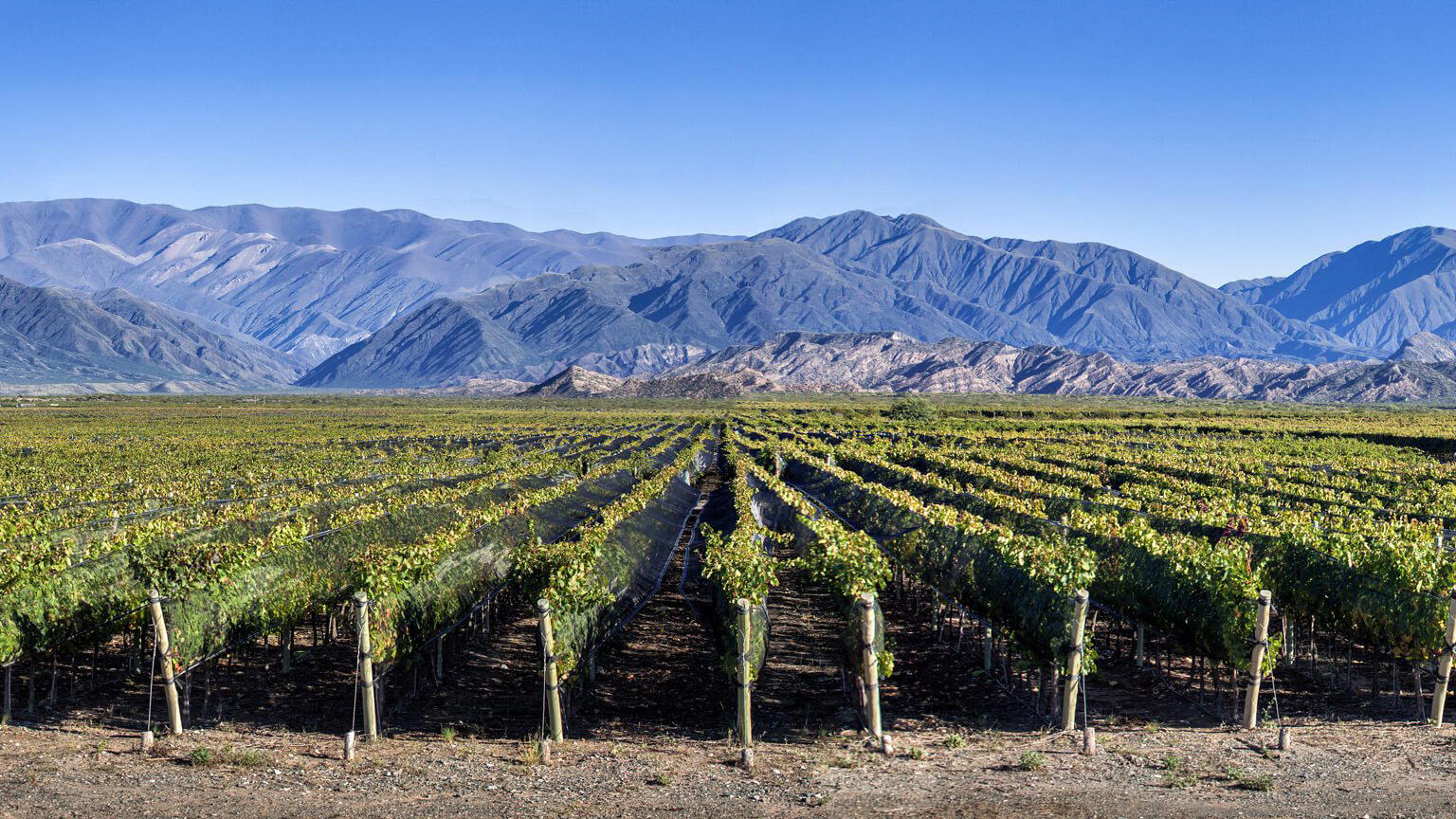
Mendoza's identity in international food culture is almost entirely shaped by its wine, but the region's ranching tradition runs just as deep. The Cuyo zone sits at the eastern edge of the Andes, with high-altitude grazing land and a dry, clean climate that produces well-marbled, grass-fed cattle with a flavour profile distinct from the Pampas beef most Buenos Aires parrillas rely on. La Cabrera Mendoza, located at Primitivo de la Reta 1015, operates in that context: a franchise extension of the original Buenos Aires institution, now anchored in a city where the relationship between land, protein, and fire has its own regional logic.
Argentina's parrilla tradition is broadly understood outside the country as a single category, but within it there are meaningful distinctions. Buenos Aires parrillas like the original La Cabrera and Don Julio in Buenos Aires built their reputations on Pampas sourcing and the culture of the long, slow asado. In Mendoza, that tradition meets a different agricultural supply chain, one where the wine region's culinary scene has developed its own farm-to-table shorthand, and where proximity to producers is less a marketing exercise than a logistical reality.
The Scene at Primitivo de la Reta
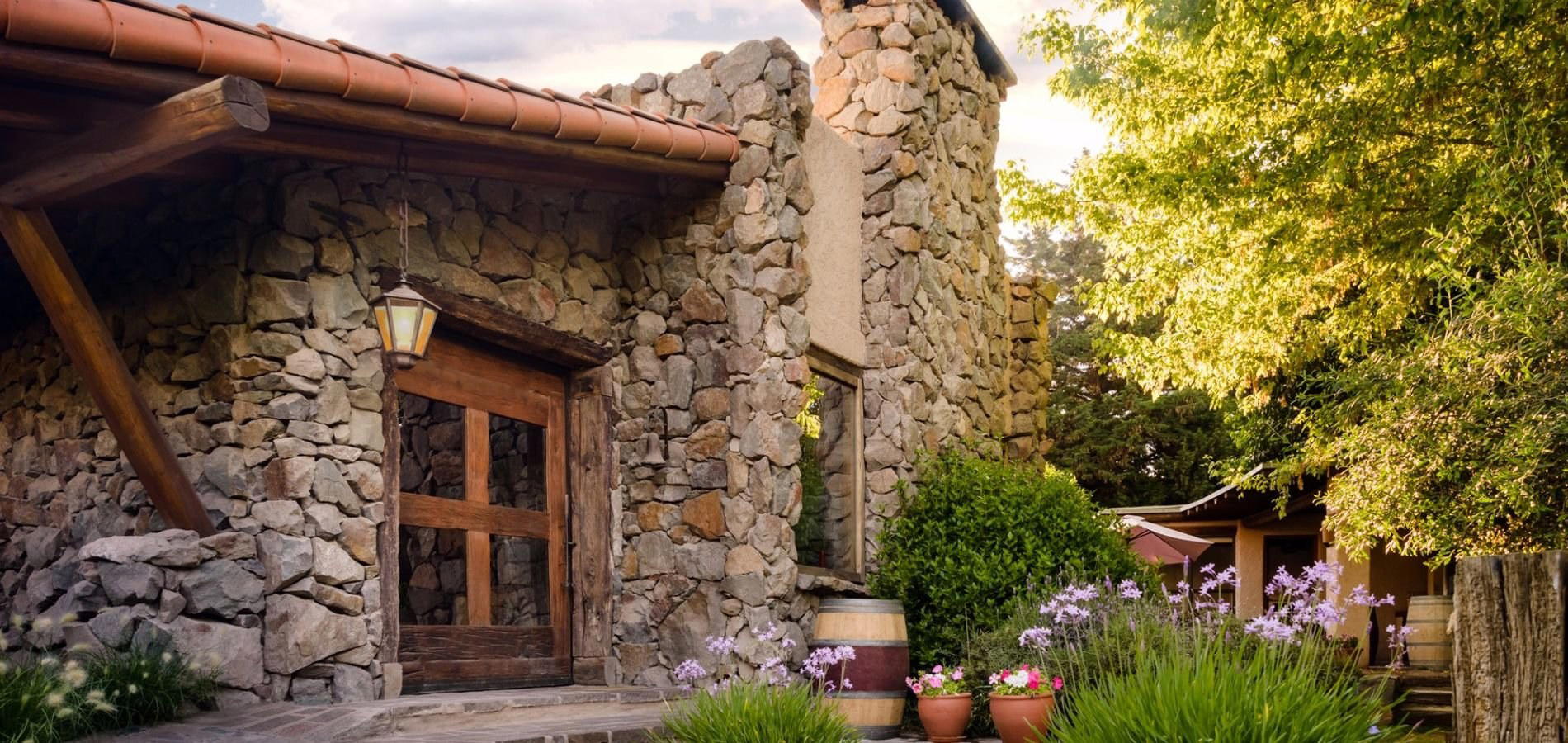
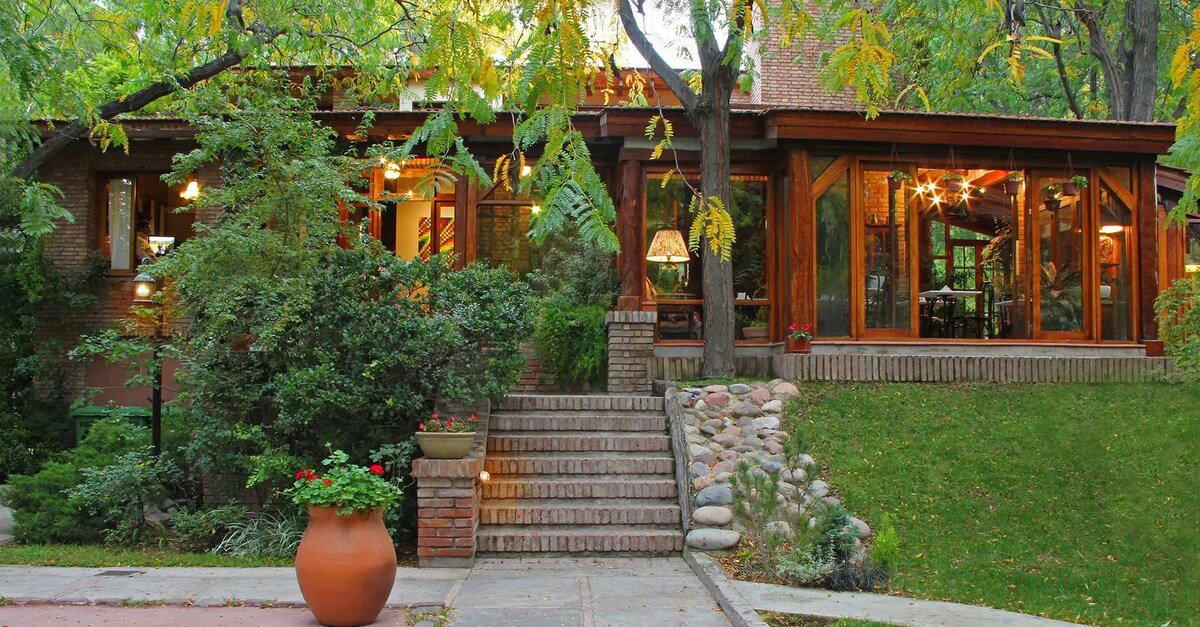
The physical address places La Cabrera Mendoza inside the city's established dining corridor, within reach of the wine bars and modern kitchens that have made Mendoza a serious destination for Argentine food beyond the bodega lunch. Approaching the building, the sensory cues are the same as any serious Argentine parrilla: smoke rising, the low crackle of wood fire, the sharp mineral smell of charred fat on iron. These are not ambient details; they are structural to the format.
The Buenos Aires original built its reputation partly on theatre: the parade of small accompaniments, the generously portioned cuts, the neighbourhood buzz that filled the room regardless of the hour. Whether the Mendoza outpost replicates that specific energy is harder to assess without direct observation, but the format inherited from the parent brand positions it as a high-volume, high-protein operation rather than a restrained tasting-menu exercise. That places it in a different register from Mendoza's more conceptual tables like Angélica Cocina Maestra or Casa Vigil, both of which sit at the $$$$ tier and lead with craft and creative ambition.
Mendoza's Parrilla Tier and Where This Fits
Mendoza's restaurant scene in 2024 has sorted itself into recognisable clusters. At the leading, you find modern-cuisine and contemporary tables: Azafrán and Angélica Cocina Maestra at $$$$, alongside Casa Vigil and the Francis Mallmann address 1884. Sitting one price tier lower, Brindillas at $$$ represents the modern-cuisine middle ground. The parrilla category, including the La Cabrera brand, occupies a more accessible price point while still drawing visitors who have read the Buenos Aires original into their research.
This matters for sourcing reasons as much as competitive ones. At the $$$-$$$$ tier in Mendoza, ingredient provenance is increasingly the story that restaurants tell. Riccitelli Bistró frames its seasonal menu around Cuyo producers directly. Regional operations beyond Mendoza city, including Bodega Caelum in Lujan De Cuyo and Casa del Visitante in Fray Luis Beltrán, build their identity around bodega-adjacent dining where the ingredient story and the wine story are intertwined. La Cabrera's version of that story runs through its parent brand's established methodology: generous cuts, tableside sides, and a cooking approach rooted in the Argentine asado canon rather than a locally-authored tasting format.
For visitors who want to understand Mendoza's full dining range before committing to a table, the EP Club Mendoza restaurants guide maps the scene across all price tiers and formats.
Argentina's Broader Fire-Cooking Tradition
The La Cabrera brand's expansion from Palermo to Mendoza reflects a broader pattern in Argentine dining: the parrilla as an exportable format, one whose identity travels because the ritual, not just the food, is the product. Argentina's asado culture is well-documented anthropologically: the extended social meal, the hierarchy of cuts, the insistence on wood rather than gas. Internationally, that tradition has found its clearest high-end expression in Francis Mallmann's work, which has been covered extensively in named publications. The La Cabrera model sits at a different point on that spectrum: democratised rather than performative, consistent rather than experimental.
For comparison, Argentina's fire-cooking tradition has counterparts across the region. Alto el Fuego in Bariloche applies the open-fire format in a Patagonian context, where the sourcing landscape shifts toward lamb and game. Camarón Bombay in Puerto Madryn takes the coastal Argentine tradition in a different direction entirely. The parrilla category, as represented by La Cabrera, sits at the beef-forward, urban core of that national conversation.
Planning a Visit
La Cabrera Mendoza is located at Primitivo de la Reta 1015 in central Mendoza, accessible from the main pedestrian zone and the city's established hotel cluster. Mendoza's dining season peaks during harvest (March-April) and again in the southern hemisphere summer (December-February), when visitor density is highest and tables at well-known addresses fill faster. Given the brand's reputation from Buenos Aires, it draws an international visitor base alongside local diners, so booking ahead is the more reliable approach, particularly on weekend evenings during peak season.
For visitors building a broader Mendoza itinerary that extends beyond the city, Deli Arepa Food in Godoy Cruz, Kaia Omakase Nikkei Experience in Villa Rosa, and Casa de Campo in General Ortega offer different angles on the region's food culture, from casual Venezuelan-Argentine to Japanese-Peruvian to homestyle Argentine. In the city itself, Belgrano and Perú in Las Heras represents another neighbourhood entry point worth factoring into a multi-night visit.
If Mendoza becomes a base for wine-country exploration, the southern hemisphere comparison is instructive: as Le Bernardin in New York and Atomix in New York illustrate, cities with a defined culinary identity tend to develop a full vertical of dining options, from neighbourhood staples to destination tables. Mendoza is now well along that curve, and La Cabrera sits in the lower-middle of that vertical: a recognisable brand with a clear format in a city that has built enough dining depth to give it meaningful context.
Frequently asked questions
What part of town is La Cabrera Mendoza in?
La Cabrera Mendoza is located at Primitivo de la Reta 1015, M5500 Mendoza, Argentina, Mendoza.
How does La Cabrera Mendoza compare to dining at a traditional Mendoza bodega restaurant?
Bodega restaurants in Mendoza, such as those at Zuccardi or Achaval Ferrer, pair estate wines with chef-driven menus designed around terroir. La Cabrera at Primitivo de la Reta 1015 operates from a different premise: an urban parrilla rooted in Buenos Aires fire-cooking culture rather than vineyard hospitality. The two formats serve different purposes, one for a working lunch among vines, the other for an evening centred on Argentine beef in the city's established dining corridor.
What's the must-try dish at La Cabrera Mendoza?
La Cabrera built its reputation across Argentina on beef cuts cooked over open fire, and the Mendoza location operates within that same parrilla tradition. The menu centres on Argentine asado formats, whole cuts, offal, and accompaniments that reflect the region's ranching roots. Specific dishes are confirmed only by visiting the current menu at the restaurant on Primitivo de la Reta 1015.
Should I book La Cabrera Mendoza in advance?
La Cabrera's Buenos Aires locations regularly draw queues, and the Mendoza outpost benefits from the same brand recognition among visiting wine tourists and Argentines alike. Reservations are advisable, particularly during Mendoza's peak harvest season (March to April) when central-city restaurants fill quickly. check the venue's official channels at Primitivo de la Reta 1015 to confirm current booking procedures.
What do critics highlight about La Cabrera Mendoza?
The La Cabrera brand earned its critical standing in Palermo through generous cut portions and precise fire management rather than fine-dining theatrics. In Mendoza's 2024 dining tier, it occupies the upper end of traditional parrilla alongside wine-country restaurants rather than competing with modernist tables like Azafrán. No specific awards are currently documented for the Mendoza location.
Is La Cabrera Mendoza allergy-friendly?
Argentine parrilla menus are structured around beef, offal, and grilled proteins, which naturally limits cross-contamination risk for many common allergens, though side dishes and sauces vary.
Quick Comparison
Comparable venues nearby, for context on price, style, and recognition.
| Venue | Cuisine | Price | Awards | Notes |
|---|---|---|---|---|
| La Cabrera MendozaThis venue (the venue you are viewing) | Argentine Parrilla Steakhouse | Not listed | Not listed | Not listed |
| Abrasado | Modern Argentine Steakhouse with Dry-Aged Meats | Not listed | Michelin Plate | Guaymallén |
| 1884 Mallmann | Argentine Parrilla & Traditional Grilled Cuisine | $200–300 | Michelin Plate · World's 50 Best #45 | Godoy Cruz |
| Los Bocheros | Argentine Parrilla with Wine Pairings | $100–150 | Michelin Plate | Las Compuertas, Luján de Cuyo |
| Tasca de la Plaza | Spanish Tapas | Not listed | Not listed | Guaymallén |
| Fabric Sushi Mendoza | Japanese Sushi Fusion | $20–30 | Not listed | Mendoza |
Continue exploring
More in Mendoza
Restaurants in Mendoza
All restaurants in Mendoza →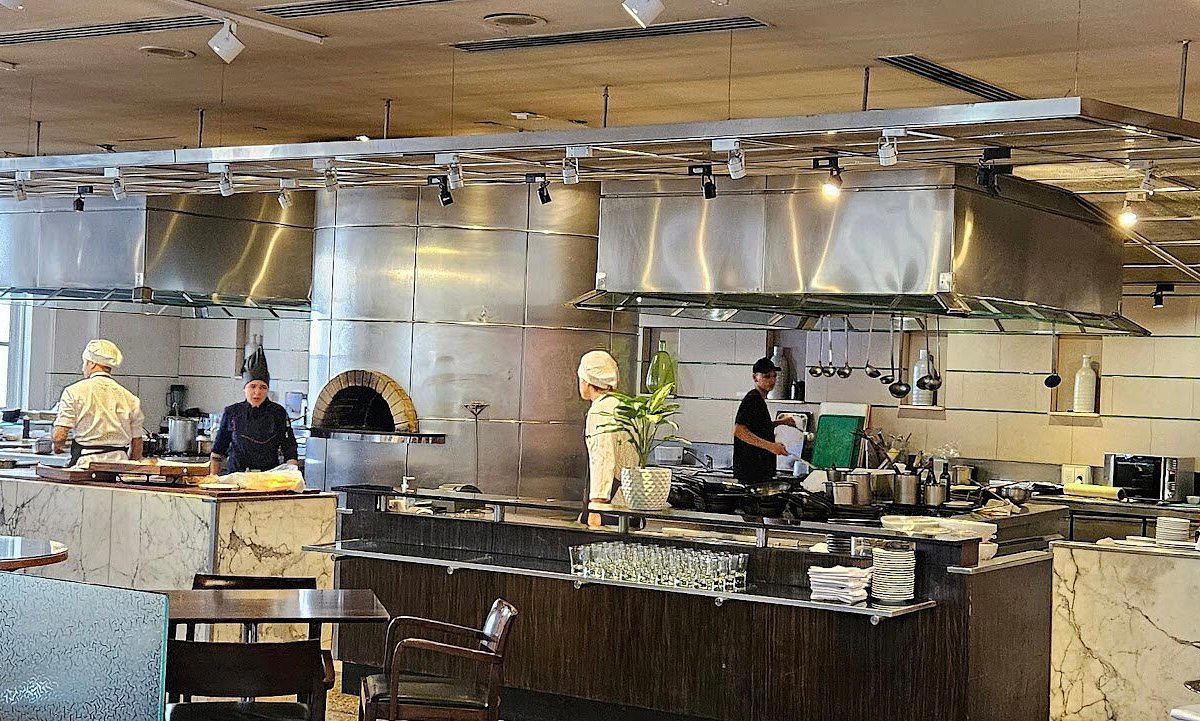
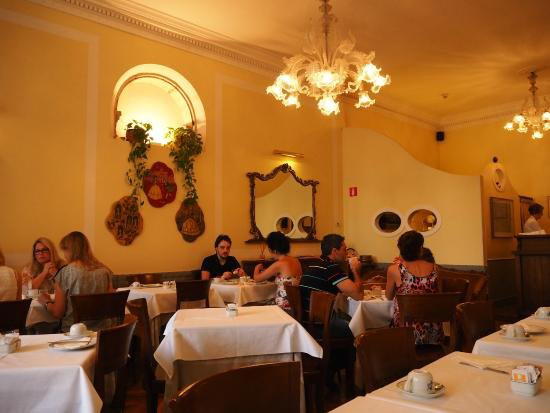
Bars in Mendoza
All bars in Mendoza →
Details
- Elegant
- Lively
- Sophisticated
- Date Night
- Business Dinner
- Celebration
- Special Occasion
- Open Kitchen
- Extensive Wine List
- Vineyard
- A La Carte
- Malbec
Current opening hours
- Monday
- 12:30–4 PM, 8–11:30 PM
- Tuesday
- 12:30–4 PM, 8–11:30 PM
- Wednesday
- 12:30–4 PM, 8–11:30 PM
- Thursday
- 12:30–4 PM, 8–11:30 PM
- Friday
- 12:30–4 PM, 8–11:30 PM
- Saturday
- 12:30–4 PM, 8–11:30 PM
- Sunday
- 12:30–4 PM, 8–11:30 PM
Hours can change for holidays and private events. Hours as of .
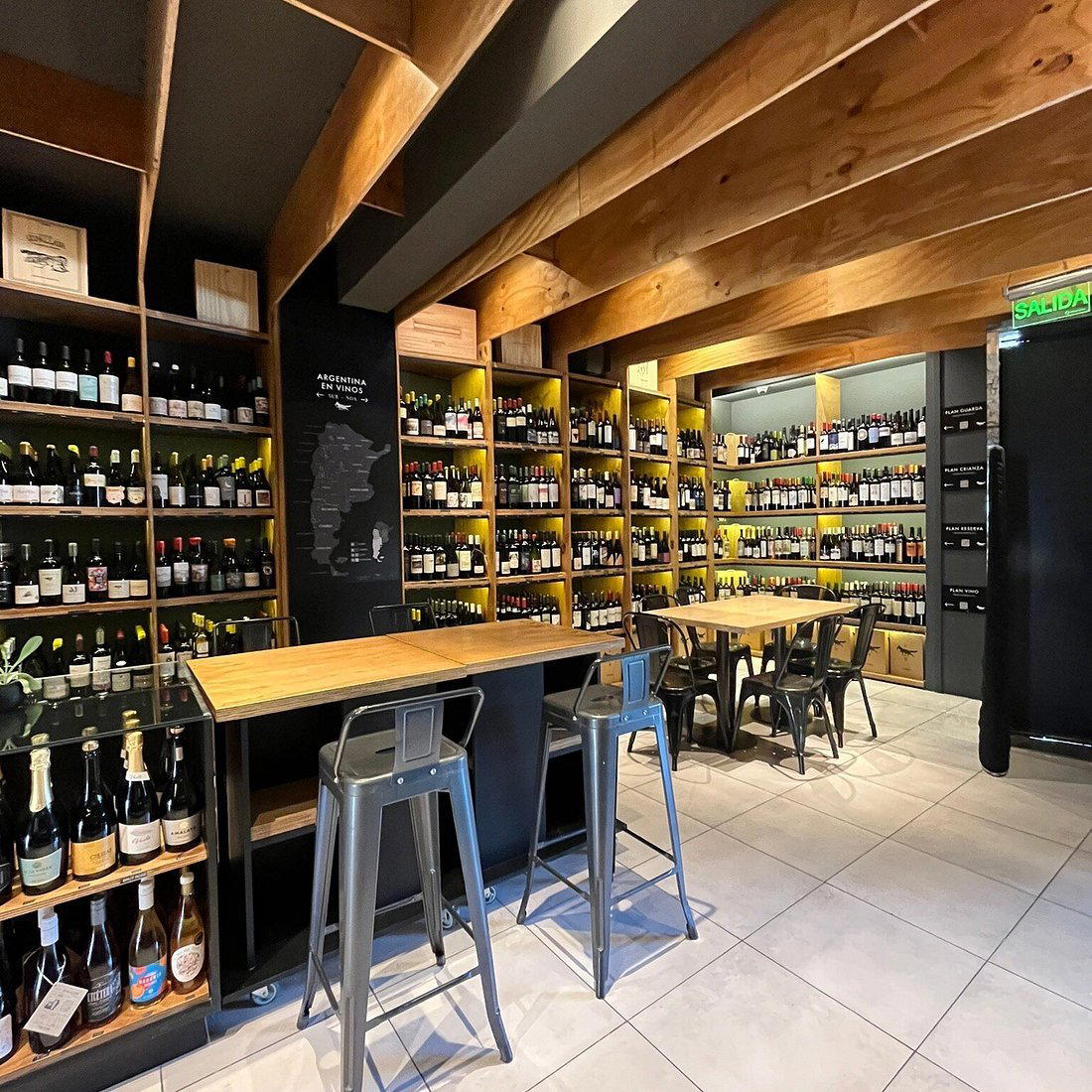
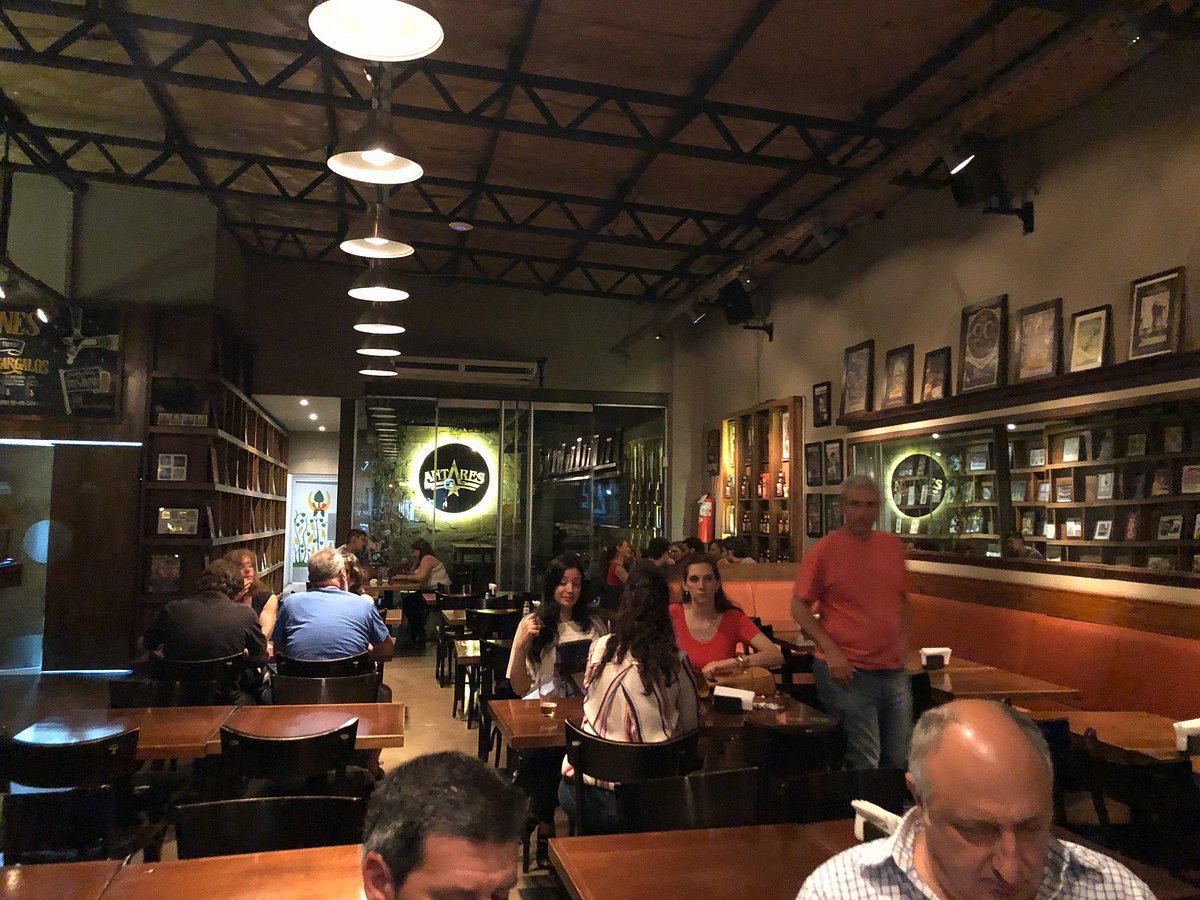
Distinguished atmosphere with sensory engagement through aromas of grilled meats and elegant, lively dining space.