
Tabelog 100 #34
Our verdict
Yun Ki puts Hong Kong-style congee and handmade dim sum into Kobe’s Motomachi orbit, a neighbourhood where casual dining can be as serious as any formal counter. Its Tabelog Chinese WEST 100 selection in 2026, compact 25-seat scale, and accessible pricing make it a useful address for travellers reading Kobe beyond beef and coffee culture.

Pearl is the En Primeur Club membership app, where members save venues, book tables and use the concierge.
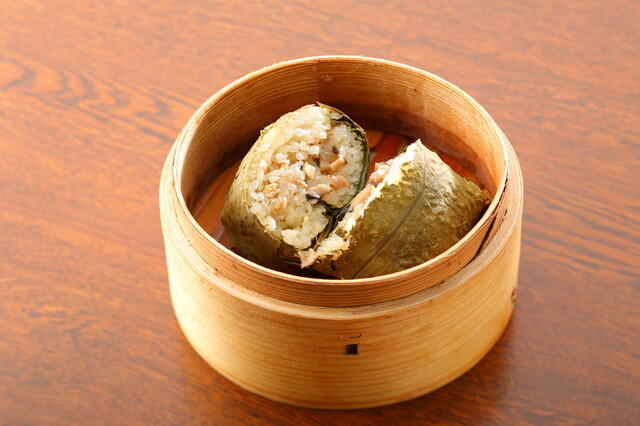
The menu
What to order
- Traditional congee simmered for three hours
- Handmade dim sum
- Soup dumplings
- Dim sum courses from JPY 3,000
Kobe rewards diners who pay attention at street level. The city shifts quickly from department-store polish to restaurants, coffee rooms, and Chinese cooking, a pattern often discussed through Kobe’s port-city character and the city’s long relationship with overseas foodways. In that setting, Yun Ki is best read through the facts available for it: a Kobe restaurant listed for dim sum and yum cha, and Chinese, with recognition that gives the address more than passing interest.
Kobe dining is often reduced to beef, and the city has earned that shorthand. Travellers comparing local meat rooms might look to the city’s higher spend bracket represented by Miyasu. Kobe tells a wider story. Coffee culture has its own old-city rhythm at Motomachi Kissa, while everyday dining sits beside cafés such as Mamounia and comparable Chinese addresses such as Rakkanki and Juntoku. Yun Ki’s relevance comes from sitting inside that wider field while carrying a formal signal: selection for Tabelog 100 - Chinese cuisine - WEST - 2026.
Kobe's Chinese cooking is strongest at small scale
Japanese cities often place Chinese food across two poles: celebratory dining rooms and quick casual counters. Kobe adds another layer because Chinese cooking here is tied to port-city exchange rather than trend-cycle novelty. Dim sum and yum cha are especially telling forms, since they depend on repetition, timing, and dough work more than theatrical framing. Yun Ki’s public profile centres on dim sum and yum cha, categories that read modestly on paper but can be demanding in practice.
The restaurant’s credential is unusually specific for this price tier: selection for Tabelog 100 - Chinese cuisine - WEST - 2026. That matters less as ceremony than as context. In Japan, Chinese restaurants often adapt seasoning and format to local dining habits; here, the recognition explains why the room belongs in the dim sum and yum cha conversation rather than the broader, vaguer category of casual Chinese. The 2026 Tabelog Chinese WEST 100 selection reinforces that placement, especially because the list is regional rather than Kobe-only.
The price position is also part of the appeal. Dinner is listed around JPY 3,000 to JPY 3,999, with lunch up to JPY 999 in the main price field, placing the restaurant in an approachable Kobe dining band rather than the city’s more formal destination-dining bracket.
Dim sum and yum cha make a different Kobe itinerary
A meal built around dim sum and yum cha changes the pace of a Kobe day. It suits the city because Kobe already encourages short walks, café intervals, and food-led detours rather than a single grand plan. Yun Ki is best understood as part of that flexible dining rhythm, workable within a day that moves between shopping, cafés, and other food stops without treating dinner as a cross-city project.
The restaurant’s profile places the experience closer to a focused local meal than a high-ceremony stop. The appeal is not scale for its own sake, but the way a Chinese kitchen can anchor a flexible Kobe itinerary. For travellers, the practical approach is simple: treat Yun Ki as a focused meal rather than a full-evening production, and plan the rest of the day around the city’s wider mix of cafés, bars, and casual dining.
For a broader Kobe itinerary, Yun Ki works as the Chinese-food counterweight to several other local patterns. Other Kobe dining rooms give different ways into the city’s dining culture, while the city’s wider restaurant scene points to Kobe’s range beyond Japanese and Chinese categories. Readers building a full day should use Our full Kobe restaurants guide first, then decide whether the day needs hotels, drinking, wine, or activities through Our full Kobe hotels guide, Our full Kobe bars guide, Our full Kobe wineries guide, and Our full Kobe experiences guide.
Who should put this on a Kobe dining map
This is the right address for travellers who want Kobe’s food culture without making beef the entire thesis. The decision is especially clear for diners who value awards as a filter but do not want the spend, dress, or duration of a formal tasting menu. A Tabelog 100 Chinese WEST selection, a 3.70 Tabelog score, and a modest price band create a credible signal without pushing the meal into ceremony.
It is less about a long wine-led evening or a luxury-room experience than about focused Chinese cooking at approachable scale. The restaurant’s centre of gravity is dim sum and yum cha. The smarter comparison is not with luxury Chinese dining; it is with the Kobe rooms where regulars, city proximity, and craft technique carry the meal. That is why Yun Ki earns attention: it gives Kobe a serious Chinese address at a scale that still feels suited to the city.
Travellers extending the same editorial logic beyond Kobe can compare how modest-format dining works elsewhere in Japan and abroad: beef in a different city context, urban casual seafood and grill culture, café-format dining, regional restaurants outside the major tourist circuit, non-Japanese cooking shaped by local demand, specialist comfort food, Japanese drinking culture abroad, and narrow-format dining rooms where a focused idea carries more weight than size suggests.
Frequently asked questions
Is Yun Ki expensive?
Pricing at Yun Ki is listed as JPY 3,000 - JPY 3,999 - JPY 999.
What's Yun Ki's location?
Kobe.
What's the best way to book Yun Ki?
The simplest approach is to contact Yun Ki directly at +81-78-325-1696 and plan around Kobe.
What has Yun Ki built its reputation on?
Yun Ki was selected for Tabelog 100 Chinese cuisine WEST 2026. Its listed categories are dim sum and yum cha, and Chinese, with a Tabelog score of 3.70.
Is Yun Ki allergy-friendly?
The restaurant’s focus on dim sum and yum cha means ingredient checks matter, especially with dough and fillings. For allergy questions, call +81-78-325-1696 before booking and mention any specific ingredients to avoid.
A Lean Comparison
Comparable venues for orientation by cuisine and category.
| Venue | Cuisine | Price | Awards | Notes |
|---|---|---|---|---|
| Yun KiThis venue (the venue you are viewing) | Traditional Hong Kong-style dim sum & congee | $30–50 | Tabelog 100 #34 | Not listed |
| Motomachi Kissa | Traditional Japanese kissaten & café | $10–20 | Tabelog 100 | JPY 999 - JPY 999 |
| Rakkanki | Chinese Xiaolongbao | $20–30 | Tabelog 100 #88 | JPY 3,000 - JPY 3,999 JPY 1,000 - JPY 1,999 |
| Miyasu | Kobe Beef Steakhouse | $100–150 | Tabelog 100 #35 | JPY 15,000 - JPY 19,999 |
| Mamounia | Seasonal dessert & omelet-rice café with French–Moroccan influences | $10–20 | Tabelog 100 #6 | JPY 1,000 - JPY 1,999 JPY 1,000 - JPY 1,999 |
| Juntoku | Traditional Cantonese restaurant | $30–50 | Tabelog 100 #63 | JPY 3,000 - JPY 3,999 JPY 1,000 - JPY 1,999 |
Recognition history
Dated appearances from independent guides and award organizations, with the underlying list record or original source where available.
Tabelog 100 #34 · No. 34
Tabelog · Tabelog 100 - Chinese cuisine - WEST - 2026
Continue exploring
More in Kobe
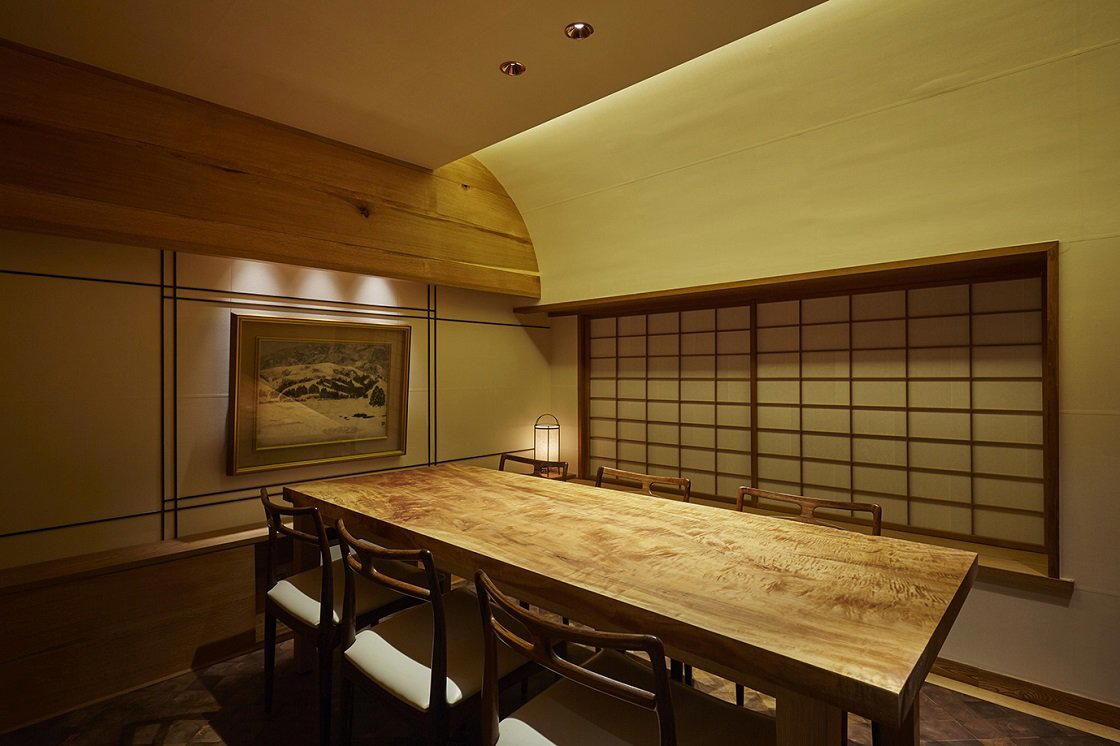
Restaurants in Kobe
All restaurants in Kobe →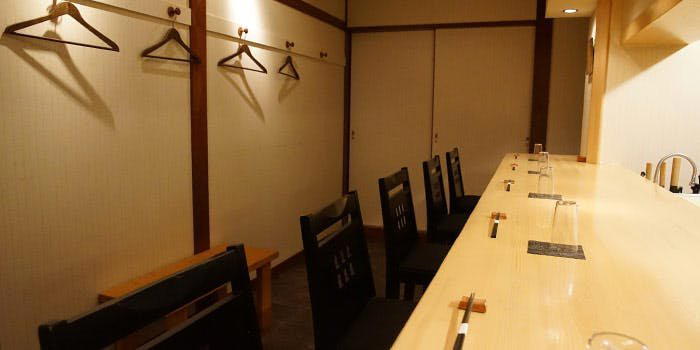
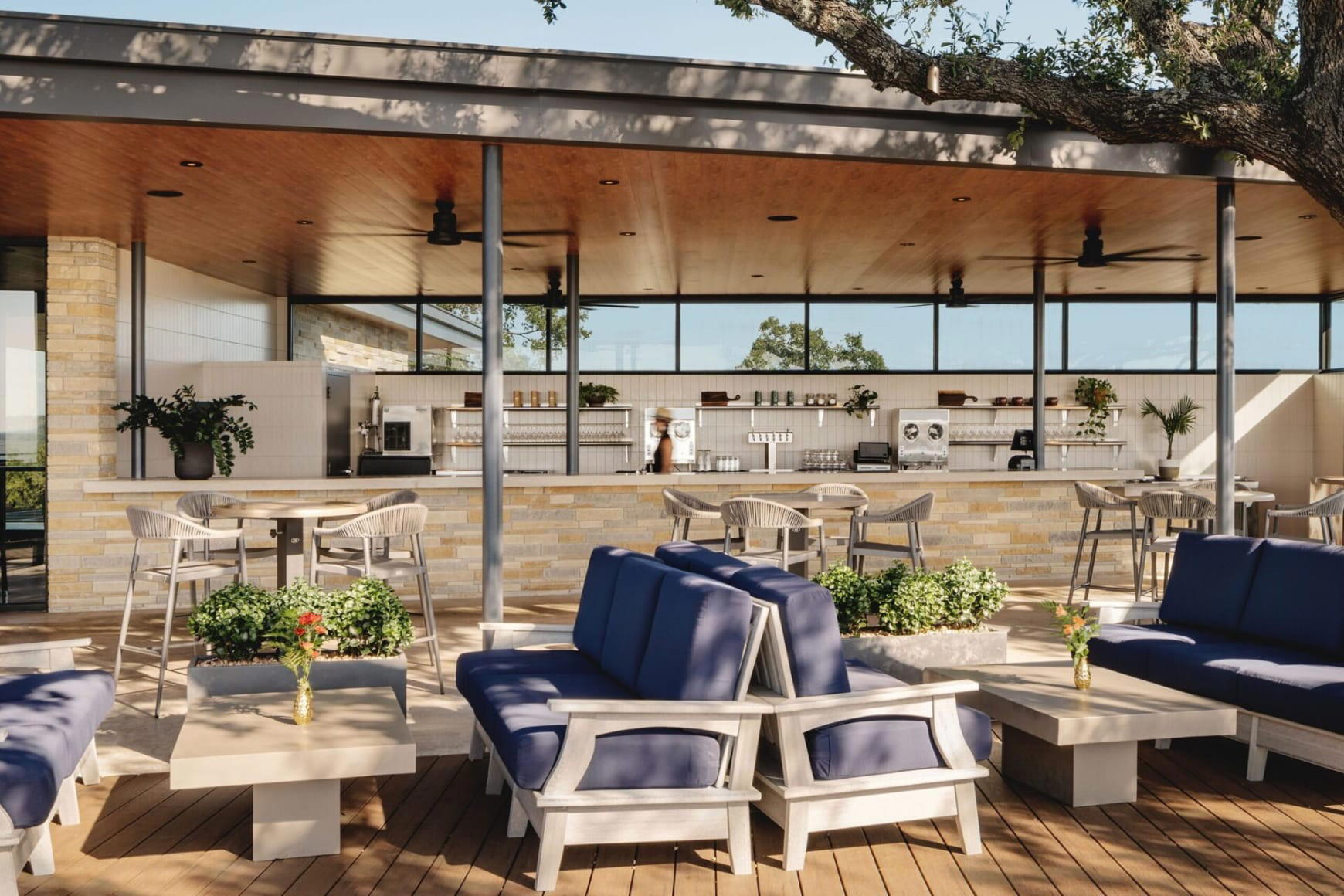
Bars in Kobe
Browse all →




Details
- Cozy
- Casual
- Family
- Casual Hangout
- After Work
- Group Dining
- Solo
- Standalone
- A La Carte
- Small Plates
- Set Menu
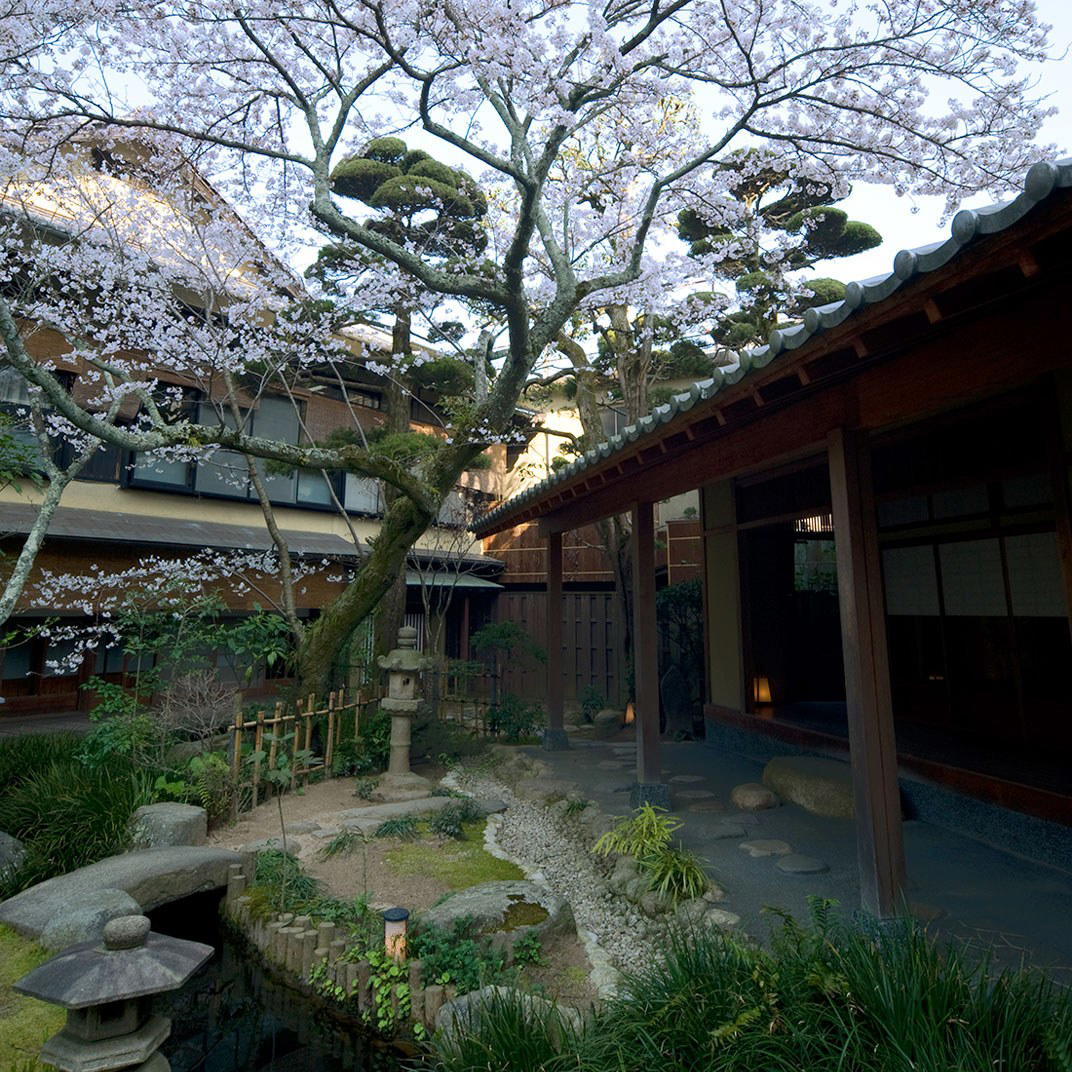
Small, non-smoking and casually cozy dining room that evokes a local Hong Kong eatery, suited to relaxed meals with friends or family rather than formal occasions.