
Takamatsu is better known to travellers for Sanuki udon, but its sweets culture deserves equal attention when local fruit, mochi craft and gift-giving customs come into view. Yume Kabou Takara Kasugachou honten sits in that tradition: a Japanese sweets house with Tabelog 100 recognition for wagashi in western Japan and a format that works as both a stop-in café and a take-away counter.
Pearl is the En Primeur Club membership app — saves, bookings, and concierge access live there. Same editors, same standards.
- Address
- 香川県高松市春日町214
- Phone
- +81878448801
- Website
- e-takara.jp
 Saves & bookings on Pearl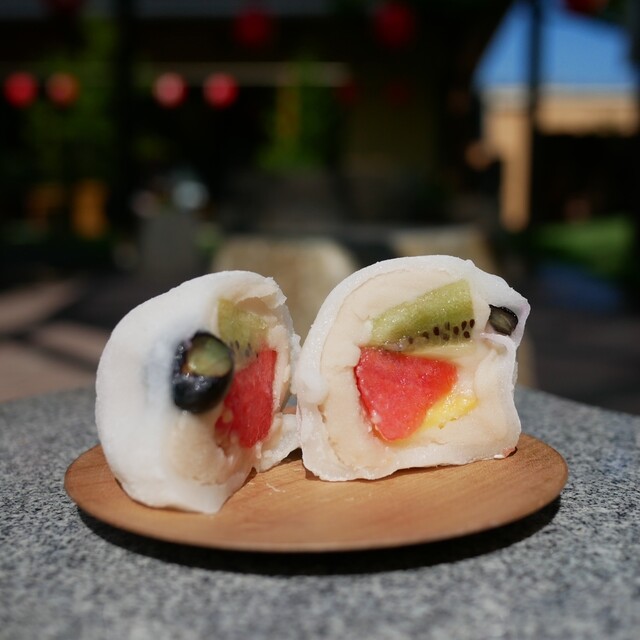
Approaching Kasugachou, the rhythm changes from central Takamatsu’s station-side eating to a lower, more local register: cars, family errands, and the kind of sweets shop that functions as both a snack stop and a gift counter. In Kagawa, that matters. The prefecture’s food identity is often reduced to udon, yet wagashi sits beside it as a quieter expression of season, local produce and social exchange. Yume Kabou Takara Kasugachou honten belongs to that second tradition, where the purchase is as likely to be taken home as eaten on site.
The useful way to read this address is not as a grand dessert destination, but as a specialist in Japanese traditional sweets, daifuku and western-style sweets operating inside Takamatsu’s everyday food culture. The city’s noodle shops, from Chikusei Honten to Furukawa Udon, define the fast, inexpensive meal. A wagashi counter works differently: fruit, bean paste, rice cake texture and gifting etiquette shape the value. That contrast is the point. Takamatsu eating is not only bowls at speed; it is also boxes, wrapping and seasonal sweets carried across town.
Fruit-led wagashi in a city better known for noodles
Japanese sweets houses are often judged by restraint: sweetness, texture and temperature have to stay in balance, because there is nowhere for excess to hide. Daifuku makes that clear. The category depends on rice cake softness, bean paste proportion and the quality of the filling, with fruit versions placing produce at the centre rather than using it as decoration. The ingredient story therefore matters more than theatrical plating. In western Japan, where citrus, strawberries and regional agricultural products frequently intersect with wagashi culture, the format rewards shops that treat sourcing as structure.
Yume Kabou Takara Kasugachou honten’s public categories place it in Japanese traditional sweets, daifuku and western-style sweets, a combination that says plenty about contemporary wagashi. The old boundary between tea-room confectionery and patisserie has become more porous across Japan, especially outside the larger hotel dessert rooms. A shop can carry mochi-based sweets and cream-leaning items without confusing its identity, provided the sourcing and technique remain disciplined. Tabelog selected it for the 2023 Japanese traditional sweets and Japanese sweets café WEST 100, after earlier selections in the Sweets WEST 100 listings in 2018, 2019, 2020 and 2022. That is a stronger signal than a single viral item: it places the shop in a regional sweets conversation beyond Takamatsu alone.
Compared with the city’s udon addresses, the pricing tier remains similarly modest, but the decision logic differs. A bowl at Furusato Udon or a stop at Azuma solves lunch. Wagashi solves timing: late morning gift run, post-noodle sweet, family visit, hotel-room dessert. That makes the sweets counter especially useful for travellers who have already built a day around Sanuki udon and want a second register of local food without turning the afternoon into another full meal.
The format rewards take-away, but the room keeps it grounded
The house-restaurant setting and small seated capacity point to a hybrid rhythm rather than a long tasting format. Take-out is part of the service model, while the presence of seats, terrace space and family-friendly access makes the experience less ceremonial than Kyoto-style wagashi rooms built around tea service. That accessibility should not be mistaken for lack of seriousness. In Japan, many accomplished sweets shops are everyday retail spaces first and destination counters second; the discipline is in production, not in making the room behave like fine dining.
For travellers, this is where Takamatsu’s broader map helps. The city’s food day can move from udon to sweets without forcing a luxury itinerary. Pairing a sweets stop with casual local meals at places such as Fumiya Okonomiyaki Honten gives a better read on Kagawa than chasing only formal restaurants. The same logic applies when building a fuller trip through our full Takamatsu restaurants guide, then cross-checking where to stay, drink and plan downtime through our full Takamatsu hotels guide, our full Takamatsu bars guide, our full Takamatsu wineries guide and our full Takamatsu experiences guide.
How to place it in a Japan sweets itinerary
Travellers moving through Japan often over-index on restaurant reservations and under-plan sweets. That misses how much of Japanese food culture happens between meals: onigiri, tea sweets, department-store counters, station boxes, seasonal fruit desserts. A Takamatsu wagashi stop belongs in that in-between category. It has less in common with a long dinner in Tokyo, such as. 鮪と炭火焼き うお炭 秋葉原店 in Tokyo, than with portable food rituals such as Onigiri Time in Pasadena, where compact format and ingredient clarity do much of the work.
The broader comparison is useful, not because these places serve the same food, but because travellers need to understand scale. A café stop like.cafe in Osaka, a focused regional address such as.know in Kumamoto, or a category-specific shop like [Curry Senmon Ten] Maruyama Kyoju. in Sapporo can carry as much local information as a formal meal. Even outside Japan, the same editorial principle applies at places such as Jōdo Saké Bar in Los Angeles, (Shoku) Vietnam in Kawasaki and -Grilled beef Sukiyaki- KAMAKURA TANUKIAN 鎌倉 たぬき庵 in Kamakura: the narrower the format, the more revealing the sourcing choices become.
The critical case for Yume Kabou Takara Kasugachou honten is therefore simple. In a city whose food reputation is dominated by low-cost noodles, this is a sweets address with repeated regional recognition, a modest spend profile and a practical format. It gives Takamatsu travellers a way to read Kagawa through fruit, rice cake and confectionery craft rather than wheat alone.
How It Stacks Up
Comparable venues by cuisine and price in the same metro.
| Venue | Cuisine | Price | Awards | Notes |
|---|---|---|---|---|
| Yume Kabou Takara Kasugachou hontenThis venue — the venue you are viewing | Japanese wagashi & fruit daifuku specialty shop | $ | , | |
| Sanuki Udon Ueharaya Honten | Traditional Sanuki udon | $ | , | Takamatsu |
| Teuchi Menya Oshima | Self-service Sanuki udon & soba shop | $ | , | Takamatsu |
| Gyoza Ya | Gyoza specialty shop | $ | , | Takamatsu |
| Udonya Goemon | Late-night Sanuki udon & black curry udon | $ | , | Takamatsu |
| 両忘 | Conveyor Belt Sushi | $ | , | Takamatsu |
Continue exploring
More in Takamatsu
Restaurants in Takamatsu
Browse all →

At a Glance
- Cozy
- Classic
- Lively
- Iconic
- Family
- Casual Hangout
- Solo
- Celebration
- Standalone
- Local Sourcing
Bright, bustling sweets shop with a classic Japanese wagashi counter, colorful displays of seasonal fruit daifuku and gift boxes, and a casual, family‑friendly atmosphere focused on takeaway rather than lingering dine‑in.