
Sanuki udon culture is built on wheat, water, speed, and personal assembly rather than ceremony. Teuchi Menya Oshima sits firmly in that Takamatsu tradition: a self-service noodle shop recognized in Tabelog’s Udon KAGAWA 100 for 2024, with handmade noodles, udon alongside soba, and a price point that keeps the focus on craft rather than occasion.
Pearl is the En Primeur Club membership app — saves, bookings, and concierge access live there. Same editors, same standards.
- Address
- 香川県高松市太田下町3013-1
- Phone
- +81878672895
- Website
- tabelog.com
 Saves & bookings on Pearl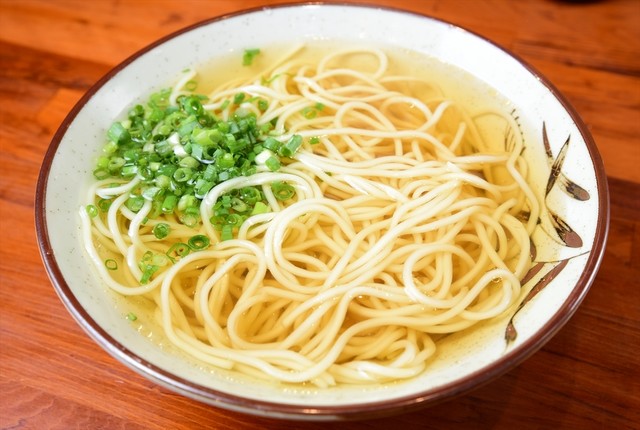
Approaching a serious Sanuki udon shop in Takamatsu rarely involves velvet ropes or dining-room theatre. The signal is more practical: a steady flow of local traffic, trays moving quickly, and the quiet choreography of people deciding how much noodle they want before choosing heat, broth, and toppings. In Kagawa, that rhythm matters. Udon here is not a side category inside Japanese cuisine; it is the regional grammar, built around wheat noodles, fast turnover, and a customer who knows how to finish the bowl to their own preference.
Teuchi Menya Oshima belongs to that everyday-but-exacting lane. Its recognition in Tabelog’s Udon KAGAWA 100 for 2024 places it inside a crowded prefectural field where small differences in noodle texture, self-service flow, and ingredient handling carry real weight. The useful way to read the accolade is not as luxury validation, but as a sign that the shop operates in a category where locals compare bowls with the seriousness other cities reserve for sushi counters or wine lists.
Self-service Sanuki udon, with the noodle doing the work
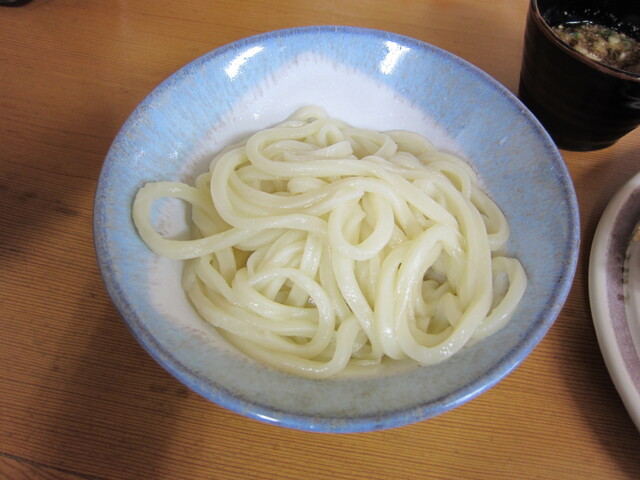
Sanuki udon’s appeal depends on restraint. The format gives the diner control, but it also exposes the fundamentals: noodle structure, broth clarity, temperature choice, and the freshness of toppings. At a fully self-service shop, there is less room to hide behind plating. The line moves, the bowl is assembled, and the test is immediate. That is why ingredient sourcing and daily noodle work matter so much in Kagawa; wheat and water become texture, and texture is the point.
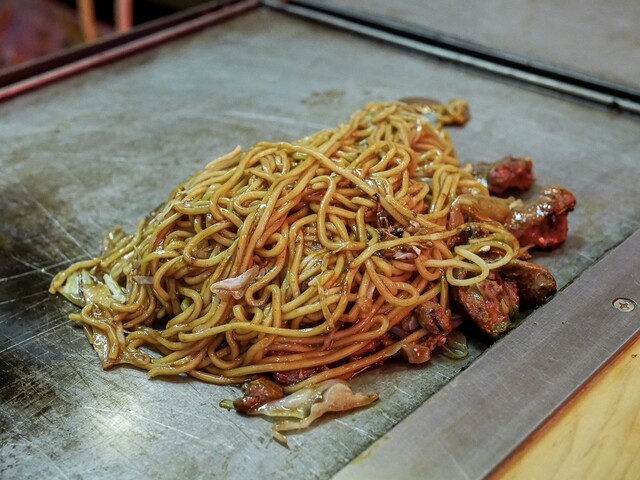
The menu field here is broader than a single udon lane, with udon, Japanese soba, and Chinese soba listed rather than a tasting-menu progression. That mix says something about Takamatsu’s casual noodle culture: specialization does not always mean narrowness. A shop can be deeply associated with udon while still serving other noodle forms, provided the core mechanics remain disciplined. The house-restaurant setting and self-service structure keep the experience close to the prefecture’s practical roots rather than turning Sanuki udon into a staged performance.
Against Takamatsu peers such as Teuchi Udon Ueda, Honkaku Teuchi Udon Menmusubi, Oshima Udon, Nakanishi Udon, and Teuchi Udon Santoku, the decision is less about ceremony than calibration. All sit in the low-price udon bracket, so the comparison turns on format, noodle preference, and how much the diner values self-customization. For broader local context, Azuma, Chikusei Honten, Furukawa Udon, and Furusato Udon show how many shades of udon Takamatsu can sustain within a modest price band.
Why Kagawa's ingredient logic matters
Kagawa’s udon reputation is not built on rarity. It is built on repetition performed well: flour handled daily, boiling timed carefully, broth and condiments kept in balance, and customers returning often enough to notice drift. That is a different standard from destination dining. The value lies in consistency at volume, where a bowl priced under JPY 999 can still reflect a highly specific regional skill set.
This is where Teuchi Menya Oshima’s appeal becomes clear. Handmade noodles are not a decorative claim in Sanuki udon; they are the main argument. The chew, thickness, and temperature response of the noodle determine whether hot broth softens it too quickly or cold service sharpens its bite. Because the format allows hot and cold self-serve udon, the same basic dough has to perform across different conditions. That is a useful test of craft, and it is more revealing than an ornate menu description would be.
The presence of takeout also fits the region’s approach to udon as daily food rather than special-occasion dining. This is not a room designed around lingering. It belongs to a local pattern in which noodle shops function as efficient, family-friendly, high-frequency eating places. Visitors who understand that rhythm will get more from the meal than those looking for a long-form restaurant narrative.
How to place it in a Takamatsu itinerary
For travellers building a food day in Takamatsu, udon should not be treated as a single compulsory stop. The city rewards comparison. One bowl gives a baseline; two or three begin to show the differences in noodle firmness, self-service culture, and broth style that define Sanuki udon. Teuchi Menya Oshima works well as part of that comparative approach because its recognition, self-service setup, and broad noodle offering make it a useful reference point rather than a novelty detour.
The wider Takamatsu table also has range beyond wheat noodles. Fumiya Okonomiyaki Honten points toward the city’s casual griddle tradition, while our full Takamatsu restaurants guide is the better frame for pacing a day between udon shops, izakaya, and regional staples. Planning the rest of the trip benefits from the same neighborhood-level thinking: our full Takamatsu hotels guide, our full Takamatsu bars guide, our full Takamatsu wineries guide, and our full Takamatsu experiences guide help separate a quick noodle run from a fuller city plan.
Readers comparing Japanese casual dining across regions can also use contrast productively. The beef-focused format at -Grilled beef Sukiyaki- KAMAKURA TANUKIAN 鎌倉 たぬき庵 in Kamakura, seafood-and-charcoal dining at. 鮪と炭火焼き うお炭 秋葉原店 in Tokyo, café culture at.cafe in Osaka, and regional cooking at.know in Kumamoto all operate by different rules. Outside Japan, (Shoku) Vietnam in Kawasaki, [Curry Senmon Ten] Maruyama Kyoju. in Sapporo, Jōdo Saké Bar in Los Angeles, and Onigiri Time in Pasadena underline the same point from another angle: modest formats can carry serious culinary identity when the staple ingredient is treated with discipline.
The editorial verdict is simple. In a prefecture where udon literacy is high, a recognized self-service shop has to compete on fundamentals rather than décor or rarity. The restaurant is worth seeking out for that reason: it gives the traveller a clear reading of Sanuki udon as local infrastructure, not a themed experience. The bowl is affordable, the format is direct, and the craft is measured in noodle quality rather than spectacle.
Snapshot
Nearby venues at a similar price tier for orientation.
| Venue | Cuisine | Price | Notes |
|---|---|---|---|
| Teuchi Menya OshimaThis venue — the venue you are viewing | Self-service Sanuki udon & soba shop | $ | Not listed |
| Udonya Matsuhama | Sanuki Udon | $ | Takamatsu |
| Yokokura Udon | Sanuki Udon | $ | Takamatsu |
| Zaigoudon Honke Waraya | Traditional Sanuki Udon | $ | Takamatsu |
| Nakanishi Udon | Sanuki udon noodle shop | $ | Takamatsu |
| Shinpei Udon | Sanuki udon noodle shop | $ | Takamatsu |
Recognition history
Dated appearances from independent guides and award organizations, with the underlying list record or original source where available.
Tabelog 100 #27 · No. 27
Tabelog · Tabelog 100 - Udon - KAGAWA - 2024
Continue exploring
More in Takamatsu
Restaurants in Takamatsu
Browse all →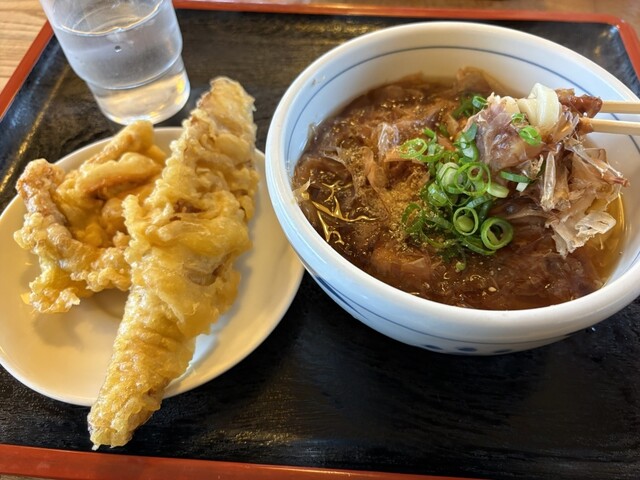

At a Glance
- Lively
- Cozy
- Classic
- Solo
- Family
- Casual Hangout
- Group Dining
- Standalone
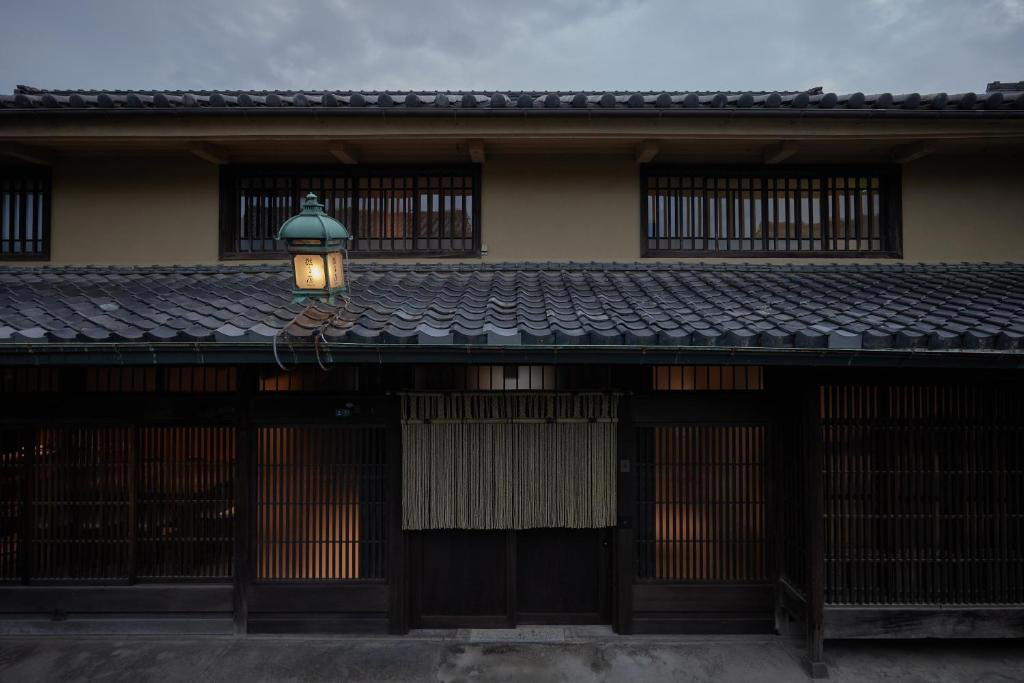
Casual and bustling house-style udon shop with spacious seating, a self-service counter setup, and a lively daytime atmosphere focused on quick, customizable noodle meals.