
Sansho An puts Kobe’s everyday noodle culture into sharp focus: udon and curry udon, low prices, counter-style pacing, and the kind of functional rhythm that defines serious casual dining in Japan. Its 2024 selection for Tabelog Udon WEST “Tabelog 100” places it within a regional conversation about specialist noodle shops rather than luxury dining.
Pearl is the En Primeur Club membership app — saves, bookings, and concierge access live there. Same editors, same standards.
- Address
- 兵庫県神戸市兵庫区切戸町6-18
- Phone
- +81786721154
- Website
- tabelog.com
 Saves & bookings on Pearl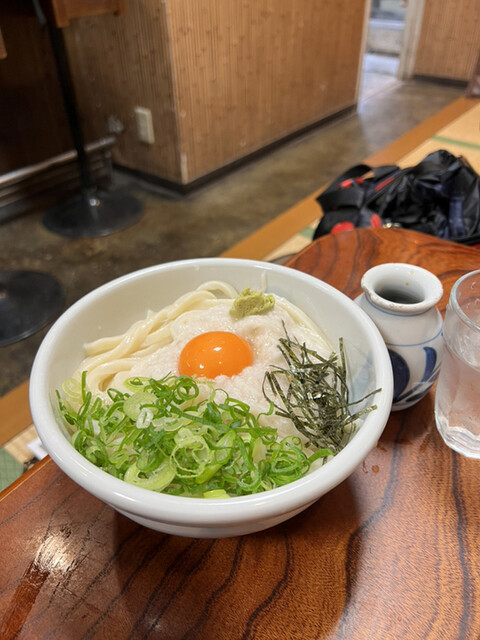
Around Kobe’s central market district, the restaurant ritual is built less around ceremony than timing: arrive, read the room, order decisively, eat while the noodles are still at their intended texture, and move on. Udon shops in this register reward attention to pace. The meal is compact, the format direct, and the pleasure comes from a narrow category handled with discipline rather than a long menu designed for lingering.
Sansho An belongs to that practical Japanese tradition of specialist counters and small dining rooms where a single staple carries the argument. The category is udon, with curry udon also part of the identity, and that matters in Kobe. The city is often framed through beef, port history, coffee culture, and Western-style yoshoku, but its stronger casual restaurants also depend on everyday formats: noodles, rice dishes, grills, and set meals that locals use repeatedly rather than save for occasion dining.
Udon as a disciplined Kobe lunch, not a luxury performance
In Kansai, udon is not merely a cheaper alternative to sushi, kaiseki, or steak. It has its own grammar: broth, wheat noodle texture, temperature, topping structure, and the speed at which the bowl should be eaten. Curry udon adds another layer, taking a familiar noodle format into the heavier, spiced register that suits colder months, quick dinners, and solo meals. The point is not theatrical plating. The point is whether the shop understands proportion.
The Tabelog Udon WEST “Tabelog 100” 2024 selection gives Sansho An its clearest external signal. Tabelog’s Hyakumeiten lists are category-specific, so this recognition places the restaurant among western Japan’s noted udon addresses rather than inside a general fine-dining hierarchy. That distinction is useful for travelers. A noodle shop selected in a specialist category is being judged against other noodle shops, where repetition, consistency, and local loyalty carry more weight than luxury cues.
Price also shapes the reading. With lunch and dinner both listed under JPY 999, this is not a destination built around expense, scarcity, or a tasting-menu arc. It sits in the demanding bracket of Japanese casual dining where value is visible immediately and weak execution has little cover. By comparison, Kobe peers such as Yakiniku Possam Chip occupy a higher-spend meat category, while Kyuan, Fumi, Yoshokuya Yuuki, and Yoshoku no Fuji sit in other casual bands. Sansho An’s appeal is narrower and more exact: it asks whether a bowl of udon can justify a detour on craft rather than occasion.
The meal works by rhythm: order, eat, clear the seat
The dining ritual here is closer to a railway-platform noodle shop than to a chef-led counter, but with the recognition profile of a serious specialist. Reservations are unavailable, private rooms are unavailable, and the room is listed at 29 seats. Those facts point to a democratic rhythm: diners come for a focused meal, not for a staged evening. Take-out is available, which reinforces the shop’s position in daily Kobe eating rather than special-event dining.
This is also the format where etiquette matters more than dress. In Japan’s better casual noodle shops, the courteous diner reads the tempo. Lingering after the bowl is finished can distort a small room’s flow, especially at peak meal times. Groups should be compact; solo diners and pairs fit the format naturally. Smoking is listed as allowed, a detail that may affect the decision for travelers sensitive to dining-room atmosphere.
Drinks are not the centre of gravity, though sake and shochu are listed. That creates a different pattern from Kobe’s beef restaurants, izakaya, and bars, where drinking can drive the meal. Here, alcohol is secondary to the bowl. The stronger move is to treat the visit as part of a wider day of eating: noodles near the market district, coffee elsewhere, and a separate dinner if Kobe beef or yoshoku is the evening’s purpose.
How to place it within a Kobe food day
Kobe rewards travelers who resist reducing the city to steak. The port-city story is broader: kissaten coffee rooms, Western-influenced yoshoku, Chinatown snacks, market-area lunches, and specialist Japanese counters. The restaurant fits the market-side, low-cost, high-frequency end of that spectrum. It is not competing with a polished beef counter or a hotel restaurant. It is competing with the traveler’s limited meal slots, and it makes sense when the plan values category depth over spectacle.
For Kobe planning beyond noodles, EP Club’s city coverage is useful for mapping contrasts: Our full Kobe restaurants guide, Our full Kobe hotels guide, Our full Kobe bars guide, Our full Kobe wineries guide, and Our full Kobe experiences guide. Nearby city context can also be built through Kobe listings such as Aburi Niku Kobo Wakkoku Shinkobe ten, Aburi Niku Kobo Wakkoqu Kitano Sakamoto Ten, Akaneya Coffee Ten, Akari, and Ali's Halal Kitchen.
For readers tracking how Japanese casual formats translate across cities, compare the logic of specialist meals with -Grilled beef Sukiyaki- KAMAKURA TANUKIAN 鎌倉 たぬき庵 in Kamakura. 鮪と炭火焼き うお炭 秋葉原店 in Tokyo.cafe in Osaka.know in Kumamoto, (Shoku) Vietnam in Kawasaki, [Curry Senmon Ten] Maruyama Kyoju. in Sapporo, Jōdo Saké Bar in Los Angeles, and Onigiri Time in Pasadena. The through-line is not cuisine alone; it is format discipline, the way a small menu can define a meal with more clarity than a larger one.
The editorial case for the restaurant is specific. Go for udon as Kobe daily culture, for a low-cost specialist meal with category recognition, and for the compact ritual of a noodle shop that does not need luxury signals to make its point. In a city where visitors often chase beef first, this is a sharper read on how Kobe actually eats between the headline meals.
Cuisine-First Comparison
Comparable venues to anchor price and recognition.
| Venue | Cuisine | Price | Notes |
|---|---|---|---|
| Sansho AnThis venue — the venue you are viewing | Udon and curry udon shop | $ | Not listed |
| Gyoza Senmon Ten Akaman Sannomiya ten | Gyoza specialty shop | $ | Chūō |
| Menya Isshin | Modern Ramen Shop | $ | Nada |
| Gyoza Senmon Ten Akaman Motomachi ten | Traditional Kobe gyoza specialist | $ | Chūō |
| Gyoza Daigaku | Japanese Dumplings (Gyoza) | $ | Chūō |
| Gyoza no Mise Hyotan Sannomiya ten | Kobe-style gyoza specialty shop | $ | Chūō |
Recognition history
Dated appearances from independent guides and award organizations, with the underlying list record or original source where available.
Tabelog 100 #68 · No. 68
Tabelog · Tabelog 100 - Udon - WEST - 2024
Continue exploring
More in Kobe


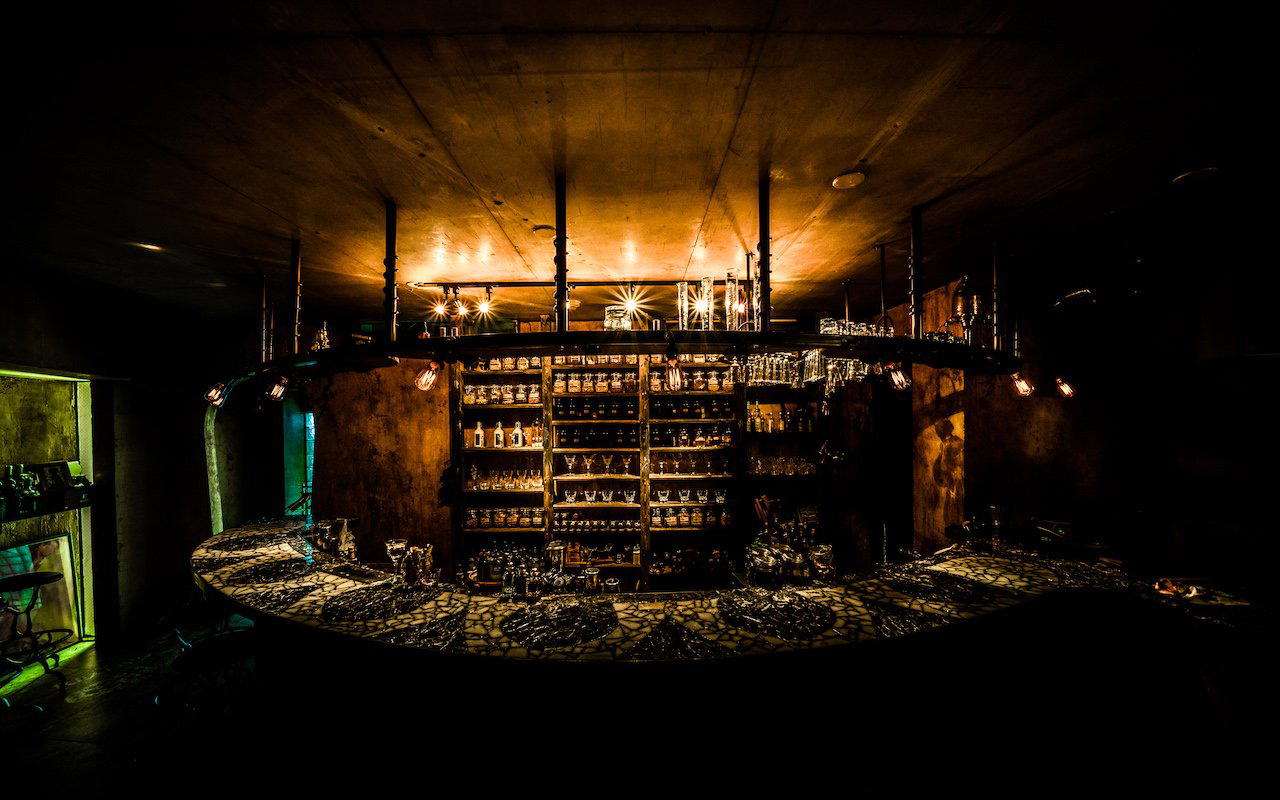
Bars in Kobe
Browse all →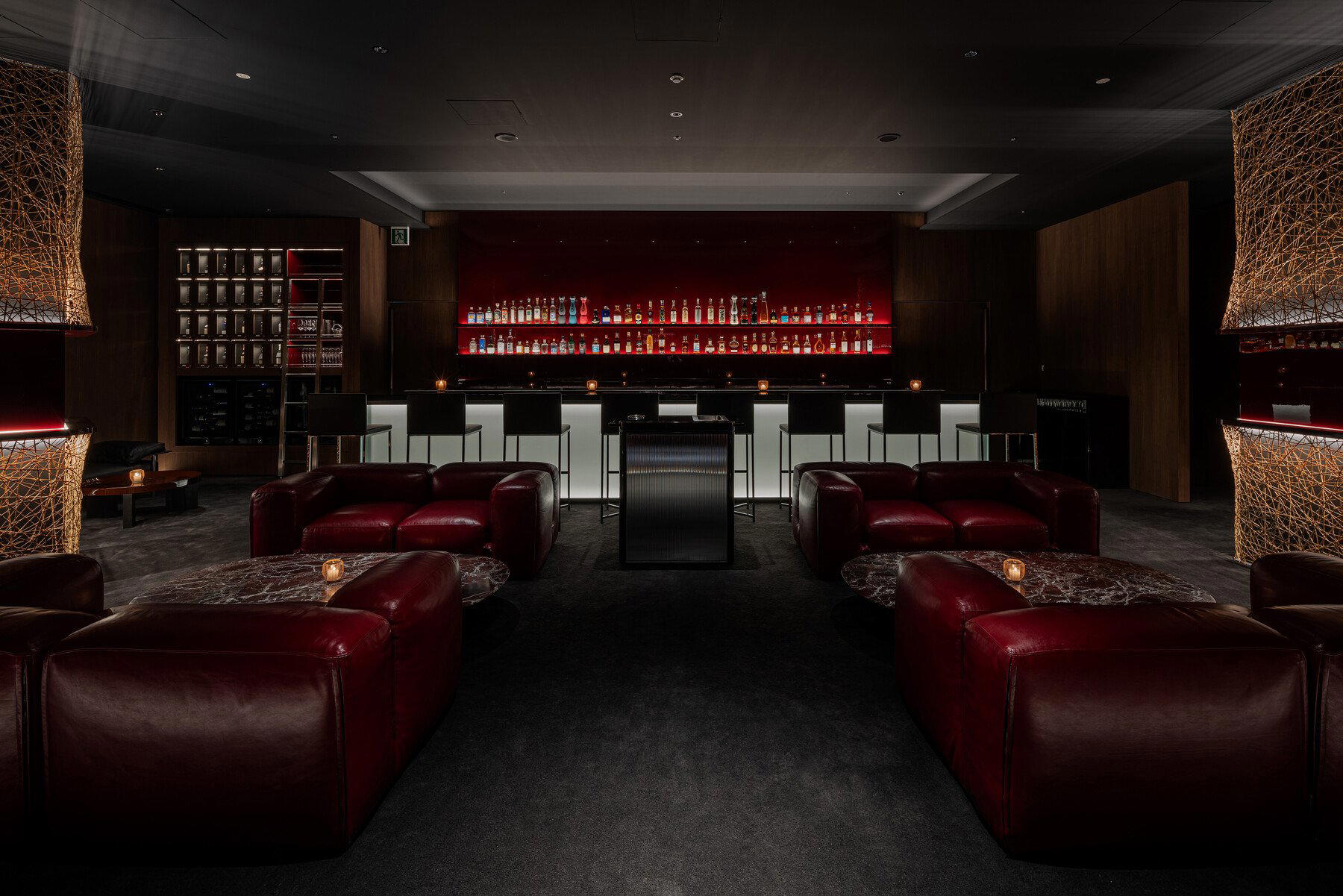



Hotels in Kobe
Browse all →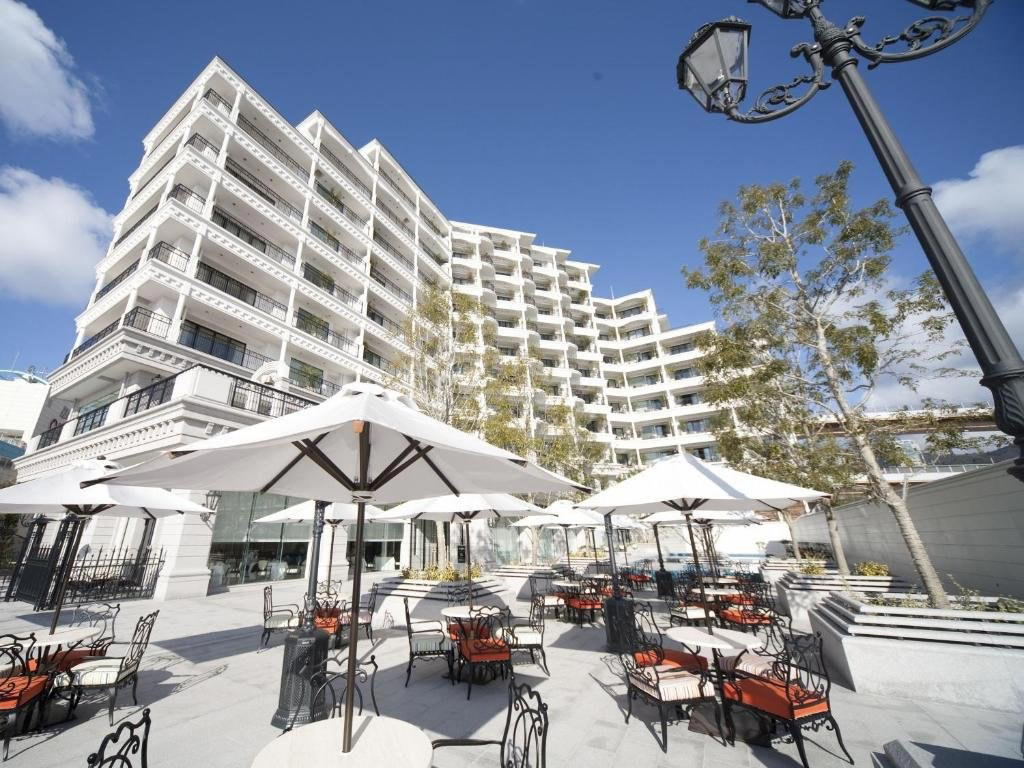
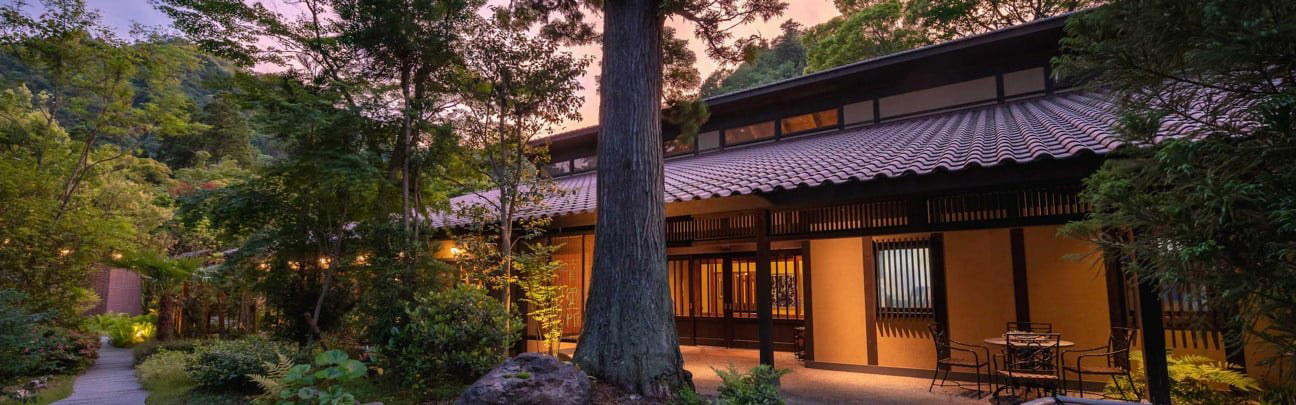

Wineries in Kobe
Browse all →
At a Glance
- Lively
- Classic
- Cozy
- Casual Hangout
- Solo
- Standalone
Current opening hours
- Monday
- Closed
- Tuesday
- 11:30 AM–3 PM, 5–8 PM
- Wednesday
- 11:30 AM–3 PM, 5–8 PM
- Thursday
- 11:30 AM–3 PM, 5–8 PM
- Friday
- 11:30 AM–3 PM, 5–8 PM
- Saturday
- 11:30 AM–3 PM, 5–8 PM
- Sunday
- Closed
Hours can change for holidays and private events. Last verified .
Casual, bustling neighborhood udon shop with a simple, traditional interior and a relaxed, everyday atmosphere suited to friends and solo diners.