
Grill Ippei Sannomiya ten puts Kobe’s yōshoku tradition in a station-side, queue-driven format rather than a formal dining room. The draw is classic Japanese Western cooking, including omurice and croquette, backed by repeated Tabelog 100 recognition for yōshoku and a practical setup that rewards timing more than ceremony.
Pearl is the En Primeur Club membership app — saves, bookings, and concierge access live there. Same editors, same standards.
- Address
- Japan, 〒651-0094 Hyogo, Kobe, Chuo Ward, Kotonoocho, 5 Chome−5−26 サンハイツ三宮 1F
- Phone
- +81 78-252-2527
- Website
- grill-ippei.co.jp
 Saves & bookings on Pearl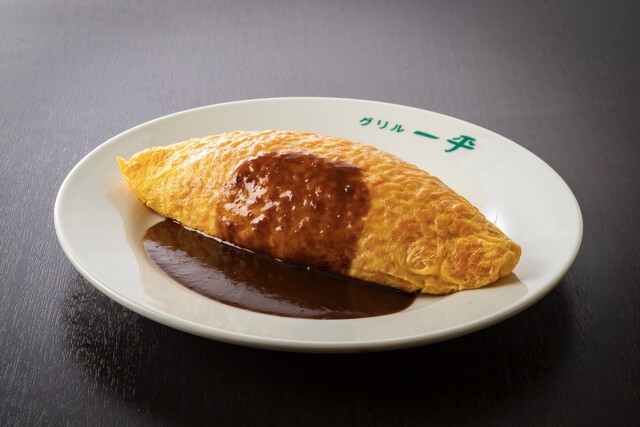
Approaching Sannomiya’s side streets, the mood shifts from transit rush to local dining rhythm: office workers, families, and small groups moving purposefully rather than lingering. This Kobe setting is where yōshoku makes sense. Japanese Western cooking was never only imported technique; in port cities, it became a daily language of demi-glace, rice, omelette, cutlet, croquette, and grill work, served with neighborhood-restaurant efficiency rather than hotel-dining stiffness.
Grill Ippei Sannomiya ten belongs to that tradition. Its selection for Tabelog 100 - Yoshoku - WEST - 2025 places it in a serious regional bracket for Japanese-style Western cooking, not a novelty category for visitors chasing retro plates. In Kobe, where beef houses, coffee rooms, izakaya, and Western-influenced kitchens sit close together, that distinction matters: yōshoku is part of the city’s port-era dining identity, and the Sannomiya branch is an accessible expression of it.
Yōshoku in Kobe is practical, urban, and built for repeat eating
The strongest yōshoku rooms in Kansai resist fine-dining theater. Their appeal is repetition: a sauce base developed over years, a menu structure suited to lunch and dinner, and a room that carries solo diners, children, and regulars without changing tone. The categories attached to Grill Ippei Sannomiya ten, yōshoku, omurice, and croquette, put it squarely in that grammar. These are not side dishes to a luxury narrative; they are the grammar itself.
That puts the restaurant in a different lane from Kobe’s meat-led dining. Nearby planning often tilts toward beef specialists such as Aburi Niku Kobo Wakkoku Shinkobe ten or Aburi Niku Kobo Wakkoqu Kitano Sakamoto Ten, where the decision is usually built around steak, teppan, or a higher-spend occasion. Yōshoku serves another role: less ceremony, more evidence of how Western influence entered Japanese daily dining.
The Tabelog recognition is useful because the category is broad. A diner looking at Kobe can move from coffee culture at Akaneya Coffee Ten to izakaya-style drinking at Akari or international casual cooking at Ali's Halal Kitchen; yōshoku sits between those poles, informal but technique-dependent. A Tabelog 100 listing signals not just nostalgia, but a competitive category deep enough to reward careful selection.
The room rewards timing more than formality
The booking experience defines the meal as much as the food category. This is a small-format restaurant with counter and table seating, and the Sannomiya location does not run like a reservation-led tasting counter. Treat it as a time-sensitive local address: arrive with a plan, expect movement, and understand that the room’s appeal depends on turnover rather than lingering.
That matters because Sannomiya is often a base rather than a destination. The station area lets diners fold a yōshoku meal into a day that might include Kitano, the waterfront, or a sake-focused excursion elsewhere in Hyogo. For broader planning, Our full Kobe restaurants guide gives context against other dining styles, while Our full Kobe hotels guide, Our full Kobe bars guide, Our full Kobe wineries guide, and Our full Kobe experiences guide help separate a quick Sannomiya meal from a full-city itinerary.
Within Kobe’s price spectrum, the restaurant occupies useful middle ground. Comparison venues show the spread: CHEZ CHILO sits in a higher spend band, Toriryori Ranpu occupies a mid-evening bracket, GREEN HOUSE Wald crosses casual lunch and dinner territory, while Tommy's Sannomiya higashi ten and Saba no Ue ni mo San Nen operate at a lower snack-and-casual level. Grill Ippei Sannomiya ten is not competing with every format. Its point is category clarity: yōshoku with enough recognition to justify planning, without turning the meal into a formal event.
What to order when the category is the point
The menu’s public identity centers on Japanese-style Western cooking, with omurice and croquette named as core categories. That is enough guidance without pretending to know the kitchen’s daily priorities. Omurice tests rice, egg, and sauce. Croquette tests seasoning, texture, frying, and timing. In this tradition, sauce is not an accessory; it is often why regulars return to a particular grill room.
Kobe gives the style extra resonance because the city has long absorbed foreign influence through trade, hotels, bakeries, coffee shops, and Western dining rooms. The result is not imitation Western food, but a local cuisine using Western forms for Japanese comfort. That is why yōshoku sits comfortably beside Kobe beef restaurants and old-school kissaten rather than below them. It is a parallel tradition, not a consolation prize.
Travelers mapping a wider Japan itinerary can use this meal as contrast. A sukiyaki-focused address such as -Grilled beef Sukiyaki- KAMAKURA TANUKIAN 鎌倉 たぬき庵 in Kamakura frames beef through a different regional ritual. Tokyo casual drinking and grill culture, as in. 鮪と炭火焼き うお炭 秋葉原店 in Tokyo, points to a more bar-driven register. Osaka café culture at.cafe in Osaka, Kumamoto dining at.know in Kumamoto, Vietnamese cooking at (Shoku) Vietnam in Kawasaki, and curry specialization at [Curry Senmon Ten] Maruyama Kyoju. in Sapporo all show how tightly Japanese city dining can organize around a single category.
The same comparison works outside Japan. Jōdo Saké Bar in Los Angeles treats Japanese drinking culture through a different metropolitan lens, while Onigiri Time in Pasadena shows how compact Japanese comfort formats translate abroad. In Kobe, the appeal is more rooted: yōshoku remains tied to the port-city idea of Western influence made local, affordable, and repeatable.
The editorial case for the restaurant is not rarity or chef mythology. It is category discipline, repeated Tabelog 100 recognition, and a format that makes planning part of the experience. For travelers, that means realistic expectations: a Kobe yōshoku meal with credibility, not a slow luxury reservation. Read it that way and the restaurant makes immediate sense.
Cuisine and Awards Snapshot
Comparable venues for orientation by cuisine and category.
| Venue | Cuisine | Price | Notes |
|---|---|---|---|
| Grill Ippei Sannomiya tenThis venue — the venue you are viewing | Classic Kobe yoshoku (Japanese-style Western food) | $$ | Not listed |
| CAFE KESHiPEARL | Cheesecake & coffee café | $$ | Chūō |
| Kisetsu Ippin Ryori Fujiwara | Seasonal Japanese Izakaya & Seafood | $$ | Chūō |
| 植月 | Japanese Kaiseki | Not listed | Hyōgo |
| Misaku Kobe kitano ten | Kobe-style okonomiyaki & teppanyaki | $$ | Chūō |
| Sion | European-style Japanese curry & beef stew | $$ | Chūō |
Recognition history
Dated appearances from independent guides and award organizations, with the underlying list record or original source where available.
Tabelog 100 #28 · No. 28
Tabelog · Tabelog 100 - Yoshoku - WEST - 2025
Continue exploring
More in Kobe
Restaurants in Kobe
Browse all →
Bars in Kobe
Browse all →



Hotels in Kobe
Browse all →


At a Glance
- Classic
- Cozy
- Well Known
- Family
- Casual Hangout
- Group Dining
- Solo
- After Work
- Standalone
- Historic Building
Current opening hours
- Monday
- 11 AM–2:30 PM, 5–8 PM
- Tuesday
- 11 AM–2:30 PM, 5–8 PM
- Wednesday
- Closed
- Thursday
- 11 AM–2:30 PM, 5–8 PM
- Friday
- 11 AM–2:30 PM, 5–8 PM
- Saturday
- 11 AM–2:30 PM, 5–8 PM
- Sunday
- 11 AM–2:30 PM, 5–8 PM
Hours can change for holidays and private events. Last verified .
A classic yoshoku diner-style room near Sannomiya Station with a relaxed, homey feel; warm, casual service and an atmosphere focused on comforting plates of omurice, hamburger steak, and cutlets rather than formality.