

Tabelog Silver #19
Our verdict
Yoroniku in Minami-Aoyama has operated since 2007 under a format it calls 'meat kaiseki', yakiniku structured with the sequencing and restraint of a kaiseki progression rather than the à la carte ordering typical of the category. The original location holds a Tabelog Bronze award and a score of 4.22, while the Ebisu branch carries Silver status, and the group has appeared in Opinionated About Dining's Japan rankings every year from 2023 through 2025.

Pearl is the En Primeur Club membership app, where members save venues, book tables and use the concierge.
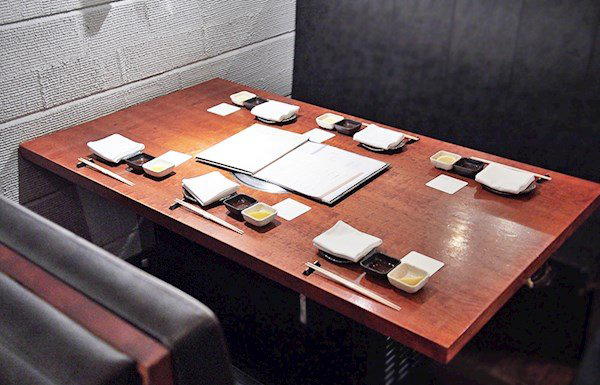
The menu
What to order
- Silk loin
- Grilled meat wrapped with bite-sized rice ball
- Prime Kobe wagyu beef
The Case for Yakiniku as a Serious Dining Format
If you eat one thing in Tokyo that challenges what you think Japanese BBQ is capable of, make it a dinner at Yoroniku. The category's reputation outside Japan tends to flatten around the image of tabletop grills and à la carte beef cuts ordered informally over beer. The Yoroniku group, operating its original Minami-Aoyama location since April 2007 and the Ebisu branch since September 2017, has spent nearly two decades arguing for a different framework: yakiniku paced, sequenced, and curated in the manner of a kaiseki meal. The term the group uses is 'meat kaiseki' for the Aoyama location and 'meat kappo' for Ebisu, and both phrases are doing real conceptual work rather than acting as marketing shorthand.
Kaiseki and kappo represent two distinct traditions within Japanese refined dining. Kaiseki is the more ceremonial of the two, rooted in the tea ceremony and built around a fixed seasonal progression. Kappo is more chef-driven and interactive, where the cook works in open view and courses are calibrated to the guest.
Where the Two Locations Sit in the Award Record
Tokyo's yakiniku scene is large and increasingly stratified. Tabelog's annual awards, which pull from millions of Japanese user reviews and represent the most granular public assessment of the Tokyo dining market, place the two Yoroniku addresses at meaningfully different levels within the same award tier structure. The Aoyama original has held Tabelog Silver from 2017 through 2021, reached Gold in 2018, then settled into Bronze from 2022 onward, with a current score of 4.22 and a 2026 Bronze designation. The Ebisu branch has maintained Silver continuously since 2019, carrying a 4.26 score into 2026. Both addresses have appeared in the Tabelog Yakiniku Tokyo Top 100 every year since the list's first edition, a run of eight consecutive selections that indicates sustained peer recognition rather than a single strong year.
The Opinionated About Dining Japan rankings add a different calibration point: the Aoyama location placed at #22 in 2023, #28 in 2024, and #34 in 2025, a gradual descent in rank that tracks alongside the Tabelog tier shift but still positions it well above the mass of Tokyo's dining options. For context, the OAD Japan list draws on critic and professional assessments rather than public reviews, so the two ranking systems are measuring different things. Appearing on both, consistently, across multiple years, is a more durable signal than any single award. Venues at comparable positions in Tokyo's critical landscape include Nikusho Horikoshi and Jumbo Hanare, both of which approach the yakiniku format with comparable seriousness of intent.
Evening Only: What the Dinner-Only Format Implies
The editorial angle that matters practically here is the absence of lunch. Both Yoroniku addresses open at 17:00 and run through midnight, dinner and late-night territory only, with no daytime service listed. This is a deliberate format choice with real implications for how the meal is experienced.
Yakiniku restaurants that serve lunch typically do so in a compressed format: shorter courses, faster table turns, a broader price entry point. The evening-only structure at Yoroniku removes that pressure entirely. The Aoyama location runs 80 seats across a range of private room configurations, available for groups of two through to parties exceeding 30 people, which allows the kitchen to calibrate service across very different dining contexts within a single evening. The Ebisu branch runs a smaller 58-seat floor with no private rooms, making it a more open, communal environment despite the formal sequencing of the meal.
The absence of a lunch offering also concentrates the brand's identity in a specific register. Dinner at these price points, Tabelog's listed dinner budget is JPY 10,000–14,999, though review-based averages suggest actual spend typically reaches JPY 15,000–19,999 before the 10% service charge, signals that the occasion is intentional rather than casual. Guests aren't dropping in. The sequenced meat format demands attention and time in the same way a kaiseki progression does, and scheduling it exclusively in evening hours reinforces that contract between kitchen and diner.
For comparable structured yakiniku experiences in Tokyo with different neighbourhood anchors, Kiraku-Tei and Kinryuzan offer points of comparison across different price registers. Those looking for a broader view of Tokyo's serious dining options across categories can find the full picture in our full Tokyo restaurants guide.
The Aoyama Address: Format and Setting
The Minami-Aoyama location occupies the basement of LunaRossa, a building on the 6-chome stretch of a neighbourhood that runs adjacent to the Omotesando retail corridor. The Tabelog database tags it as a 'hideout', a designation that reflects the below-street-level setting and the absence of street-facing visibility rather than any deliberate concealment. It sits approximately a 10-minute walk from Omotesando Station's B1 exit, which places it far enough from the main thoroughfare to feel removed from the commercial density of the area while remaining accessible.
With 80 seats and a full private room programme covering configurations from two-person tables up to exclusive buyouts for groups exceeding 50 guests, the Aoyama location functions simultaneously as an intimate dinner destination and a corporate event venue. The private room infrastructure is notable: very few restaurants operating at this price point in the meat-kaiseki tier offer both the sequenced course format and the logistical flexibility to accommodate large private bookings. The Ebisu branch, by contrast, provides neither private rooms nor private venue hire, positioning it as a more egalitarian, open-floor experience within the same group framework.
The drinks programme at the Aoyama location runs across sake, shochu, wine, and cocktails, with the Tabelog listing noting a particular focus on both shochu and wine, a pairing that reflects yakiniku's natural affinity with both categories. Beef fat and char interact differently with tannin-forward wine than with the clean spirit finish of a shochu highball, and a kitchen that has spent 18 years sequencing meat courses has presumably developed considered views on which pairings work across different cuts and preparations.
The Ebisu Branch: Late-Night Dynamics and a Third Location
Ebisu Yoroniku, which opened in September 2017 at the 8th floor of GEMS Ebisu, sits two minutes from Ebisu Station's East Exit, a location with considerably more foot traffic and after-work energy than the Aoyama basement. Its 58-seat open floor, maintained Silver award status since 2019, and a slightly higher Tabelog score (4.26) than the original make it the group's most publicly recognized address in purely numerical terms. Last orders at 23:00 with closing at midnight means the Ebisu location also functions as a late-evening destination in a neighbourhood that supports that pattern well.
Worth noting in the Ebisu location's remarks: the group opened a third address, Yoroniku Tokyo, at Azabudai Hills in November 2023. Azabudai Hills represents Tokyo's most significant luxury development of the decade, and the Yoroniku group's presence there signals an appetite for expansion into premium mixed-use environments alongside the group's established neighbourhood locations. The Ebisu branch also notes that certain special course items, including a pork cutlet sandwich that has built a reputation among regulars, are bookable only through the OMAKASE reservation platform rather than through standard reservation channels.
Yakiniku in International Context
The meat-kaiseki format that Yoroniku has developed in Tokyo doesn't travel easily. Most yakiniku restaurants outside Japan, including venues like Gyu-Kaku Japanese BBQ in Los Angeles and Nikushou in Hong Kong, operate at different points on the formality spectrum, typically closer to the casual, à la carte tradition. The sequenced, curated approach belongs to Tokyo's particular confluence of kaiseki culture, premium beef supply chains, and a dining public conditioned by decades of omakase exposure across sushi, tempura, and French formats. For those exploring Japan's broader serious dining circuit, akordu in Nara, Goh in Fukuoka, and 1000 in Yokohama offer structural comparisons in different cities, while 6 in Okinawa and Cossott'e in Tokyo itself represent the kind of venue-specific commitment to format that places a restaurant outside its parent category's normal expectations. The broader Tokyo context, hotels, bars, and experiences alongside restaurants, is covered in our full Tokyo hotels guide, our full Tokyo bars guide, our full Tokyo wineries guide, and our full Tokyo experiences guide.
Planning Your Visit
Reservations: Accepted at both locations; the Ebisu branch lists OMAKASE as the platform for premium course reservations. Hours: Both locations open from 17:00 daily; the Ebisu branch closes at midnight with a 23:00 last order. Budget: Dinner listed at JPY 10,000–14,999 per person; review-based averages suggest JPY 15,000–19,999 is more representative of actual spend, before the 10% service charge. Seats: 80 at Aoyama (private rooms available for 2–30+ guests; private venue hire for 20–50+ guests); 58 at Ebisu (no private rooms). Payment: Major credit cards accepted at both (Visa, Mastercard, JCB, Amex, Diners); electronic money and QR payments not accepted. Getting there: Aoyama, 10-minute walk from Omotesando Station B1 exit; Ebisu, 2 minutes from Ebisu Station East Exit. Access: Parking unavailable at both locations; coin parking nearby. Menu language: English menus available at the Aoyama location.
Frequently asked questions
What are the opening hours for Yoroniku?
Hours at Yoroniku: Hours: Monday 5 pm–12 am Tuesday 5 pm–12 am Wednesday 5 pm–12 am Thursday 5 pm–12 am Friday 5 pm–12 am Saturday 5 pm–12 am Sunday 5 pm–12 am.
What distinctions does Yoroniku have?
Yoroniku has received recognition including:
What's the best thing to order at Yoroniku?
Both locations run course-based formats rather than à la carte, so the decision is which course tier to book rather than which individual cuts to select. The Ebisu branch lists certain premium courses, including reportedly a pork cutlet sandwich course, exclusively through the OMAKASE reservation platform. Budget for JPY 10,000–19,999 per person before the 10% service charge, and factor in the drinks list, which leans toward shochu and wine.
What part of town is Yoroniku in?
Yoroniku is located at Japan, 〒107-0062 Tokyo, Minato City, Minamiaoyama, 6 Chome−6−22 LunaRossa南青山 B1, Tokyo.
Reputation First
Comparable venues nearby, for context on price, style, and recognition.
| Venue | Cuisine | Price | Awards | Notes |
|---|---|---|---|---|
| YoronikuThis venue (the venue you are viewing) | Modern Japanese Yakiniku | $50–100 | Tabelog Silver #19 | Not listed |
| Night Market | Modern Pan-Asian Southeast Asian | $30–50 | Michelin Bib Gourmand | Shibuya |
| Chugokusai Kan | Modern Chinese with Cantonese Roasted Specialties | $30–50 | Michelin Plate | Meguro |
| Wasa | Modern Chinese Fine Dining | $300–500 | Tabelog Silver #153 | Shibuya |
| Côte D'or | French | Not listed | Tabelog Chef's Gold #2 | Tokyo |
| Sushi Dai | Toyosu Market Omakase Sushi | $30–50 | The Best Chef Two Knives | Chūō |
Recognition history
Dated appearances from independent guides and award organizations, with the underlying list record or original source where available.
Tabelog Silver #19
Tabelog
Opinionated About Dining Top Restaurants in Japan Ranked #34
Opinionated About Dining
Full recognition history (5 entries)
Tabelog 100 #70 · No. 70
Tabelog · Tabelog 100 - Yakiniku - TOKYO - 2025
Opinionated About Dining Top Restaurants in Japan Ranked #28
Opinionated About Dining
Opinionated About Dining Top Restaurants in Japan Ranked #22
Opinionated About Dining
Continue exploring
More in Tokyo
More from Chef Vanne Kuwahara
Browse all →
Restaurants in Tokyo
All restaurants in Tokyo →


Bars in Tokyo
All bars in Tokyo →




Details
- Sophisticated
- Modern
- Well Known
- Special Occasion
- Date Night
- Business Dinner
- Celebration
- Standalone
- Tasting Menu
- Set Menu
Current opening hours
- Monday
- 5 PM–12 AM
- Tuesday
- 5 PM–12 AM
- Wednesday
- 5 PM–12 AM
- Thursday
- 5 PM–12 AM
- Friday
- 5 PM–12 AM
- Saturday
- 5 PM–12 AM
- Sunday
- 5 PM–12 AM
Hours can change for holidays and private events. Last verified .
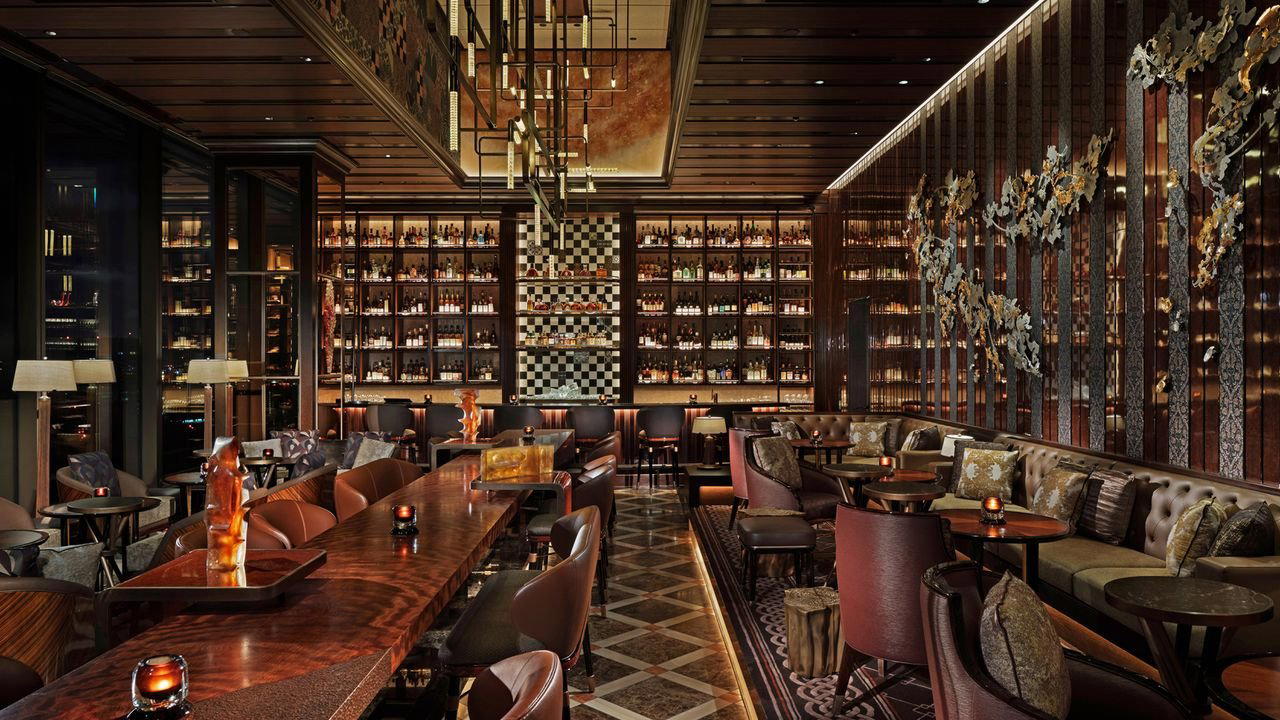
Upscale and polished, with a refined meat-focused dining atmosphere centered on carefully grilled wagyu courses.