Tabelog Silver #159
Our verdict
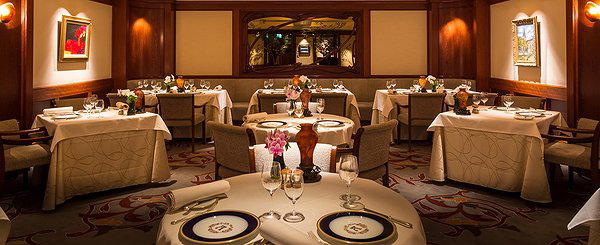
Tokyo yakiniku has moved well beyond smoke-heavy grill rooms into a polished meat-kaiseki register, where pacing, cut sequence, and service control matter as much as charcoal. Yoroniku Azabudai Hills sits in that formal tier, with Vanne Kuwahara attached, a 48-seat format, Tabelog Award 2026 Silver recognition, and a 2026 Opinionated About Dining Japan ranking.

Pearl is the En Primeur Club membership app, where members save venues, book tables and use the concierge.
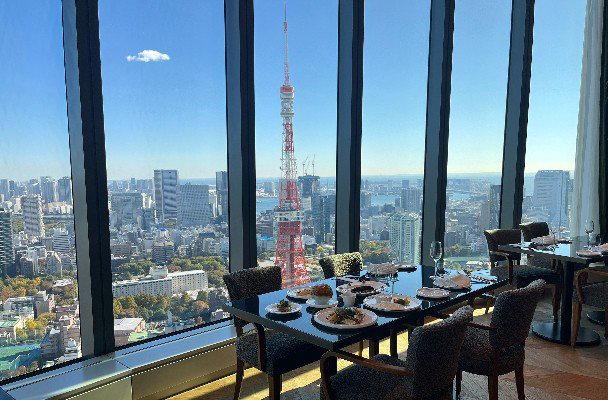
Tokyo’s newer dining rooms can offer a particular kind of stagecraft: polished arrivals, controlled pacing, and a sense that dinner begins before the first course appears. In that setting, the meal reads less as a casual table sport and more as a measured ritual. The modern premium version asks diners to pay attention to sequence, texture, and restraint, not simply to volume or display.
Yoroniku Azabudai Hills belongs to that newer register. Tokyo has long had serious dining built around carefully managed service, but the upper tier has split away from the old grammar of abundance into something closer to a course-led evening: staff guidance, careful pacing, and a meal built around progression rather than excess. Its inclusion in Opinionated About Dining’s 2026 Japan restaurant coverage puts it in a competitive bracket where format discipline is part of the value proposition.
Dining as a controlled sequence, not a free-for-all
At more casual tables, the diner often controls the rhythm: order, pause, continue, repeat. Premium Tokyo rooms have rewritten that exchange. The emphasis shifts to how the meal is portioned, when each serving appears, and how richness is balanced against pauses. That is the key to reading this genre correctly. The table remains central, but the ritual is no longer about self-directed excess.
The useful signal here is structure. Course language matters because it implies contrast and progression rather than a random survey of luxury ingredients. That places the room closer to Tokyo’s tasting-menu culture than to looser international expectations of Japanese dining. Diners expecting a casual, open-ended session will find a different social contract: the pleasure is in following the house’s rhythm rather than improvising the entire meal yourself.
Tokyo’s serious premium dining field is dense enough that small differences in format matter. Cossott’e, Raimon, Ushigoro S NishiAzabu, Ushimatsu, Yakiniku Ten, and Yoroniku Azabudai Hills all sit inside the wider conversation about specialization and Tokyo’s appetite for carefully defined restaurant formats. Yoroniku Azabudai Hills is not trying to be the rowdiest table in that conversation. Its place is the polished, course-minded side, where the pleasure is in surrendering part of the rhythm to the house’s timing.
Recognition places it in Tokyo's serious dining tier
Trust signals matter in a category where the language of premium ingredients can become vague quickly. Here the recognition provided is specific: Yoroniku Azabudai Hills appears in the Opinionated About Dining restaurant source for 2026. That marker does not describe flavor by itself, but it does confirm that the restaurant is being read inside a broader competitive dining conversation rather than merely packaged as a simple visitor-friendly stop.
In this category, the more useful editorial question is not biography but control: who decides the arc of the meal, who handles the pacing, and how much latitude the guest has. The strongest version of this kind of dinner depends on coordination between table, service, and sequence. That can be an advantage for business dinners and small groups, because the meal retains structure without forcing everyone into a silent counter performance.
The broader point is that this is not an old-fashioned room trading only on nostalgia. It reflects a newer Tokyo luxury dining pattern, where polished restaurants translate familiar categories into controlled, international-facing formats. For non-Japanese diners, the best approach is to treat the experience as a guided evening and let the staff’s pacing define the meal rather than trying to force it into a more casual template.
How to read the room in the wider Tokyo itinerary
For a Tokyo dining plan, this is a focused evening rather than a catch-all Japanese dinner. It sits well after other highly specific meals on an itinerary because it brings a different kind of participation: the table follows texture, temperature, and seasoning in short intervals. The appeal is social but not sloppy. It rewards diners who enjoy precision, repeated small servings, and a meal whose luxury is expressed through pacing rather than spectacle.
The format also changes the family question. A premium, structured dinner can work for older children or teenagers who are comfortable with a longer meal and careful table etiquette. It is less suited to families needing a fast, flexible meal or a wide children’s menu. In Tokyo, that distinction matters: many polished dining rooms are hospitable, but they are not casual by default.
For readers mapping the city more broadly, the restaurant belongs in the restaurants portion of a Tokyo evening rather than a nightlife crawl. Use Our full Tokyo restaurants guide for the dining frame, then pair the meal with the city’s adjacent categories as needed: Our full Tokyo hotels guide, Our full Tokyo bars guide, Our full Tokyo wineries guide, and Our full Tokyo experiences guide. For comparison within Tokyo’s premium dining spectrum, Cossott’e, Raimon, Ushigoro S NishiAzabu, Ushimatsu, and Yakiniku Ten show how the category can shift in mood and format, while other unnamed dining rooms across the city point to the wider range of Japan’s contemporary restaurant scene.
The editorial case is clear: choose this room when the goal is not just a premium table, but a refined, highly managed version of the ceremony. The recognition supports the seriousness, the format supports a composed evening, and the setting places it squarely inside Tokyo’s current appetite for familiar categories presented with high-control polish.
Frequently asked questions
What cuisine category does Yoroniku Azabudai Hills fall under?
Yoroniku Azabudai Hills is best approached as a structured, premium Tokyo dining room with a course-minded format.
What are the operating hours at Yoroniku Azabudai Hills?
What's the address for Yoroniku Azabudai Hills?
Tokyo.
Who is the chef or culinary lead at Yoroniku Azabudai Hills?
What's the signature at Yoroniku Azabudai Hills?
The defining appeal is its controlled, course-minded approach to a premium Tokyo dinner rather than a single confirmed signature dish. The provided recognition places it in Opinionated About Dining’s 2026 restaurant coverage.
Does Yoroniku Azabudai Hills work for a family meal?
It can work for groups that want a structured Tokyo dinner and are comfortable with a more polished pace. Families needing a fast, flexible meal should confirm suitability directly before booking.
Where the Accolades Land
Nearby venues at a similar price tier for orientation.
| Venue | Cuisine | Price | Awards | Notes |
|---|---|---|---|---|
| Yoroniku Azabudai HillsThis venue (the venue you are viewing) | Modern Wagyu Yakiniku Kaiseki | $150–200 | Tabelog Silver #159 | Not listed |
| Ichikawa | Edomae Sushi | Not listed | Tabelog Bronze #125 | Minato |
| Onarimon Haru | Modern Japanese Omakase | $500+ | Tabelog Bronze #97 | Minato |
| Ajiyuki | Kyoto-Style Japanese Kaiseki | $300–500 | Tabelog Bronze #10 | Chūō |
| Fukuda | Seasonal Kaiseki | $200–300 | 1 Michelin Star · Tabelog 100 #74 | Minato |
| Hanabusa | Edomae Sushi Omakase | $200–300 | Not listed | Minato |
Recognition history
Dated appearances from independent guides and award organizations, with the underlying list record or original source where available.
Opinionated About Dining Top Restaurants in Japan Ranked #109
Opinionated About Dining
Tabelog Silver #159
Tabelog
Full recognition history (4 entries)
Opinionated About Dining Top Restaurants in Japan Ranked #189
Opinionated About Dining
Tabelog 100 #6 · No. 6
Tabelog · Tabelog 100 - Yakiniku - TOKYO - 2025