
Tabelog Bronze #10
Our verdict
A seven-seat counter in Chuo's Shintomicho district, Ajiyuki holds Tabelog Bronze recognition for 2025 and 2026 alongside selection in the Tabelog Japanese Cuisine Tokyo 100 for 2025. Dinner averages JPY 40,000–49,999 per head based on diner reviews, and the room operates on a referral-only reservation system. Fish sourcing is a declared priority, and sake and shochu form the drink program.

Pearl is the En Primeur Club membership app, where members save venues, book tables and use the concierge.
The menu
What to order
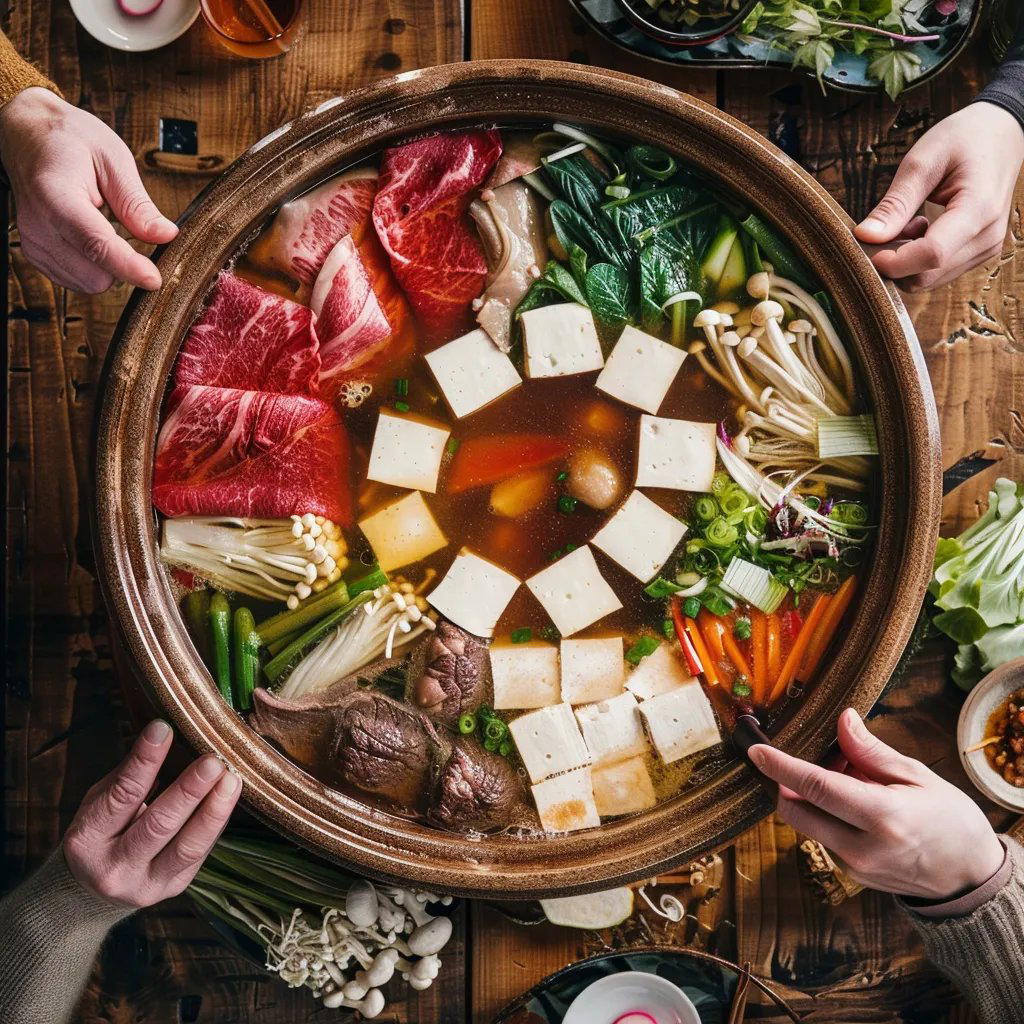
- Seasonal Sesame Tofu
- Hamo Sushi
- Rouzan-jin Rice
A Counter at the Edge of Central Tokyo
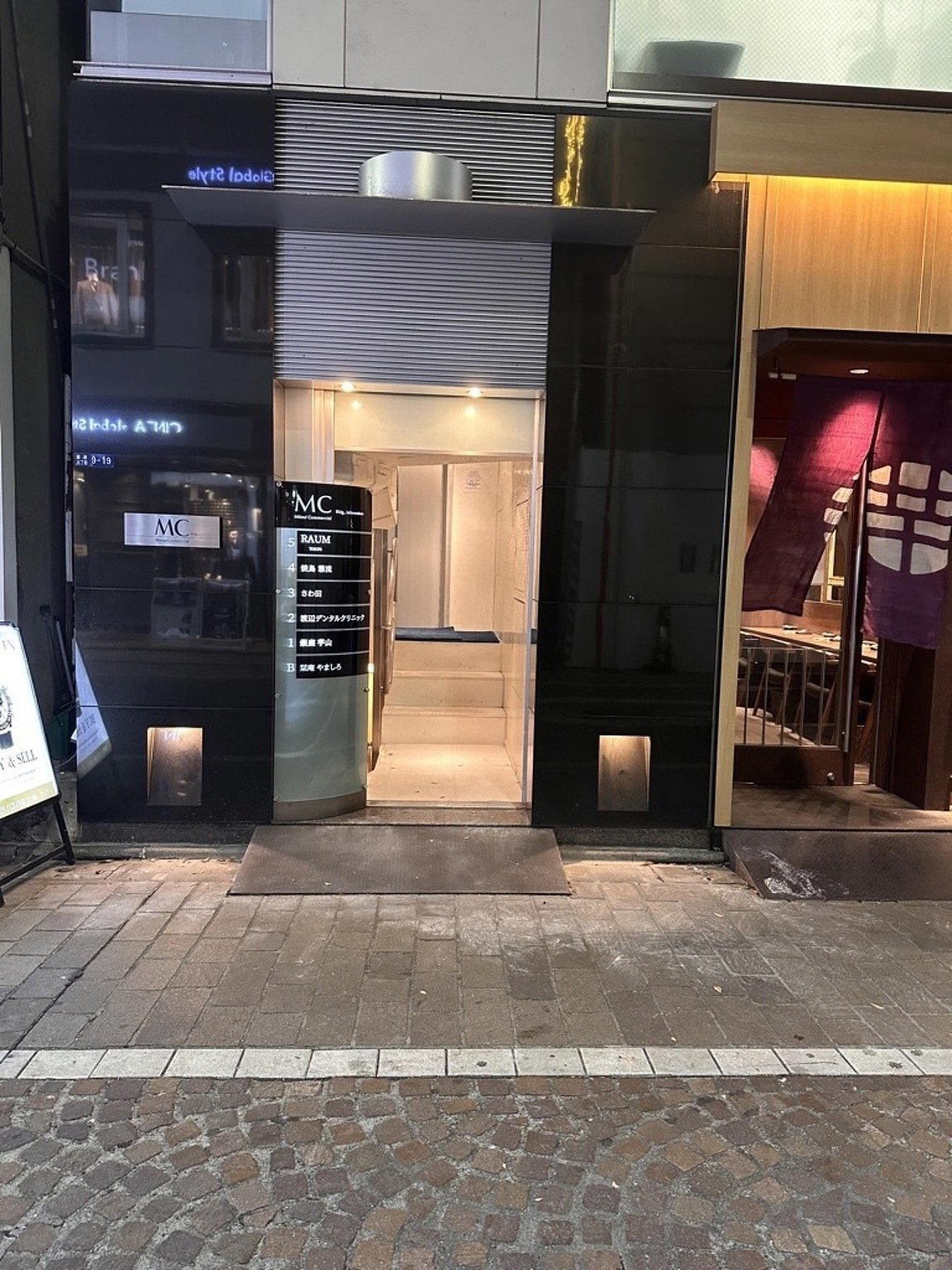
Chuo Ward's Shintomicho district sits east of the Ginza corridor, close enough to draw comparison with the capital's most-discussed dining streets but distinct in character. The neighbourhood lacks the foot traffic of Ginza or the media saturation of Minami-Aoyama, which means the restaurants that establish themselves here tend to do so on the strength of reservation demand rather than ambient visibility. Ajiyuki opened in October 2022 at the ground floor of the Vann Amor building on Minato 3-chome, three minutes on foot from Shintomicho Station. The entrance is low-key by design; the Tabelog location tag reads "hideout," which describes the address more precisely than any marketing language could.
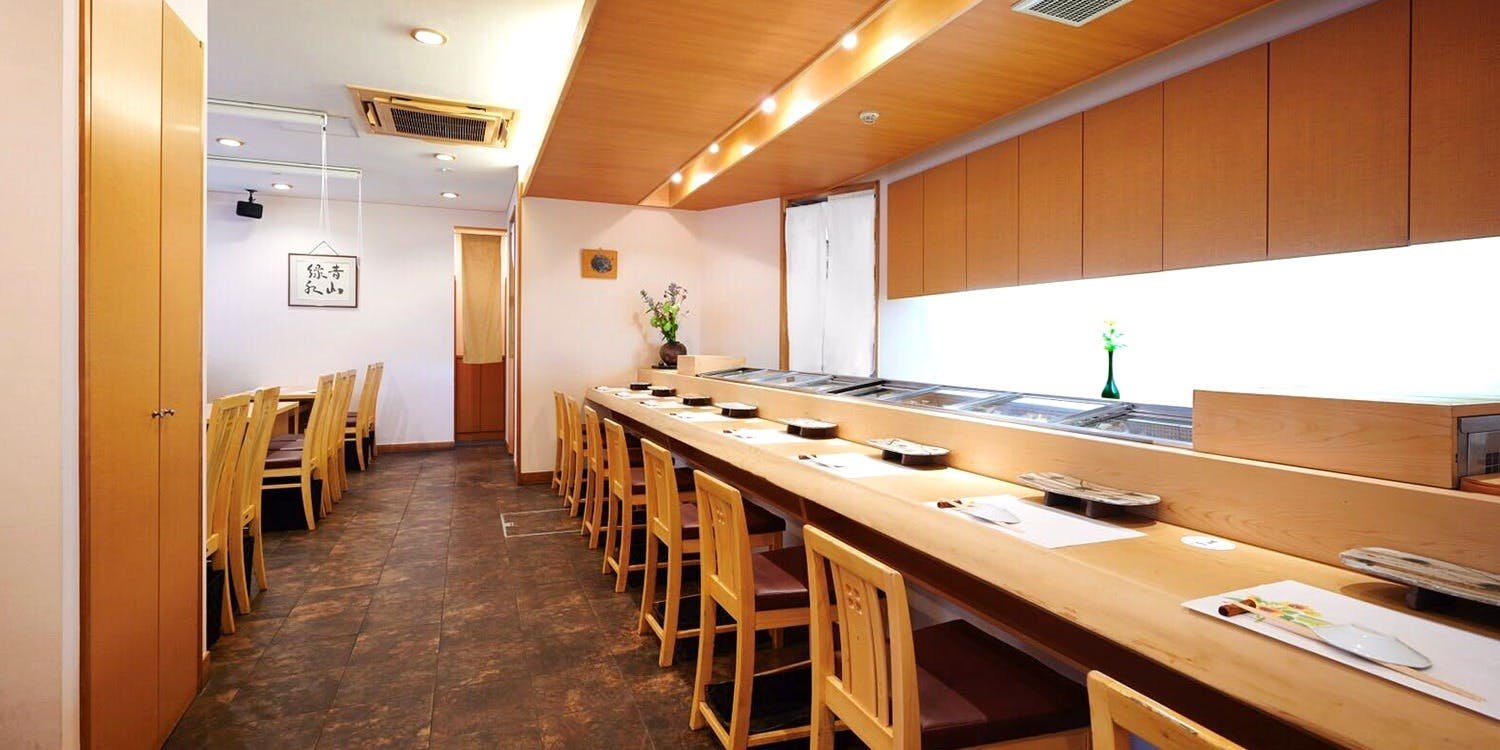
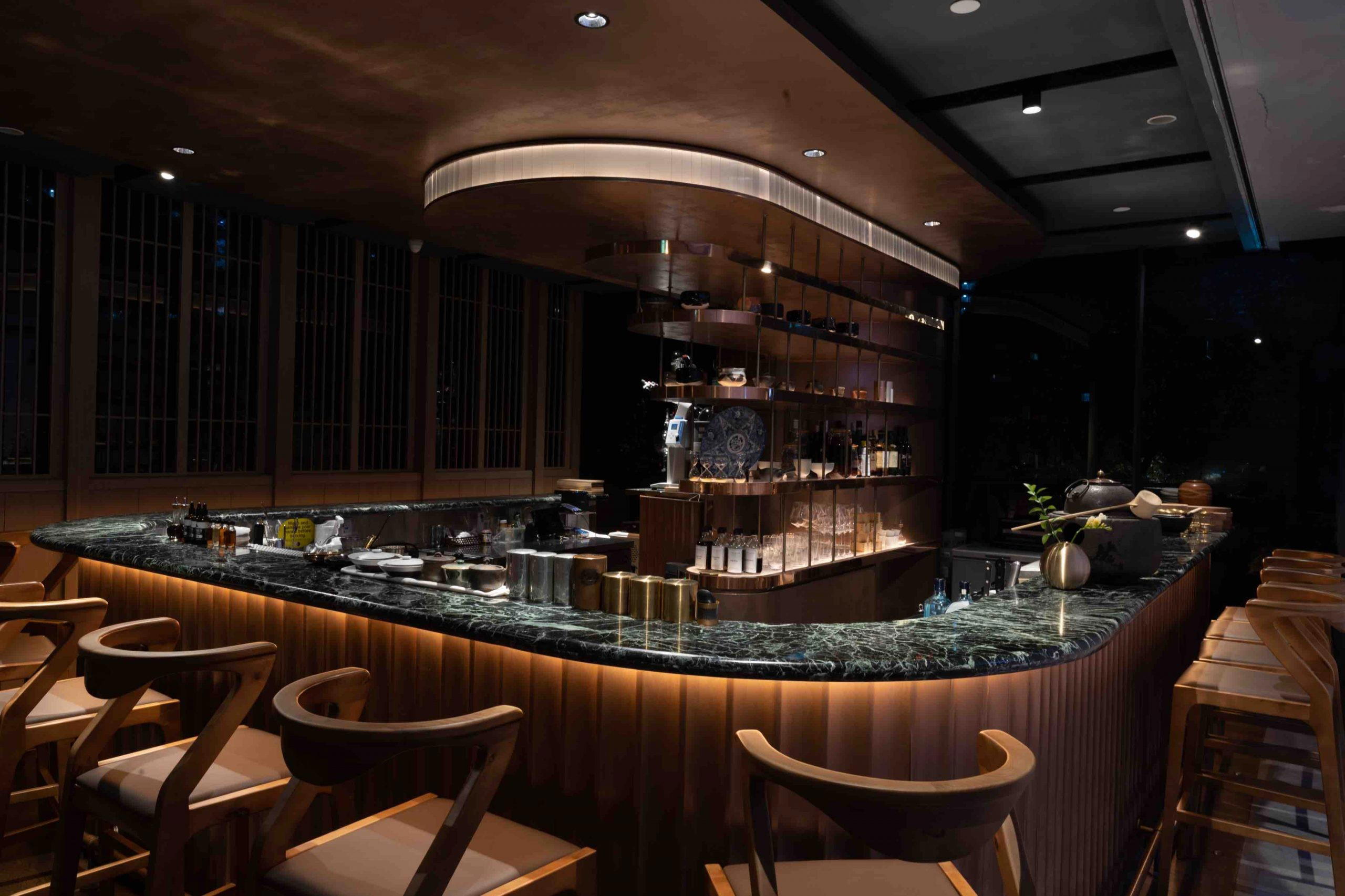
The room itself holds seven seats, all at the counter. That configuration is not unusual in Tokyo's premium washoku tier, where the counter format signals direct chef engagement and an absence of theatrical filler. What is less common is a room of this size sustaining a Tabelog score of 4.36 within two years of opening, earning Bronze recognition in both 2025 and 2026, and securing selection in the Tabelog Japanese Cuisine Tokyo 100 for 2025. That trajectory puts Ajiyuki in a competitive bracket alongside counters with considerably longer operating histories.
Where Ajiyuki Sits in Tokyo's Japanese Cuisine Tier
Tokyo's washoku scene operates across a wide price band, but the tier between JPY 30,000 and JPY 50,000 per head at dinner represents a specific competitive layer. It sits below the multi-starred kaiseki rooms RyuGin operates at the top of that bracket with three Michelin stars and a kaiseki format built around seasonal extremity, but well above the neighbourhood izakaya or mid-range omakase that populates the JPY 10,000–15,000 range. At this price point, diners expect a coherent seasonal agenda, ingredient sourcing that can be articulated course by course, and a counter experience that justifies the format's intimacy rather than simply deploying it as aesthetic.
Ajiyuki's stated food emphasis is fish, which places it in a sub-tradition within Japanese cuisine where the chef functions as something between a fishmonger and a cook: sourcing drives the menu as much as technique does. This is a different proposition to the vegetable-led restraint of some kaiseki traditions, and it invites comparison with the philosophy underlying premium sushi counters. Harutaka, operating at a comparable price tier with three Michelin stars, represents the peak of that fish-focused counter format in Ginza.
For readers comparing washoku across Japan, the contrast with dedicated kaiseki houses elsewhere is instructive. Gion Sasaki in Kyoto operates within Kyoto's stricter seasonal and presentation conventions; HAJIME in Osaka pushes the format toward a more conceptual register. Ajiyuki's Chuo address and fish-priority approach anchor it firmly in Tokyo's own idiom: direct, ingredient-led, counter-focused. See our full Tokyo restaurants guide for broader context on the city's Japanese cuisine tier.
The Drink Program: Sake and Shochu at a Fish Counter
The editorial angle most relevant to Ajiyuki's positioning concerns the drink program, specifically, what it signals about the kitchen's priorities and the implied dining contract. The listed drinks are sake (nihonshu) and shochu. There is no mention of a wine list, and no indication that the counter has moved toward the sake-and-natural-wine hybrids now common at Tokyo's more internationally oriented omakase rooms.
At a fish-focused counter in this price bracket, sake selection matters in the way a wine list matters at a French restaurant: it either deepens the seasonal argument the kitchen is making or it functions as an afterthought. The absence of a detailed publicly available sake list is consistent with the counter's broader information-minimal profile (no official website, no public menu), which in turn is consistent with the referral-only reservation structure. The assumption, within this model, is that the diner arrives already oriented, introduced by a previous guest, briefed on the format, prepared for the fish-led sequence.
That opacity is a deliberate curation signal rather than an operational gap. Counters that withhold public menus and operate through referral networks in Tokyo typically do so to manage the composition of the dining room. A seven-seat counter is too small for a mismatch between kitchen intent and diner expectation to be absorbed without disruption. The drink program's focus on sake and shochu rather than a broader selection reinforces the argument that the kitchen wants every element of the table pointing in the same direction: Japanese technique, Japanese ingredient sourcing, Japanese ferment.
For comparison, the French-influenced rooms that sit adjacent to this price tier in Tokyo, L'Effervescence with its three Michelin stars, Sézanne in the Four Seasons, or the more recent Crony, maintain wine lists that are central to the dining proposition. At Ajiyuki, sake occupies that structural role, and the depth and curation of the nihonshu selection would be the first thing worth asking about when confirming a reservation.
Solo Dining and the Counter Ethic
Tabelog explicitly flags Ajiyuki as solo dining-friendly, and the counter configuration makes the logic self-evident. A seven-seat counter with no private rooms and a maximum party of seven means the room is essentially one shared experience regardless of how many guests arrive independently. Solo diners at this price point are not an afterthought in Tokyo's washoku tier; they represent a significant portion of the reservation demand, particularly midweek, and counters that handle solo guests well tend to develop a loyal repeat-visitor base that functions as informal recruitment for the referral system.
The counter ethic in premium Japanese dining is worth understanding on its own terms before booking. It is not a bar format adapted for food service; it is a presentation format where the physical proximity of chef and diner is the point. Seasonal produce gets explained. Sourcing decisions get context. At a fish-focused counter like Ajiyuki, that conversation is almost certainly about where the fish came from, how it was handled, and why this particular cut appears on this particular evening. That exchange requires a diner who is present in the interaction, not distracted by a large table or a private room's remove from the kitchen.
Planning Your Visit
Ajiyuki sits in the Vann Amor building on Minato 3-chome in Chuo Ward, approximately three minutes on foot from Shintomicho Station. The counter is closed on Sundays, and hours beyond that should be confirmed directly, as the restaurant notes that business hours and closed days are subject to change. Reservations operate on a referral-only basis, access requires an introduction from a previous guest or an established intermediary, which is consistent with the counter's positioning and size. Dinner averages JPY 30,000–39,999 at the listed rate, with actual per-head spend tracking closer to JPY 40,000–49,999 based on aggregated diner reviews. Credit cards are accepted (Visa, Mastercard, JCB, Amex, Diners); electronic money and QR code payment are not. The room is non-smoking and seats a maximum of seven. No parking is available on site.
For visitors building a multi-city itinerary, it is worth cross-referencing Ajiyuki against Japanese cuisine counters elsewhere in the country: Goh in Fukuoka, akordu in Nara, and 1000 in Yokohama each occupy adjacent or overlapping positions in the premium Japanese dining conversation. For international points of reference at a comparable price register, Le Bernardin in New York and Atomix in New York address fish-focused and Korean-influenced counter formats respectively. For accommodation and other Tokyo planning resources, see our Tokyo hotels guide, Tokyo bars guide, Tokyo wineries guide, and Tokyo experiences guide. For a more remote comparison, 6 in Okinawa takes a different regional approach to Japanese ingredients at a premium counter format.
Frequently asked questions
Where is Ajiyuki located?
Ajiyuki is located at Japan, 〒104-0043 Tokyo, Chuo City, Minato, 3 Chome−4−2 vann amor 1階, Tokyo.
What days is Ajiyuki closed?
Hours at Ajiyuki: ■Closed onSundays.
Has Ajiyuki won any awards?
Ajiyuki has received recognition including:
What do regulars order at Ajiyuki?
Ajiyuki runs an omakase format, meaning the kitchen, not the diner, determines what arrives at the seven-seat counter. The menu is built around fish sourcing, so what a regular encounters on any given evening depends entirely on seasonal availability. There is no à la carte selection. Sake and shochu are the stated drinks program, positioned to complement rather than compete with the kitchen's fish focus.
What is Ajiyuki known for?
Ajiyuki is recognised for its fish-centred Japanese cuisine served at a seven-seat counter in Shintomicho, Chuo Ward. The restaurant holds Tabelog Bronze Awards for both 2025 and 2026 and carries a reviewer score of 4.36, placing it among the selections in Tabelog's Japanese Cuisine TOKYO 100 list for 2025. Access is by reservation only, and the listing explicitly notes referral as a requirement, an arrangement that keeps the counter within a specific network of diners.
Can Ajiyuki accommodate dietary restrictions?
Ajiyuki's kitchen is built around fish, and the counter format means the chef constructs the menu rather than adapting individual courses on request. Diners with significant fish or seafood restrictions should communicate directly with the restaurant before booking, as the omakase structure leaves limited room to reroute around the core ingredient. Reservations require referral, so the appropriate moment to raise dietary concerns is during the reservation inquiry. No formal dietary accommodation policy is listed in the restaurant's available information.
How difficult is it to get a reservation at Ajiyuki, and what is the booking process?
Ajiyuki operates on a reservation-only basis with a referral requirement, meaning a direct booking without an existing connection to the restaurant is unlikely to succeed through conventional channels. The counter holds seven seats, the maximum party size for a full private booking, which limits total covers per service. Tabelog classifies the venue's location as a 'hideout,' consistent with a restaurant that does not actively solicit walk-in or cold-contact diners. Prospective guests without an existing referral path should approach through a concierge or network contact familiar with Chuo Ward's closed-counter circuit.
Pricing, Compared
Comparable venues nearby, for context on price, style, and recognition.
| Venue | Cuisine | Price | Awards | Notes |
|---|---|---|---|---|
| AjiyukiThis venue (the venue you are viewing) | Kyoto-Style Japanese Kaiseki | $300–500 | Tabelog Bronze #10 | Not listed |
| Aoyagi - 青柳 | Edomae Sushi Omakase | $150–200 | La Liste Top Restaurants | Minato, Edomae Sushi Omakase |
| Sushi Suzuki | Orthodox Edomae Omakase | $200–300 | Tabelog Bronze #438 | Chūō, Orthodox Edomae Omakase |
| Meat Hanayagi | Wagyu Kaiseki Omakase | $300–500 | 1 Michelin Star · Tabelog Bronze #167 | Chūō, Wagyu Kaiseki |
| Gorio | Traditional Japanese Charcoal-Grilled Tajima Beef Steakhouse | $200–300 | Tabelog 100 #3 | Chūō, Traditional Japanese Charcoal-Grilled Tajima Beef Steakhouse |
| Kikuchi | Traditional Kappo Kaiseki | $100–150 | Not listed | Taitō, Traditional Kappo Kaiseki |
Recognition history
Dated appearances from independent guides and award organizations, with the underlying list record or original source where available.
Tabelog Bronze #10
Tabelog
Full recognition history (3 entries)
Tabelog 100 #27 · No. 27
Tabelog · Tabelog 100 - Japanese cuisine - TOKYO - 2025
Tabelog Bronze
Tabelog
Continue exploring
More in Tokyo
Restaurants in Tokyo
All restaurants in Tokyo →
Bars in Tokyo
All bars in Tokyo →



Details
- Intimate
- Elegant
- Quiet
- Sophisticated
- Special Occasion
- Date Night
- Chefs Counter
- Open Kitchen
- Sake Program
- Local Sourcing
- Counter Dining
- Tasting Menu
- Sake
- Shochu
- Allergy Accommodating
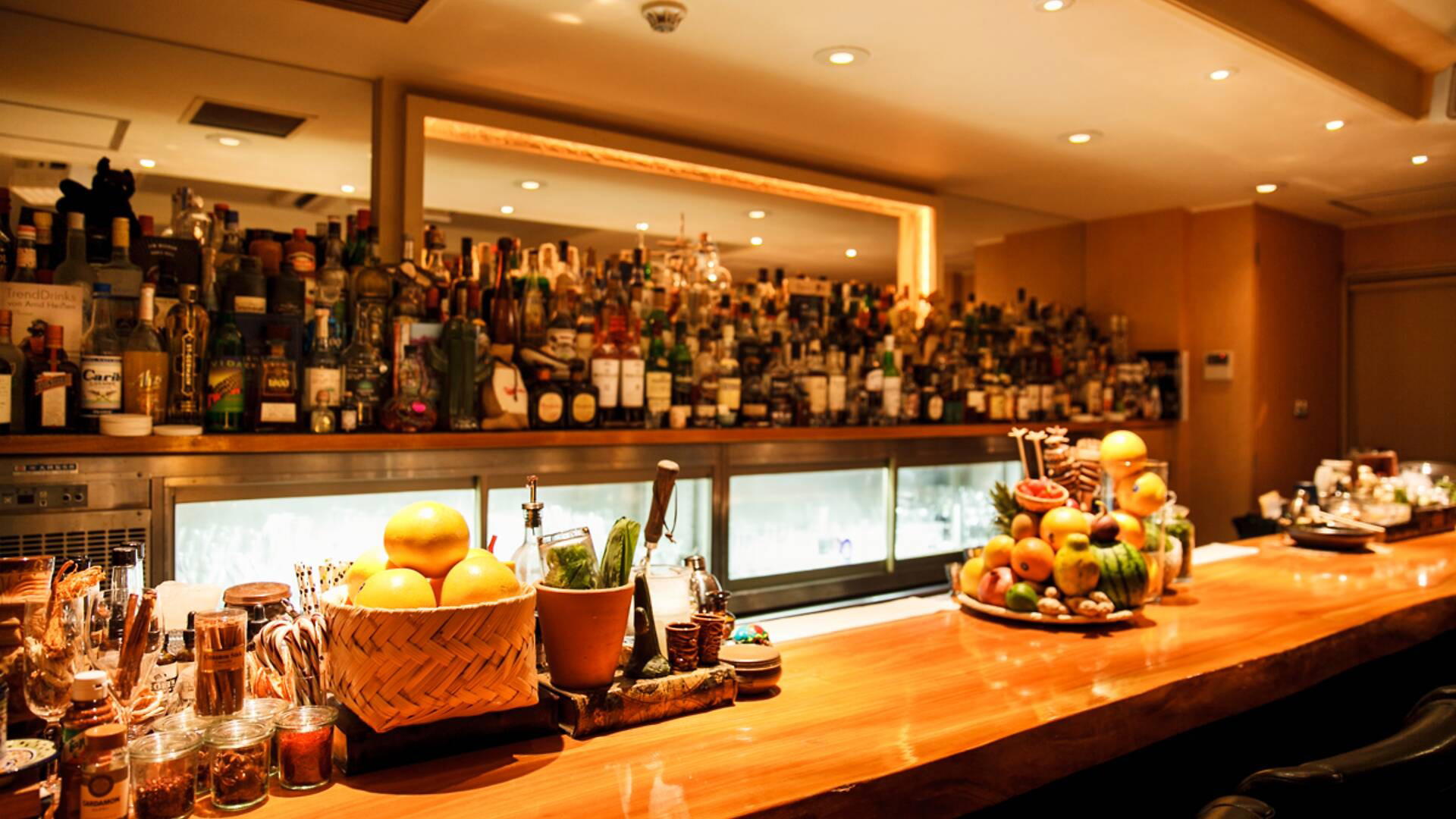
Intimate, serene counter setting with warm hospitality; simple yet refined presentation emphasizing ingredient quality over flashy performances.