


Ranked #228 in Opinionated About Dining's Top Restaurants in Asia (2024) and holding a Michelin star, Yong Yi Ting sits 21 feet underground in Lujiazui's Mandarin Oriental Pudong, where floor-to-ceiling glass opens onto a sunken patio and the kitchen delivers refined Jiangnan cooking rooted in Shanghainese and Jiangzhe tradition. It is one of Shanghai's clearest cases for what contemporary reinterpretation of a regional cuisine can achieve at fine-dining scale.
Pearl is the En Primeur Club membership app — saves, bookings, and concierge access live there. Same editors, same standards.
- Address
- China, CN 上海市 浦东新区 浦东南路 899 899号9层910 邮政编码: 200120
- Phone
- +86 21 5081 2795
- Website
- mandarinoriental.com
 Saves & bookings on Pearl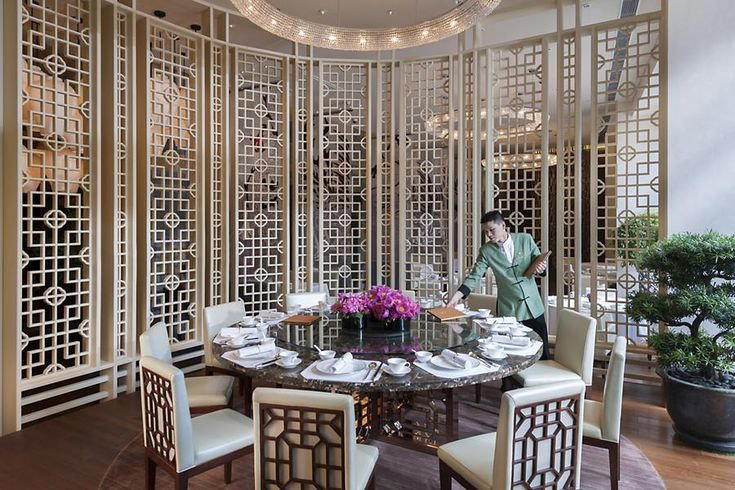
Beneath Lujiazui: The Setting That Frames the Food
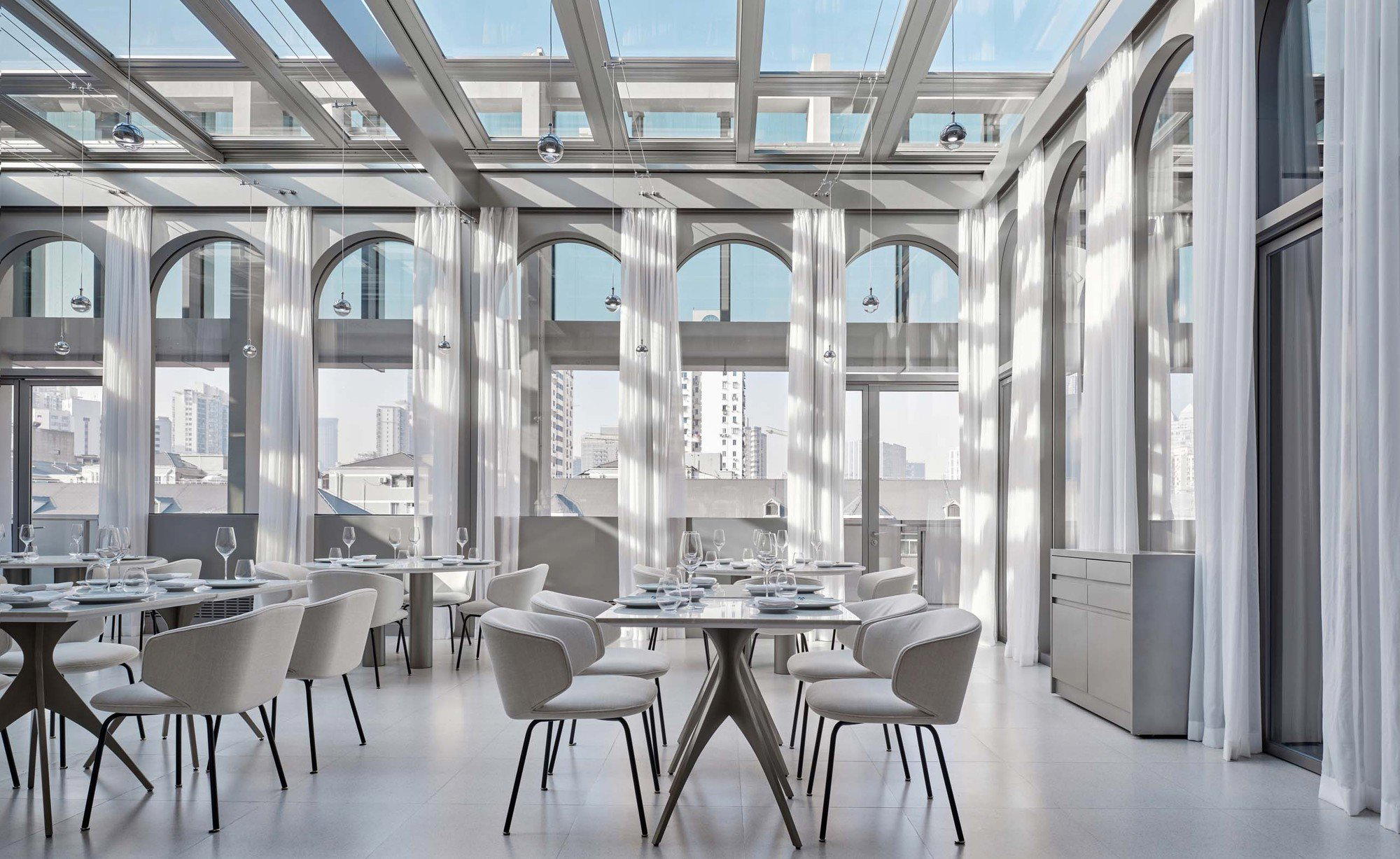
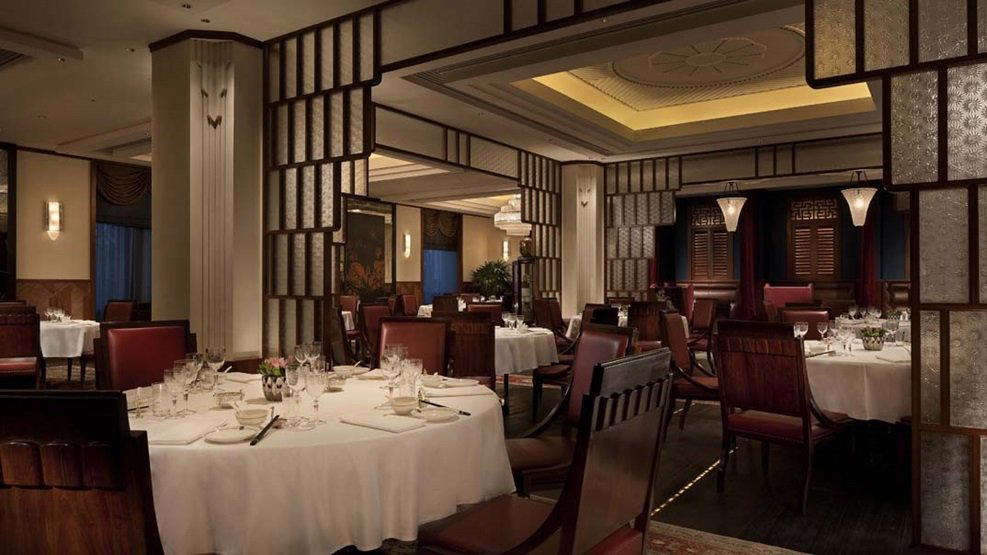
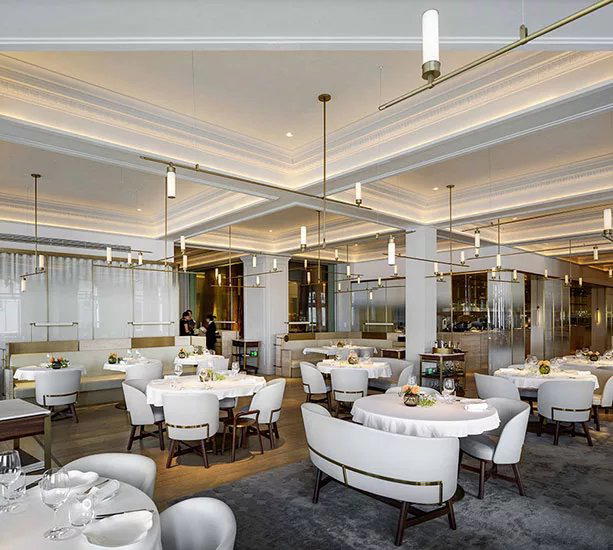
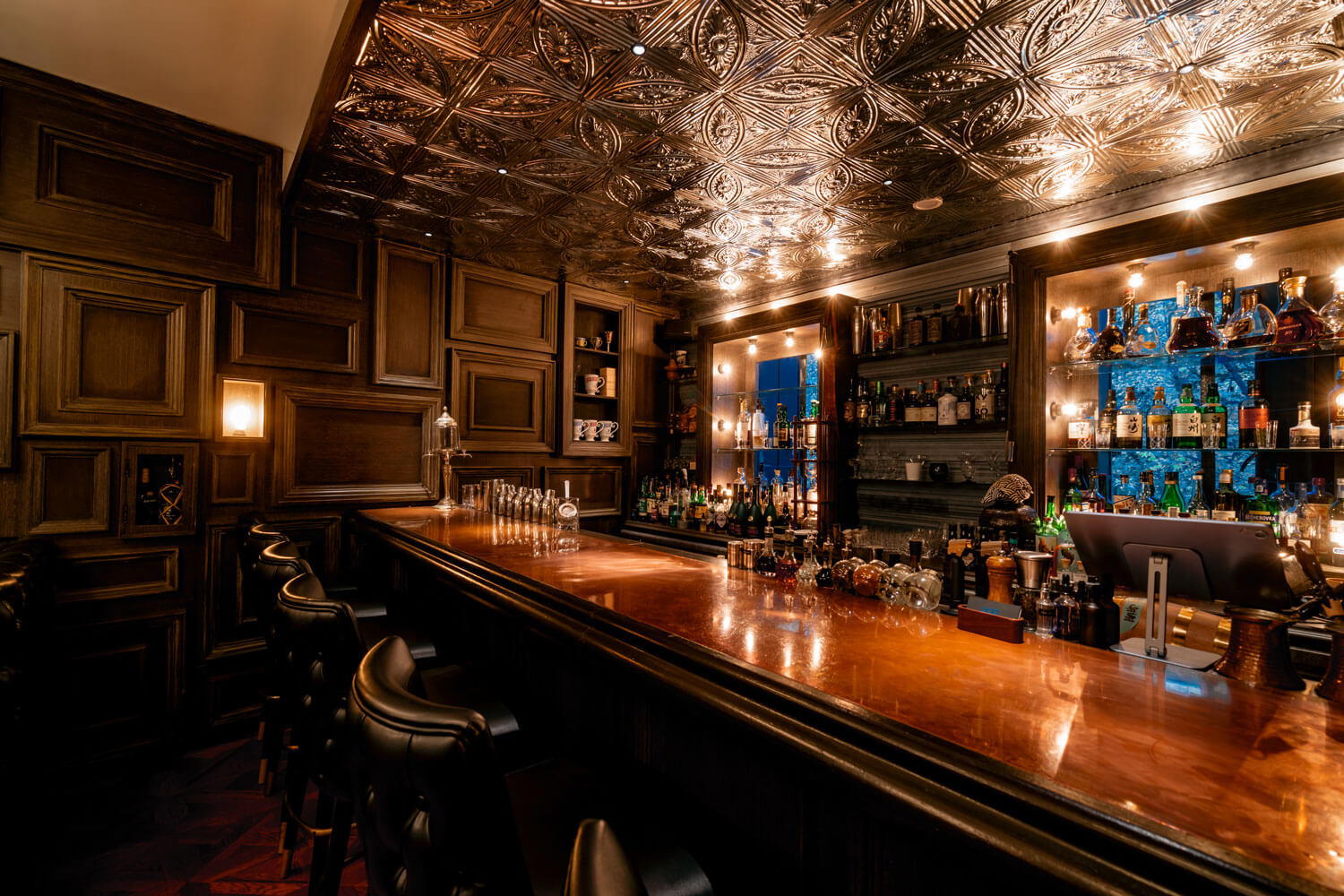
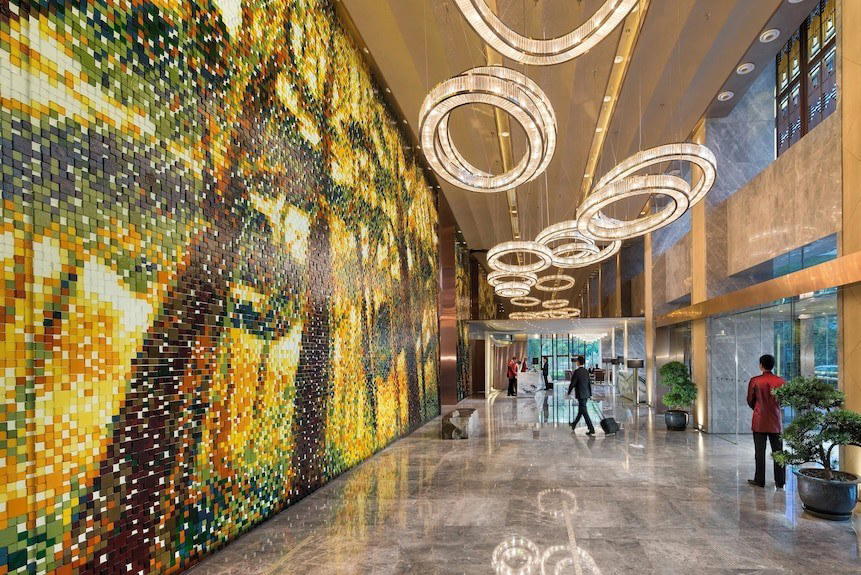
Arriving at Yong Yi Ting requires a descent. A private entrance to the Mandarin Oriental Pudong leads down a corridor with ceilings rising to 18 feet, the path lit by low-hanging pebble-shaped chandeliers that cast soft pools of light across the floor. The transition from the financial district above to this underground dining room is deliberate: the architecture works as a decompression chamber before the meal begins. Once inside, the 10,000-square-foot space splits sharply between a European-inspired wine bar finished in dark mahogany, black marble, and crocodile leather, and a main dining room washed in cream and pale wood, with silk dividers separating booth seating and large round tables topped in white marble. Eight private dining rooms run along the perimeter, designed as glass boxes sitting above black marble and slate, some opening onto the sunken patio, others enclosed by stone walls with Chinese motifs. During the day, floor-to-ceiling glass draws natural light down from that patio, a feat of design that makes being 21 feet below ground feel less like a basement and more like a garden pavilion. New York-based Dash Design and Brandimage executed the fit-out in 2013, working across a portfolio that spans dining and luxury retail. The result is a room that locates itself firmly in Chinese imperial register without feeling museological.
Jiangnan Cooking and Its Fine-Dining Moment
The Jiangnan region, the fertile basin south of the Yangtze River, encompassing Shanghai, Hangzhou, Suzhou, and Nanjing, produces one of China's most codified and ingredient-sensitive cuisines. The cooking here is historically light-handed: freshwater fish, seasonal vegetables, and careful seasoning built around sweetness, umami, and fragrance rather than heat or spice. What Yong Yi Ting contributes to this tradition is refinement without rupture. The post-renovation space is styled to evoke Jiangnan's water towns, with perforated screens referencing Suzhou's garden architecture and sheer curtains printed with ink brushstrokes. The design is a visual argument for the kitchen's approach: classical form, contemporary execution.
Across Shanghai's fine-dining Chinese tier, the challenge is consistent. Shanghainese and Jiangzhe cuisines are less internationally familiar than Cantonese or Sichuan, which means the audience is narrower and the interpretive stakes are higher. Restaurants like 102 House work within Cantonese parameters; Fu He Hui abstracts Chinese tradition through a vegetarian lens at a higher price point. Yong Yi Ting holds a different position: Michelin-starred, regionally specific, and operating within a luxury hotel framework that brings an international dining audience into contact with a cuisine they may be encountering seriously for the first time. That context shapes how the menu is built and how dishes are presented.
The Kitchen's Editorial Choices
Chef Fu Yue Liang leads the kitchen, with Tony Lu serving as culinary consultant. Lu's wider influence on Shanghai's Shanghainese fine-dining conversation, developed through his Fu restaurant group, gives Yong Yi Ting a connection to an ongoing local dialogue about what Jiangnan cooking should look like at this tier. Several dishes on the menu are pre-order items, a signal of kitchen confidence in requiring advance commitment from guests: the Hangzhou-style minced fish ball with green peas is among them. Pre-ordering that dish is advisable; it is the kind of preparation that depends on sourcing and timing in ways a kitchen cannot absorb ad hoc.
The crispy pomfret in sweet soy is cited as a signature. Deboned pomfret, deep-fried and glazed with a sweet-savory reduction, is an exercise in textural contrast and regional flavour logic: the sweetness is structured, not candied, and the dish operates inside a centuries-old Jiangnan preference for combining soy with sugar in ways that amplify rather than mask the fish. The braised boneless beef rib with hickory introduces a gentle smokiness to the soy-braised format, which is unusual for the region but not without precedent in the broader Jiangzhe repertoire. Small portion sizes across the menu make multi-dish sampling the practical approach, which aligns with how this style of cooking is best understood: as a sequence rather than a single large plate. At lunch, the kitchen moves to dim sum, with Qiandaohu rice flour dumplings and four-colour dumplings offering entry points at a different price register.
Chef Tam's Seasons in Macau applies a similar logic to Cantonese tradition at a higher award tier. Xin Rong Ji on West Nanjing Road pursues Taizhou cuisine with comparable regional focus. What distinguishes Yong Yi Ting is its anchoring in the Jiangnan tradition specifically, a cuisine that remains underrepresented in the international fine-dining conversation relative to its depth. For comparison within the broader Jiangnan dining world, Ru Yuan in Hangzhou offers a useful regional parallel from the cuisine's heartland.
Recognition and Competitive Position
Yong Yi Ting holds one Michelin star. A one-star Michelin rating in Shanghai, where the guide has become a meaningful differentiator in a dense fine-dining market, places Yong Yi Ting in a tier that includes technically rigorous kitchens across multiple cuisines.
Taian Table operates at the innovative end, while 8½ Otto e Mezzo Bombana holds the Italian fine-dining position in the market. Yong Yi Ting's comparable set, however, is more precisely defined by its cuisine type than by price alone. Shanghainese and Jiangzhe cooking at this level has fewer representatives in the city's award-tracked tier, which makes Yong Yi Ting's dual recognition from Michelin and OAD more significant as a signal of kitchen quality. Comparable Jiangnan-rooted fine dining in other cities includes Xin Rong Ji in Beijing and Xin Rong Ji in Chengdu, while Imperial Treasure Fine Chinese Cuisine in Guangzhou and Dai Yuet Heen in Nanjing illustrate how regional Chinese fine dining is developing across different urban markets. Internationally, the shift toward precision and restraint in East Asian fine dining is also visible in establishments like Le Bernardin and Atomix in New York, where technique-first philosophies define the room's expectations.
Planning Your Visit
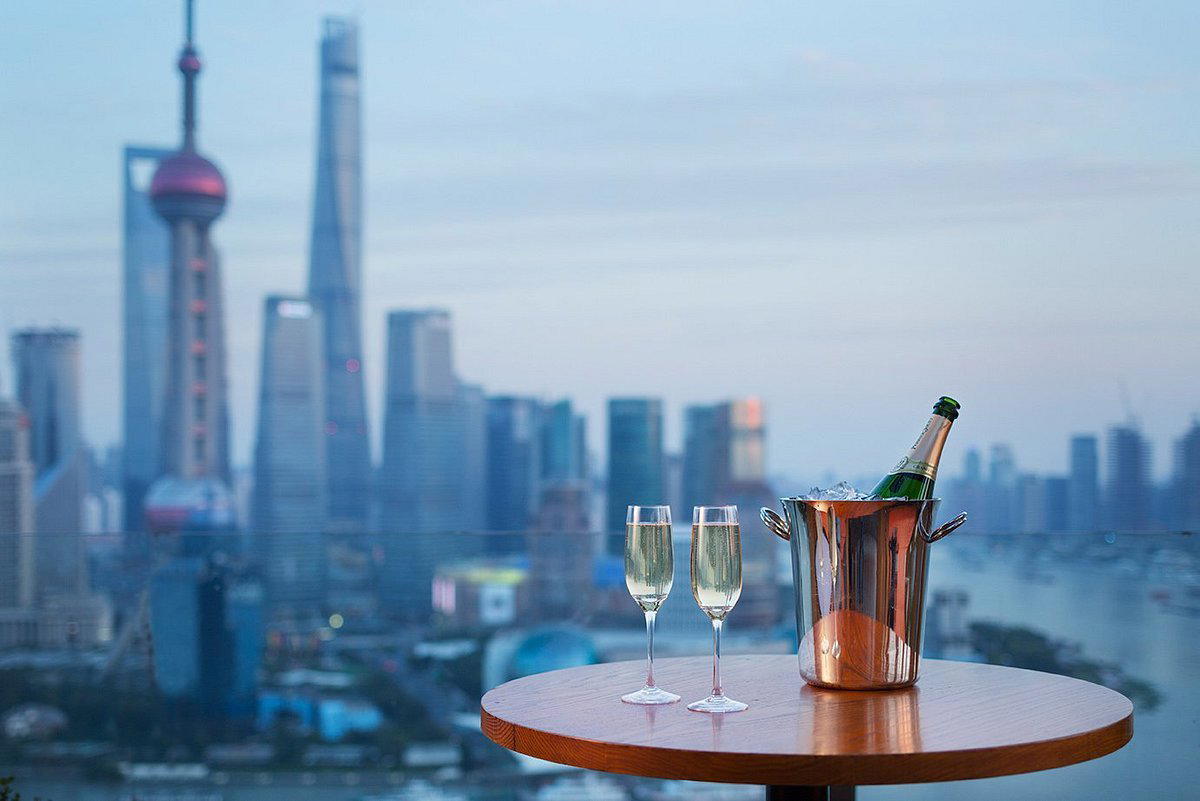
Yong Yi Ting sits within the Mandarin Oriental Pudong at 111 Pudong Road South, in Lujiazui along the Huangpu River Promenade. The location places it inside Shanghai's financial and luxury hospitality corridor, accessible from both Pudong and Puxi. Given the Michelin status and the structured private dining architecture, reservations are strongly advisable, particularly for private rooms and pre-order dishes like the Hangzhou-style fish ball preparation. The lunch dim sum service offers a lower-commitment entry point to the kitchen before committing to a full dinner format.
How Yong Yi Ting Compares: Quick Reference
| Venue | Cuisine | Price | Awards | Format |
|---|---|---|---|---|
| Yong Yi Ting | Shanghainese, Jiangzhe | ¥¥¥ | Michelin 1 Star; OAD #241 Asia (2025) | Fine dining, private rooms, lunch dim sum |
| Fu He Hui | Vegetarian Chinese | ¥¥¥¥ | Michelin-starred | Tasting menu, abstracted tradition |
| 102 House | Cantonese | ¥¥¥ | Michelin-recognised | A la carte and set menus |
| Taian Table | Modern European, Innovative | ¥¥¥¥ | Multiple Michelin stars | Counter tasting menu |
At a Glance
Comparable venues nearby, for context on price, style, and recognition.
| Venue | Cuisine | Price |
|---|---|---|
| Yong Yi TingThis venue — the venue you are viewing | Shanghainese, Jiangzhe | $$$$ |
| Fu 1088 | Jing An Si, Shanghainese | $$$$ |
| Yi Long Court | Lan Ni Du, Cantonese | $$$$ |
| Seventh Son | Lan Ni Du, Traditional Cantonese Dim Sum | $$$$ |
| Obscura | Hongkou, Modern Innovative Chinese | $$$$ |
| Sole | Zhoujiaqiaq, High-end Cantonese | $$$$ |
At a Glance
- Elegant
- Sophisticated
- Intimate
- Quiet
- Business Dinner
- Special Occasion
- Celebration
- Private Dining
- Hotel Restaurant
- Extensive Wine List
Elegant space evoking Jiangnan water towns with perforated screens mimicking Suzhou gardens, sheer curtains with ink strokes, traditional elements, natural stones, and gilded accents creating a tranquil, modern dining environment.