1 Michelin Star · Black Pearl 1 Diamond
Our verdict
A Hong Kong-rooted Cantonese institution operating in Pudong since 2014, Seventh Son brings the technical discipline of dried seafood, roast meats, and dim sum to Shanghai's right bank. The lunch dim sum program runs to more than 30 varieties, while the sautéed osmanthus egg with crabmeat and shredded shrimp stands as the kitchen's defining test of Cantonese precision.

Pearl is the En Primeur Club membership app, where members save venues, book tables and use the concierge.
The menu
What to order
- Crispy Skin Chicken
- Roasted Pork Belly
- Sautéed Osmanthus Egg with Crabmeat
- BBQ Pork Buns
Cantonese Cooking in a City That Mostly Wants Shanghainese
Shanghai's restaurant culture is dominated by its own regional canon: red-braised pork, hairy crab in season, sweetened soy sauces, and the particular richness of Shanghainese cuisine. Cantonese cooking occupies a smaller, more deliberate niche here. It travels well in theory but demands technical infrastructure that many transplant kitchens quietly compromise on. Dried seafood takes months of sourcing knowledge to maintain. Roast meats require dedicated equipment and daily calibration. A dim sum program with genuine range needs a brigade trained in the Cantonese tradition, not a reduced interpretation of it. In the ¥¥¥ price tier, the Cantonese options in Shanghai are few, and the standard varies considerably. Seventh Son, the Hong Kong-based chain that opened its Pudong branch in 2014, has spent a decade building the kind of reputation that does not depend on novelty.
That reputation rests on something direct: a kitchen that treats the Cantonese canon seriously. The menu covers dried seafood, soups, roast meats, and stir-fries, which is to say it covers the structural pillars of the cuisine rather than cherry-picking for a tourist-friendly shortlist. Regulars return because the execution holds. At this price point and with this lineage, that consistency is the argument.
The Hong Kong Connection and What It Means
Cantonese cuisine, as it exists in its most codified form, belongs to Hong Kong. The diaspora carried versions of it to cities worldwide, but the concentrated technical tradition, the dedication to wok heat and knife skill, the whole philosophy of letting quality ingredients appear at their own natural register, evolved most intensely in Hong Kong's restaurant culture across the twentieth century. Venues like Forum in Hong Kong represent the apex of that lineage. When a Hong Kong-based group expands into mainland China, the quality signal travels with the brand only if the kitchen standards hold. Seventh Son's decade of operation in Shanghai, and the loyalty it has accumulated, suggest they have held.
The comparison set in mainland China for this style of cooking is relatively sparse but growing. Chef Tam's Seasons in Macau and Imperial Treasure Fine Chinese Cuisine in Guangzhou operate in adjacent territory, while Dai Yuet Heen in Nanjing extends the map further inland. Outside the Cantonese tradition but within the broader fine Chinese dining space, Xin Rong Ji in Beijing and Xin Rong Ji in Chengdu demonstrate how regional Chinese cooking can sustain serious recognition across cities. Le Palais in Taipei represents another point on the Cantonese diaspora map, operating at the highest tier. Seventh Son in Shanghai sits in a middle bracket of this geography: more accessible than the absolute apex but technically serious in a way that distinguishes it from the volume-driven Cantonese chains.
The Dim Sum Program
Dim sum is the most visible measure of a Cantonese kitchen's range and discipline. A program of 30-plus varieties, which is what Seventh Son delivers at lunch, requires the kitchen to maintain skill across fundamentally different techniques simultaneously: steaming, frying, baking, and the particular craft of wrapper-making in its multiple forms. The barriers to doing this well are higher than they appear on a menu card. A mediocre kitchen can list 30 varieties; executing them with consistent texture and flavour ratios across a full service is a different matter.
The osmanthus egg with crabmeat and shredded shrimp functions as a diagnostic dish in this context. It is not a showpiece of rare ingredients or theatrical presentation. It is a test of wok technique: heat control, timing, and the ability to bind delicate proteins without overcooking them. Cantonese cooking uses osmanthus as a flavour metaphor as much as a direct ingredient, its fragrance lending a particular aromatic register to egg dishes that is easy to flatten with too much heat or too little attention. That this dish is identified as the kitchen's signature says something about the kitchen's sense of priority.
Pudong, the River Wing, and Where This Fits
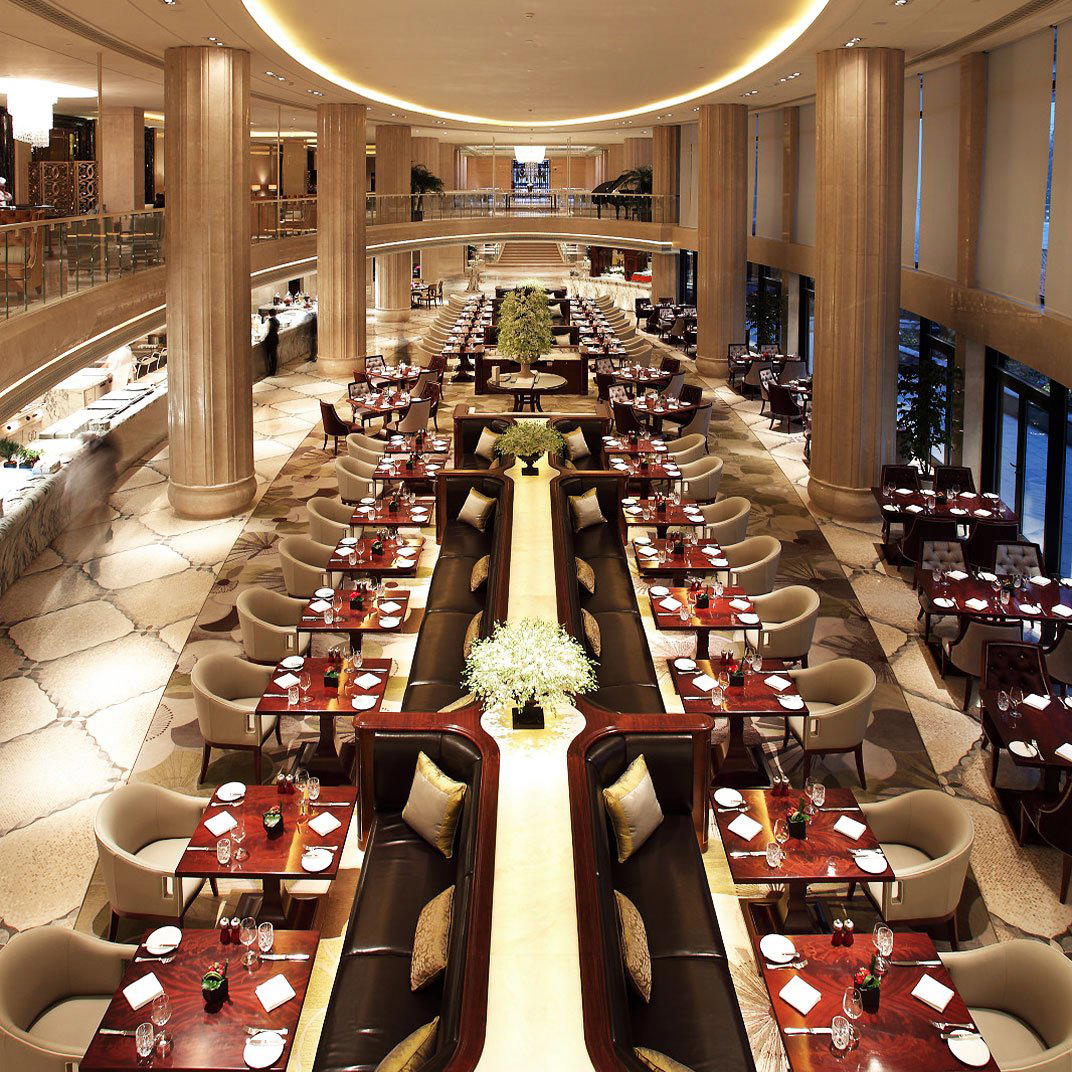
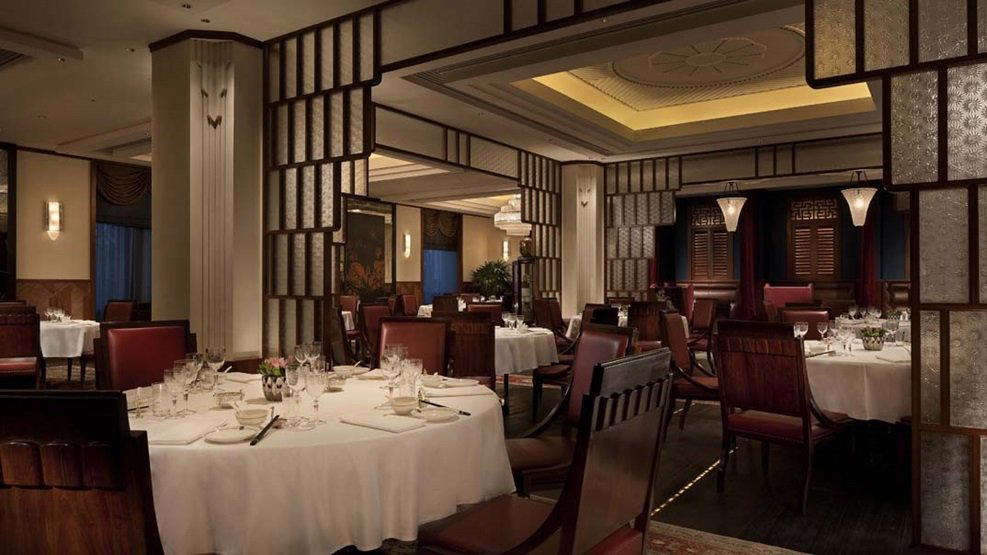
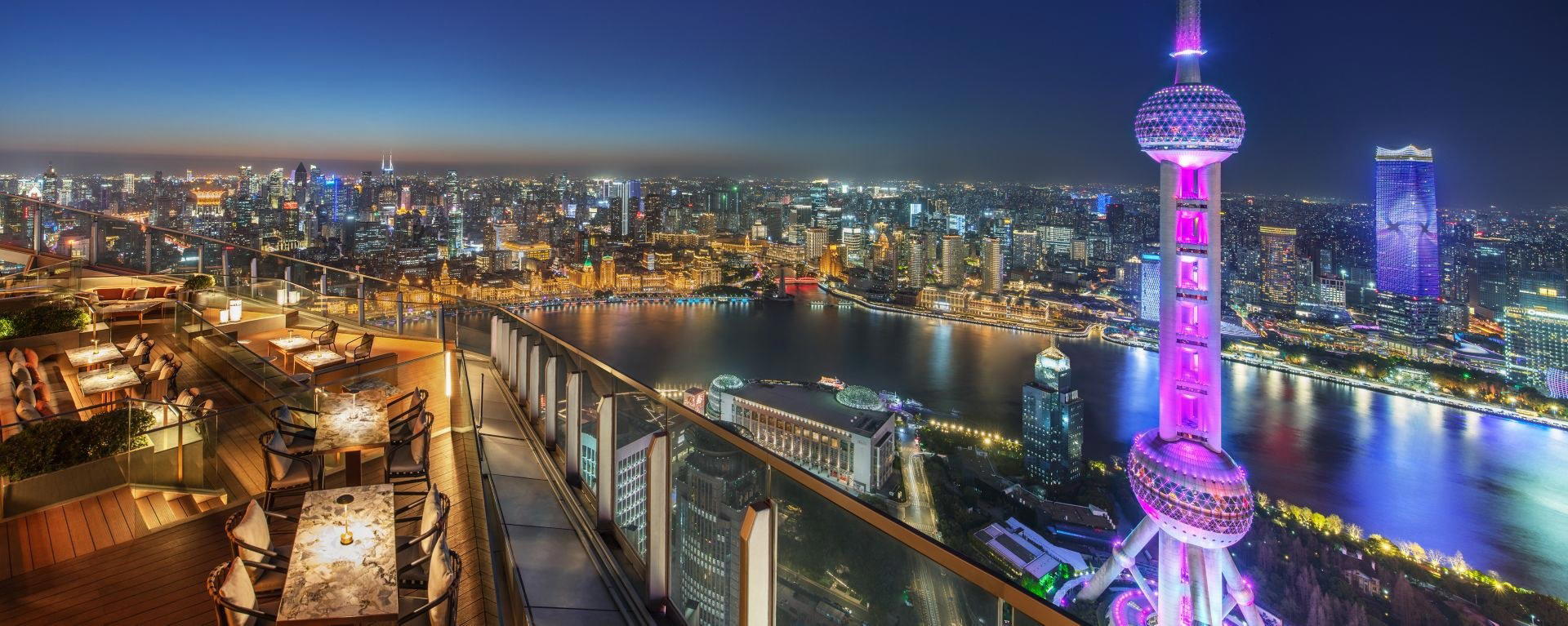
The River Wing of 33 Fu Cheng Road places Seventh Son in Pudong's commercial district, a neighbourhood whose restaurant culture skews toward hotel dining rooms and business-lunch formats. The address suits Cantonese cooking: the cuisine has always had a professional register alongside its family one, and the business lunch or celebratory dinner remains one of its primary contexts. The traditionally decorated dining room signals clearly to this audience. There is no reinvention here, no fusion gesture, no attempt to make Cantonese cuisine look contemporary by stripping it back to a minimal aesthetic. The room communicates continuity, which for a cuisine as technically rooted as this one is a coherent editorial choice.
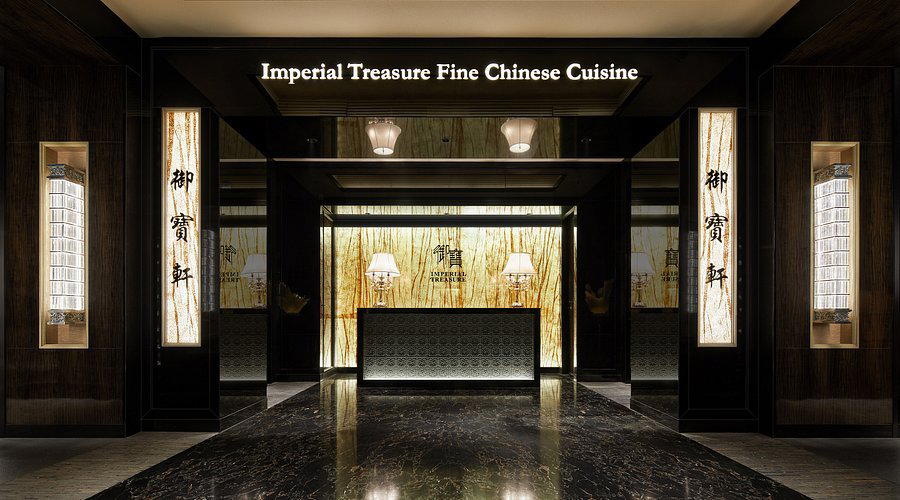
Within Shanghai's broader Cantonese offering, Seventh Son operates at the same price tier as several competitors. Canton 8 in Huangpu and Bao Li Xuan cover adjacent territory, while Imperial Treasure Fine Chinese Cuisine Shanghai sits in the same competitive frame. Ji Pin Court and 102 House round out the picture of what serious Chinese dining looks like at this price point in the city. For a different angle on Shanghai's Chinese restaurant scene, Ru Yuan in Hangzhou offers a useful regional contrast within day-trip distance.
A Pudong business-district restaurant serving traditional Cantonese cooking at ¥¥¥ pricing that has sustained a loyal following since 2014 is not coasting on novelty or location advantage. It is doing the basic work of Cantonese hospitality consistently enough that people return and recommend it.
For a fuller picture of what Shanghai offers across all categories, see our full Shanghai restaurants guide, our full Shanghai hotels guide, our full Shanghai bars guide, our full Shanghai wineries guide, and our full Shanghai experiences guide.
Know Before You Go
- Address: Level 2, River Wing, 33 Fu Cheng Road, Pudong, Shanghai
- Cuisine: Cantonese
- Price tier: ¥¥¥
- Dim sum service: Lunch, with 30-plus varieties available
- Signature dish: Sautéed osmanthus egg with crabmeat and shredded shrimp
- In operation since: 2014
- Origin: Hong Kong-based group
Frequently asked questions
What kind of recognition has Seventh Son received?
Seventh Son has received recognition including: The Hong Kong based chain opened this comfortable, traditionally decorated branch in 2014 and it’s been attracting a loyal fan base ever since. It delivers a traditional Cantonese menu, with the technical skills of the chef evident in dishe….
What's the pricing like at Seventh Son?
Pricing at Seventh Son is listed as ¥¥¥.
What do regulars order at Seventh Son?
The sautéed osmanthus egg with crabmeat and shredded shrimp is the kitchen's identified speciality, and it functions as the clearest signal of the kitchen's technical register. Beyond that, the 30-plus dim sum varieties at lunch draw the most consistent repeat visits, alongside the dried seafood preparations and roast meats that anchor the broader Cantonese menu.
What style of cooking does Seventh Son do?
What part of town is Seventh Son in?
Seventh Son is located at Level 2, River Wing, 33 Fu Cheng Road, Pudong, Shanghai, China, Shanghai.
Booking and Cost Snapshot
A quick peer list to put this venue’s basics in context.
| Venue | Cuisine | Price | Awards | Notes |
|---|---|---|---|---|
| Seventh SonThis venue (the venue you are viewing) | Traditional Cantonese Dim Sum | $50–100 | 1 Michelin Star · Black Pearl 1 Diamond | Not listed |
| Fu He Hui | Modern Seasonal Vegetarian Fine Dining | $200–300 | 2 Michelin Stars · World's 50 Best #11 | Vegetarian |
| Ming Court | Cantonese with Shanghainese Influences | $30–50 | 1 Michelin Star · Black Pearl 1 Diamond | Cantonese |
| Polux | French Bistro | $30–50 | Michelin Bib Gourmand | French |
| Royal China Club | Cantonese Dim Sum | $100–150 | Michelin Plate · The Good Food Guide GFG Good | Chinese, Cantonese |
| Scarpetta | Refined Italian Pasta & Pizza | $50–100 | Michelin Plate · Wine Spectator Best of Award of Excellence | Italian |
Recognition history
Dated appearances from independent guides and award organizations, with the underlying list record or original source where available.
Michelin 1 Star
Michelin
Black Pearl 1 Diamond
Black Pearl