Our verdict
Yoi Izakaya on Mespil Road sits within Dublin's growing appetite for Japanese drinking-dining formats, where sharing plates and considered pours define the pace. The izakaya model, built on informality and repetition rather than occasion dining, has found a receptive city. This is the kind of address that rewards regulars who know how to order.

Pearl is the En Primeur Club membership app — saves, bookings, and concierge access live there. Same editors, same standards.
- Address
- 71 Mespil Rd, Dublin, D04 XA71, Ireland
- Phone
- +35315981799
- Hours
- Daily 12–10 PM
- Website
- yoiizakaya.ie
- Directions
- Get directions
- Booking
- Book on OpenTable
The menu
What to order
- Yoi Soul Ramen
- Dragon Roll
- Gyuniku Donburi
- Salmon Tataki
- Tuna Tataki
The Izakaya Format in a City Still Learning It
Dublin's relationship with Japanese dining has followed a familiar European arc: sushi chains and ramen shops arrived first, then a tier of more considered operators began filling the gaps between fast-casual and the kaiseki formality represented by a room like Liath in Blackrock. The izakaya sits between those poles. It is, structurally, a drinking establishment where food is serious but secondary to the rhythm of the evening, a format that Tokyo and Osaka have refined over centuries into something that feels both casual and demanding of attention. Mespil Road, a canal-side stretch south of the Grand Canal that functions as a mid-tier business and residential corridor, is a plausible address for this kind of operation: neighbourhood enough to attract regulars, central enough to draw cross-city traffic.
Yoi Izakaya occupies that specific position in Dublin's Japanese dining tier. The izakaya format, when executed with discipline, resists the occasion-dining logic that governs so much of Dublin's premium restaurant scene. There is no tasting menu arc to follow, no sommelier-curated flight to surrender to. The meal moves at the pace the table sets, through small plates ordered in rounds, with drinks chosen to match the mood rather than a prescribed progression. That informality is, paradoxically, where the serious drinking and eating happens.
Drinks as the Organizing Principle
In a properly run izakaya, the drinks list is not an afterthought appended to the food menu. It is the menu's structural partner. Japanese whisky, sake in multiple temperature registers, shochu, and a thoughtful selection of beer and low-intervention wine tend to define the better rooms in this category globally. The izakaya tradition positions alcohol as the reason for gathering and food as what sustains the gathering, which means the depth and intelligence of the pours matter as much as the kitchen output.
Dublin has seen this logic applied selectively across different cuisine types. The natural wine movement reshaped how a number of Irish restaurants think about their lists, producing a generation of operators at places like Bastible and D'Olier Street who treat the cellar as a curatorial statement rather than a compliance exercise. The izakaya context demands a different but parallel discipline: sake selection requires understanding of rice polishing ratios, yeast strains, and regional styles across Niigata, Hiroshima, and Kyoto production zones in the same way that a serious wine list requires regional granularity. Whether Yoi's list reaches that depth is something a visit would confirm, but the format itself sets that expectation.
For comparison, the ambition of Japanese-leaning beverage programs in Europe has been demonstrated at rooms like Atomix in New York City, where Korean fine dining applies a similar curatorial seriousness to its beverage selection, treating pours as integral to the editorial logic of the meal rather than optional additions.
What the Canal-Side Setting Implies
Mespil Road runs along the southern bank of the Grand Canal between Leeson Street and Baggot Street, a stretch that has accumulated a mixture of office buildings, apartment blocks, and neighbourhood-serving hospitality. It is not a dining destination street in the way that Dublin's city centre or the South William Street corridor functions, which means venues here tend to rely more heavily on repeat custom and word-of-mouth than on walk-in discovery traffic. That dynamic suits the izakaya model well. The format rewards familiarity: regulars learn which plates repay ordering in multiples, which seasonal specials arrive and disappear, and how to pace a two-hour session without it collapsing into excess or stalling into formality.
The canal itself provides the kind of ambient geography that changes character with the season. Late spring and summer evenings along this stretch carry a particular quality of light that aligns with the unhurried pace the izakaya format is built around. Autumn and winter push the dynamic inside, where the warmth of a considered drinks program becomes more central to the experience.
Dublin's Japanese Dining Tier: Where Yoi Sits
Positioning an izakaya within Dublin's broader Japanese dining hierarchy requires acknowledging that the city's offer in this category remains thinner than comparable European capitals. London, Amsterdam, and Paris each support multiple izakaya formats at different price points. Dublin's Japanese dining has historically concentrated around sushi counters and ramen-focused operations, with the more considered end of the spectrum represented by a handful of addresses. The izakaya format, with its emphasis on shareability and session-length drinking, is a different proposition from the precision counter dining associated with omakase formats or the kaiseki tradition explored at destinations like Terre in Castlemartyr.
Within Dublin's city-centre dining circuit, the rooms drawing the most sustained critical attention tend toward Modern Irish and Modern European formats: Chapter One by Mickael Viljanen and Patrick Guilbaud at the formal end, Glovers Alley in the middle tier. The Japanese izakaya sits outside that critical conversation almost by design. It is not competing for the same occasion or the same type of attention.
Across Ireland more broadly, the addresses generating serious culinary discussion tend to cluster around Irish produce and European technique, from Aniar in Galway to Bastion in Kinsale, Campagne in Kilkenny, Chestnut in Ballydehob, Homestead Cottage in Doolin, House in Ardmore, Lady Helen in Thomastown, and dede in Baltimore. The izakaya format operates in a parallel register to all of those, which is part of what makes it worth understanding on its own terms. For our full coverage of where Dublin's restaurant scene currently stands, see our full Dublin restaurants guide.
Planning Your Visit
The izakaya format is most productive when approached with time and appetite for repetition rather than a fixed sequence. Arriving early in the evening and ordering in rounds across two hours tends to produce a better result than treating it as a quick dinner. The canal-side location on Mespil Road is accessible from the city centre by a short walk south from Baggot Street or from the Grand Canal Dock area.
| Venue | Format | Price Tier | Leading For |
|---|---|---|---|
| Yoi Izakaya | Izakaya, sharing plates | Not confirmed | Casual session dining, sake exploration |
| Chapter One | Modern tasting menu | €€€€ | Formal occasion dining |
| Bastible | Modern Irish, à la carte | €€€€ | Natural wine focus, neighbourhood feel |
| D'Olier Street | Modern Cuisine | Not confirmed | City-centre, contemporary format |
Frequently asked questions
What should I expect atmosphere-wise at Yoi Izakaya?
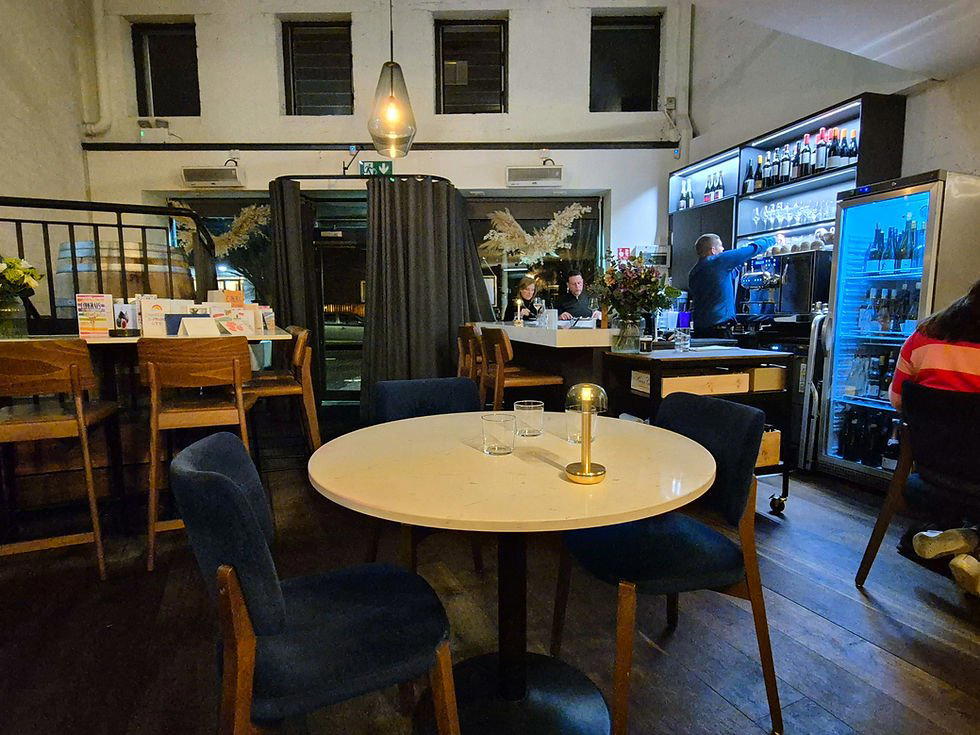
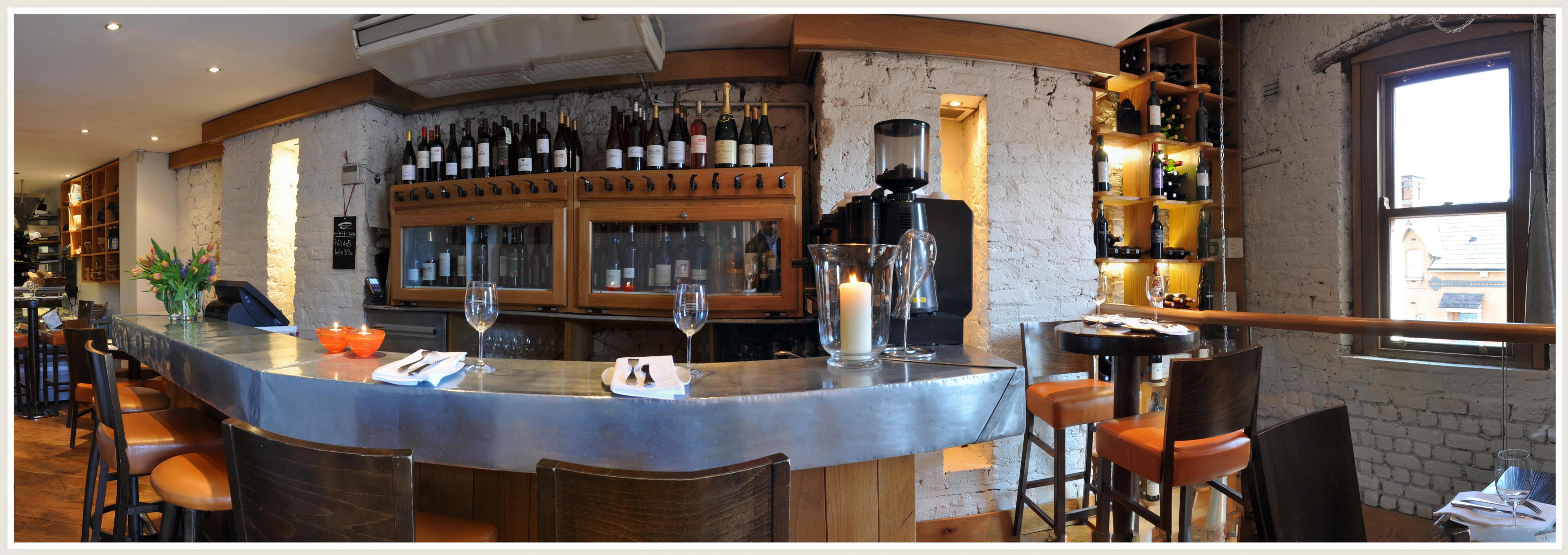
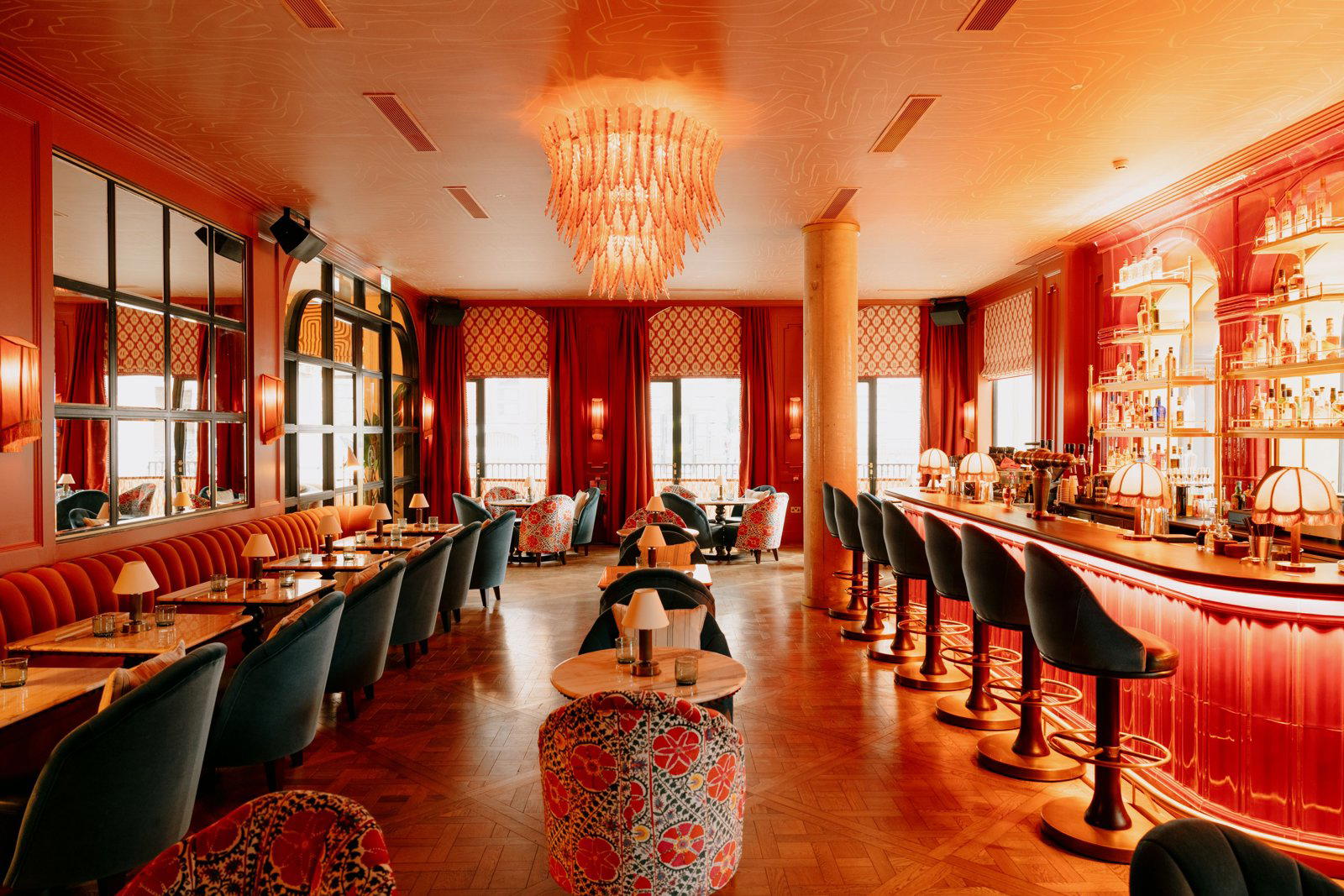
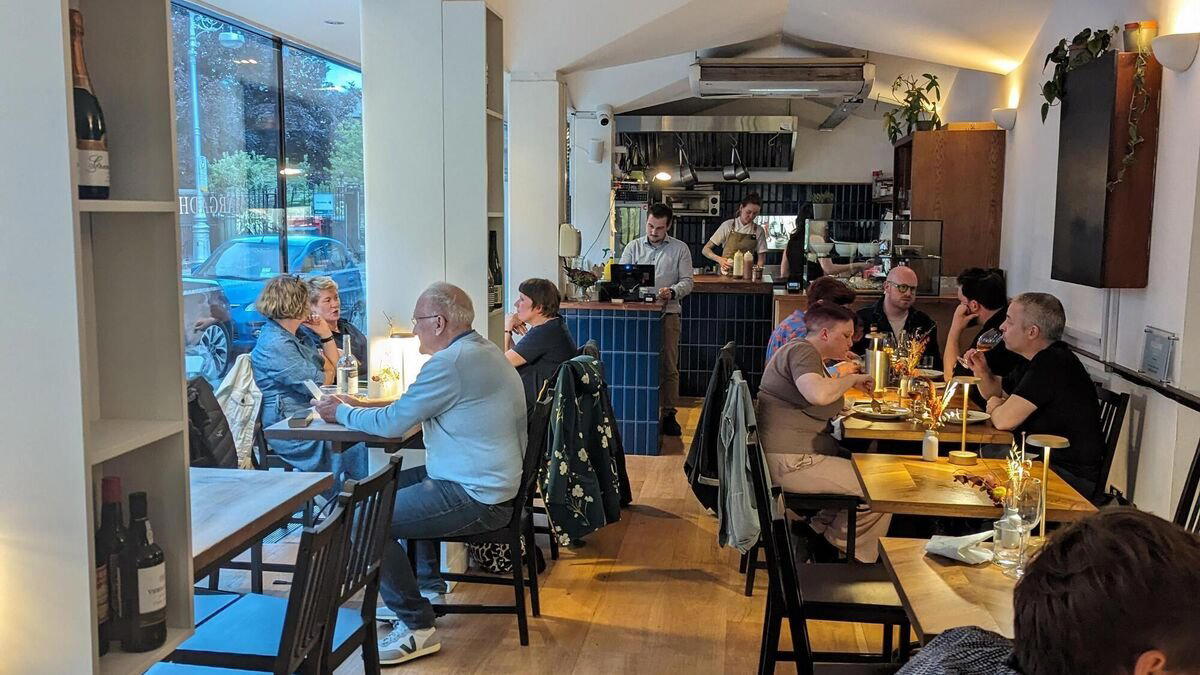
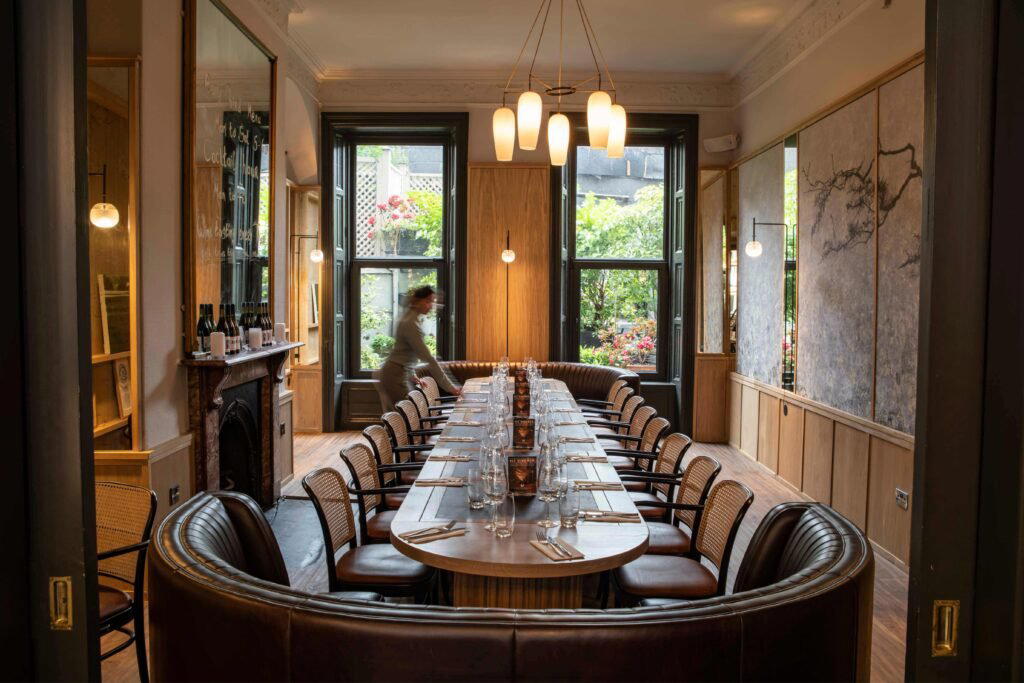
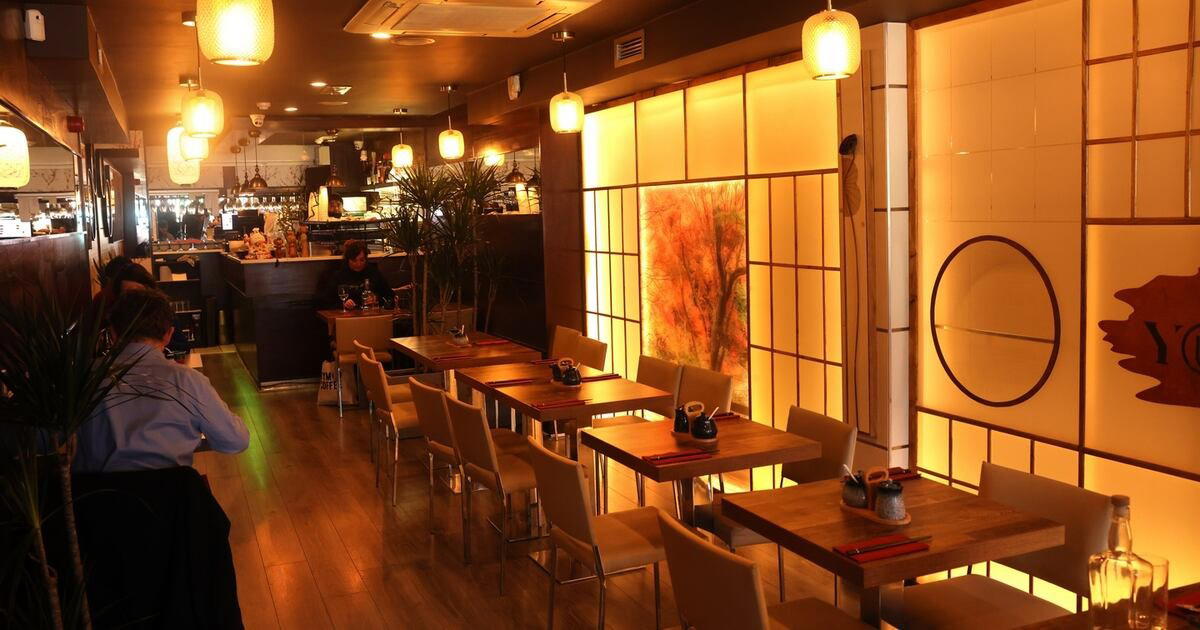
Yoi Izakaya occupies a spot on Mespil Road along the Grand Canal, a stretch of Dublin that sits between the office corridors of Baggot Street and the residential quiet of Leeson Street. The izakaya format sets the tone: convivial and drink-forward rather than formal, designed around lingering over shared plates rather than progressing through a fixed sequence. Expect a room calibrated for groups sharing multiple rounds rather than solitary tasting menus.
How do I find Yoi Izakaya?
Yoi Izakaya is located at î71 Mespil Rd, Dublin, D04 XA71, Ireland, Dublin.
Is Yoi Izakaya a good option for after-work drinks and food in Dublin 4?
Mespil Road's position between the Baggot Street and Leeson Street office zones makes Yoi a natural candidate for the after-work occasion that izakayas in Japan are specifically built around. The format pairs drinks — sake, Japanese whisky, and their companions — with small plates designed for the rhythm of a long sitting rather than a quick dinner. Dublin 4 has limited Japanese dining at this register, which narrows the alternatives in the immediate area.
What dish is Yoi Izakaya famous for?
The izakaya format itself, however, organises the menu around small plates intended to pair with drinks rather than anchoring the meal to a single headline dish. Arriving with appetite for repetition and exploration, ordering several items across the menu, reflects how the format is meant to work.
Can I walk in to Yoi Izakaya?
Given the canal-side location and Dublin's growing appetite for credible Japanese dining, demand at the evening peak is worth accounting for. Contacting the venue directly before arriving without a reservation is the practical course.
What's the standout thing about Yoi Izakaya?
In Dublin's Japanese dining tier, which has historically leaned toward sushi and ramen rather than the izakaya drinking-kitchen model, Yoi represents one of the relatively few addresses approaching the format with drinks and food given equal structural weight. The Mespil Road address, running along the Grand Canal between Leeson Street and Baggot Street, also places it outside the central city cluster where most comparable venues concentrate.
Comparable Venues
Comparable venues nearby, for context on price, style, and recognition.
| Venue | Cuisine | Price | Notes |
|---|---|---|---|
| Yoi IzakayaThis venue — the venue you are viewing | Authentic Japanese Izakaya | $30–50 | Not listed |
| Yamamori North City | Authentic Japanese Sushi & Izakaya | $30–50 | North City |
| Diwali Restaurant Camden Street | Authentic Indian and Nepalese | $20–30 | Royal Exchange B |
| The Winding Stair | Modern Irish | $30–50 | North City |
| Gallaghers Boxty House | Traditional Irish Boxty House | $20–30 | North City |
| Pinocchio Restaurant | Authentic Italian | $20–30 | North City |