




Four restored Georgian townhouses on Merrion Street Upper form one of Dublin 2's most architecturally coherent luxury hotels. The Merrion holds 145 rooms and carries Leading Hotels of the World membership alongside a 94.5-point La Liste Top Hotels score for 2026. Its collection of 90 works by 19th- and 20th-century Irish artists, paired with classical gardens by Jim Reynolds, positions it firmly in Dublin's upper tier of heritage accommodation.
Pearl is the En Primeur Club membership app — saves, bookings, and concierge access live there. Same editors, same standards.
- Address
- Merrion St Upper, Dublin 2
- Phone
- +353 1 603 0600
- Website
- merrionhotel.com
- Directions
- Get directions
 Saves & bookings on Pearl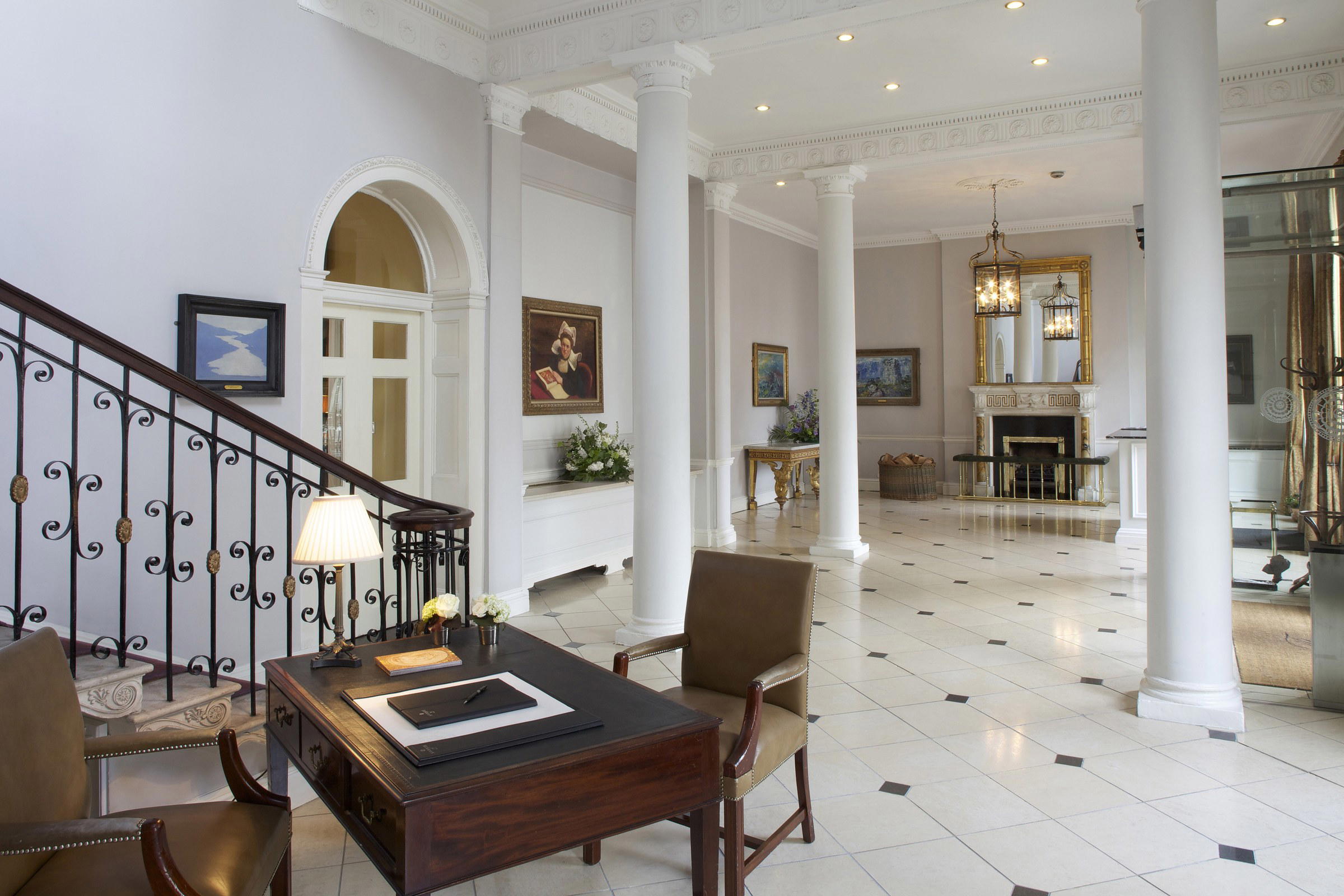
Four Georgian Houses, One Address That Defines Dublin Luxury
Approaching The Merrion along Merrion Street Upper, directly opposite the neoclassical facade of Government Buildings, you are already reading the context before you step through the door. This is Dublin 2 at its most composed: wide pavements, dressed stone, institutional gravity. The hotel itself comprises four Grade I Listed Georgian townhouses, restored and connected in the 1990s into a single property of 142 rooms and suites, plus a contemporary Garden Wing. The design was never trying to be modern. It was an act of conscious historical reconstruction, and that commitment has aged considerably better than the ironic postmodern gestures of the same era.
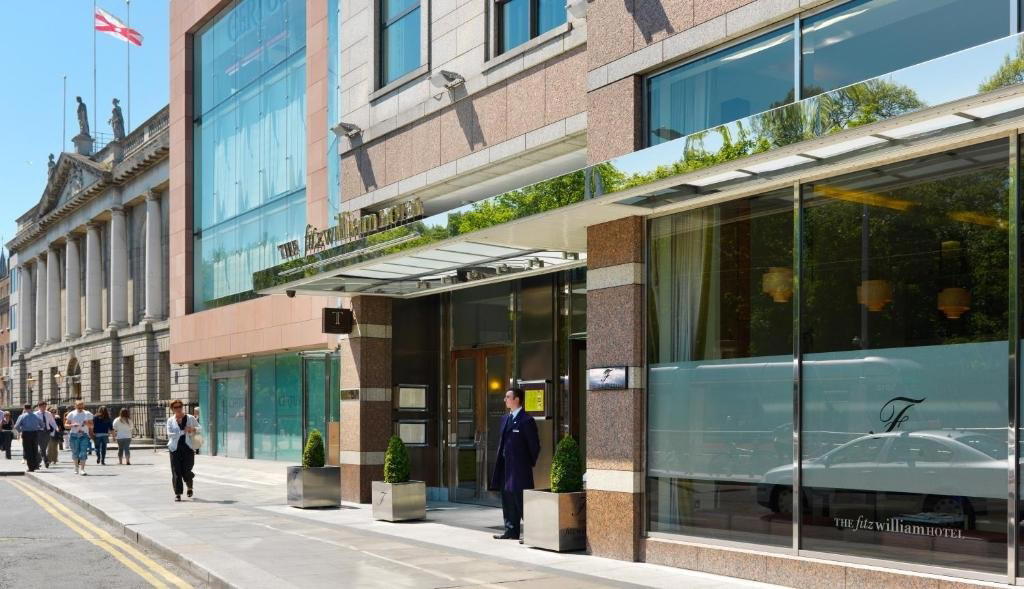
Dublin's five-star hotel tier occupies a specific competitive space. The Anantara The Marker Dublin Hotel and the InterContinental Dublin represent the international-brand end of that market, while properties like the Dylan Hotel sit at a design-boutique register. That combination of independent membership, global list placement, and sustained guest satisfaction is a credentialing triangle that few properties in Ireland can match.
The Architecture of Dining at The Merrion
The clearest way to read The Merrion's hospitality philosophy is through how its food and beverage offer is structured. Rather than consolidating everything into a single all-day restaurant, the property runs two distinct dining rooms at opposite ends of the formality spectrum, plus two separate bars. That architecture is a deliberate statement about the kind of guest the hotel expects to host, and what those guests want from an evening.
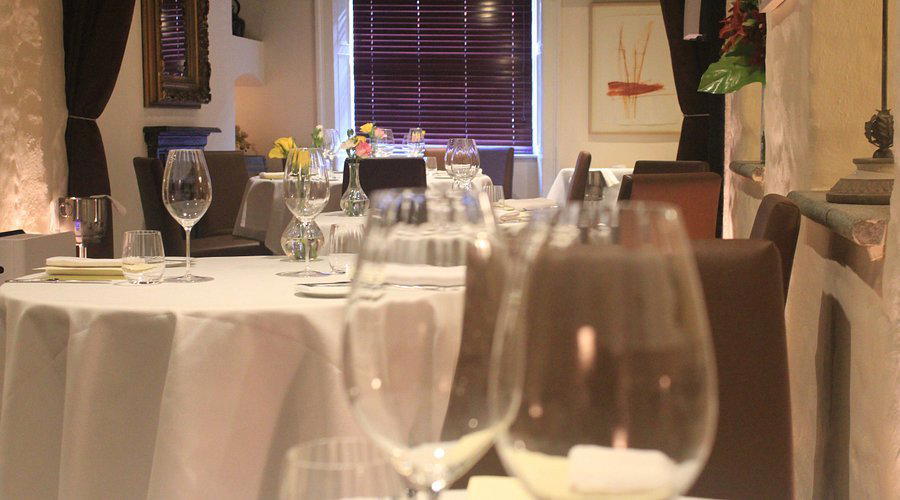
Restaurant Patrick Guilbaud holds two Michelin stars and has long been cited among the most serious dining addresses in Ireland. It operates as a separate institution within the building rather than simply the hotel restaurant, drawing reservation demand from non-resident diners across the city. For guests staying at the hotel, having that level of dining available without leaving the building is a practical advantage with few equivalents in the Irish market.
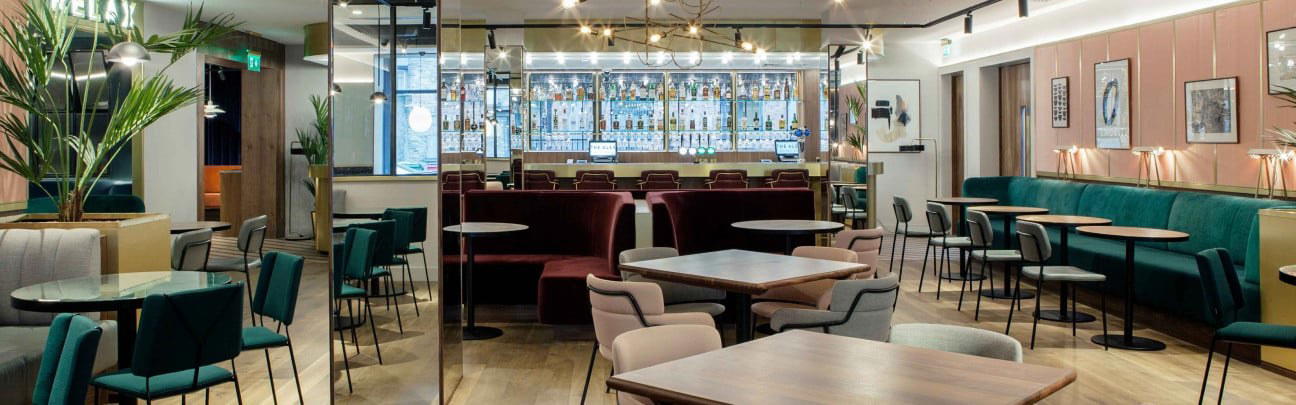
The Garden Room operates at a different register, serving contemporary cuisine with Irish inflection in a less formal setting. This split format, where the flagship carries the Michelin credentialing and the second room handles flexibility, is a structural approach that the best-performing European hotel dining programs have converged on. It avoids asking a single kitchen to serve breakfast, casual lunch, and formal tasting menus within the same room identity. The Cellar Bar and the smaller cocktail bar, No 23, extend that layering further, giving guests options that range from an evening drink in an intimate room to a full formal meal without the property ever feeling like it is trying to be all things in the same space.
What the Rooms Reveal About the Property's Position
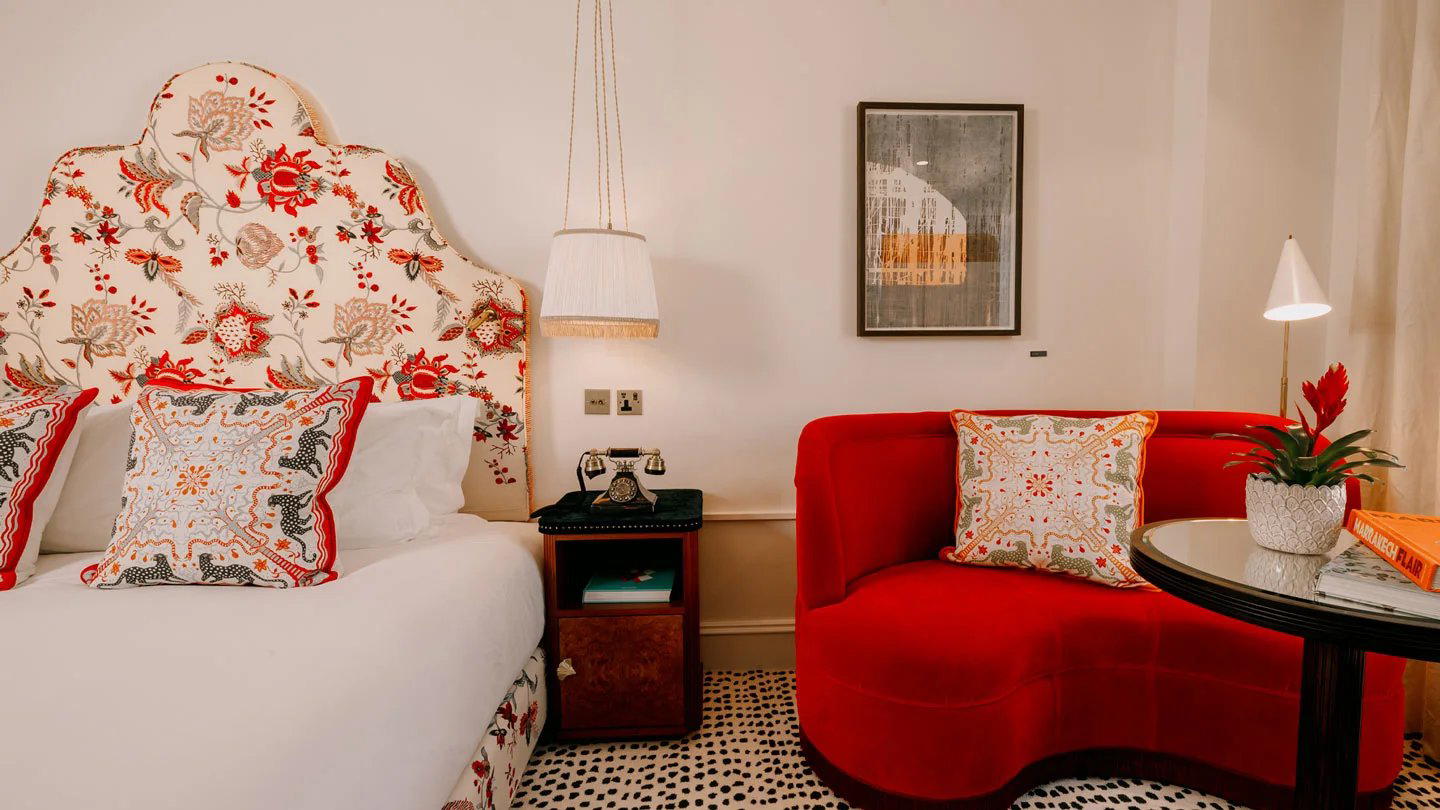
The 142 rooms are decorated in Georgian period colours, a palette of deep greens, ochres, and off-whites that reinforces the townhouse aesthetic rather than working against it. Bathrooms carry Italian Carrara marble with separate bathtubs and power showers, and bedding runs to 400-thread-count Egyptian cotton. These are specifications that read as expected at this price tier rather than exceptional, but they are executed with sufficient consistency that the gap between marketing promise and physical delivery is narrow, which is the actual test.
Merrion Penthouse is the property's headline accommodation: 2,200 square feet of living space across two floors, with an additional 1,000-square-foot rooftop terrace overlooking central Dublin. Suite inventory is nineteen units in total, a ratio of suites to standard rooms that reflects a property calibrated for high-value stays rather than volume throughput. Guests can choose between the Garden Wing and the main house second floor, with outlooks toward either the private gardens or the Government Buildings facade across the street.
For comparison within Ireland's country house and luxury hotel tier, properties like Ballyfin in Laois, Adare Manor in Adare, and Ashford Castle in Cong compete for the top-tier Irish hospitality traveller, but do so in rural or estate settings. The Merrion's distinction is that it delivers an equivalent standard of finish and dining credentials within a central Dublin address, making it the reference point for visitors who need or prefer urban proximity alongside that level of service.
The Art Collection as a Primary Differentiator
In most hotels, art is a design afterthought. At The Merrion, it is the primary differentiator from a competitive standpoint. The property houses what is described as one of Ireland's largest private art collections, with 90 works displayed across public spaces. The collection focuses on 19th- and 20th-century European art with an emphasis on Irish artists, including Robert Ballagh, John Boyd, William Scott, and Roderic O'Conor. A full-sized sculptural representation of James Joyce is among the more arresting single pieces, weaving text from Ulysses around its base.
Guests can self-guide using the property's collection catalogue, or book a private guide from the National Gallery of Ireland, which is located directly across the street from the hotel. That proximity to one of Dublin's anchor cultural institutions is a logistical convenience that reinforces the hotel's positioning within Dublin's Georgian cultural quarter rather than simply its hospitality offer.
Gardens, Spa, and the Case for Lingering
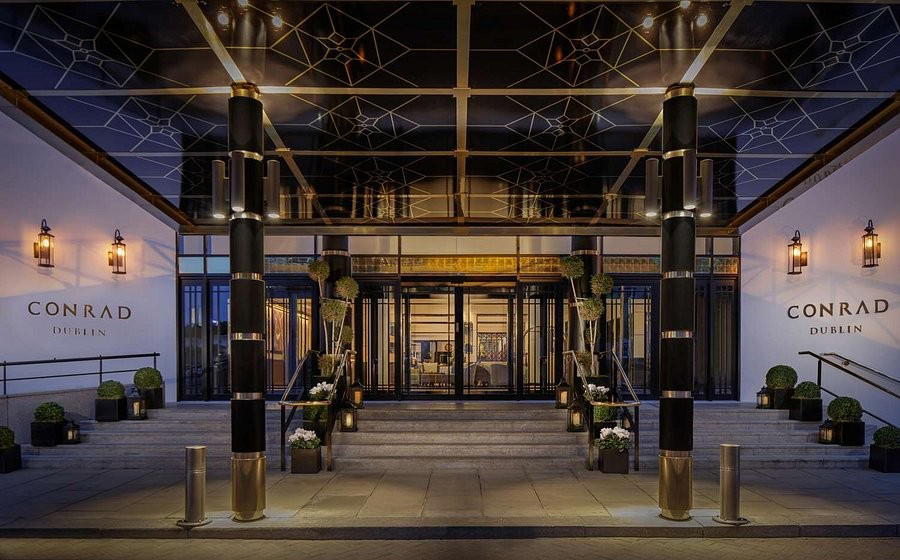
The two private gardens at the rear of the property were designed by Irish landscape artist Jim Reynolds. Both recreate an 18th-century garden format with box hedges, water features, and sculpture placements throughout. In a city-centre hotel, private garden access of this scale is a material operational difference from competitors. The Conrad Dublin and the Clayton Hotel Ballsbridge, for instance, operate without equivalent outdoor space in the same tier.
The Merrion Spa and Health Club includes an 18-metre swimming pool, a gym, a steam room, and private treatment rooms. The pool occupies a vaulted underground space decorated with murals, a setting that reads as considerably more atmospheric than the standard hotel fitness facility. Spa access adds a layer of extended-stay functionality that justifies longer bookings for guests who might otherwise treat the property as a transit stop rather than a destination in itself.
Planning Your Stay
Hotel sits on Merrion Street Upper in Dublin 2, approximately 30 minutes from Dublin International Airport by taxi, with fares running upwards of 35 euros depending on traffic. Room rates from published data start around 517 USD per night for standard rooms, with suite pricing scaling considerably above that figure. The hotel carries 145 rooms across its inventory, a scale that sits between the larger branded competitors and the smaller design properties in the city. Given the Michelin-starred dining on site, booking Restaurant Patrick Guilbaud separately from the room reservation is advisable; it draws non-hotel guests and operates on its own availability calendar.
For those building a broader Irish itinerary, the Merrion functions as a natural urban anchor before or after visits to properties such as Parknasilla Resort and Spa in Kerry, Ballynahinch Castle in Recess, or Ballymaloe House Hotel in Shanagarry. A wider view of Dublin's hotel options is available in our full Dublin guide, and alternatives worth considering in the city include the Number 31 for a smaller, design-conscious stay, and Luttrellstown Castle Resort for those who want estate grounds within reach of the capital. Internationally comparable addresses in the Leading Hotels of the World tier include Aman Venice in Venice and The Fifth Avenue Hotel in New York City, both of which operate with similar commitments to historically inflected architecture and concentrated room counts.
How The Merrion Dublin compares with similar nearby venues.
| Venue | Awards |
|---|---|
| The Merrion | Michelin 2 Keys |
Recognition history
Dated appearances from independent guides and award organizations, with the underlying list record or original source where available.
Forbes 4-Star
Forbes
La Liste Top Hotels
La Liste
Virtuoso Luxury Hotel Partner
Virtuoso
Forbes 4-Star
Forbes
Leading Hotels of World Member
Leading Hotels of World
Michelin 2 Keys
Michelin
Continue exploring
More in Dublin
Hotels in Dublin
Browse all →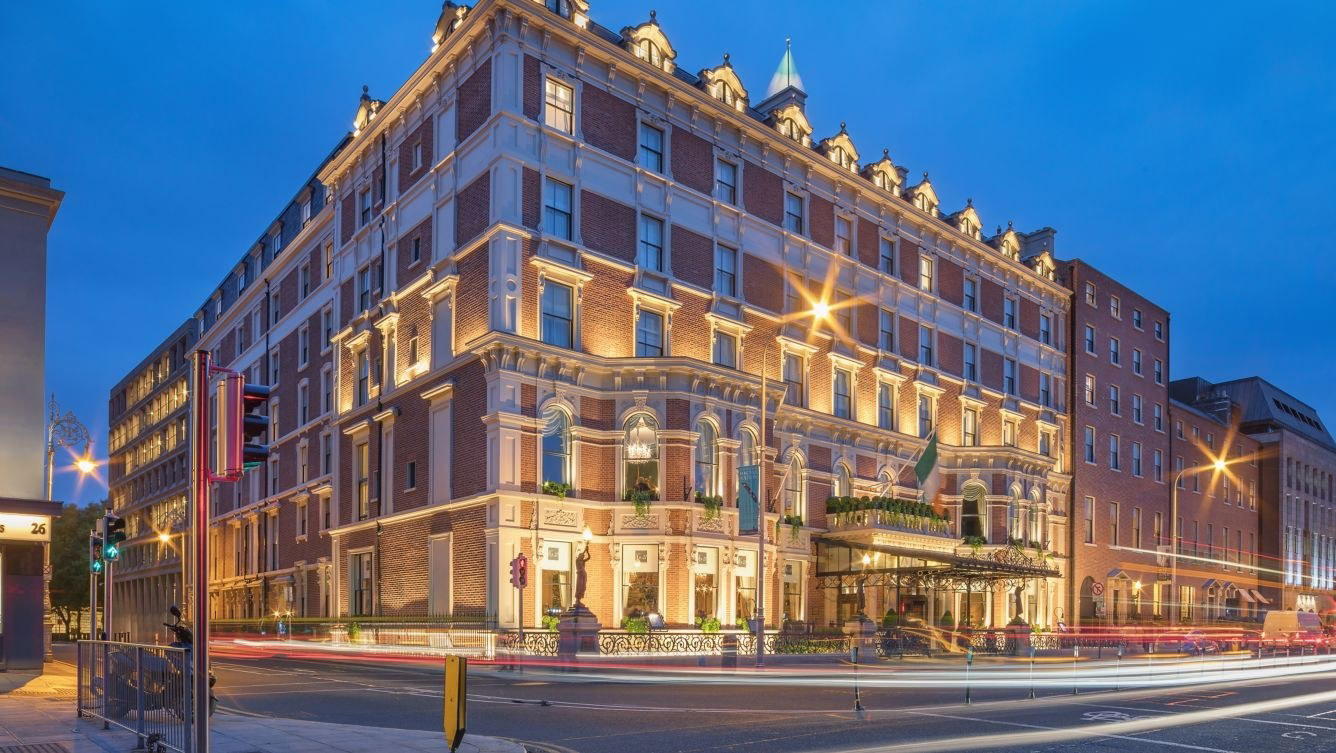
Bars in Dublin
Browse all →
Restaurants in Dublin
Browse all →
Wineries in Dublin
Browse all →
At a Glance
- Elegant
- Classic
- Sophisticated
- Ornate
- Romantic Getaway
- Business Trip
- Anniversary
- Historic Building
- Garden
- Wi Fi
- Pool
- Spa
- Fitness Center
- Room Service
- Concierge
- Business Center
- Valet Parking
- Garden
- Wi Fi
- Pool
- Spa
- Fitness Center
- Room Service
- Concierge
- Business Center
- Valet Parking
Relaxed elegance with classic Georgian charm, soundproofed rooms ensuring quiet nights, and polished service throughout.
Know Before You Go
- Getting there
- Merrion St Upper, Dublin 2