


1 Michelin Key · Mr & Mrs Smith Seal of Approval · Small Luxury Hotels of the World Member
A 42-room Victorian townhouse on Adelaide Road, The Wilder Townhouse sits in the residential calm south of St. Stephen's Green, close enough to walk to the city centre but insulated from it. Starting at $245 per night, it occupies a well-defined niche between the large five-star properties on Grafton Street and the smaller guesthouses of the Georgian core, with a Gin and Tea Rooms bar and period interior details intact.

Pearl is the En Primeur Club membership app — saves, bookings, and concierge access live there. Same editors, same standards.
- Address
- 22 Adelaide Rd, Saint Kevin's, Dublin 2, D02 ET61
- Phone
- +353 1 969 6598
- Website
- thewilder.ie
- Directions
- Get directions
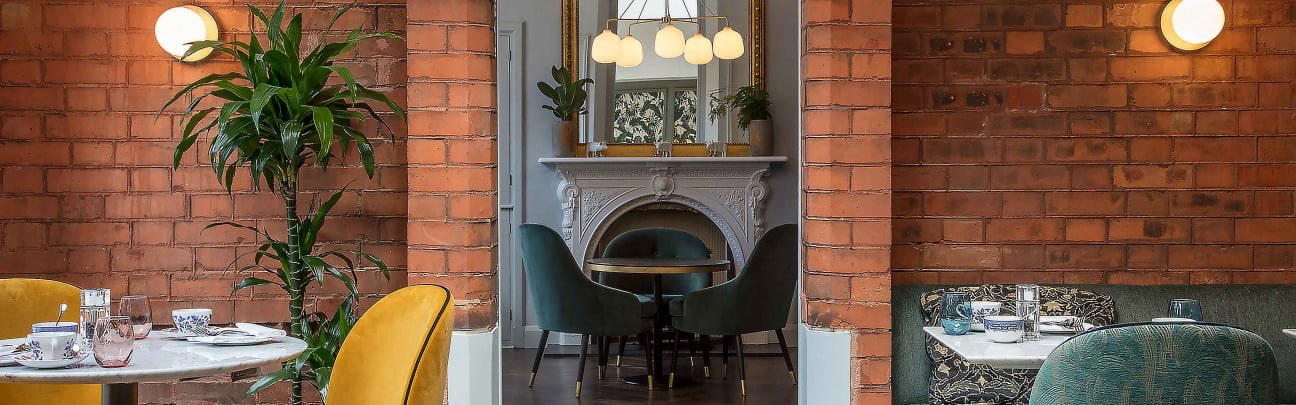
Where Dublin's Boutique Hotel Scene Finds Its Footing
Dublin's hotel market has divided sharply in recent years. On one side sit the grand address properties: the Anantara The Marker Dublin Hotel, the Conrad Dublin, and the InterContinental Dublin, all operating at large scale with full-service infrastructure and international brand backing. On the other, a quieter tier of independently minded properties has been building a different case for the city, one grounded in neighbourhood character, period architecture, and a more contained guest experience. The Wilder Townhouse belongs to this second cohort. Its red-brick Victorian façade on Adelaide Road, a residential stretch running south of St. Stephen's Green, signals exactly what the property delivers: a sense of place that feels specific to Dublin rather than transferable to any other city.
At 42 rooms, the Wilder sits in a comfortable middle band. It is neither the micro-boutique of a six-room guesthouse like Number 31 nor the full convention footprint of the Camden Court Hotel. That scale matters: it is large enough to carry a bar programme and offer consistency across stays, small enough to avoid the anonymity that comes with corridors of identical rooms and a lobby that doubles as a thoroughfare.
Adelaide Road and the Case for Staying Just Outside the Centre
The geography of where a Dublin hotel sits shapes the entire logic of a stay. Properties on or immediately around Grafton Street and St. Stephen's Green trade on convenience at the cost of noise, foot traffic, and a certain loss of residential texture. Adelaide Road makes a different trade. The canal runs nearby, the streets are quieter, and the neighbourhood reads as genuinely lived-in rather than orientated around visitors. The walk to the Green takes only a few minutes, which puts the cultural institutions of the south city, the National Gallery, Merrion Square, and the restaurants of the Georgian core, within easy reach on foot.
This is a position other mid-scale Dublin properties have also tested. The Dylan Hotel sits in Ballsbridge, further out along the same southern axis. The Clayton Hotel Ballsbridge occupies similar geography. What distinguishes the Wilder's position is the specific residential calm of Adelaide Road combined with the proximity to St. Stephen's Green. It is close enough to walk to the city's centre without being absorbed into it.
Victorian Architecture as Editorial Statement
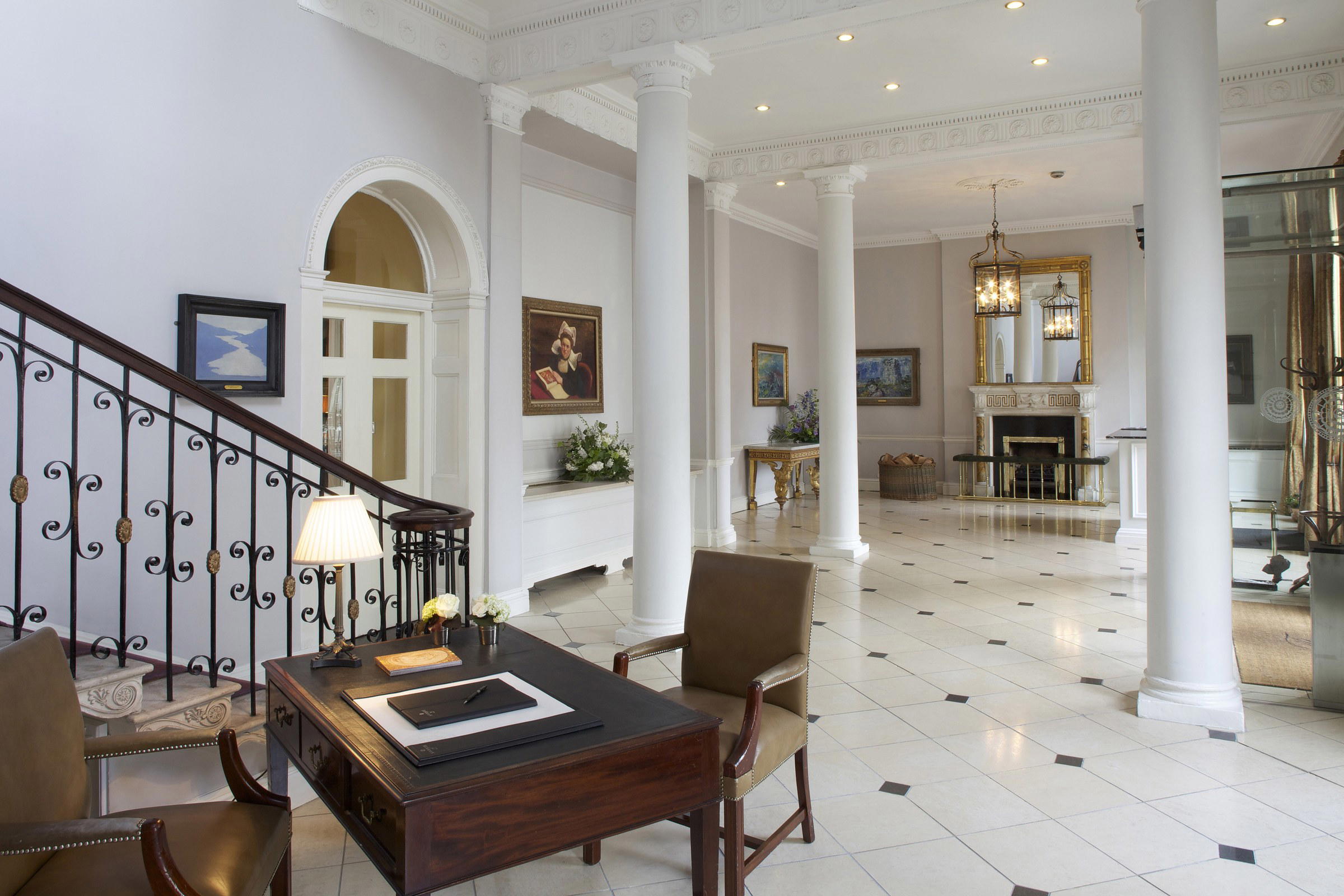
Dublin's Victorian red-brick terraces are common enough to be background scenery, but the decision to renovate around rather than erase the building's original character is a deliberate editorial stance. Period interior elements have been retained, and the renovation has layered contemporary comfort on top of the original structure rather than gutting it for a blank-canvas fit-out. This approach places the Wilder within a broader Irish hospitality tradition that treats historic fabric as an asset. Compare it to properties like Cashel Palace or Castle Leslie Estate, where the historic shell is the primary draw, and the Wilder operates on a more modest scale but with a comparable underlying logic.
The interior reads as confident without being ostentatious. Stylistic liberties have been taken with the décor, meaning the property does not treat Victorian authenticity as a constraint, but the bones of the building remain legible throughout. For guests who find purpose-built hotel interiors sterile, this matters.
The Gin and Tea Rooms: A Bar That Earns Its Name
The on-site bar, called the Gin and Tea Rooms, anchors the property's social life without trying to function as a standalone destination venue. It serves light bites and operates as the kind of low-key option that a boutique hotel of this scale needs: somewhere to decompress after a day in the city without the commitment of a full restaurant sitting. For substantive dining, the wider neighbourhood and the streets beyond St. Stephen's Green carry the load. See our full Dublin restaurants guide for an edited selection of where to eat across the city.
Planning a Stay: What to Know Before You Book
Rates at the Wilder Townhouse start at $245 per night, which positions it in a clear band below the city's headline five-star properties but above the budget and mid-market tiers. For context, options like Luttrellstown Castle Resort operate at a significantly higher price point with estate-scale amenities; the Wilder is priced for travellers who want considered design and a quiet address without that level of overhead.
The 42-room count means the property does not have the booking pressure of a six-room house, but Adelaide Road's appeal to a specific kind of visitor, one choosing neighbourhood character over central convenience, means availability at preferred dates can tighten. Booking in advance is advisable for peak travel periods, particularly during summer and the major cultural calendar events that fill Dublin's calendar from late spring onward.
Walk-in availability exists in principle but should not be assumed. The property's size and its appeal to a deliberate, pre-planned traveller demographic mean that arriving without a reservation carries real risk, especially on weekends. For travellers with fixed dates, committing to a booking early is the more reliable approach.
Confirming room category and any specific requirements at the time of booking is advisable given the 42-room scale, where category availability shifts more quickly than at larger properties.
Where the Wilder Sits in the Wider Irish Context
Dublin functions as the entry point for most Ireland itineraries, and the Wilder Townhouse fits a particular role within that: a first or last night property that connects the capital to the broader country without demanding the full luxury overhead of the city's grand hotel tier. Travellers continuing south toward Kerry might look at Parknasilla Resort and Spa or Aghadoe Heights Hotel and Spa. Those heading west toward Connaught have Ashford Castle and Ballynahinch Castle as reference points. In the midlands, Ballyfin remains the benchmark for country-house stays. Cork opens options at Hotel Isaacs Cork and, further into the county, Ballymaloe House Hotel.
Within Dublin itself, the Wilder competes most directly with properties that make a similar argument about neighbourhood character over central mass. Those who want larger-scale city-centre infrastructure have options including the Anantara The Marker or the Conrad Dublin. Those who want something smaller and more residential in character should weigh the Wilder against Number 31, which carries a strong design identity of its own on Leeson Close.
For international travellers comparing the boutique townhouse format across cities, the Wilder's proposition echoes what properties like The Fifth Avenue Hotel in New York or Aman Venice achieve at very different price points: the argument that a building with genuine historical character, handled with restraint and decent contemporary comfort, delivers something more durable than a purpose-built hotel interior ever could. The Wilder makes that case at a more accessible price than most of its international peers.
The Essentials
Comparable venues nearby, for context on price, style, and recognition.
| Venue | Price | Awards | Notes |
|---|---|---|---|
| The Wilder TownhouseThis venue — the venue you are viewing | Not listed | 1 Michelin Key · Mr & Mrs Smith Seal of Approval | Not listed |
| Dylan Hotel | $300–500 | 1 Michelin Key · La Liste Top Hotels | Pembroke West C, Five-star boutique hotel in a historic Victorian building with contemporary spirit. |
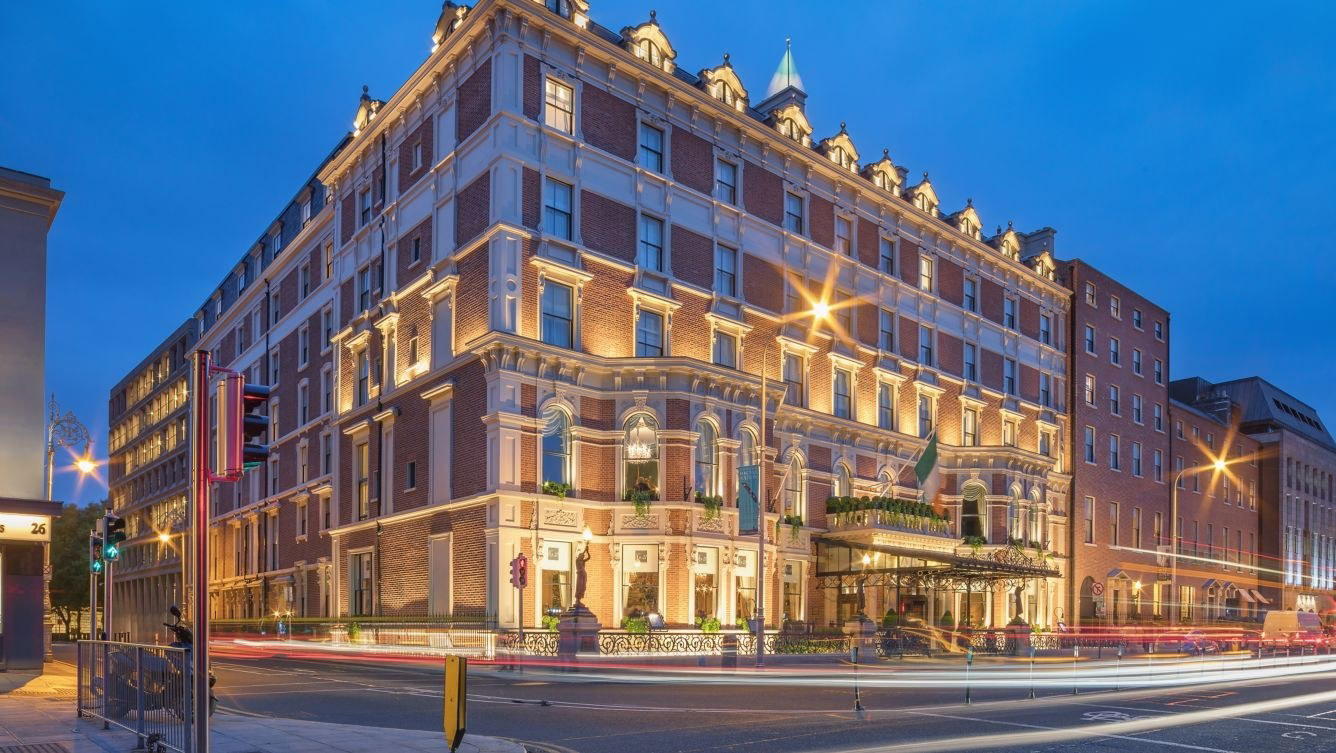
| The Shelbourne Dublin, Autograph Collection | $300–500 | Michelin Selected · La Liste Top Hotels | Mansion House B, Well-known restored heritage luxury hotel |
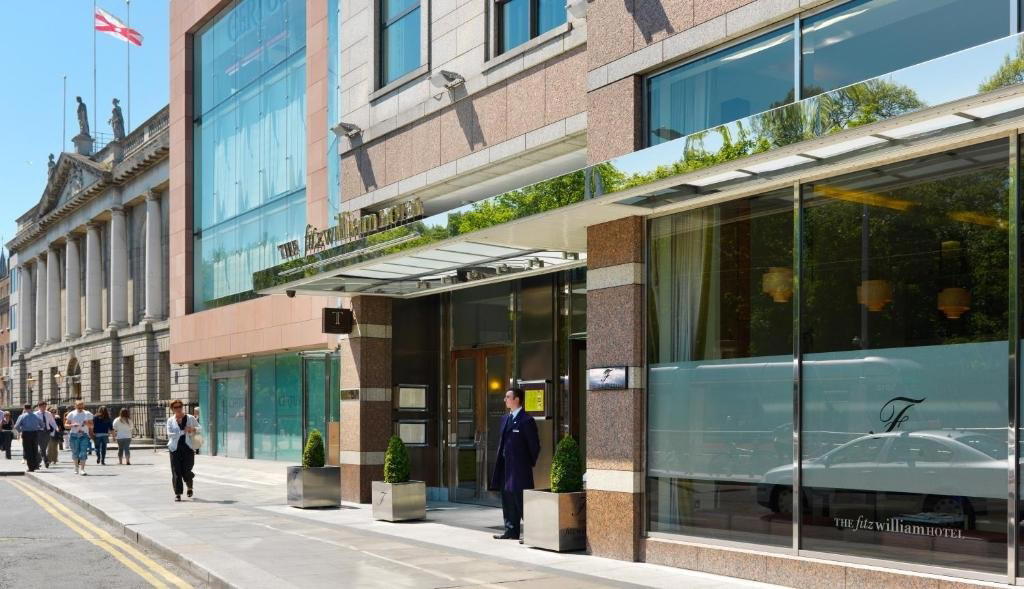
| The Fitzwilliam Hotel Dublin | $300–500 | 1 Michelin Key · Virtuoso Luxury Hotel Partner | Royal Exchange B, 5-star boutique luxury hotel |
| The College Green Hotel, Autograph Collection | $300–500 | Michelin Selected · Virtuoso Luxury Hotel Partner | Mansion House A, Historic luxury in Georgian-style building with modern Irish design |
| The College Green Hotel Dublin, Autograph Collection | $300–500 | Michelin Selected · Virtuoso Luxury Hotel Partner | Mansion House A, Contemporary luxury blended with historic heritage elements in Dublin's city center. |
Recognition history
Dated appearances from independent guides and award organizations, with the underlying list record or original source where available.
Michelin 1 Key
Michelin
Mr & Mrs Smith Seal of Approval
Mr & Mrs Smith
Small Luxury Hotels of the World Member
Small Luxury Hotels of the World
Full recognition history (4 entries)
Michelin 1 Key
Michelin
Continue exploring
More in Dublin
Hotels in Dublin
Browse all →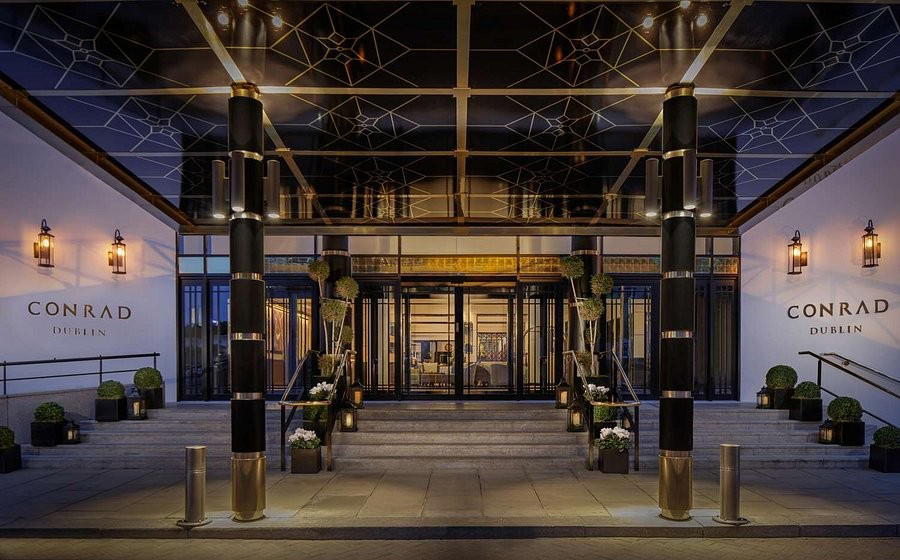
Bars in Dublin
Browse all →
Restaurants in Dublin
Browse all →
Wineries in Dublin
Browse all →
Details
- Elegant
- Cozy
- Sophisticated
- Intimate
- Classic
- Romantic Getaway
- Weekend Escape
- Business Trip
- Garden
- Terrace
- Historic Building
- Wi Fi
- Room Service
- Concierge
- Garden
- Street Scene
- Wheelchair Accessible
- Elevator
- Step Free Entrance
Cozy and elegant with warm lighting, jewel-coloured velvets, and a peaceful, stylish atmosphere praised for its serene yet central retreat feel.