Lady Helen

1 Michelin Star
Our verdict
Set within the storied Mount Juliet Estate, Lady Helen marries Georgian splendor with modern culinary artistry. In high-ceilinged rooms adorned with original stuccowork and hand-carved marble fireplaces, Chef John Kelly crafts boldly flavored, visually striking plates that celebrate the bounty of the estate, county, and coast. Expect a poised progression of refined dishes and an unforgettable finale—perhaps a shimmering hazelnut and chocolate confection—delivered with gracious precision in one of Ireland’s most elegant dining rooms.

Pearl is the En Primeur Club membership app, where members save venues, book tables and use the concierge.
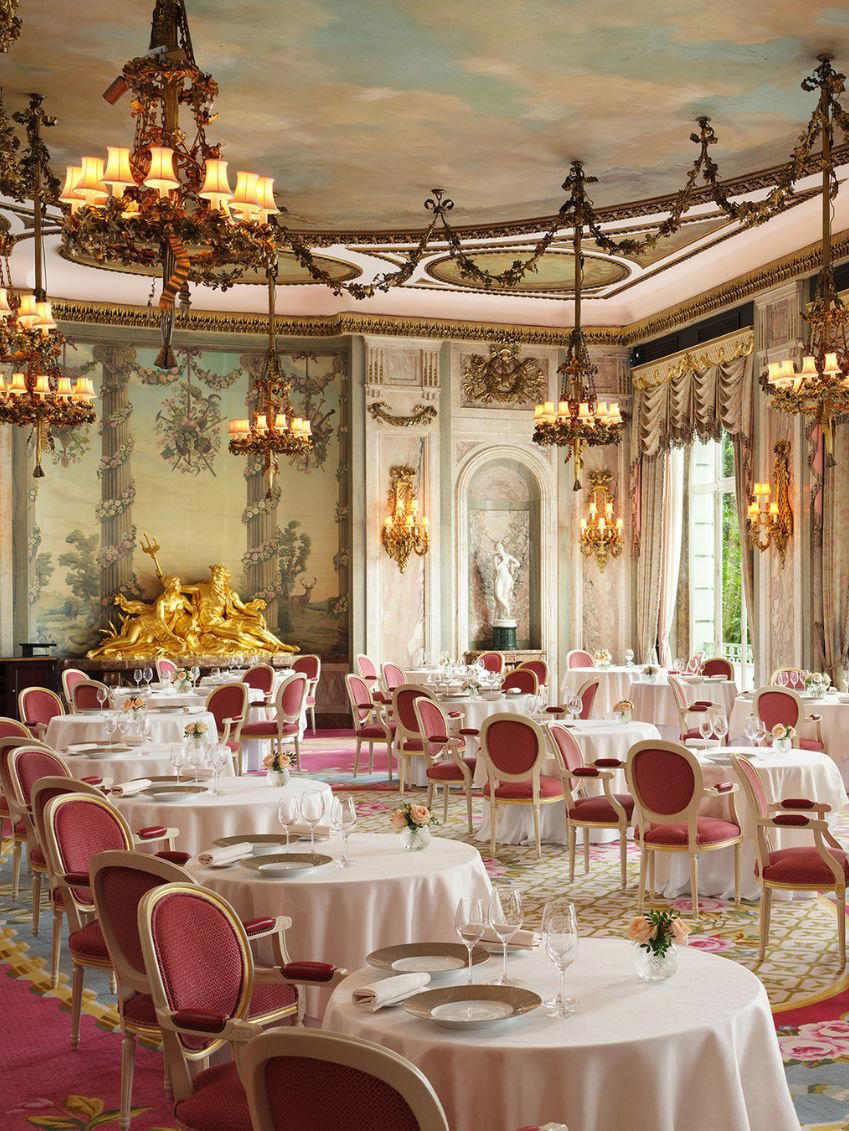
Georgian Stone, Estate Grounds, and a Michelin Star in County Kilkenny
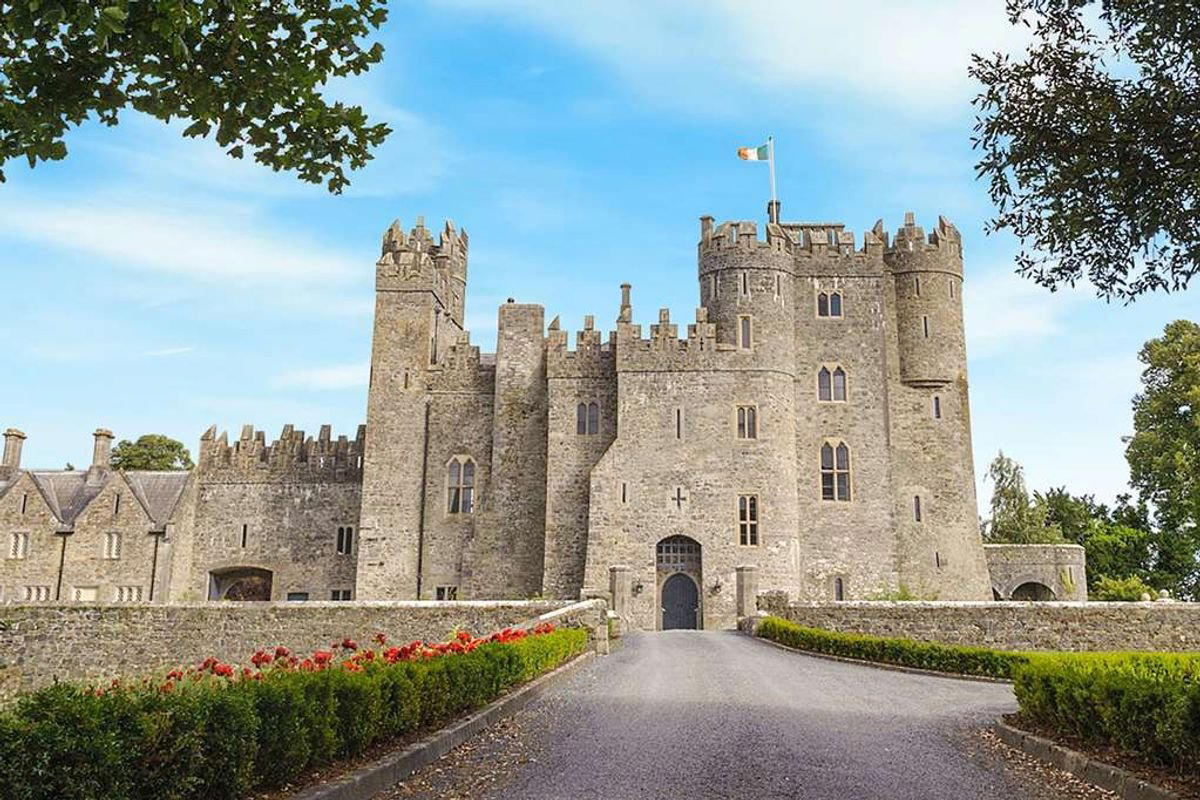
Approaching Mount Juliet Estate along its long tree-lined avenue, the scale of the Georgian house clarifies something about what Lady Helen is trying to do. This is not a restaurant that has adopted country-house aesthetics as a design shortcut. The dining room occupies a space with original stuccowork ceilings, hand-carved marble fireplaces, and proportions that belong to the late eighteenth century. The architecture sets an expectation, and the kitchen answers it with a Michelin one-star programme built around the estate's own 1,500 acres and the wider larder of County Kilkenny and the Irish coast.
Country-house dining in Ireland has historically carried a reputation for comfort over ambition: good produce handled conservatively, an emphasis on hospitality over technique. Lady Helen represents a different tier. Chef John Kelly's cooking is described in Michelin's own citation as boldly flavoured and visually impressive, language the Guide does not apply casually. The sourcing structure that underpins those dishes, drawing from estate grounds, the county's farms, and the coastline to the south and east, positions the restaurant within a wider Irish movement that treats provenance as a culinary foundation rather than a marketing footnote.
Where the Food Comes From
The ingredient sourcing logic at Lady Helen follows a concentric model: estate first, county second, coast as a third radius. This approach is not uncommon among Ireland's Michelin-recognised restaurants, but the specific geography here is worth understanding. County Kilkenny sits in the southeast of Ireland, a pastoral inland county with fertile river valleys and proximity to the sea via Waterford and Wexford. That coastal access, without being a coastal restaurant, gives the kitchen a supply corridor that runs from estate-grown produce through to fish and shellfish from the Irish Sea and the Atlantic approaches.
Among Ireland's current Michelin one-star cohort, this kind of layered sourcing model appears consistently. Aniar in Galway built its reputation entirely on a west-of-Ireland terroir framework. dede in Baltimore pulls directly from the Mizen Peninsula's sea and land. Chestnut in Ballydehob operates from a similar hyperlocal premise in West Cork. What differentiates Lady Helen is the estate context: the 1,500 acres of Mount Juliet provide a controlled, known provenance that few Irish restaurants outside of similar historic properties can replicate. The grounds are not a kitchen garden in the conventional sense; they are a working estate whose agricultural character shapes what arrives on the plate.
This sourcing depth matters because it gives the kitchen a stability of ingredient that translates directly into consistency of output. Michelin's assessors returned to award and reconfirm the one star for 2024, which suggests a programme that delivers reliably across visits rather than in isolated moments.
The Cooking and How It Reads
Kelly's dishes, according to the Michelin citation, are skilfully prepared and anchored in bold flavour. That framing places the kitchen somewhere between classical refinement and the more assertive modern Irish style that has defined restaurants like Liath in Blackrock and Bastion in Kinsale. The dessert programme receives specific mention in the Michelin notes, with a hazelnut and chocolate construction cited as illustrative of the kitchen's capacity to finish a meal with the same technical care applied to savoury courses. In tasting menu formats, dessert quality is frequently where execution gaps appear; the fact that Michelin flags this section as a strength rather than a footnote is a meaningful signal.
The visual dimension of the dishes is also noted explicitly. At this price point, across the Irish fine dining category, presentation has moved from decorative concern to compositional requirement. Restaurants like Campagne in Kilkenny, operating in the same county, and Terre in Castlemartyr, another estate-based Michelin property, represent the competitive frame within which Lady Helen operates. The shared characteristic across this tier is that cooking must carry both technical and aesthetic weight simultaneously.
The Room and the Estate
High-ceilinged Georgian interiors carry particular acoustic and atmospheric qualities that modern restaurant design rarely replicates convincingly. The fireplaces and plasterwork at Mount Juliet are original features, not reconstructions, which gives the room a material authenticity that distinguishes it from newer properties borrowing period styling. For a dinner service that runs Tuesday through Saturday from 6:30 to 9:30 PM, the room's formality is part of the contract: this is not casual dining dressed in a historic shell, but a restaurant that takes its architectural setting seriously and programs food to match.
Mount Juliet itself holds a position in Irish architectural heritage as one of the more complete Georgian country houses still in active use. That the estate now operates as a hotel under the Autograph Collection banner means the restaurant functions within a hospitality structure that maintains the estate while making it accessible to visiting guests. For those staying on the property, the dynamic between room, grounds, and restaurant creates a self-contained experience unusual in contemporary Irish hospitality. For those driving in for dinner, the estate context adds a dimension that begins before the meal does.
The wider hotel and estate offer is worth considering for those planning around a dinner at Lady Helen. Details on accommodation options appear in our full Thomastown hotels guide, and broader planning resources including bars, wineries, and experiences in the area are covered separately.
Placing Lady Helen in the Irish Fine Dining Picture
Ireland's Michelin-starred restaurant map has expanded meaningfully over the past decade, and it now includes properties across a range of formats: urban tasting counters, small-town destination restaurants, and estate-based dining rooms. Lady Helen occupies the last category, sharing it with Terre at Castlemartyr in Cork and operating at a significant geographic and conceptual distance from the Dublin-centred fine dining cluster that includes Chapter One by Mickael Viljanen at two stars.
At the €€€€ tier, diners are comparing not only food quality but the completeness of an evening: setting, service register, sourcing story, and what the room contributes to the meal itself. On that matrix, few Irish restaurants offer what a Georgian estate dining room provides. The comparison set also includes coastal contemporaries such as House in Ardmore and Homestead Cottage in Doolin, where the setting is equally integral to the proposition, though the architectural register differs significantly. Internationally, the estate fine dining model has analogues at properties like Frantzén in Stockholm, where the building itself is part of the culinary statement, though the Irish country house tradition operates through a different historical and agricultural vocabulary.
For a full picture of where Lady Helen sits within the Thomastown dining offer, and what the local restaurant scene looks like around it, see our full Thomastown restaurants guide. The Mount Juliet estate also operates a separate, more casual restaurant: Mount Juliet (Irish Contemporary) provides an alternative entry point for those looking for a less formal meal on the property.
Planning a Visit
Lady Helen opens for dinner Tuesday through Saturday, with service running from 6:30 PM to 9:30 PM. The restaurant is closed Sunday and Monday. The price tier sits at €€€€, consistent with the Irish Michelin one-star bracket, and the estate setting at Walton's Grove, Mount Juliet, outside Thomastown in County Kilkenny, means most visitors are arriving by car. Thomastown is approximately ninety minutes by road from Dublin via the M9, making Lady Helen viable as a destination from the capital for those willing to build a stay around it. Given the estate hotel context, an overnight stay before or after dinner is the approach that makes most geographic sense for visitors travelling from Dublin or further. Booking ahead is advisable given the limited weekly service window and the restaurant's recognised standing within the Irish fine dining category.
Frequently asked questions
Is Lady Helen expensive?
Pricing at Lady Helen is listed as €€€€.
Has Lady Helen won any awards?
Lady Helen has received recognition including: The 1,500-acre Mount Juliet Estate, now housing an impressive country house hotel, is one of the best examples of Georgian architecture in Ireland; it still boasts its original stuccowork and hand-carved marble fireplaces, and its luxurious….
What's the must-try dish at Lady Helen?
Michelin's 2024 one-star citation singles out the desserts as a highlight, specifically referencing a hazelnut and chocolate preparation as a standout finish to the meal. Beyond desserts, the citation points to John Kelly's boldly flavoured dishes built on ingredients from the estate, County Kilkenny, and the Irish coast, so the savoury courses reflect that same estate-to-table sourcing logic. Lady Helen opens for dinner Tuesday through Saturday at 6:30 PM, giving the kitchen a focused nightly window to execute at the level the star demands.
What are Lady Helen's hours?
Hours at Lady Helen: Monday closed Tuesday 6:30 PM-9:30 PM Wednesday 6:30 PM-9:30 PM Thursday 6:30 PM-9:30 PM Friday 6:30 PM-9:30 PM Saturday 6:30 PM-9:30 PM Sunday closed.
Comparable Spots, Quickly
| Venue | Cuisine | Price | Awards | Notes |
|---|---|---|---|---|
| Lady HelenThis venue (the venue you are viewing) | Modern Irish Fine Dining | $100–150 | 1 Michelin Star | Not listed |
| Patrick Guilbaud | Modern French Fine Dining | $150–200 | 2 Michelin Stars · La Liste Top Restaurants | Irish - French, Modern French |
| Aniar | Modern Irish Terroir Tasting Menu | $150–200 | 1 Michelin Star · La Liste Top Restaurants | Modern Irish, Modern Cuisine |
| Bastion | Progressive American, Modern Cuisine | Not listed | Michelin 1 Star | Not listed |
| LIGИUM | Modern Wood-Fired Fine Dining | $100–150 | 1 Michelin Star · The Best Chef One Knife | Creative |
| Host | Nordic, Modern Cuisine | Not listed | Not listed | Not listed |
Recognition history
Dated appearances from independent guides and award organizations, with the underlying list record or original source where available.
Michelin 1 Star
Michelin
Full recognition history (3 entries)
Michelin 1 Star
Michelin
Michelin 1 Star
Michelin
Continue exploring
More in Thomastown
Restaurants in Thomastown
All restaurants in Thomastown →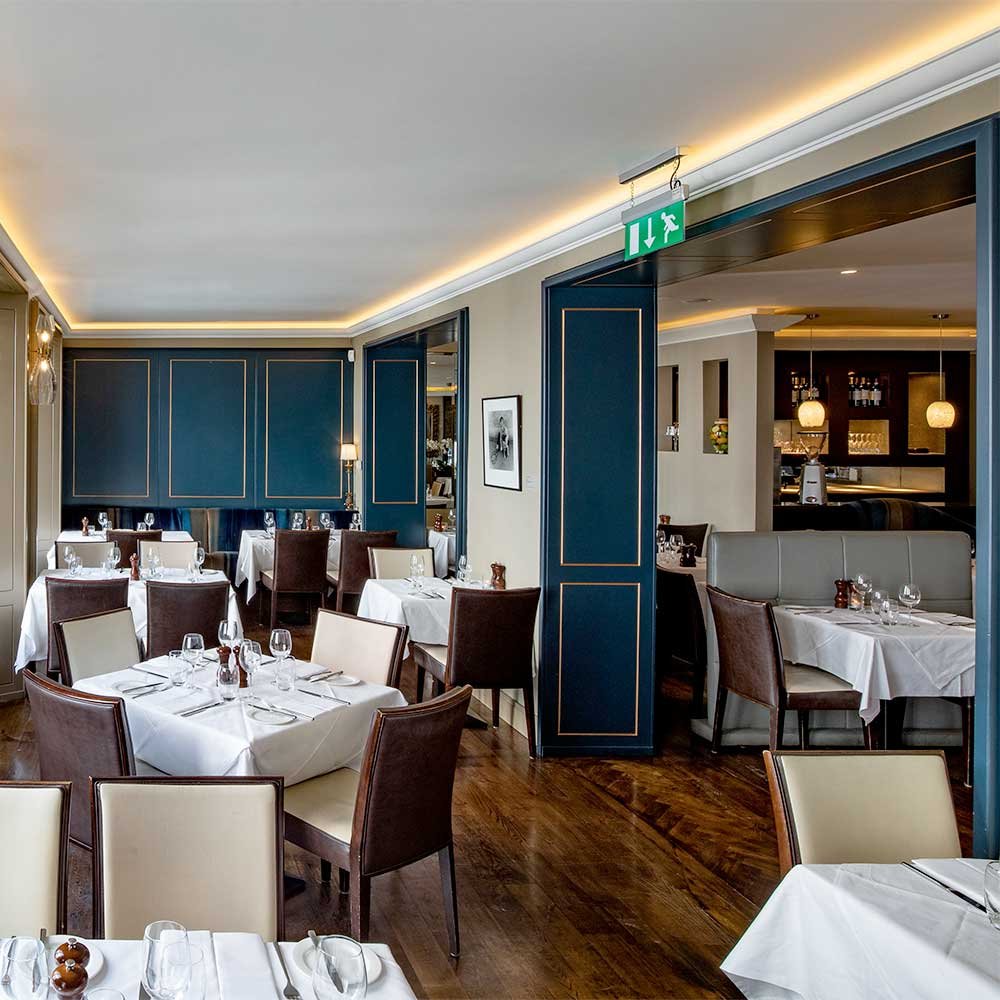
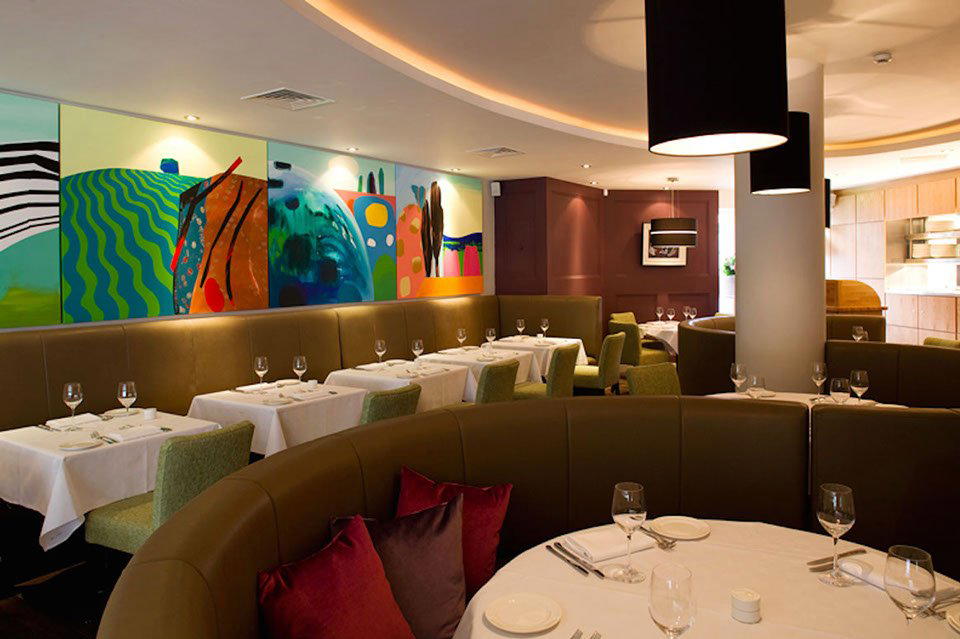
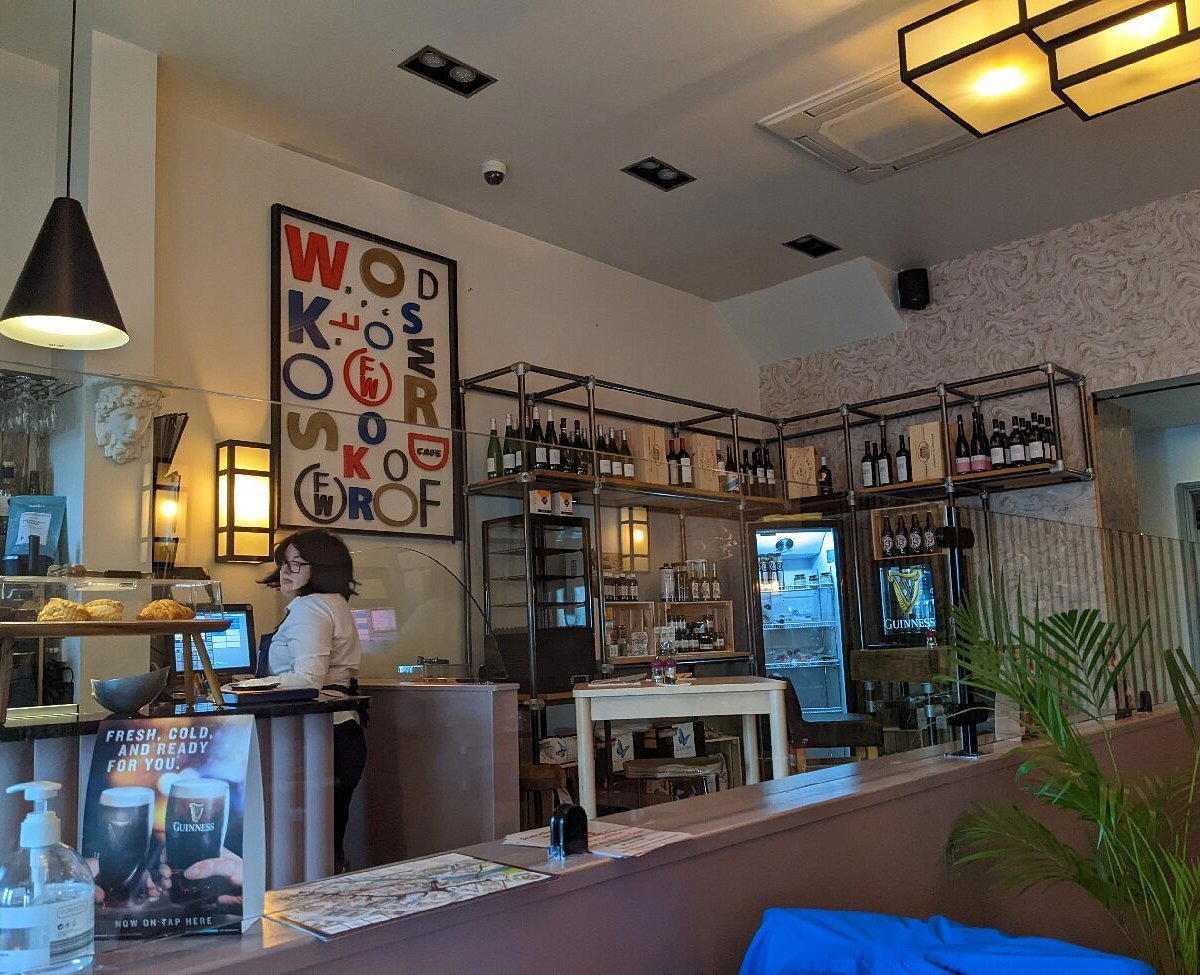
Bars in Thomastown
Browse all →
Lady Helen
The wine
- Wine program
- Deep wine list
- Extensive wine list
Details
- Romantic
- Elegant
- Classic
- Intimate
- Sophisticated
- Date Night
- Special Occasion
- Historic Building
- Hotel Restaurant
- Extensive Wine List
- Local Sourcing
- Farm To Table
- Garden
- Tasting Menu
Current opening hours
- Monday
- Closed
- Tuesday
- 6:30–9:30 PM
- Wednesday
- 6:30–9:30 PM
- Thursday
- 6:30–9:30 PM
- Friday
- 6:30–9:30 PM
- Saturday
- 6:30–9:30 PM
- Sunday
- Closed
Hours can change for holidays and private events. Hours as of .
Luxurious high-ceilinged room with original stuccowork, hand-carved marble fireplaces, and pastoral views through huge Georgian windows, creating an elegant and romantic atmosphere.