Our verdict
On the north bank of the Liffey, The Winding Stair occupies a Georgian building at 40 Ormond Quay Lower that has served as a Dublin landmark since its days as a beloved bookshop. The restaurant above carries that literary, neighbourhood-rooted character into its kitchen, drawing on Irish produce and a room with direct river views. It sits in the mid-tier of Dublin dining, accessible in price and genuinely local in spirit.

Pearl is the En Primeur Club membership app — saves, bookings, and concierge access live there. Same editors, same standards.
- Address
- 40 Ormond Quay Lower, North City, Dublin 1, D01 R9Y5, Ireland
- Phone
- +353 1 872 7320
- Hours
- Mon–Tue 5:30–9 PMWed 12–3 PMThu–Sat 12–3 PM, 5:30–10 PMSun 12–3 PM, 5:30–9 PM
- Website
- winding-stair.com
- Directions
- Get directions
- Booking
- Book on OpenTable
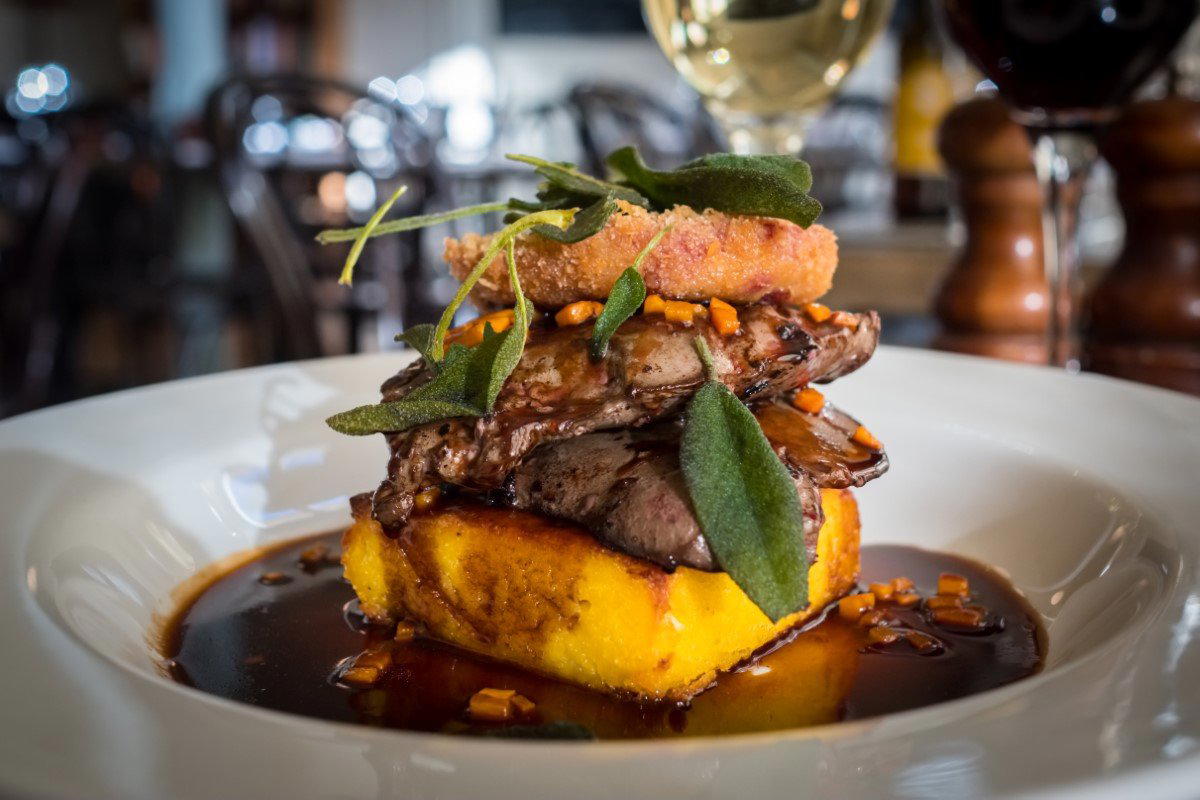
The menu
What to order
- Potted Dingle Bay crab
- Kilkeel hake with mussel stew
- Irish chowder
A River Seat in Dublin's North City
Ormond Quay runs along the north bank of the Liffey, and the buildings lining it carry a particular Dublin patina: Georgian proportions, paint worn to something honest, and views across the water to the south city. At number 40, The Winding Stair has occupied this address long enough to become part of the quay's character rather than simply a tenant of it. The building itself was for years home to one of Dublin's most affectionately remembered independent bookshops, and the restaurant that took over the upper floors did not erase that association. The shelves stayed. The timber floors stayed. The sense that this is a place where the city comes to sit quietly and look at the river stayed.
That physical continuity matters in Dublin, where the north inner city has spent decades negotiating its identity against the more aggressively redeveloped south bank. Ormond Quay sits at the edge of what locals know as the Cultural Quarter, within walking distance of the Four Courts and the markets of Smithfield. The Winding Stair is not a destination that draws visitors away from the city; it is a place visitors arrive at after walking through it.
Daytime on the Quay: Why Lunch Earns Its Reputation
The divide between lunch and dinner service at The Winding Stair reflects a pattern common to Dublin's mid-tier Irish restaurants: the daytime sitting tends to offer more accessible pricing, a shorter menu, and a room that feels less pressured. Light off the Liffey in the early afternoon comes through the windows at an angle that makes the dining room feel larger than it is, and the pace of a lunch service allows for the kind of unhurried meal that suits the building's character. For visitors who want to understand what contemporary Irish cooking looks like at a price point below the Michelin-starred tier, the lunch format at places like this is often more instructive than dinner, precisely because the kitchen has less room to hide behind occasion.
Irish restaurants in this register have leaned increasingly on provenance as their primary editorial statement, naming the farm or region behind the protein, selecting vegetables that reflect the season rather than the supply chain. That approach, when it works, produces food that reads as genuinely Irish rather than internationally approximated. The Winding Stair has long been associated with this sourcing-forward sensibility, which places it in a different conversation from the French-influenced formality of Patrick Guilbaud or the technical ambition of Chapter One by Mickael Viljanen.
Evening Service: A Different Register
At dinner, the room shifts. The bookshop association recedes slightly, the Liffey outside goes dark and reflects the quayside lighting, and the menu typically extends to accommodate a fuller evening format. Dublin's mid-tier dinner scene has grown more competitive over the past decade, with kitchens like Bastible in the Liberties and D'Olier Street raising the bar on what a non-starred restaurant can produce. Against that backdrop, The Winding Stair's positioning relies more on atmosphere and setting than on technical ambition, which is not a failing but a choice. Some diners want the river view and the worn timber and the sense of eating somewhere with a genuine Dublin history. That is a legitimate offer.
The evening also tends to draw a different mix: tourists who have done their research alongside regulars who have been coming since the bookshop era. That combination can produce a room that feels more like a working Dublin institution than a curated dining experience, which is either a strength or a drawback depending on what you are looking for. For comparison, the more architecturally polished mid-tier rooms like Glovers Alley sit in a different design register entirely.
The Winding Stair in the Wider Irish Restaurant Conversation
Beyond Dublin, the movement toward produce-led, region-specific Irish cooking has produced a generation of restaurants that define themselves through their sourcing geography. Aniar in Galway holds a Michelin star and operates explicitly within a Connacht larder framework. Liath in Blackrock represents a different expression of that same impulse in a south Dublin suburban context. Further afield, Chestnut in Ballydehob, dede in Baltimore, and Bastion in Kinsale are each doing versions of this in West Cork. Campagne in Kilkenny, The Oak Room in Adare, Terre in Castlemartyr, Homestead Cottage in Doolin, and The Morrison Room in Maynooth extend this pattern across the island.
What The Winding Stair represents within this map is the urban, accessible, historically anchored end of the spectrum: a city-centre room where the Irish produce story is told without the formality or price point of the starred tier, and with the additional narrative of a building that has meant something to Dublin for longer than most of its current dining peers have existed.
For those building a longer trip through Ireland's restaurant scene, our full Dublin restaurants guide maps the full range from tasting menus to neighbourhood rooms. International diners accustomed to the produce-forward format at places like Lazy Bear in San Francisco or the sourcing precision of Le Bernardin in New York City will find The Winding Stair operating in a more casual register but drawing on a comparable philosophical instinct.
Planning Your Visit
The restaurant sits at 40 Ormond Quay Lower, Dublin 1, a short walk from the Ha'penny Bridge and easily reached on foot from most central Dublin hotels. Given the room's reputation and relatively modest size, booking ahead is advisable for both lunch and dinner, particularly at weekends and during the summer tourist season from June through August. The quayside location means the walk to and from the restaurant is part of the experience, especially in the early evening when the Liffey reflects the last of the light. Visitors combining a meal here with time in the nearby cultural institutions, including the Irish Film Institute in Temple Bar or the National Museum on Collins Barracks, will find the location logical for a full day itinerary on the north bank.
Frequently asked questions
Where exactly is The Winding Stair?
The Winding Stair is located at 40 Ormond Quay Lower, North City, Dublin 1, D01 R9Y5, Ireland, Dublin.
Does The Winding Stair's location near Ha'penny Bridge make it convenient for sightseeing days in Dublin?
The restaurant sits at 40 Ormond Quay Lower, a short walk from Ha'penny Bridge and within easy reach on foot from most central Dublin hotels and key cultural sites including Temple Bar and the Guinness Storehouse direction. This puts it in a practical position for a lunch stop mid-itinerary without requiring a taxi or the Luas. The north quays location also gives it a slightly different perspective on the city than the more concentrated tourist dining strips on the south side.
What's the must-try dish at The Winding Stair?
The kitchen at 40 Ormond Quay Lower is built around Irish produce and seasonal sourcing, which means the strongest plates shift with what's available at the time of your visit. Asking your server what has come in that week is a more reliable guide than any fixed recommendation. The produce-led format rewards diners who order with the season rather than against it.
Is The Winding Stair reservation-only?
Walk-ins are possible during quieter periods, especially weekday lunches. For dinner and weekend sittings, and during Dublin's busier tourist seasons, booking ahead is the practical approach. The riverside location on Ormond Quay Lower draws consistent foot traffic from central Dublin, so availability on the door is never guaranteed.
What's the standout thing about The Winding Stair?
The combination of setting and positioning is what separates it from most Dublin rooms at a comparable price point. The building on Ormond Quay Lower carries a genuine literary history as a former bookshop, and the Liffey view from the upper dining room is one of the more considered in the city centre. That physical context, paired with a kitchen focused on Irish produce, is not a combination you find often in Dublin 1.
Do they accommodate allergies at The Winding Stair?
Allergy and dietary requirements are standard practice across Dublin's restaurant sector. The Winding Stair's produce-led format, with its emphasis on named Irish ingredients and seasonal sourcing, means the kitchen generally has clear sight of what goes into each dish. Flagging requirements at the time of booking or at the start of service gives staff the best opportunity to accommodate you.
Is The Winding Stair worth the price?
At the mid-tier of Dublin dining, The Winding Stair occupies a bracket that offers meaningfully better value than the city's tasting-menu rooms while sitting clearly above casual pub dining. The Liffey-facing location on Ormond Quay Lower and the Irish produce focus give it credentials that justify the spend relative to comparable Dublin 1 options. Lunch in particular tends to represent the more economical entry point into what the kitchen does.
Style and Standing
A quick peer check to anchor this venue’s price and recognition.
| Venue | Cuisine | Price | Awards | Notes |
|---|---|---|---|---|
| The Winding StairThis venue — the venue you are viewing | Modern Irish | $30–50 | Not listed | Not listed |
| Patrick Guilbaud | Modern French Fine Dining | $150–200 | 2 Michelin Stars · La Liste Top Restaurants | Irish - French, Modern French |
| Bastible | Modern Irish | $100–150 | 1 Michelin Star · The Sunday Times Ireland’s 100 Best Restaurants | Modern Cuisine |
| Host | Modern Italian | $50–100 | Michelin Plate | Nordic, Modern Cuisine |
| mae | Modern Irish Fine Dining | $50–100 | Michelin Plate · The Sunday Times Ireland’s 100 Best Restaurants | Southern, Modern Cuisine |
| Matsukawa | Authentic Edomae Omakase | $100–150 | Michelin Plate · La Liste Top Restaurants | Kaiseki, Japanese |
Continue exploring
More in Dublin
Restaurants in Dublin
Browse all →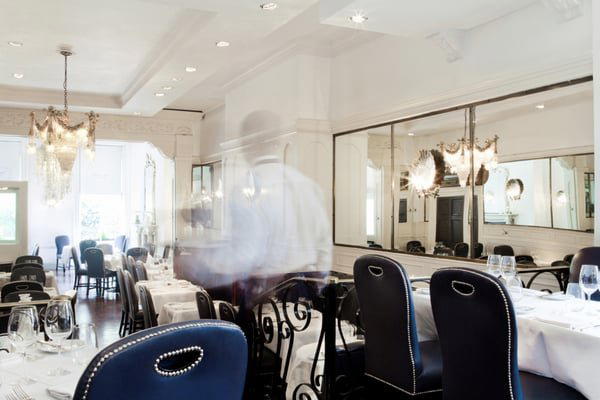
Bars in Dublin
Browse all →
Hotels in Dublin
Browse all →
Wineries in Dublin
Browse all →
Details
- Cozy
- Rustic
- Intimate
- Well Known
- Date Night
- Special Occasion
- Historic Building
- Extensive Wine List
- Local Sourcing
- Street Scene
- A La Carte
- Vegetarian Friendly
Current opening hours
- Monday
- 5:30–9 PM
- Tuesday
- 5:30–9 PM
- Wednesday
- 12–3 PM
- Thursday
- 12–3 PM, 5:30–10 PM
- Friday
- 12–3 PM, 5:30–10 PM
- Saturday
- 12–3 PM, 5:30–10 PM
- Sunday
- 12–3 PM, 5:30–9 PM
Hours can change for holidays and private events. Last verified .
Timeless charm with stripped wood tables, Bentwood chairs, old girders, and romantic views of the River Liffey.