


1 Michelin Star · Star Wine List · The Sunday Times Ireland’s 100 Best Restaurants
Our verdict
Husband-and-wife team John and Sandy Wyer run a tasting menu operation recognised by Michelin in both 2024 and 2025, with a focused wine list and a kitchen that pushes contemporary Irish cooking into genuinely experimental territory.

Pearl is the En Primeur Club membership app — saves, bookings, and concierge access live there. Same editors, same standards.
- Address
- 8 Sussex Terrace, Sussex Rd, Dublin 4, D04 C7F4, Ireland
- Phone
- +353 1 667 8337
- Hours
- Mon–Tue ClosedWed–Sat 12:30–9 PMSun Closed
- Website
- forestavenuerestaurant.ie
- Directions
- Get directions
- Booking
- Book on ResDiary
The menu
What to order
- Suckling Pig with Pointed Cabbage and Dried Plums
- Cod with Whole Roasted Cauliflower and Mussel Butter
- Halibut
- Sourdough Focaccia
How the Meal Builds
The tasting menu format is now the dominant grammar of serious Irish cooking, and Forest Avenue writes in that language fluently. What distinguishes the structure here is that the kitchen's personality tends to emerge early. The kitchen opens proceedings with what the menu describes as 'surprises from our kitchen', an amuse-bouche sequence that signals the cooking direction before the formal courses begin. In a tasting menu context, this matters: the opening moves establish whether a kitchen is playing it safe or willing to take creative risks, and at Forest Avenue the early sequence is where that experimental edge first shows itself. This puts Forest Avenue in a different stylistic bracket from, say, Aniar in Galway, where the kitchen's foraging-led approach tends toward restraint, or Liath in Blackrock, where the focus sits on precise technique over flavour intensity. The wine list, focused and deliberately assembled with Austrian producers alongside others, is matched to that bolder cooking register. The pairing logic is coherent rather than just comprehensive.
At lunch, a lighter three-course option runs alongside the full tasting menu, which makes Forest Avenue more accessible across different visit types than a dinner-only tasting format would allow. Tables close to the open kitchen are consistently popular, which suggests the room is small enough that kitchen visibility is a meaningful differentiator rather than just an atmospheric detail.
The Broader Irish Modern Cooking Context
Forest Avenue sits inside a generation of Irish restaurants that have pushed contemporary cooking beyond its earlier dependence on classic French structure. The restaurants that define this moment — Forest Avenue among them, alongside dede in Baltimore, Bastion in Kinsale, Campagne in Kilkenny, and Terre in Castlemartyr — share a commitment to ingredient-led creativity that doesn't map onto any single imported culinary tradition. The Michelin Plate designation, held consecutively in 2024 and 2025, positions Forest Avenue within the recommended tier without the star hierarchy, which in practical terms means the cooking is consistently at a level worth seeking out, even if the guide's formal star criteria haven't yet aligned.
What the Michelin data also signals is continuity. A restaurant holding Plate recognition across consecutive years is a kitchen maintaining quality over time, not peaking for a single guide cycle. For a small, independently run room without a hotel or group behind it, that kind of consistency is the harder achievement. The two rooms together represent a genuine cluster on what is otherwise a quiet residential street. That is not a criticism: the trade-off for the smaller room and husband-and-wife service model is a directness of cooking personality that larger operations sometimes flatten out. Some of the city's more formally structured rooms can feel stiff; Forest Avenue apparently does not.
Forest Avenue competes in that conversation at a city-level rather than an international scale, but the cooking ambition is pointed in the same direction.enprimeurclub. For the D'Olier Street neighbourhood and city-centre dining,
Frequently asked questions
Has Forest Avenue won any awards?
Forest Avenue has received recognition including: Forest Avenue draws you in from its name alone. John and Sandy’s restaurant was an immediate icon in Dublin and has always had a focused wine list to pair with its contemporary menu. From Austria to S...; Close to the canal in the Dublin su….
What's the signature dish at Forest Avenue?
Forest Avenue does not promote a fixed signature dish; the menu rotates with a creative, seasonal focus and the kitchen's identity is better read through format than any single plate. The Michelin Plate recognition (2024 and 2025) points to consistent cooking ambition rather than a single showpiece. The 'surprises from our kitchen' course is a noted feature across both the tasting and three-course lunch formats. Expect the menu to shift, so arriving with specific dish expectations will work against you.
Quick Comparison
| Venue | Cuisine | Price | Awards | Notes |
|---|---|---|---|---|
| Forest AvenueThis venue — the venue you are viewing | Modern Irish Seasonal Fine Dining | $50–100 | 1 Michelin Star · Star Wine List | Not listed |
| Patrick Guilbaud | Modern French Fine Dining | $150–200 | 2 Michelin Stars · La Liste Top Restaurants | Irish - French, Modern French |
| Bastible | Modern Irish | $100–150 | 1 Michelin Star · The Sunday Times Ireland’s 100 Best Restaurants | Modern Cuisine |
| Host | Modern Italian | $50–100 | Michelin Plate | Nordic, Modern Cuisine |
| mae | Modern Irish Fine Dining | $50–100 | Michelin Plate · The Sunday Times Ireland’s 100 Best Restaurants | Southern, Modern Cuisine |
| Matsukawa | Authentic Edomae Omakase | $100–150 | Michelin Plate · La Liste Top Restaurants | Kaiseki, Japanese |
Recognition history
Dated appearances from independent guides and award organizations, with the underlying list record or original source where available.
Michelin 1 Star
Michelin
Star Wine List
Star Wine List
The Sunday Times Ireland’s 100 Best Restaurants
The Sunday Times
Full recognition history (5 entries)
Michelin Plate
Michelin
Michelin Plate
Michelin
Continue exploring
More in Dublin
Restaurants in Dublin
Browse all →
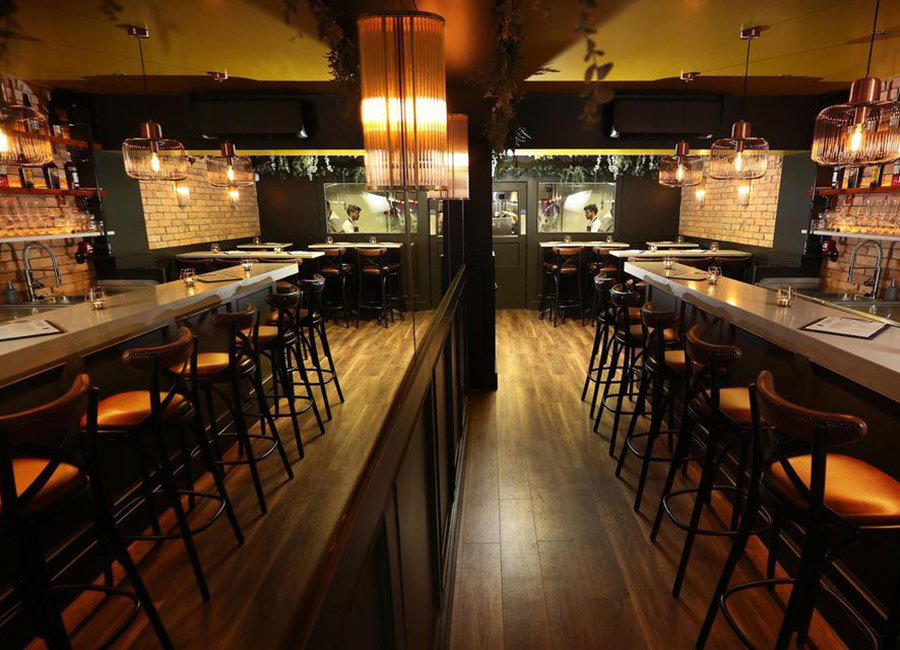
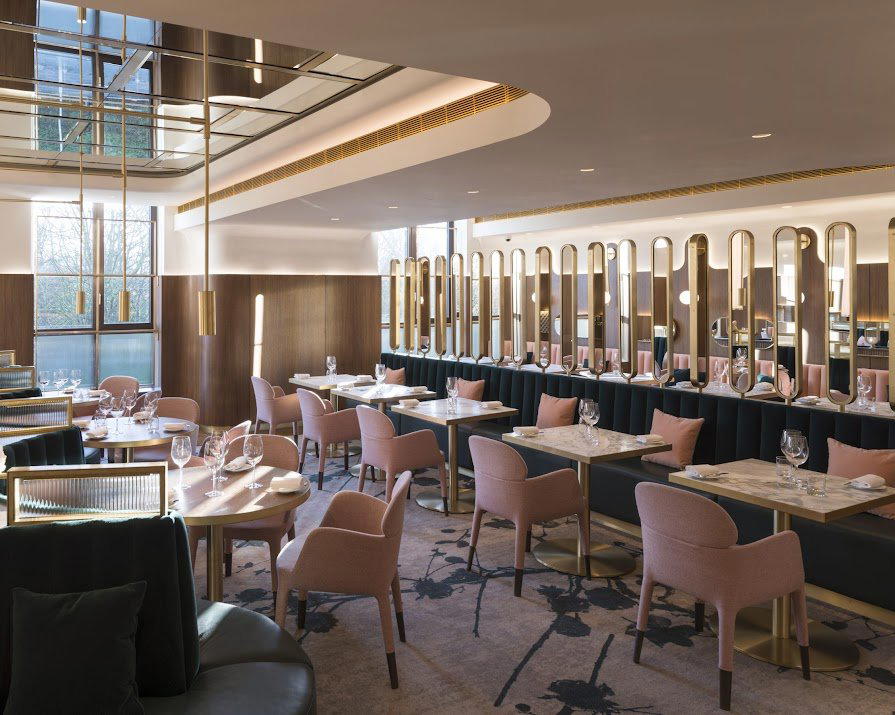
Bars in Dublin
Browse all →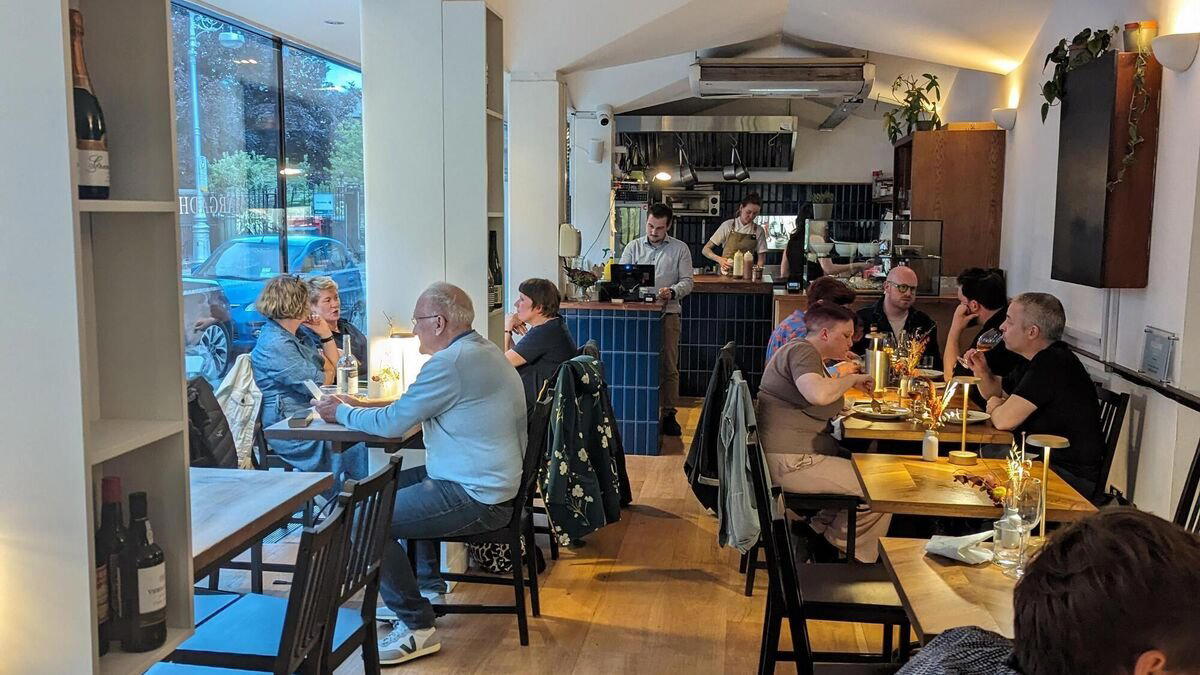
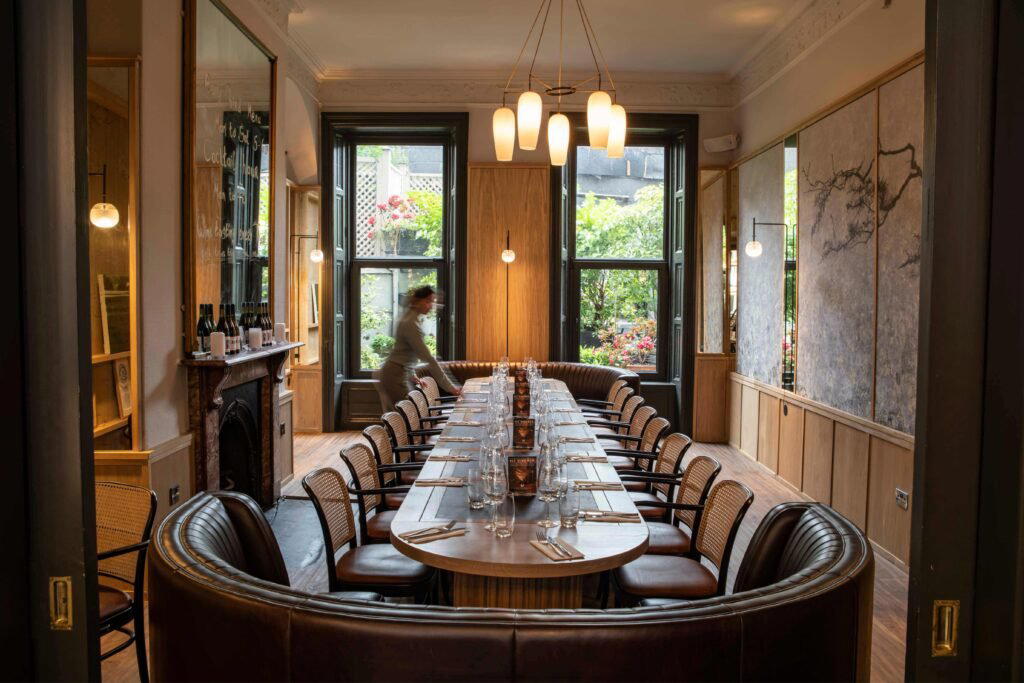
Hotels in Dublin
Browse all →
Wineries in Dublin
Browse all →
Details
- Elegant
- Minimalist
- Intimate
- Sophisticated
- Special Occasion
- Date Night
- Celebration
- Open Kitchen
- Standalone
- Local Sourcing
- Tasting Menu
- Prix Fixe
- Wine
- Gluten Free Options
- Allergy Accommodating
Current opening hours
- Monday
- Closed
- Tuesday
- Closed
- Wednesday
- 12:30–9 PM
- Thursday
- 12:30–9 PM
- Friday
- 12:30–9 PM
- Saturday
- 12:30–9 PM
- Sunday
- Closed
Hours can change for holidays and private events. Last verified .
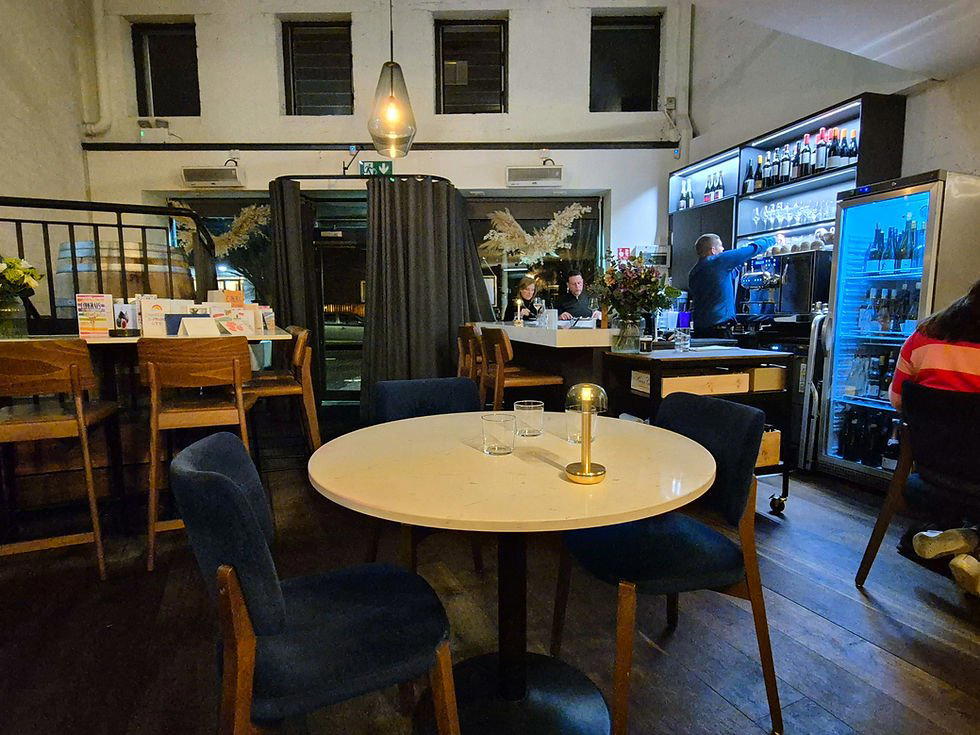
Minimalist Nordic-inspired dining room with warm inviting colors, dark wooden floorboards and tables, and an open kitchen creating a relaxed yet focused atmosphere with soft, understated lighting.