Our verdict
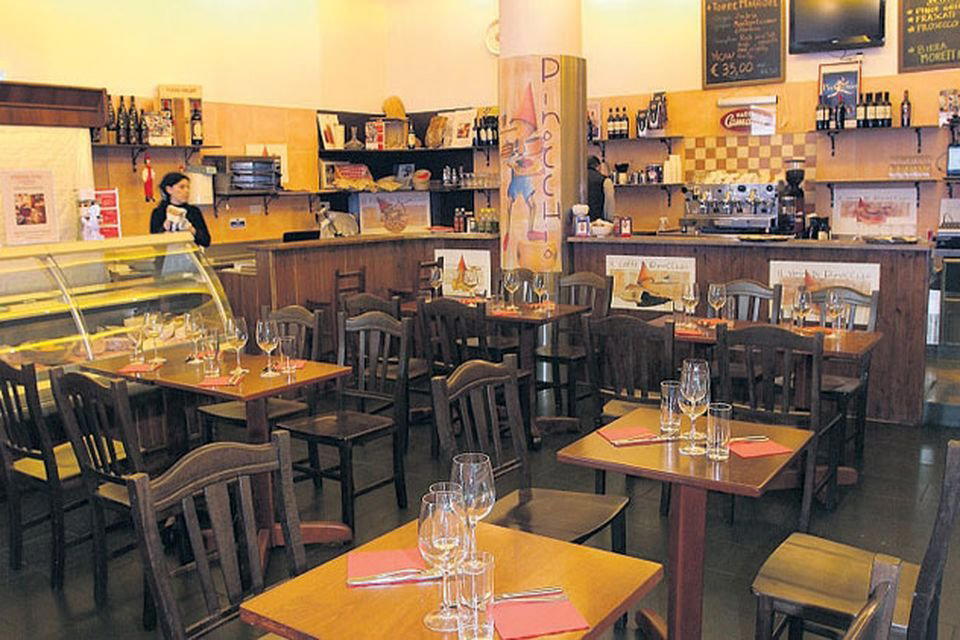
On the cobbled stretch of Essex Street West in Dublin's Temple Bar quarter, Pinocchio occupies one of the area's more settled dining addresses, offering a neighbourhood-Italian character that sits apart from the city's fine-dining circuit. The room draws a regular local crowd rather than a destination-seeking one, and the kitchen's Italian foundations give it a distinct identity on a strip better known for its bars than its cooking.

Pearl is the En Primeur Club membership app — saves, bookings, and concierge access live there. Same editors, same standards.
- Address
- Pudding Row, 1, Essex St W, Dublin, Ireland
- Phone
- +35316719524
- Hours
- Mon–Thu 4–10 PMFri 4–10:30 PMSat 1–10:30 PMSun 1–10 PM
- Website
- pinocchio.ie
- Directions
- Get directions
- Booking
- Book on OpenTable
The menu
What to order
- Crab Ravioli
- Capricciosa Pizza
- Lasagna
- Tiramisu
Essex Street West and the Case for a Quieter Room
Temple Bar's reputation as a dining destination has always been complicated. The neighbourhood carries more weight as a nightlife address, and serious kitchens in the area have historically fought against the foot-traffic dynamic that rewards volume over precision. The Italian trattoria model, though, is built for exactly this kind of street: it thrives on repeat custom, on locals who return for a familiar plate rather than tourists chasing a tasting menu. Pinocchio Restaurant, on Pudding Row at the western end of Essex Street, occupies that position in the neighbourhood — an Italian-leaning room on a cobbled stretch that has slowly attracted more considered dining than its eastern end would suggest.
In the wider context of Dublin's Italian restaurant scene, the city has historically been thin on the ground for trattorias that operate with genuine regional Italian intent rather than a generalised continental menu. The addresses that have earned sustained local loyalty tend to do so through consistency rather than innovation, and Pudding Row's character — quieter, more residential in feel than the Merchant's Arch side of Temple Bar, suits a kitchen that keeps its focus narrow. For a broader read on where Pinocchio sits relative to Dublin's full dining range, the full Dublin restaurants guide maps the city's current landscape by neighbourhood and category.
Temple Bar's Shift Toward Localised Dining
Dublin's dining geography has reorganised significantly over the past decade. The city's most discussed kitchens have migrated toward Rathmines, Blackrock, and the canal-side corridors, while the city centre has become increasingly bifurcated between high-end destination dining and casual volume. Chapter One by Mickael Viljanen and Patrick Guilbaud anchor the formal end of that spectrum; Bastible, Glovers Alley, and D'Olier Street sit in the middle tier of modern-Irish and modern-cuisine thinking. Pinocchio doesn't compete with either group. It belongs to a separate and arguably more durable category: the neighbourhood Italian that exists outside award cycles and price-tier comparisons.
What makes this position interesting from a sustainability perspective is the model itself. Neighbourhood restaurants in European cities have long operated with a more inherently sustainable logic than destination-dining formats. Shorter supply chains, less theatrical presentation, less food waste through elaborate multi-course construction, and a local customer base that reduces marketing dependency, these structural features of the trattoria model align, at least in principle, with the ethical sourcing and waste-reduction priorities that have become central to how more conscious diners evaluate a room. Whether Pinocchio engages with those priorities explicitly is not documented in available data, but the format creates the conditions for it.
The Irish Context for Italian Sourcing
Italy's regional culinary identity is, at its core, a sourcing philosophy: ingredients define the dish, season defines the menu, and locality defines the ingredient. Irish producers have, over the past fifteen years, built a supply ecosystem that gives Italian-influenced kitchens genuine options for local interpretation. West Cork and Wexford now supply serious charcuterie; Irish farmhouses produce aged hard cheeses that function comparably to Grana-style applications; and domestic growers supply heritage tomato varieties through much of the summer season. The question for any Italian-leaning kitchen operating in Dublin is how much of that Irish producer network it chooses to engage with alongside imported Italian staples.
This tension, authenticity versus locality, is one the broader Irish fine-dining community has addressed aggressively. Aniar in Galway operates an explicit terroir-first philosophy. Liath in Blackrock and Chestnut in Ballydehob work with hyper-local supplier networks. Even coastal rooms like Bastion in Kinsale and House in Ardmore have built sourcing stories around proximity. For an Italian restaurant in Dublin, the equivalent move is selective: use Irish dairy and protein where Italian technique can accommodate local produce, and source Italian staples through importers with documented provenance. This is how the most credible Italian rooms in non-Italian cities have extended their ethical sourcing credentials without abandoning their culinary identity.
How Pinocchio Sits in the Pudding Row Block
Essex Street West is a short stretch, and Pudding Row gives it a pedestrian character that the wider Temple Bar grid lacks. The address puts Pinocchio within walking distance of the Cultural Quarter, the Smock Alley Theatre, and the kind of pre- or post-performance dining demand that rewards a room with a consistent, approachable offer. In cities where theatre districts have developed strong dining ecosystems, London's Covent Garden, New York's Hell's Kitchen, the Italian trattoria format has consistently held its ground against more elaborate neighbours. The format works because it doesn't require a long booking horizon and doesn't punish diners who arrive without a plan.
For travellers building a wider Irish dining itinerary, the country's regional kitchens offer some of the most interesting eating outside Dublin. Campagne in Kilkenny, Lady Helen in Thomastown, Terre in Castlemartyr, and Homestead Cottage in Doolin represent a strand of Irish regional cooking that has earned serious international comparison. And for context on how ethically sourced, produce-led cooking operates at the highest technical level internationally, Le Bernardin in New York City and Atomix in New York City offer reference points from the American end of that conversation. Closer to Dublin, dede in Baltimore has built one of the more compelling producer-driven narratives in the country.
Know Before You Go
Address: Pudding Row, 1 Essex Street West, Dublin, Ireland
Neighbourhood: Temple Bar / Essex Street West
Cuisine: Italian-leaning neighbourhood dining
Frequently Asked Questions
Frequently asked questions
Where is Pinocchio Restaurant in Dublin?
Pinocchio Restaurant is located at Pudding Row, 1, Essex St W, Dublin, Ireland, Dublin.
Is Pinocchio Restaurant a good option for a casual dinner in Dublin's Temple Bar area?
Pinocchio's Pudding Row address on Essex Street West sits within Temple Bar but on a quieter pedestrian stretch that sidesteps the neighbourhood's louder nightlife corridor. That positioning makes it one of the more low-key Italian options in Dublin 2 for an evening meal without the surrounding foot traffic of the main Temple Bar grid. It functions as a neighbourhood trattoria within a city-centre postcode.
What's the must-try dish at Pinocchio Restaurant?
Italian kitchens operating at this neighbourhood trattoria level in Dublin typically anchor the menu around fresh pasta and regional Italian sourcing, where the pasta course tends to be the most kitchen-defining element. Checking directly with the restaurant at its Pudding Row address on Essex Street West will give you the current picture.
How far ahead should I plan for Pinocchio Restaurant?
Its location on Pudding Row, a pedestrian stretch of Essex Street West, means it also draws pre-theatre traffic from Smock Alley Theatre nearby, which can compress availability on performance nights. Booking a few days ahead for weekday visits and further in advance for weekends is a reasonable baseline for this Dublin neighbourhood tier.
What do critics highlight about Pinocchio Restaurant?
That absence doesn't reflect poorly on the kitchen — many of Dublin's more dependable Italian rooms operate outside the awards circuit entirely. The restaurant's position on Pudding Row in Temple Bar places it in a block that has been building a quieter, more local dining identity over recent years.
Is Pinocchio Restaurant good for vegetarians?
Italian kitchen structures are inherently well-suited to vegetarian dining — pasta, risotto, and vegetable-led antipasti are standard across the format, not afterthoughts. For confirmed current options, contacting the restaurant directly at its Essex Street West address in Dublin is the most reliable route.
A Quick Peer Check
Comparable venues nearby, for context on price, style, and recognition.
| Venue | Cuisine | Price | Awards | Notes |
|---|---|---|---|---|
| Pinocchio RestaurantThis venue — the venue you are viewing | Authentic Italian | $20–30 | Not listed | Not listed |
| Carluccio's | Authentic Italian | $20–30 | Not listed | Mansion House A |
| Little Pyg | Authentic Neapolitan Pizza | $20–30 | 50 Top Pizza World Best Pizza #82 | Royal Exchange B |
| Pacino's | Authentic Italian Trattoria | $30–50 | Not listed | Royal Exchange A |
| Val's | Authentic Italian Pizzeria | $20–30 | Not listed | Royal Exchange A |
| Momento | Authentic Italian Trattoria | $20–30 | Not listed | Saint Kevin'S |
Continue exploring
More in Dublin
Restaurants in Dublin
Browse all →
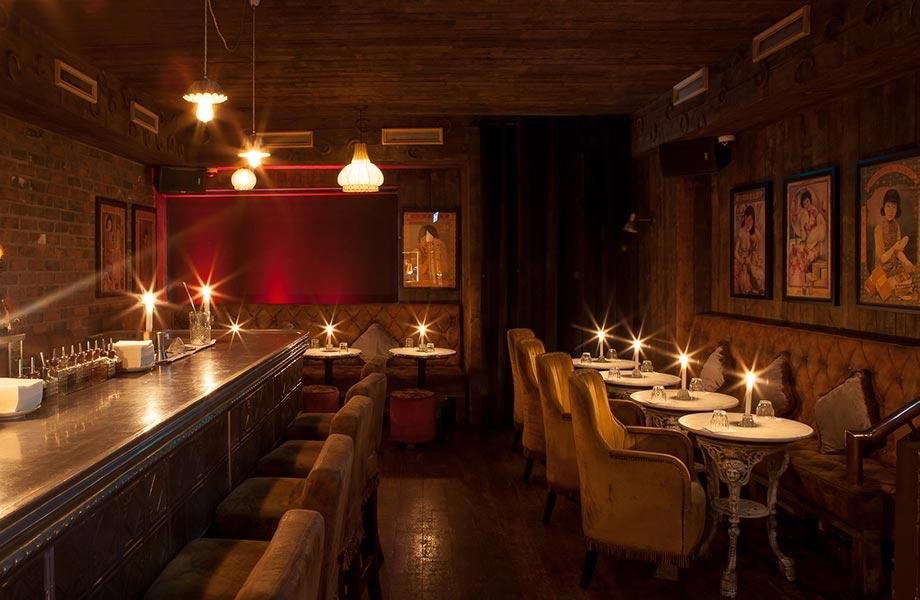
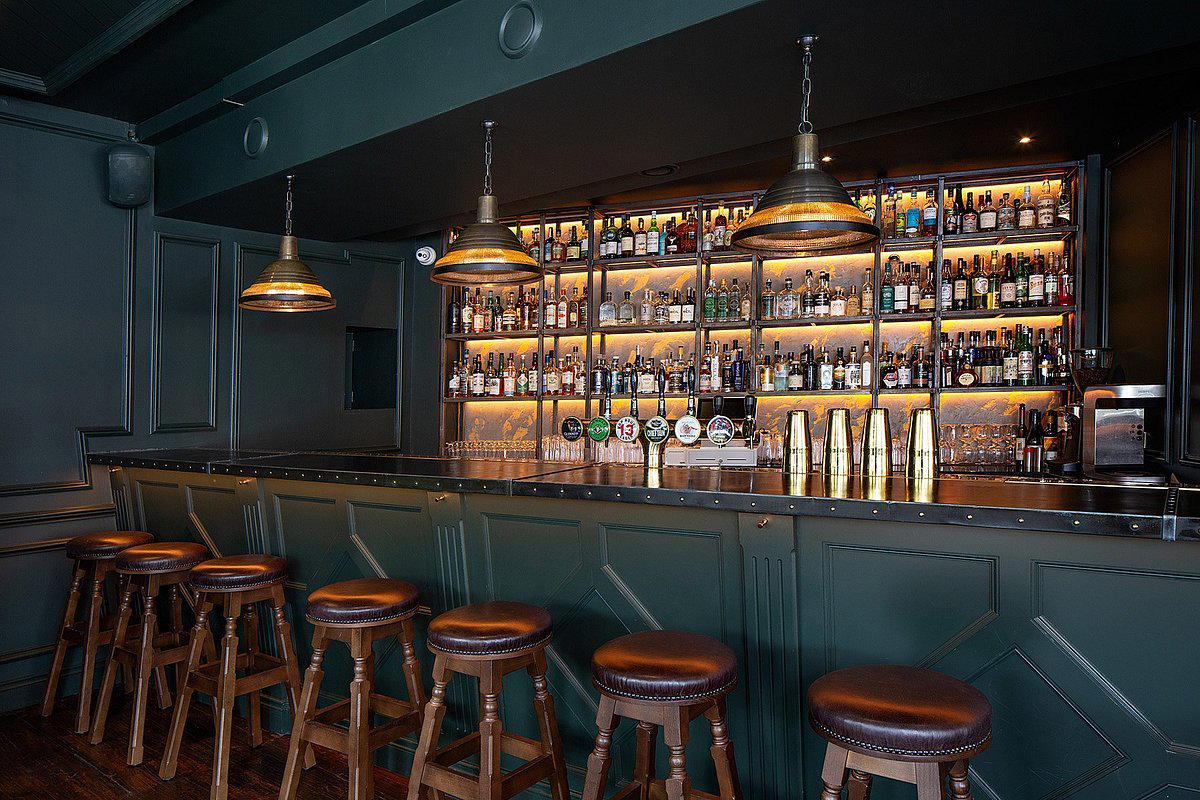
Bars in Dublin
Browse all →
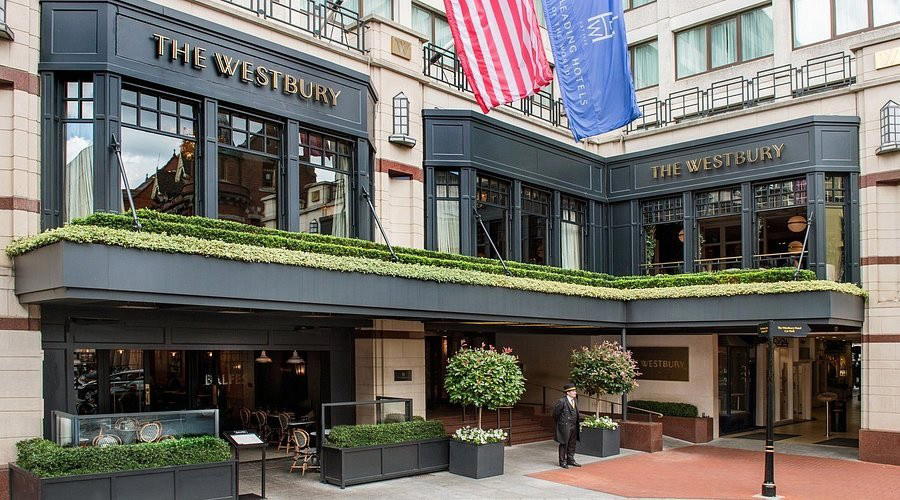
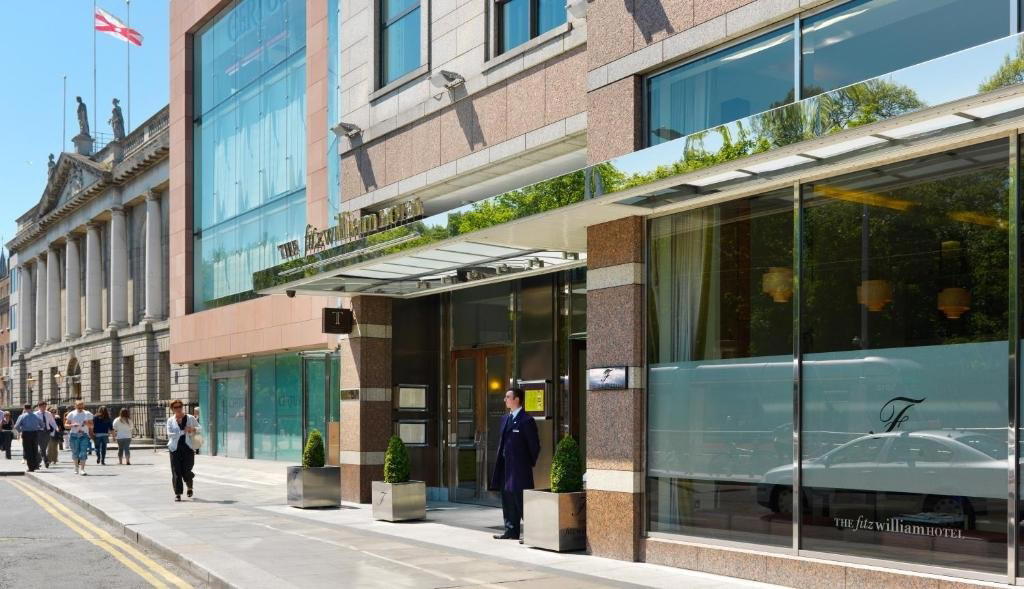
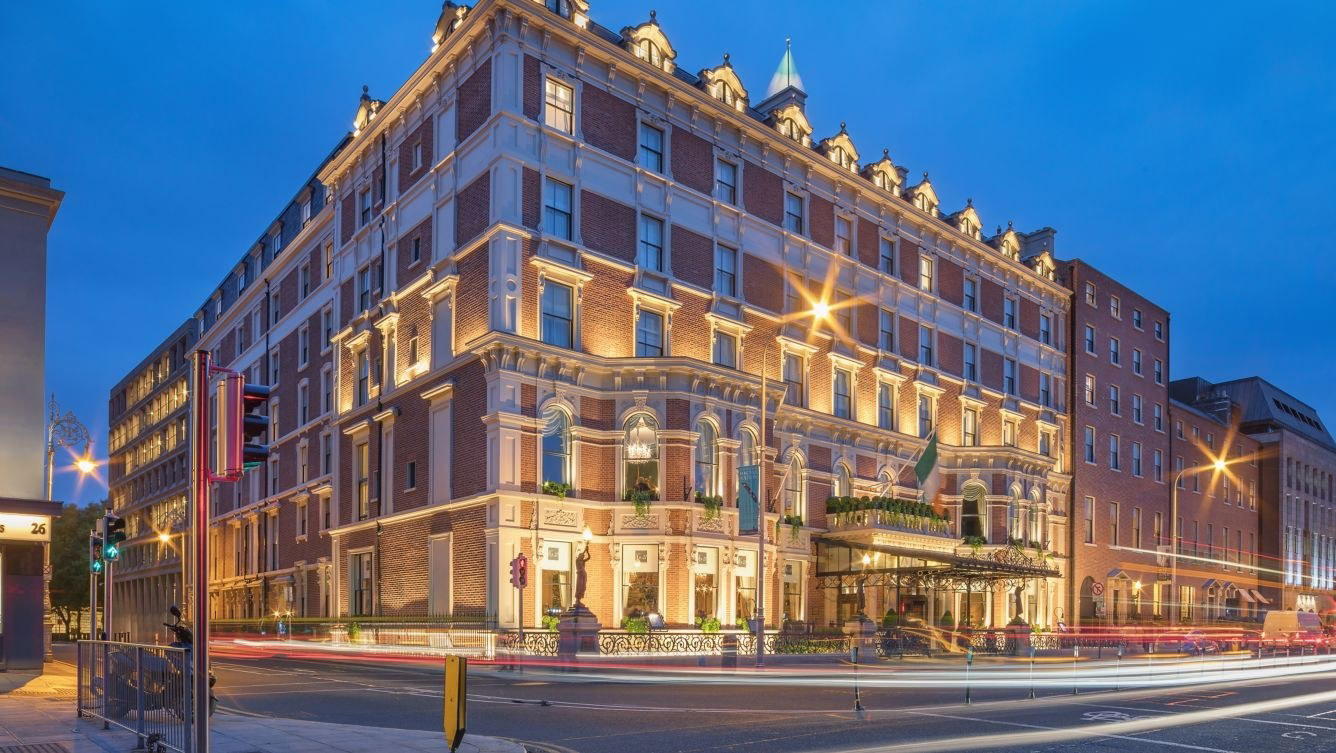
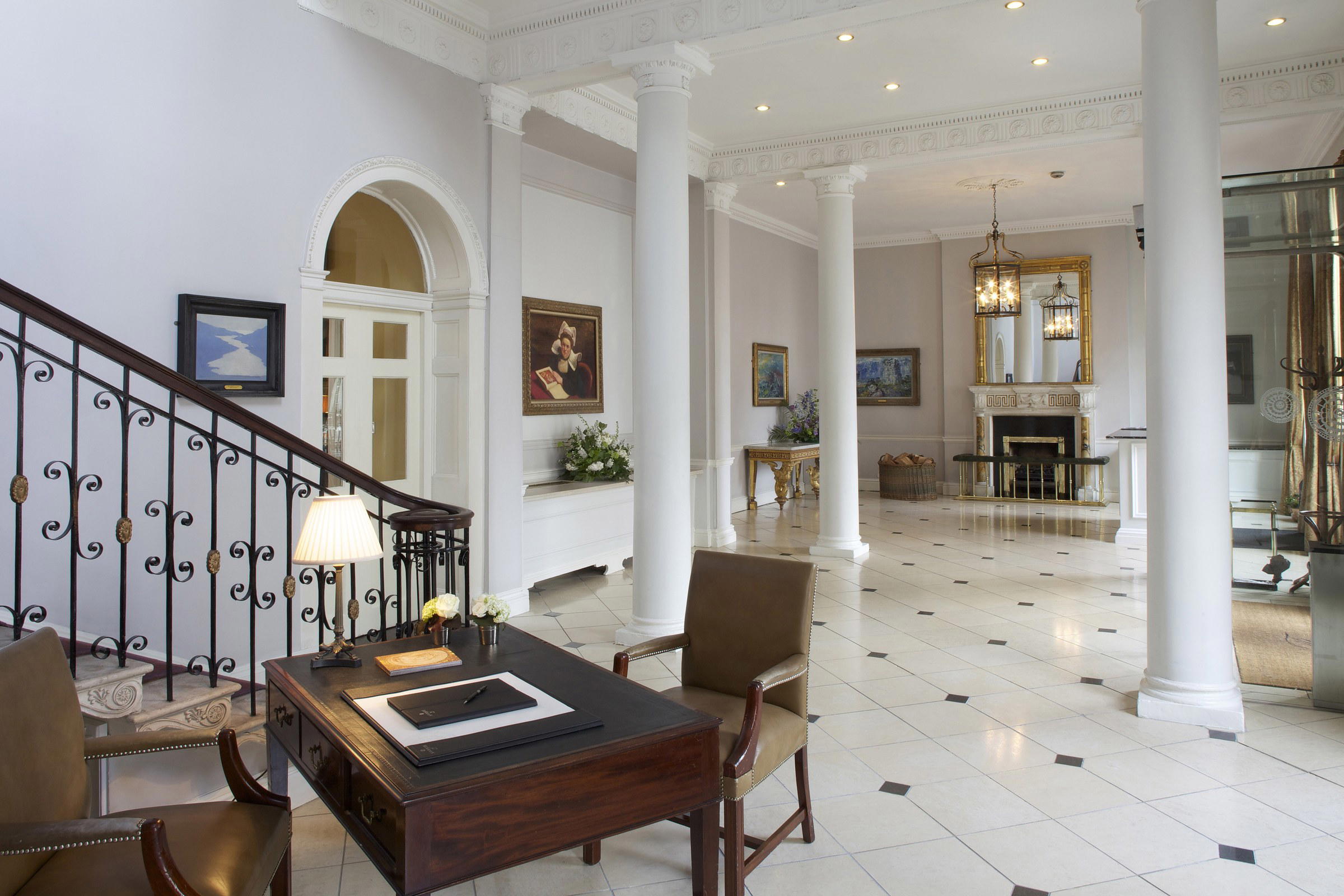
Hotels in Dublin
Browse all →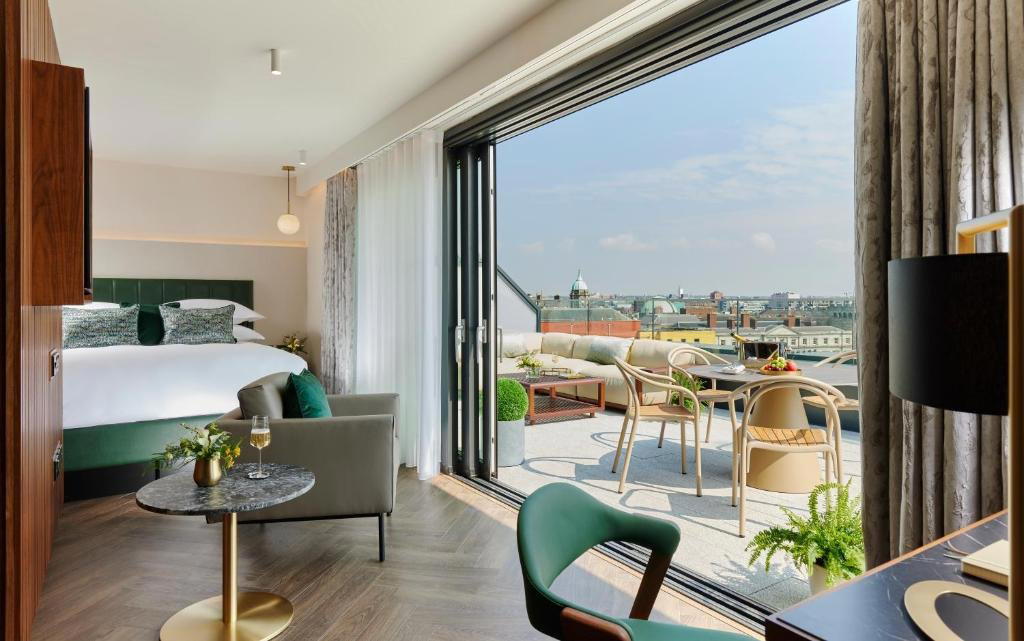
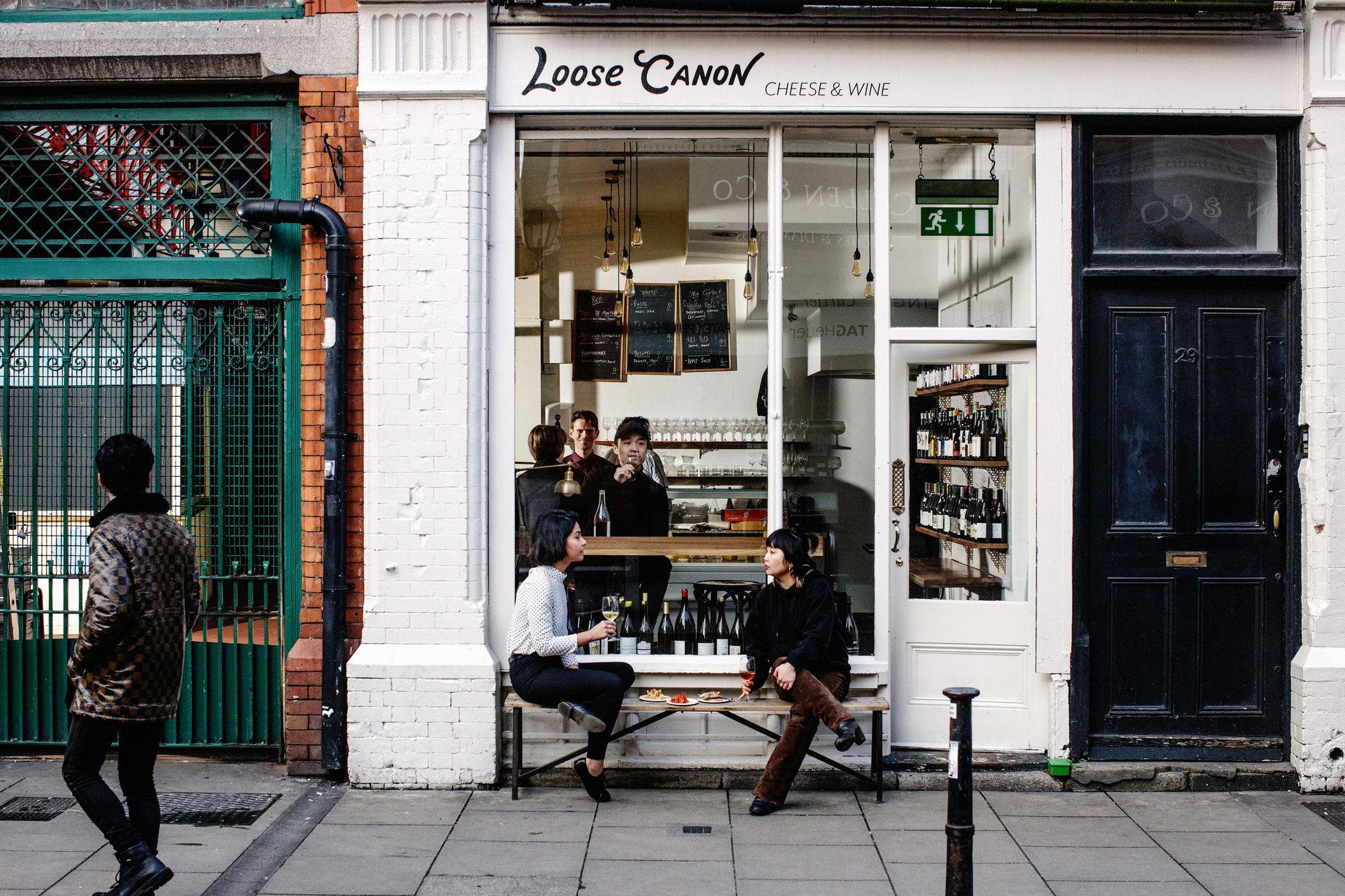
Wineries in Dublin
Browse all →
Details
- Cozy
- Classic
- Intimate
- Family
- Business Dinner
- Casual Hangout
- Wine Cellar
- Extensive Wine List
- Local Sourcing
- A La Carte
- Italian Wines
- Vegetarian Friendly
- Vegan Options
- Gluten Free Options
Current opening hours
- Monday
- 4–10 PM
- Tuesday
- 4–10 PM
- Wednesday
- 4–10 PM
- Thursday
- 4–10 PM
- Friday
- 4–10:30 PM
- Saturday
- 1–10:30 PM
- Sunday
- 1–10 PM
Hours can change for holidays and private events. Last verified .
Welcoming and cosy atmosphere with warm lighting well-suited for family dinners or business meetings.