
A Michelin Bib Gourmand-recognised address on Shiquan Street, Yangzhou Yan · Qu Yuan brings Huaiyang cooking into one of Suzhou's most historically loaded corridors. The kitchen works within a tradition defined by knife discipline, restrained seasoning, and freshwater produce, delivering that register at a mid-range price point (¥¥) that few recognised Huaiyang kitchens in the region match.
Pearl is the En Primeur Club membership app — saves, bookings, and concierge access live there. Same editors, same standards.
- Address
- 420 Shiquan St, Cang Lang Qu, Suzhou, Jiangsu, China, 215005
- Phone
- +86 512 6519 2728
- Directions
- Get directions
 Saves & bookings on Pearl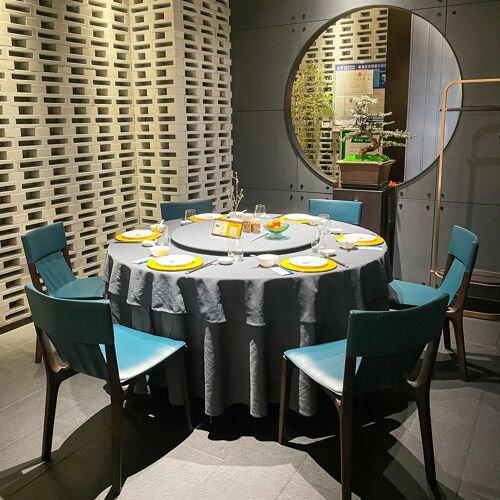
Shiquan Street and the Huaiyang Tradition
Shiquan Street runs along the southern edge of Suzhou's classical garden belt, and the buildings lining it have housed scholars, merchants, and tea houses for centuries. Arriving at number 420, you are entering a stretch of the city where the architecture still reads as Jiangnan vernacular, whitewashed walls, dark timber frames, the faint sound of water from the canal network nearby. The setting matters because Huaiyang cuisine, which originates in the Yangzi River delta cities of Yangzhou, Huai'an, Zhenjiang, and Nanjing, has always been tied to this kind of river-town quietness. It is not a cuisine that performs loudly.
Yangzhou Yan · Qu Yuan holds a 2025 Michelin Bib Gourmand, which places it in the tier of restaurants where price and quality are judged together, with cooking recognised below the starred bracket. At ¥¥, it sits in a middle range that is notably competitive in Suzhou's Huaiyang and broader Jiangsu dining scene. Comparison venues like Dingshan·Jiangyan (Xiangcheng) operate at ¥¥¥, while Pingjiangsong sits at ¥¥¥¥.
What Huaiyang Cooking Actually Requires
Huaiyang is one of China's four classical regional cuisines, and its reputation rests on technical discipline rather than ingredient extravagance or spice intensity. The knife work associated with the tradition, particularly the shredding and fine-cutting techniques applied to tofu and vegetables, is the kind of skill that takes years to develop and is invisible on the plate until you taste what its absence looks like. Braising techniques here rely on timing and temperature control rather than aromatics to do heavy lifting. The seasoning register is deliberately light: sweet, delicate, and dependent on produce quality to carry the dish.
Freshwater fish, river shrimp, crab, bamboo shoots, and seasonal vegetables from the Yangzi delta are the backbone of the ingredient list. This is a cuisine that has never needed to import its logic from outside China, but it is also one that rewards comparison with Western traditions that share its restraint-first philosophy. The French approach to classical sauce-making and the Huaiyang approach to braising stocks share a structural discipline, both treat the reduction or concentration of natural flavour as the primary task, rather than layering in additional complexity. That parallel is worth holding in mind when reading menus in this register.
For readers tracking how Huaiyang cooking is being presented across China's major cities, the comparison set is instructive. Huaiyang Fu (Dongcheng) in Beijing and The Huaiyang Garden in Macau both operate in the formal end of this tradition. Yangzhou Yan · Qu Yuan at ¥¥ sits at a different price register from both, which changes the likely format and pacing of the meal, but the culinary lineage is the same.
Suzhou's Position in the Jiangnan Dining Picture
Suzhou is not a city that competes with Shanghai or Beijing on dining scale, but it has a distinct culinary identity that serious visitors should understand before booking. Jiangnan cooking, the broader regional category that encompasses Suzhou, Hangzhou, and the Yangzi delta, emphasises seasonal produce, mild sweetness, and visual precision. Suzhou's own version of this, Su cuisine, shares DNA with Huaiyang but tilts slightly sweeter and places greater emphasis on decorative presentation. A restaurant like Yangzhou Yan · Qu Yuan is therefore working in a tradition that locals parse carefully: Huaiyang and Su cuisine are related but not interchangeable, and the distinction signals something about the kitchen's reference points.
Other Jiangsu-focused addresses in the city include Bai Sheng Ren Jia (Wuzhong), also at ¥¥, and Ban Ting Jia Yan (Suzhou Industrial Park), which extends the Jiangsu cooking offer into the city's newer districts. For a different regional register entirely, Ban Lan (Huqiu) brings Fujian cooking into the mix at ¥¥¥. The diversity within Suzhou's mid-to-upper dining tier is narrower than Shanghai's but focused enough that each recognised address serves a distinct function in how a visitor might plan multiple meals.
The broader Jiangnan region also allows for useful cross-city comparisons. Ru Yuan in Hangzhou operates in a related culinary tradition with Hangzhou's own seasonal emphasis, while 102 House in Shanghai and Xin Rong Ji (Xinyuan South Road) in Beijing represent how Jiangnan-rooted cooking translates into larger city markets. Xin Rong Ji in Chengdu shows how the same culinary lineage performs in a different flavour-preference environment.
Planning a Visit
The restaurant is located at 420 Shiquan Street, in the Canglang district, the section of Suzhou's old city closest to the Canglang Pavilion garden and within walking distance of the Master of the Nets Garden. The ¥¥ price point means this is a realistic lunch or dinner option without the advance planning required at Suzhou's higher-end Jiangsu tables.5 stars across 22 ratings. The restaurant operates daily from 10:30 AM to 2:30 PM and 5 PM to 9 PM.
For those extending travel beyond Suzhou, Chef Tam's Seasons in Macau and Imperial Treasure Fine Chinese Cuisine in Guangzhou represent how formal Chinese fine dining operates at the summit of a different price tier in other major markets.
What to Order
Confirmed signature dishes are not listed in the record. What the Huaiyang tradition suggests as a framework: look for preparations built around freshwater protein, river fish, shrimp, or seasonal crab depending on time of year, and dishes that demonstrate knife technique rather than sauce complexity. Autumn visits to the Jiangnan region generally align with hairy crab season (late September through November), which shifts the seasonal emphasis at kitchens working in this tradition. Arriving with an understanding of Huaiyang's technical priorities, restrained seasoning, clean stock-based sauces, textural precision, is a better preparation than seeking out a fixed dish list.
Category Peers
Comparable venues nearby, for context on price, style, and recognition.
| Venue | Cuisine | Price | Awards | Notes |
|---|---|---|---|---|
| Yangzhou Yan · Qu YuanThis venue — the venue you are viewing | Huaiyang | $$ | Bib Gourmand | Not listed |
| Wei Ji Ao Mian Guan (East Baita Road) | Traditional Kunshan Aozao Noodles | $$ | Bib Gourmand | Pingjiang |
| Ge Jia Wu Farmer’s House | Dining | Not listed | Bib Gourmand | Suzhou |
| Wan Tai Xing | Traditional Suzhou Noodles | $ | Bib Gourmand | Gusu |
| Lao Zhen Yuan (Zhuangqiao Road) | Refined Suzhou Classics | $$$ | Bib Gourmand | Wujiang old town |
| Oriental Chao | Modern Chaozhou Cuisine | $$$ | Bib Gourmand | Suzhou Industrial Park |
Recognition history
Dated appearances from independent guides and award organizations, with the underlying list record or original source where available.
Michelin Bib Gourmand
Michelin
At a Glance
- Elegant
- Classic
- Sophisticated
- Business Dinner
- Group Dining
- Special Occasion
- Standalone
- Local Sourcing
Current opening hours
- Monday
- 10:30 AM–2:30 PM, 5–9 PM
- Tuesday
- 10:30 AM–2:30 PM, 5–9 PM
- Wednesday
- 10:30 AM–2:30 PM, 5–9 PM
- Thursday
- 10:30 AM–2:30 PM, 5–9 PM
- Friday
- 10:30 AM–2:30 PM, 5–9 PM
- Saturday
- 10:30 AM–2:30 PM, 5–9 PM
- Sunday
- 10:30 AM–2:30 PM, 5–9 PM
Hours can change for holidays and private events. Last verified .
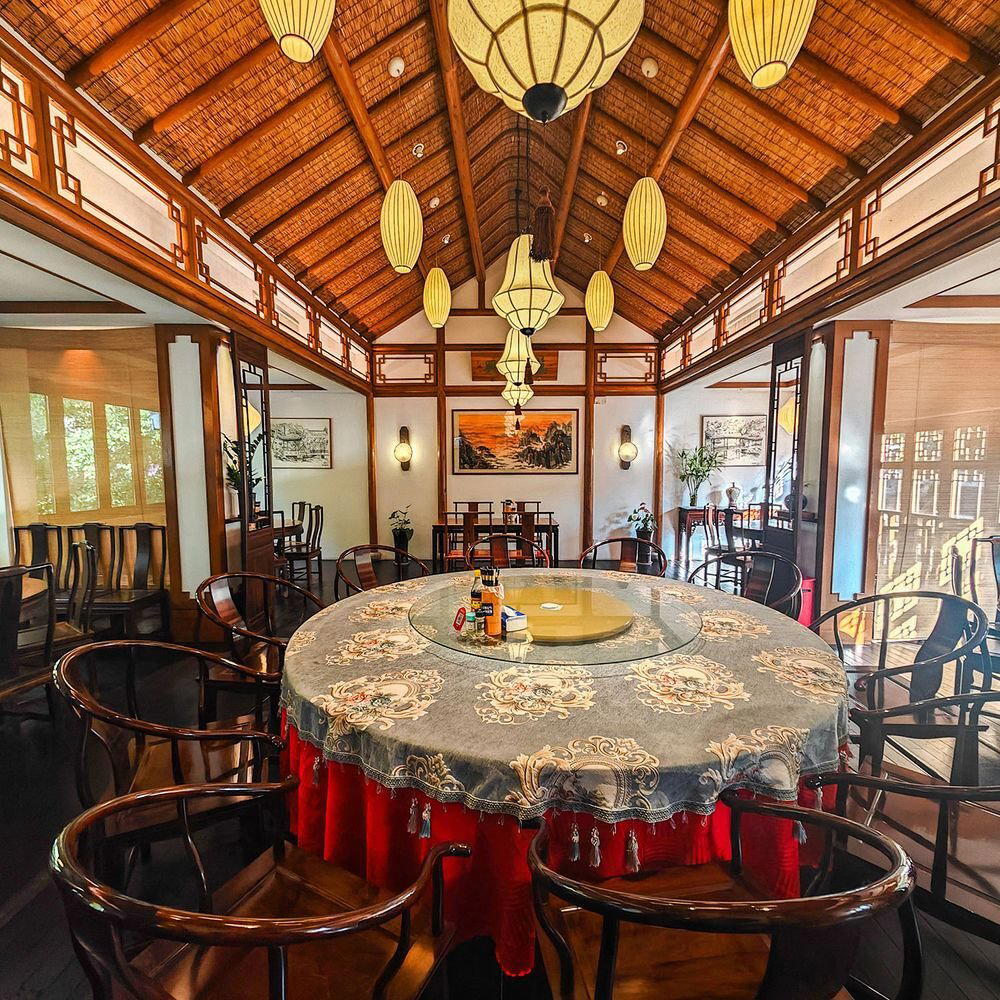
Elegantly appointed, with a refined and traditional-feeling atmosphere.