
Kyoto’s tachinomi culture rewards compact rooms, fast judgment and drink lists that move beyond beer-and-highball default settings. Yanagikoji TAKA sits in that sharper category: a 16-seat stand-up bar and Spanish-style baru near Kyoto Kawaramachi, selected for Tabelog 100 Tachinomi 2025, with sake, shochu, wine and cocktails in play rather than a single-lane drinks program.
Pearl is the En Primeur Club membership app — saves, bookings, and concierge access live there. Same editors, same standards.
- Address
- 京都府京都市中京区中之町577 柳小路 はちべえ長屋
- Phone
- +81757085791
- Website
- taka-kyoto-japan.net
 Saves & bookings on Pearl
Yanagikoji is the sort of Kyoto lane where the city compresses: narrow frontage, close-set counters, and a social rhythm built for short distances rather than long ceremony. In that setting, the stand-up bar is not a novelty format. It is a discipline. The room has to work quickly, the drinks list has to justify repeat rounds, and the food has to support conversation without turning the night into a formal restaurant booking.
Kyoto’s high-end dining reputation often leans toward kaiseki, temple-adjacent restraint and counter restaurants with months of demand. Tachinomi belongs to a different register, closer to after-work intelligence than destination theatre. Yanagikoji TAKA belongs in that register, with a 16-seat counter-and-stand-up format and recognition on Tabelog 100 Tachinomi 2025. That award matters because the category is narrow: it measures a style of drinking venue where flow, pricing, and breadth of beverage choice carry as much weight as plate-by-plate ambition.
A tachinomi room where the drinks list widens the night
The editorial point here is the list. Many casual Kyoto drinking rooms are built around a predictable triangle: draft beer, highballs and sake. This address broadens the frame with sake, shochu, wine and cocktails, which places it closer to a compact baru than a single-purpose standing pub. The Spanish-style baru category is not incidental; it signals a room where small plates and wine can sit beside Japanese spirits without forcing the evening into either izakaya orthodoxy or Western bar cosplay.
That range changes how to read the venue. Sake and shochu keep the room anchored in Japanese drinking culture; wine and cocktails make it more flexible for mixed groups and for travellers who do not want a night defined by one bottle category. In Kyoto, where serious drinking can split between specialist sake counters and hotel bars, this middle lane has value. It gives the city’s dining circuit a lower-ceremony option without lowering the level of curation.
The price band reinforces that point. Dinner sits in the JPY 4,000 to JPY 4,999 range, while lunch sits in the JPY 3,000 to JPY 3,999 range. Those numbers put the experience well below Kyoto’s formal tasting-menu economy, but above the grab-and-go tier represented elsewhere in the city by places such as 551蓬莱 or the lower-priced café-and-snack circuit around names like [ki:]. The useful comparison is not luxury versus cheapness; it is how much drink-list range and counter energy a room can deliver inside a modest spend.
Kyoto Kawaramachi's compact-drinking advantage
The location near Kyoto Kawaramachi matters because this part of the city rewards short, stitched-together evenings. Department-store dining, late cafés, small bars and back-lane restaurants sit within easy reach, so a standing bar can function as the hinge between dinner and a second drink, or as the main event for travellers who prefer a looser night. Nearby restaurant choices in the broader Kyoto orbit, from 3TOKU6MI Shijo karasuma ten to Abbesses, show how varied the central dining map has become: quick formats, French-leaning rooms, specialist counters and casual sweets all overlap rather than sitting in separate tourist zones.
That overlap is also why tachinomi works particularly well in Kyoto. The city’s visitors often over-plan the formal meals and under-plan the spaces between them. A 16-seat standing room is not built for lingering in the manner of a hotel lounge; it is built for pace, appetite and timing. Compared with a ramen stop such as Mendokoro Janomeya or a coffee-and-sweets pause like Tsukiji, the standing baru format asks for a different kind of attention: what to drink next, how the food supports the glass, and when to move on before the room’s compactness starts working against the evening.
Yanagikoji TAKA’s Tabelog score of 3.65 and inclusion in the 2025 Tachinomi 100 place it inside a peer group judged on a specifically Japanese drinking format, not on the metrics used for grand restaurants. That distinction is useful. It prevents the category error of expecting temple-cuisine quiet or Michelin-style pacing from a counter designed for standing, drinking and quick social exchange. The achievement is not that it imitates a formal restaurant; it is that it takes a casual form seriously.
How to fit it into a Kyoto eating itinerary
The strongest use case is an evening built around central Kyoto rather than a single grand reservation. Pair it with a lighter meal, use it before or after a Kawaramachi dinner, or treat it as a drinks-led stop when the city’s more formal counters feel too rigid. Travellers comparing Kyoto’s broader food map can place it beside casual addresses such as Aburi Mochi Honke Nemoto Kazariya for tradition at a narrow format, or look further across Japan at how compact specialism appears in places such as.cafe in Osaka.know in Kumamoto, (Shoku) Vietnam in Kawasaki, [Curry Senmon Ten] Maruyama Kyoju. in Sapporo. 鮪と炭火焼き うお炭 秋葉原店 in Tokyo and -Grilled beef Sukiyaki- KAMAKURA TANUKIAN 鎌倉 たぬき庵 in Kamakura.
For overseas readers, the clearest analogue may be the new wave of sake-aware small bars outside Japan, including Jōdo Saké Bar in Los Angeles, though Kyoto’s version is less about concept design and more about daily urban use. Even a compact Los Angeles specialist such as Onigiri Time illustrates the same broader trend: narrow formats are increasingly where serious choices happen, not merely where diners compromise.
The practical reading is simple. This is a small-capacity, no-reservations room with counter seating and a standing-bar setup, so timing matters more than advance planning. The English menu helps non-Japanese speakers, and the payment setup includes major credit cards and PayPay. For the broader city plan, use Our full Kyoto restaurants guide for nearby dining, Our full Kyoto bars guide for the drinking circuit, Our full Kyoto hotels guide for where to stay, Our full Kyoto experiences guide for cultural scheduling, and Our full Kyoto wineries guide for wine-focused context around the region.
Cuisine and Credentials
Comparable venues to anchor price and recognition.
| Venue | Cuisine | Price | Notes |
|---|---|---|---|
| Yanagikoji TAKAThis venue — the venue you are viewing | Italian–Kyoto Fusion Izakaya & Yakitori Bar | $$ | Not listed |
| ASSEMBLAGES KAKIMOTO | Innovative Dessert-Forward French–Japanese Fusion | $$$ | Nakagyō |
| Yamamoto Menzo (山元麺蔵) | Authentic Kyoto-Style Udon | $$ | Okazaki |
| cafe LEC COURT | Cafe / Yoshoku / Patisserie | $$ | Nakagyō |
| Gion Morikou | Kyoto‑style Cantonese (Chinese) | $$ | Higashiyama |
| Teuchi Soba Hanamomo | Traditional Handmade Soba | $$ | Nakagyō |
Recognition history
Dated appearances from independent guides and award organizations, with the underlying list record or original source where available.
Tabelog 100 #92 · No. 92
Tabelog · Tabelog 100 - Tachinomi - 2025
Continue exploring
More in Kyoto
Restaurants in Kyoto
Browse all →
Bars in Kyoto
Browse all →
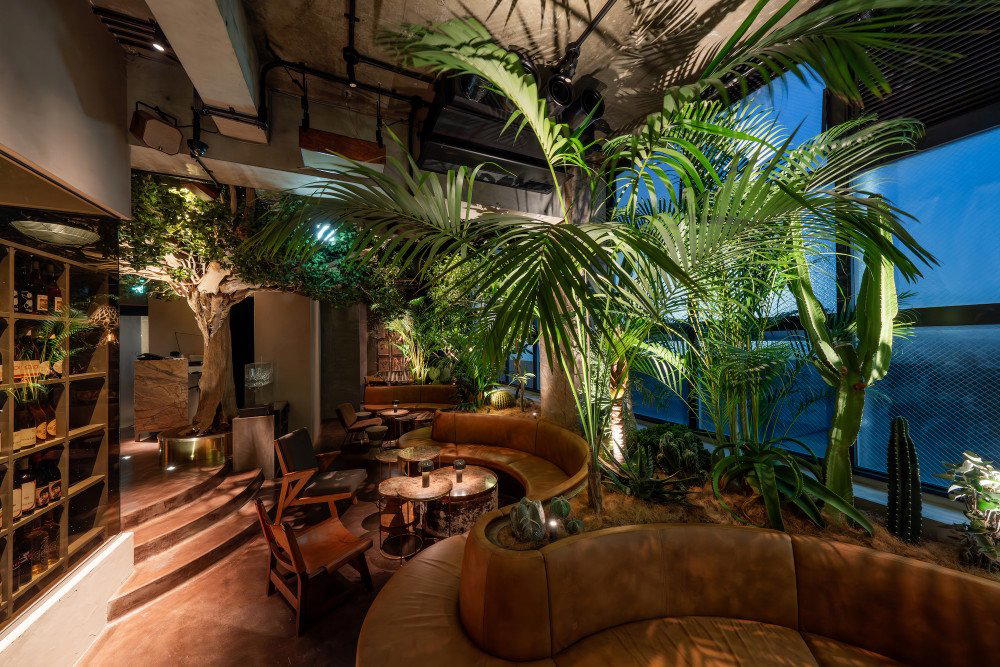
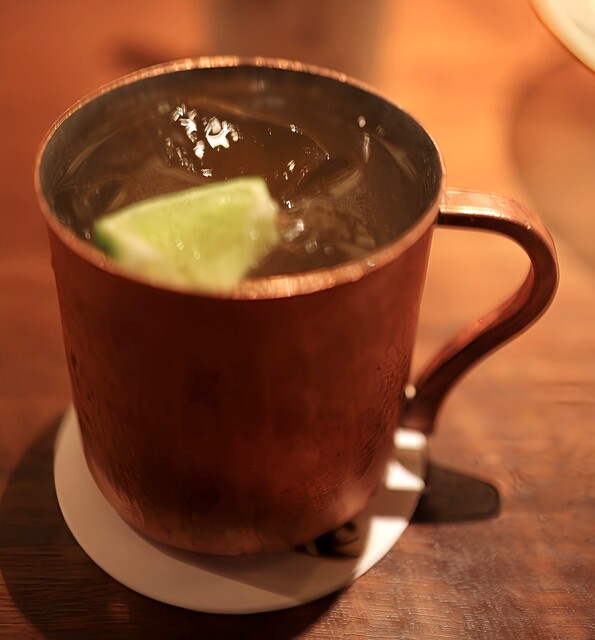
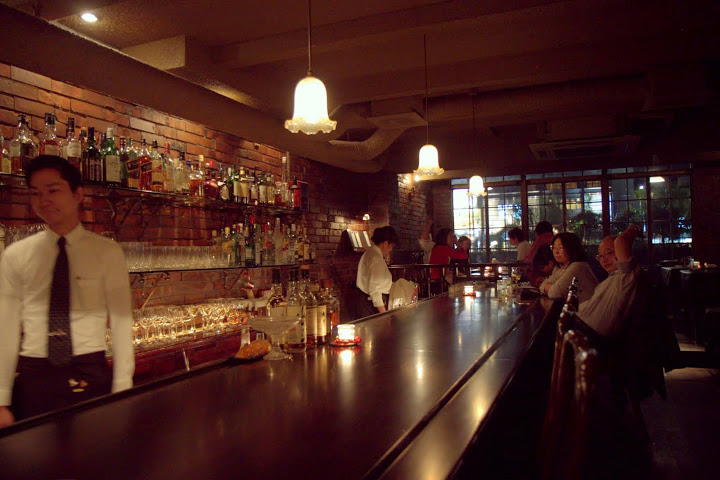
Hotels in Kyoto
Browse all →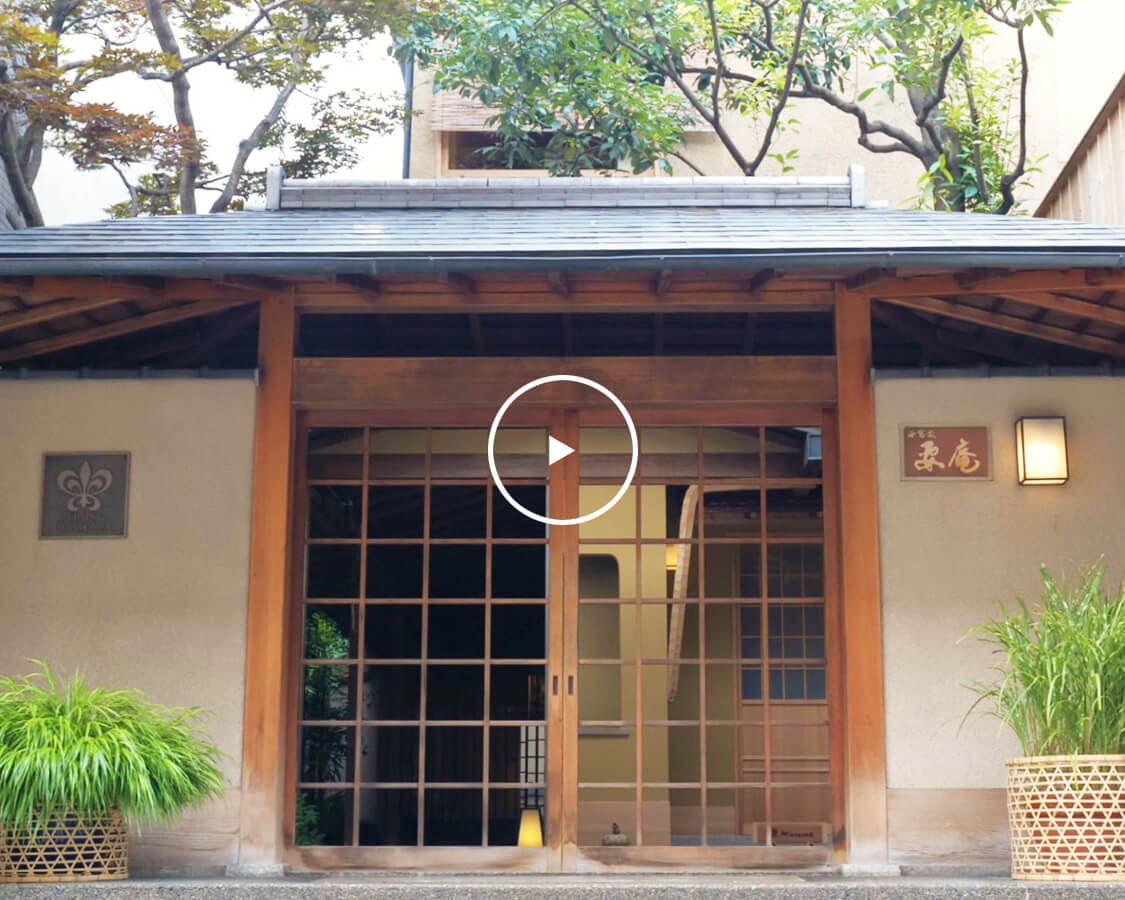
Wineries in Kyoto
Browse all →
At a Glance
- Lively
- Cozy
- Intimate
- Trendy
- Casual Hangout
- After Work
- Solo
- Date Night
- Group Dining
- Late Night
- Chefs Counter
- Standalone
- Design Destination
- Sake Program
- Beer Program
- Craft Cocktails
- Local Sourcing
- Street Scene
Casual and energetic standing-bar atmosphere in a narrow alley, with counter-focused seating, close interaction with the chef, and a relaxed tapas-style vibe rather than formal dining.