
Tabelog 100 #73
Our verdict
Yamazaki Menjiro puts Kyoto ramen into a small-counter frame: compact, low-priced, and serious enough to earn repeated selection in Tabelog’s Ramen WEST “Tabelog 100,” including 2025. The appeal is partly architectural, a nine-seat counter where ramen and tsukemen are read at close range rather than through the theatre of a large dining room.

Pearl is the En Primeur Club membership app, where members save venues, book tables and use the concierge.
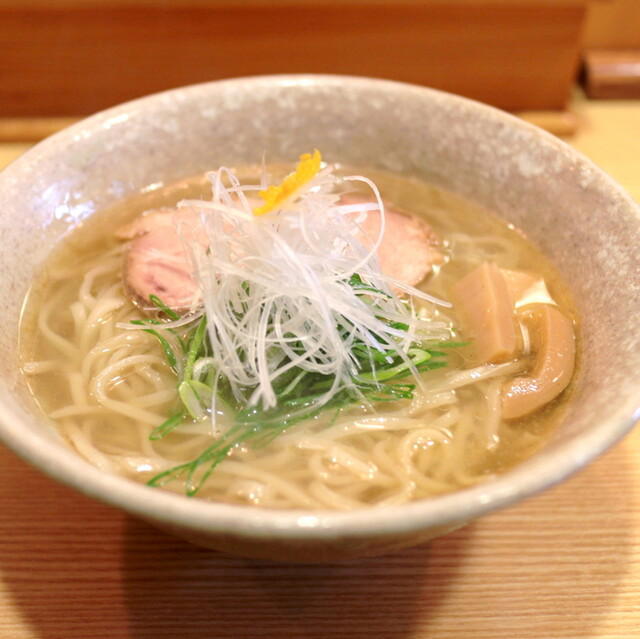
The menu
What to order
- Shoyu Ramen
- Shio Ramen
- Tsukemen (dipping noodles)
- Shoyu Ramen with Soft-Boiled Egg and Extra Chashu
- Shio Ramen with extra Chashu
Kyoto ramen is often approached through pace, steam, and a direct appetite rather than ceremony. The city’s noodle specialists tend to compress the experience: a focused order, a bowl, and the quiet pressure of diners moving through lunch-service rhythm. Yamazaki Menjiro belongs to that accessible ramen and tsukemen category in Kyoto. Its appeal is best understood through focus rather than decoration, because the meal is framed by a clear specialist identity: noodles, timing, and a concise reason to visit.
That discipline puts it in a different Kyoto conversation from formal dining rooms such as Noguchi, where time, courses, and a slower rhythm shape the meal. Ramen in this format is closer to urban utility, but that does not make it casual in ambition. A place listed in Tabelog’s 2025 Hyakumeiten recognition for ramen, with a published score of 3.69, has crossed from everyday convenience into broader recognition. The point is not luxury. The point is precision under constraint.
A compact specialist format changes the way ramen is judged
Focused ramen and tsukemen shops make weak decisions visible. There is little room for distraction when the visit is built around a bowl rather than a long sequence of courses. A specialist format also changes the tempo: diners arrive for a focused noodle meal rather than a prolonged social occasion, and the category keeps attention on broth, noodles, and pacing. Yamazaki Menjiro sits inside that stripped-back Kyoto context, where identity is expressed less through ceremony than through clarity.
Kyoto’s restaurant identity is often exported through temple-adjacent tea, refined sweets, or multi-course cuisine, yet the city’s everyday food culture depends just as much on tightly run specialists. Ramen and tsukemen shops belong to that second map. They are not alternatives to formal dining so much as another grammar: fewer courses, faster turnover, lower spend, and a more direct test of repeatability. In that context, Tabelog recognition carries weight because ramen lists reward consistency across a crowded field rather than a single photogenic dish.
The format also explains the audience. Solo dining can make sense for a focused noodle stop; so can a small group willing to eat rather than linger. The setting can be straightforward without being anonymous, but the category still asks for decisiveness. This is not the Kyoto of long pauses between courses. It is the Kyoto of choosing a specialist, ordering clearly, and judging the bowl on its own terms.
Kyoto's low-price specialist tier has its own hierarchy
The low-price bracket can be misleading in Japan. A modest spend does not signal a lack of scrutiny; if anything, ramen shops face a harsher comparison because diners can return often and judge small changes. Yamazaki Menjiro’s listing with pricing shown as - JPY 999 places it in a highly accessible specialist tier rather than merely among generic quick-service options. That distinction matters for travellers who otherwise reserve Kyoto appetite for templeside sweets or dinner tasting menus.
Within Kyoto, the comparison is useful, but it should be category-aware. coneruya, Shinrin Shokudo, Noguchi, 京天神 野口, and 方寸長島 each belong to different ways of reading the city’s dining scene, from specialist stops to more elaborate meals. Yamazaki Menjiro’s value is measured more tightly: category focus, speed, and whether the shop sustains enough approval to remain visible in a competitive noodle scene.
The useful editorial signal is not biography but clarity. Yamazaki Menjiro is identified through ramen and tsukemen, a concise category that travellers can understand before they arrive. In a city where visitors often chase oldness or formality as proxies for quality, this is a specialist noodle stop with enough recognition to belong on a serious Kyoto eating plan.
How to place it in a Kyoto itinerary
Yamazaki Menjiro works well as a calibrated counterpoint to Kyoto’s more formal meals. Build the day around contrast: a ramen lunch in Kyoto, then a slower dinner elsewhere, or use it between cultural plans and an evening built around drinks or dining. The ramen-and-tsukemen focus suits diners who want a precise noodle stop without turning lunch into a half-day event, while the recognition gives it more editorial weight than a random quick bowl.
For broader planning, EP Club’s city coverage is useful for separating categories rather than treating Kyoto as a single dining list. Start with Our full Kyoto restaurants guide, then widen the trip through Our full Kyoto hotels guide, Our full Kyoto bars guide, Our full Kyoto wineries guide, and Our full Kyoto experiences guide. Nearby restaurant context across the city is best read generically here: other Kyoto dining rooms can help frame whether Yamazaki Menjiro should be the quick specialist stop, the casual lunch, or the contrast meal between more time-intensive bookings.
Travellers extending the same specialist-food logic across Japan and beyond can compare formats through other compact restaurants, focused dining rooms, and casual venues without needing them to share the same cuisine. The common thread is not cuisine type, but format discipline: clear category identity, accessible pricing, and a reason to choose the meal deliberately.
Frequently asked questions
How much does it cost to eat at Yamazaki Menjiro?
Pricing at Yamazaki Menjiro is listed as - JPY 999.
Where is Yamazaki Menjiro located?
Kyoto.
Do I need a reservation for Yamazaki Menjiro?
Plan around arrival and current local conditions rather than assuming a fixed booking format. Yamazaki Menjiro’s ramen-and-tsukemen category in Kyoto, together with its Tabelog Hyakumeiten recognition for 2025, signals a focused specialist stop.
What is Yamazaki Menjiro known for?
Yamazaki Menjiro is known for ramen and tsukemen in Kyoto, with Tabelog Hyakumeiten recognition in 2025 and a published score of 3.69.
Peers Worth Knowing
Comparable venues for context, by category and price tier.
| Venue | Cuisine | Price | Awards | Notes |
|---|---|---|---|---|
| Yamazaki MenjiroThis venue (the venue you are viewing) | Classic Kyoto Ramen & Tsukemen Counter | $10–20 | Tabelog 100 #73 | Not listed |
| Noguchi | Modern Kaiseki Counter Dining | $300–500 | Tabelog Silver #67 | Kaiseki |
| coneruya | Artisanal Japanese Bakery & Cafe | $1–10 | Tabelog 100 #44 | JPY 999 - JPY 999 |
| Shinrin Shokudo | Japanese curry house | $10–20 | Tabelog 100 #73 | JPY 4,000 - JPY 4,999 JPY 2,000 - JPY 2,999 View spending breakdown |
Recognition history
Dated appearances from independent guides and award organizations, with the underlying list record or original source where available.
Tabelog 100 #73 · No. 73
Tabelog · Tabelog 100 - Ramen - WEST - 2025
Continue exploring
More in Kyoto
Restaurants in Kyoto
All restaurants in Kyoto →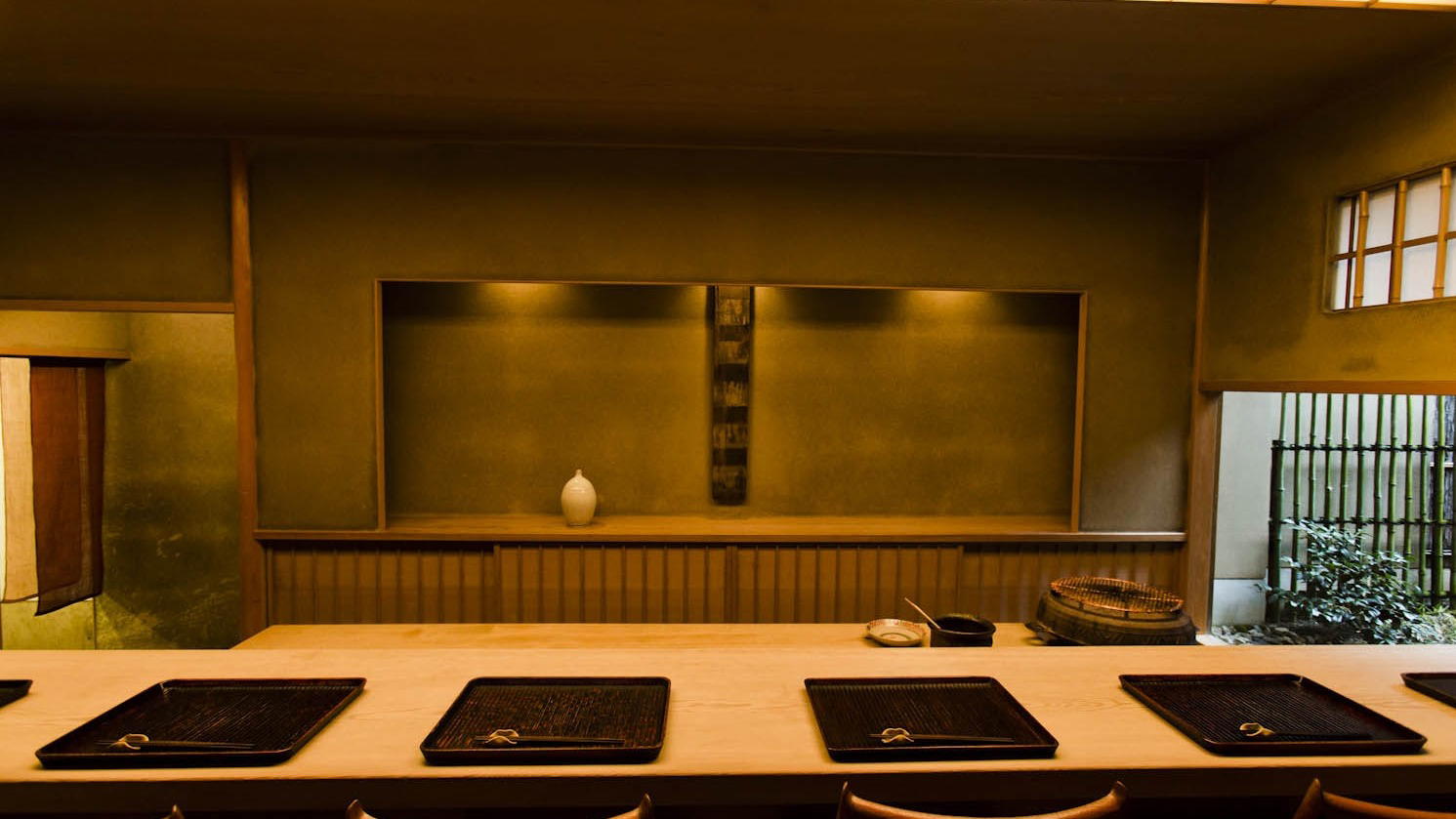
Bars in Kyoto
All bars in Kyoto →
Hotels in Kyoto
All hotels in Kyoto →
Wineries in Kyoto
Browse all →
Details
- Cozy
- Classic
- Intimate
- Solo
- Family
- Casual Hangout
- Group Dining
- Chefs Counter
- Standalone
- Design Destination
- A La Carte
- Counter Dining
A small, non-smoking, counter-only space with a relaxed, quietly focused atmosphere that feels like a local hideout, where guests sit close to the open prep area and savor artisan-style ramen without frills.