Our verdict
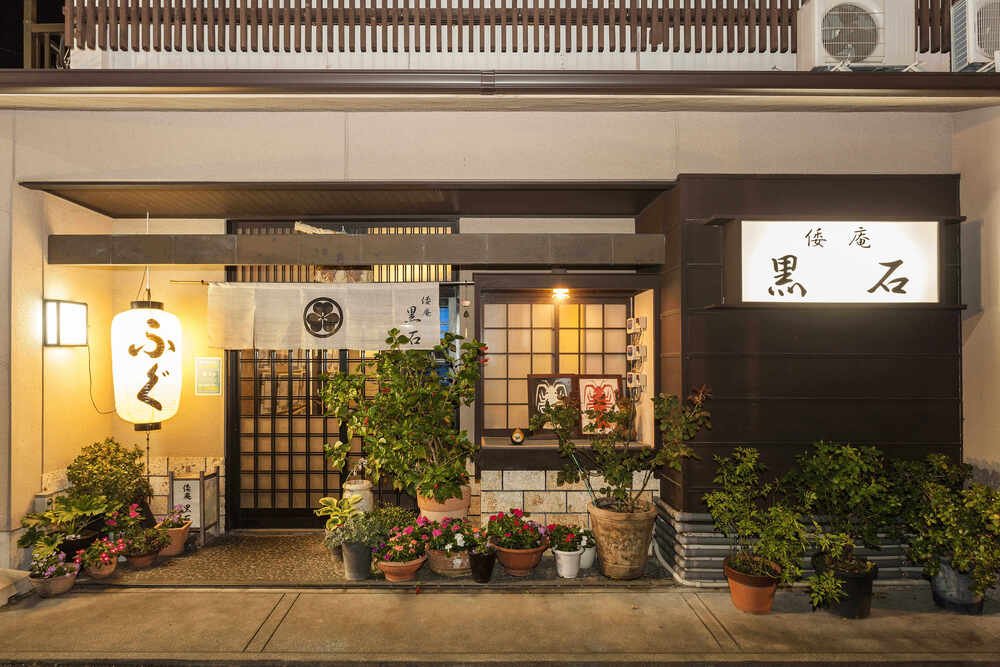
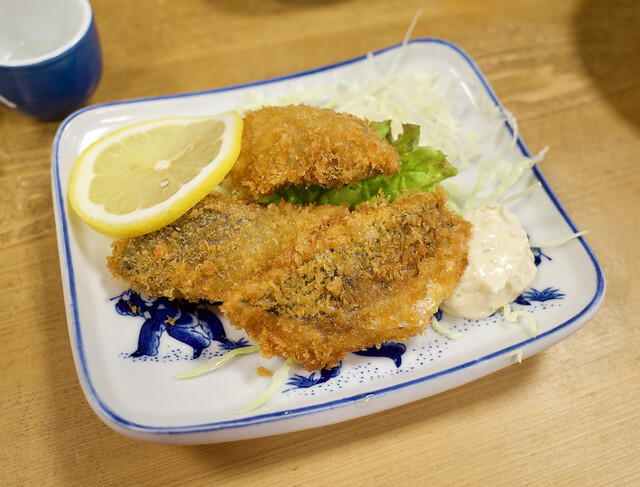
Yamatoan kuroishi serves seafood izakaya cooking with fugu and Ise lobster, with a sake program and conversational, leisurely pacing for lunch or dinner.

Pearl is the En Primeur Club membership app — saves, bookings, and concierge access live there. Same editors, same standards.
The menu
What to order
- Ise Lobster Sashimi
- Grilled Ise Lobster with Butter
- Fugu
Where the Ise Pilgrimage Road Shapes the Plate
The address tells you something before you arrive: Yamatomachi, the mountain district that fans out behind the inner precincts of Ise Jingu, Japan's most visited Shinto shrine complex. Pilgrims have been walking this corridor for more than a millennium, and the food culture that grew up alongside the route reflects that long, specific history. Restaurants in this part of Ise operate in a context that has no real parallel in Japan's larger cities: they are feeding people at the edge of sacred space, and the discipline that implies runs through the local dining scene in ways that are easy to underestimate from the outside.
Yamatoan Kuroishi sits at 125-2 Yamatomachi, placing it squarely within that pilgrimage-adjacent pocket rather than in the commercial strips closer to Ise-shi station or the Okage Yokocho tourist arcade near the outer shrine. That geography matters. Venues this close to the inner shrine tend to attract a more purposeful visitor: someone who has walked the gravel paths, is attuned to the seasonal and ceremonial rhythms of the site, and arrives at a table with a different frame of mind than a tourist moving between sights. The neighbourhood selects for a particular kind of attention, and the dining experiences embedded in it tend to reward exactly that.
Ise's Dining Scene: Smaller, More Specific Than Its Reputation Suggests
Ise is not a dining city in the way that Osaka, Kyoto, or Tokyo are. Its recognition rests on specific ingredients — Ise lobster (ise ebi), abalone, the celebrated beef from neighbouring Matsusaka, and the rice from the Miyagawa river basin that has supplied Ise Jingu for generations. What serious restaurants in the city tend to do is work close to those materials rather than building elaborate frameworks around imported technique. The leading versions of that approach produce something precise and restrained: food that foregrounds the sourcing and lets season and preparation do most of the editorial work.
The competitive set in this part of Mie Prefecture is smaller than in Japan's larger culinary cities, but it is not thin. Kamimura and Komada both operate with a seriousness that positions Ise above the shrine-town novelty tier. 伏壺 三宝 and ボン ヴィヴァン add range to the scene, extending it beyond kaiseki into other formats. Yamatoan Kuroishi operates in this peer context: a city where the reference points are ingredient-led, where seasonal sourcing from the peninsula's coastline and mountains sets the base level of expectation, and where the proximity to the shrine complex adds an overlay of ceremonial seriousness that is absent from most urban dining environments.
For a fuller picture of where this venue sits within the city's restaurant geography, the EP Club Ise restaurants guide maps the current scene in detail.
The Yamatomachi Setting and What It Asks of a Restaurant
Operating in Yamatomachi is a different proposition from running a restaurant in Ise's central commercial zone. The neighbourhood moves at a different rhythm: quieter, more residential, shaped by the foot traffic of the pilgrimage paths rather than by commuter or tourist density. That physical context tends to push kitchens toward formats that reward lingering: longer meals, more considered progressions, food that does not compete with surrounding noise or visual spectacle but holds its own in relative stillness.
Japan's most acclaimed regional restaurants often work within exactly this kind of geographical specificity. Gion Sasaki in Kyoto draws from the logic of its shrine-adjacent neighbourhood in ways that define the kitchen's seasonal calendar. Akordu in Nara positions itself relative to Nara's sacred deer park and the material culture of the ancient capital. The pattern recurs: place shapes cooking in Japan's heritage zones in ways that are more direct and less mediated than in its major metros. Yamatoan Kuroishi's position within the Ise shrine district places it inside that lineage of geographically grounded restaurants.
Regional Context: Mie Prefecture's Place in Japan's Fine Dining Map
Mie Prefecture sits in an unusual position in Japan's culinary geography. It produces ingredients that supply Tokyo and Osaka kitchens at the highest level — Matsusaka beef appears on menus at restaurants with the ambitions of HAJIME in Osaka and Harutaka in Tokyo, while Ise's seafood moves through the same premium channels that feed counters across Kansai. Yet the prefecture's own restaurant scene remains less internationally visible than its ingredients would suggest. That gap between production reputation and dining recognition is narrowing, partly because more serious kitchens are choosing to stay close to source rather than export upward.
The pattern is not unique to Mie. Goh in Fukuoka built a program around Kyushu sourcing that placed it in a different competitive conversation than its city's size would have predicted. Regional Japanese restaurants in shrine and castle towns, from Nanao to Sapporo to Takashima, have increasingly found that a tight sourcing story combined with the right location can carry a restaurant past the limitations of its city's size. Yamatoan Kuroishi operates in a geography where those conditions converge: strong local ingredient identity, a site with deep cultural gravity, and a dining public that arrives with deliberate intent.
The contrast with comparable formats in larger markets is instructive. Le Bernardin in New York City or Atomix in New York City operate within ecosystems of critical density and international visibility that Ise cannot match in scale. What Ise offers instead is specificity: a food culture that has been shaped by one very particular set of geographical, agricultural, and ceremonial conditions over centuries. That is a different kind of authority, and one that does not translate to every visitor but is acutely legible to the right one.
Planning a Visit to Yamatoan Kuroishi
Yamatomachi is walkable from the inner shrine precincts of Ise Jingu, making it a natural anchor for a visit structured around the shrine complex itself. The recommended approach is to arrive in Ise the evening before your shrine visit, with the restaurant serving as a deliberate first meal rather than an afterthought. Ise is accessible by the Kintetsu limited express from Nagoya in under ninety minutes and from Osaka-Namba in roughly ninety minutes; the shrine district itself is leading covered on foot or by the city's local bus network. The address at 125-2 Yamatomachi is confirmed. Other regional comparators worth considering when building an itinerary through central Japan include Nishikawa Machi, Birdland in Sakai, and Bistro Ange in Toyohashi.
Frequently asked questions
Where do I go for Yamatoan kuroishi?
Yamatoan kuroishi is located at 125-2 Yamatomachi, Ise, Mie 516-0032, Japan, Ise.
Is Yamatoan Kuroishi a good option for dining after visiting Ise Jingu's inner shrine?
Yamatomachi is walkable from the inner shrine precincts of Ise Jingu, making Yamatoan Kuroishi a natural extension of a shrine-focused itinerary rather than a detour from one. The district operates at a quieter pace than Ise's commercial Okage Yokocho strip, which suits a longer, more considered meal.
What dish is Yamatoan kuroishi famous for?
Mie Prefecture's defining ingredients — Ise lobster (ise ebi), abalone, and Matsusaka beef — set the culinary framework for serious restaurants in this region. Yamatoan Kuroishi's address in Yamatomachi, the mountain district behind Ise Jingu's inner precincts, places it squarely within that tradition.
How hard is it to get a table at Yamatoan kuroishi?
Restaurants in the Yamatomachi district, given the volume of visitors to Ise Jingu's inner shrine, tend to fill quickly around peak pilgrimage seasons — spring cherry blossom and autumn foliage periods in particular. Booking well ahead or confirming availability through the venue directly is the practical approach.
What makes Yamatoan kuroishi worth seeking out?
The address alone is a credential: 125-2 Yamatomachi positions the restaurant inside the neighbourhood that flanks Ise Jingu, one of Japan's most visited and historically significant shrine complexes. Few dining rooms in Japan sit inside a setting where the culinary identity of an entire prefecture — built on Ise lobster, abalone, and Matsusaka beef — converges with active pilgrimage culture. That context is not replicated in Ise's commercial centre.
Do they accommodate allergies at Yamatoan kuroishi?
No allergy or dietary accommodation policy for Yamatoan Kuroishi appears in confirmed public records. In Japan, allergen communication at smaller restaurants is most reliably handled by contacting the venue in advance, ideally in Japanese. If you are travelling with serious dietary restrictions, written communication before arrival is the standard approach at restaurants of this type.
Is eating at Yamatoan kuroishi worth the cost?
Restaurants operating in Yamatomachi, Ise, near the inner shrine precincts, draw on some of Japan's most prized ingredients — Ise lobster and Matsusaka beef both carry significant market premiums. Expect pricing to reflect that ingredient base, and verify current costs directly with the venue before booking.
A Tight Comparison
Comparable venues nearby, for context on price, style, and recognition.
| Venue | Cuisine | Price | Awards | Notes |
|---|---|---|---|---|
| Yamatoan kuroishiThis venue (the venue you are viewing) | Seafood Izakaya with Fugu and Ise Lobster | $20–30 | Not listed | Not listed |
| Isuzu Chaya Honten | Traditional Japanese sweets cafe & teahouse | $10–20 | Tabelog 100 #22 | Okage Yokocho / Oharaimachi (near Ise Jingu Naiku), Traditional Japanese sweets cafe & teahouse |
| Sazanami Ise ten | Japanese fried shrimp & seafood | $20–30 | Tabelog 100 #86 | Jinkyu, Japanese fried shrimp & seafood |
| Gyoza no Misuzu | Traditional Ise gyoza counter | $10–20 | Tabelog 100 #56 | Miyamachi, Traditional Ise gyoza counter |
| 伊勢 三玄 | Traditional Japanese Kaiseki | $50–100 | Not listed | Ise, Traditional Japanese Kaiseki |
| Akafuku Honten | Traditional Japanese sweets & tea house | $1–10 | Tabelog 100 #88 | Oharaimachi, Traditional Japanese sweets & tea house |
Continue exploring
More in Ise
Restaurants in Ise
All restaurants in Ise →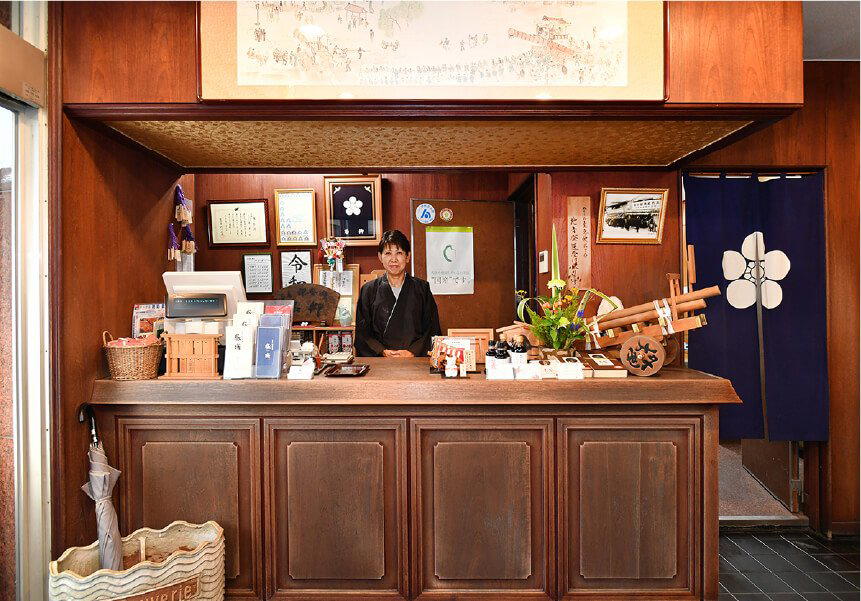
Details
- Rustic
- Cozy
- Classic
- Special Occasion
- Family
- Standalone
- Sake Program
- Local Sourcing
- A La Carte
- Small Plates
Current opening hours
- Monday
- 11 AM–2 PM, 5–9 PM
- Tuesday
- 11 AM–2 PM, 5–9 PM
- Wednesday
- Closed
- Thursday
- 11 AM–2 PM, 5–9 PM
- Friday
- 11 AM–2 PM, 5–9 PM
- Saturday
- 11 AM–2 PM, 5–9 PM
- Sunday
- 11 AM–2 PM, 5–9 PM
Hours can change for holidays and private events. Last verified .
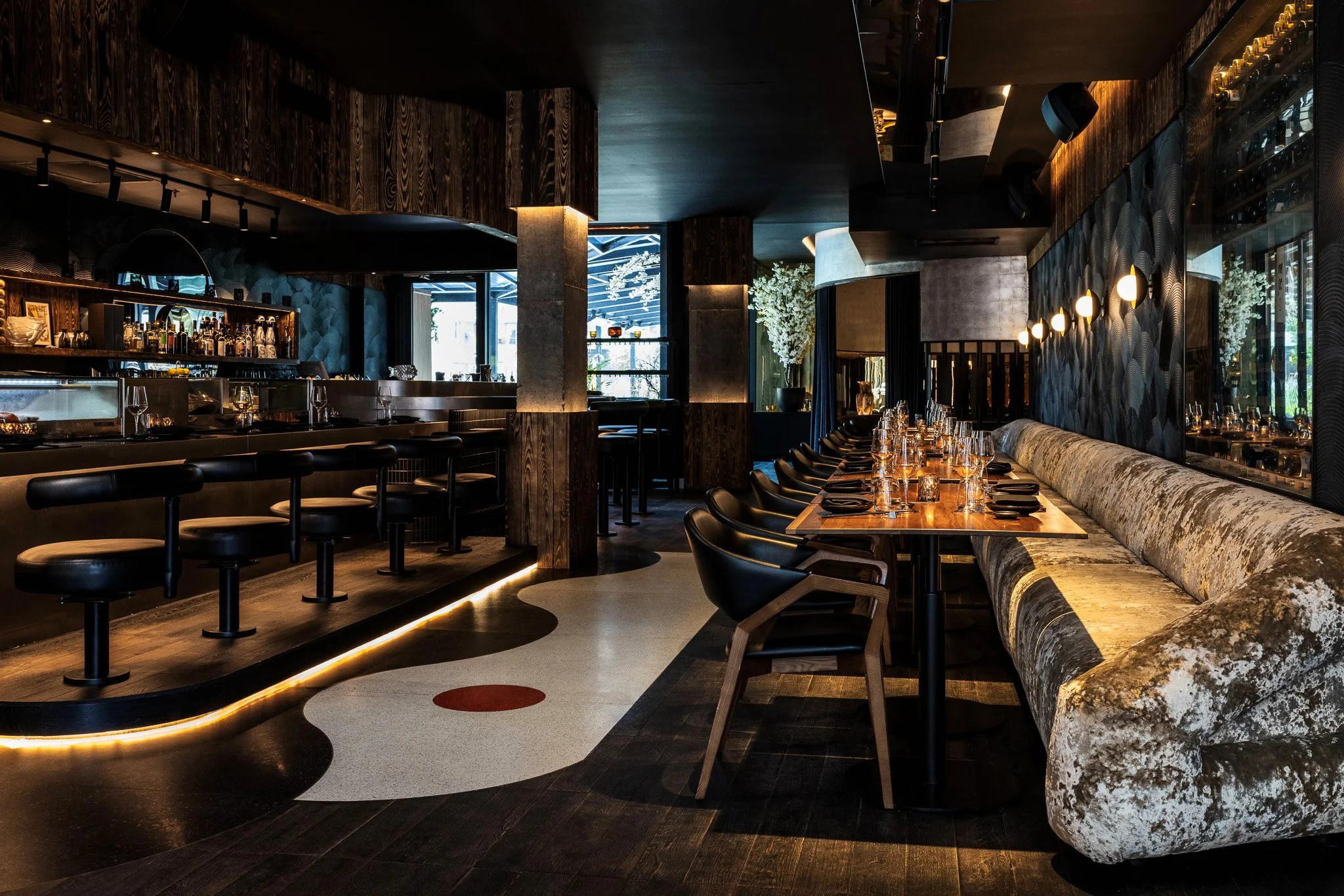
Unpretentious izakaya-style setting with focus on fresh seafood dishes rather than fancy decor.