Our verdict
Kamimura operates in Yokaichibacho, a district of Ise city that sits within striking distance of the Ise Grand Shrine complex — one of Japan's most visited sacred sites. The restaurant draws on the culinary traditions of Mie Prefecture, where the convergence of pilgrimage culture and coastal abundance has shaped a distinct local food identity across centuries. For visitors tracing serious dining across the Tokai and Kinki regions, Kamimura is a logical stop on a circuit that includes Komada and Yamatoan kuroishi.

Pearl is the En Primeur Club membership app — saves, bookings, and concierge access live there. Same editors, same standards.
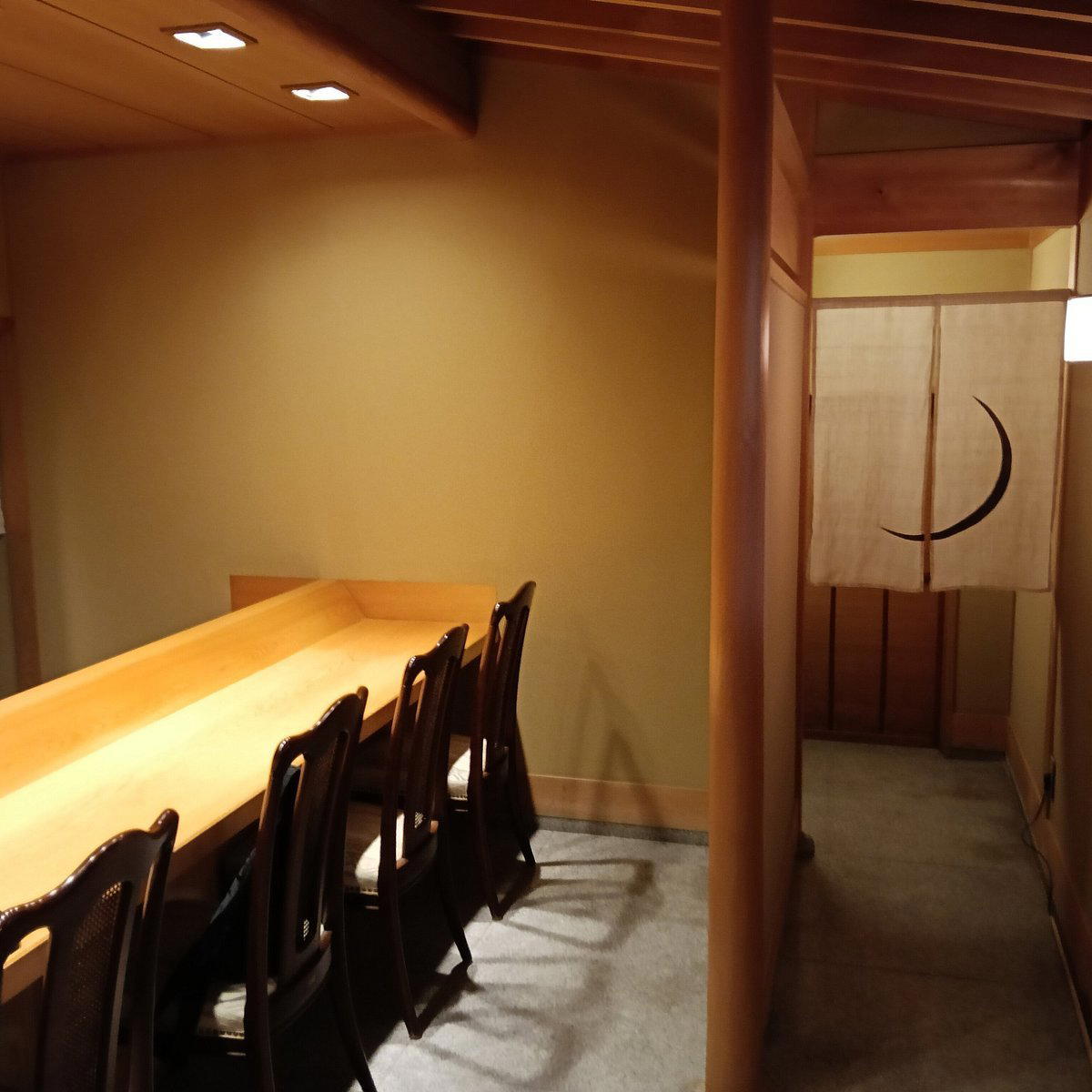
Dining in Ise: Pilgrimage City, Provincial Kitchen
Ise is not a city that operates on restaurant logic the way Tokyo or Osaka does. Its food culture grew out of something older and more specific: the need to feed millions of pilgrims arriving at the Ise Grand Shrine, a site that has drawn visitors from across Japan for over a thousand years. That history produced a local kitchen defined by restraint, reverence for ingredients, and a refusal to compete on spectacle. The cuisine that emerged here — rooted in Mie Prefecture's exceptional seafood, particularly its spiny lobster, abalone, and oysters from Ago Bay — is not trying to impress in the way a Ginza counter or a Nishiki Market restaurant might. It is trying to be appropriate. That distinction matters when you are trying to understand what a restaurant like Kamimura, located at 7-514-1 Yokaichibacho in the heart of the city, actually represents within its setting.
What Mie Prefecture Brings to the Table
The prefecture's culinary identity is built on geography. Mie faces the Kumano Sea and Ise Bay, giving it direct access to some of Japan's most prized marine harvests. Ise-ebi, the spiny lobster, carries protected status in the regional identity and is a fixture of formal dining here. Pearls and diving culture, the ama divers who work the waters of Shima Peninsula without oxygen equipment, are part of the same continuum: a relationship with the sea that is physical, direct, and ancient. That tradition influences how high-end restaurants in the region source and present their ingredients. Unlike the import-heavy cosmopolitan menus found at comparably positioned restaurants in Nagoya or Kyoto, the leading Ise-area kitchens are grounded in what the prefecture itself produces. For serious diners arriving from Osaka, where HAJIME represents an avant-garde counterpoint, or from Kyoto, where Gion Sasaki anchors the kaiseki tradition, Ise offers a different register entirely: quieter, more localized, less performative.
Where Kamimura Sits in the Ise Dining Scene
Ise's formal dining options are more limited than you would find in a prefectural capital of comparable cultural weight, which is part of what makes each address count. The city has a handful of serious restaurants spread across its neighborhoods, including Komada, Yamatoan kuroishi, 伏見 三翠, and ボン ヴィヴァン, representing a range of styles from traditional Japanese formats to Western-influenced approaches. Kamimura occupies the Yokaichibacho district, which sits within Ise's broader urban grid rather than in the immediate vicinity of the shrine precincts. That address places it within the everyday city rather than the tourist corridor, a positioning that tends to signal a local-facing operation, the kind of restaurant that earns its reputation through repeat custom rather than pilgrim foot traffic.
Compared to peers operating in more legible dining cities, the competitive set here is small. For context on how other regionally rooted Japanese restaurants outside the major metros have built their identities, it is useful to look at places like 三本松 石川割烹 in Nanao, 湖辺庵 in Takashima, and 鷹羽屋 in Nishikawa Machi, all operating in smaller cities where the absence of a dense competitive market puts more pressure on individual excellence. The same dynamic applies in Ise. With fewer alternatives at the formal end of the market, every serious restaurant carries more weight per booking.
The Cultural Logic of Eating Well Near a Sacred Site
Japan's pilgrimage towns have historically produced a specific culinary culture: shojin ryori near Buddhist temples, regional kaiseki near Shinto sites, and, in Ise's case, a cooking tradition shaped by the concept of okage-mairi, the mass pilgrimage movement that brought ordinary people from across the country to the shrine. Feeding those travellers created a hospitality economy that persists today. The emphasis on clean, honest cooking, on presentation that respects the ingredient rather than transforming it, tracks directly to this history. Restaurants that operate in this environment tend to reflect its ethos whether they intend to or not. The pilgrimage culture sets a baseline for what serious eating in Ise means: nothing superfluous, nothing that distracts from the substance of the meal. It is a framework that quietly governs even contemporary restaurants working in formats far removed from traditional kaiseki. For visitors who have already experienced the formal rigour of Harutaka in Tokyo or the structural ambition of Atomix in New York City, that restraint reads clearly as a cultural rather than a commercial choice.
Planning a Visit: What to Know Before You Go
Ise is accessible from Nagoya by limited express train in under two hours, and from Osaka in approximately two and a half hours via the Kintetsu line. Most visitors combine the restaurant with the shrine complex, which means timing matters: the approach roads and nearby streets are significantly busier in the morning and early afternoon, particularly on weekends and national holidays. The Yokaichibacho address puts Kamimura within the broader city grid, reachable on foot or by local transport from the main Ise-shi station. Given the small scale of Ise's serious dining scene, reservations at any formal restaurant here carry more urgency than they would in a city with greater supply. Visitors making a dedicated trip, rather than passing through, should confirm availability well in advance, particularly around Golden Week (late April to early May) and the autumn festival season, when the city operates at its highest visitor density. For a fuller picture of where Kamimura sits among the city's dining addresses, the EP Club Ise restaurants guide covers the current scene in detail. Those building a wider Kansai and Tokai dining circuit might also consider Goh in Fukuoka, akordu in Nara, 古代山乃 in Sapporo, Birdland in Sakai, Bistro Ange in Toyohashi, and Le Bernardin in New York City for reference points in seafood-driven formal dining at the international level.
Frequently asked questions
Would Kamimura be comfortable with kids?
Kamimura is located at 7-514-1 Yokaichibacho in Ise and operates within a formal dining context aligned with the city's pilgrimage-oriented restaurant culture. That setting generally suits older children and teenagers who are comfortable with a measured pace and quiet atmosphere. Younger children may find the format a challenge. Contacting the restaurant directly before visiting is advisable to confirm suitability.
What is the atmosphere like at Kamimura?
Kamimura sits in Ise, a city whose dining culture is shaped more by sacred geography than by urban restaurant trends — which gives formal venues here a quieter, more considered register than you would find in Nagoya or Osaka. Expect a composed, unhurried environment rather than anything theatrical or convivial. The address in Yokaichibacho places it within the city's established commercial district, away from the shrine precincts themselves.
Is Kamimura a good dining option for visitors making a day trip to Ise Jingu from Nagoya or Osaka?
Ise is reachable from Nagoya in under two hours by limited express and from Osaka in roughly two and a half hours via the Kintetsu line, making a day trip feasible. Kamimura, based in Yokaichibacho, Ise, offers one of the city's more formal dining experiences — a meaningful counterpart to the Jingu visit rather than an afterthought. Given the journey involved and the formal nature of the restaurant, booking ahead and confirming lunch service availability with the venue directly is strongly recommended.
What's the best thing to order at Kamimura?
Mie Prefecture's strongest culinary credentials come from the sea: Ise Bay produces lobster (ise-ebi) and abalone that appear across the prefecture's formal menus, and the Kumano coast adds further shellfish and wild-caught fish to the regional repertoire. Confirm current offerings with the venue before visiting.
How do I find Kamimura?
Kamimura is located at 7-514-1 Yokaichibacho, Ise, Mie 516-0076, Japan, Ise.
What's the best way to book Kamimura?
For formal restaurants in Ise operating at this level, reservations are standard practice and often required. Your hotel concierge in Ise or a Japan-based reservation service is the most reliable route if direct contact details are not yet available.
What's Kamimura best at?
Kamimura occupies a position in Ise's limited formal dining scene that draws on one of Japan's most distinctive regional larders — Ise Bay seafood, Mie-raised Matsusaka beef, and the kind of ingredient access that comes from a prefecture facing both open ocean and protected bay waters. In a city where high-end restaurant options are fewer than the cultural prestige of the location would suggest, a venue operating at this tier carries particular weight for visitors combining the Ise Jingu pilgrimage with serious eating.
Cost Snapshot
Comparable venues nearby, for context on price, style, and recognition.
| Venue | Cuisine | Price | Awards | Notes |
|---|---|---|---|---|
| KamimuraThis venue (the venue you are viewing) | Kaiseki | $100–150 | Not listed | Not listed |
| Komada | Edo-style Omakase Sushi | $300–500 | Tabelog Gold #14 | Kawasaki, Edo-style Omakase Sushi |
| Ichigetsu Ya | Traditional Japanese Izakaya & Seafood | $20–30 | Tabelog 100 #11 | Miyamachi, Traditional Japanese Izakaya & Seafood |
| butasute Wakayanagi | Traditional Ise beef sukiyaki & yakiniku | $100–150 | Tabelog 100 #93 | Miyamachi, Traditional Ise beef sukiyaki & yakiniku |
| Sazanami Ise ten | Japanese fried shrimp & seafood | $20–30 | Tabelog 100 #86 | Jinkyu, Japanese fried shrimp & seafood |
| 伊勢 三玄 | Traditional Japanese Kaiseki | $50–100 | Not listed | Ise, Traditional Japanese Kaiseki |
Continue exploring
More in Ise
Restaurants in Ise
All restaurants in Ise →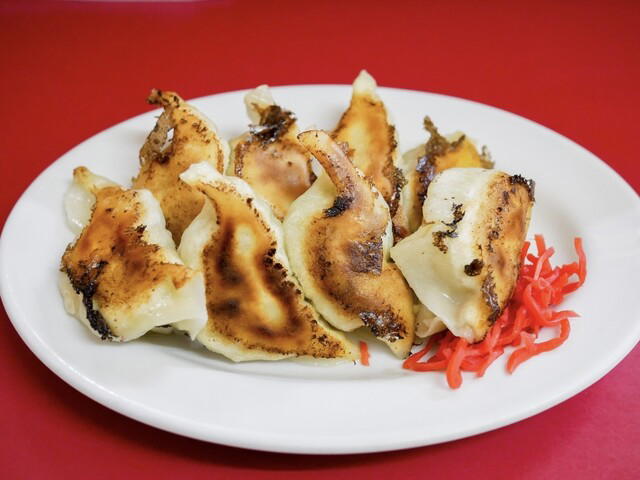
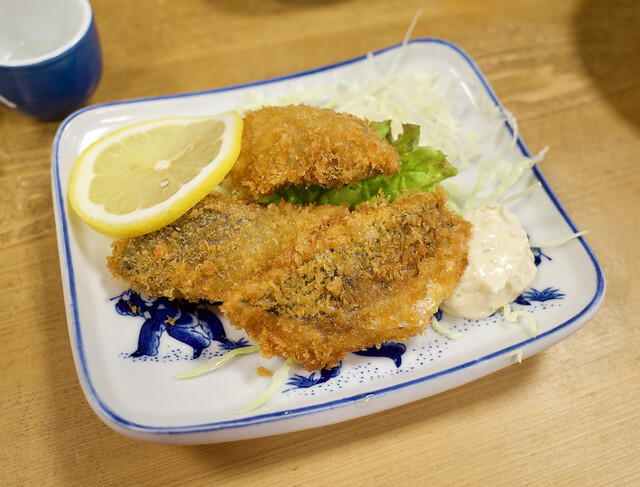
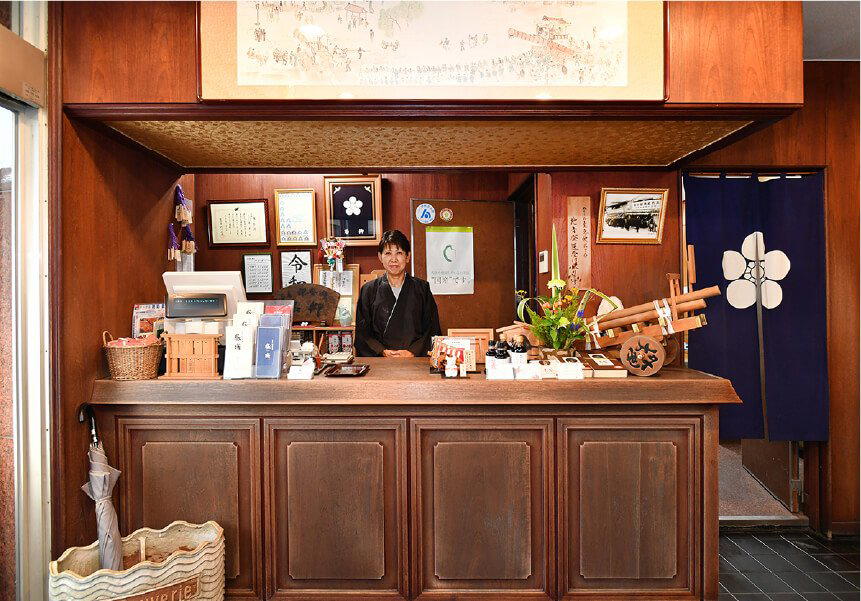
Details
- Elegant
- Intimate
- Sophisticated
- Special Occasion
- Private Dining
- Sake Program
- Local Sourcing
- Tasting Menu
- Sake
Current opening hours
- Monday
- 11:30 AM–1:30 PM, 5:30–7:30 PM
- Tuesday
- 11:30 AM–1:30 PM, 5:30–7:30 PM
- Wednesday
- Closed
- Thursday
- 11:30 AM–1:30 PM, 5:30–7:30 PM
- Friday
- 11:30 AM–1:30 PM, 5:30–7:30 PM
- Saturday
- 11:30 AM–1:30 PM, 5:30–7:30 PM
- Sunday
- 11:30 AM–1:30 PM, 5:30–7:30 PM
Hours can change for holidays and private events. Last verified .
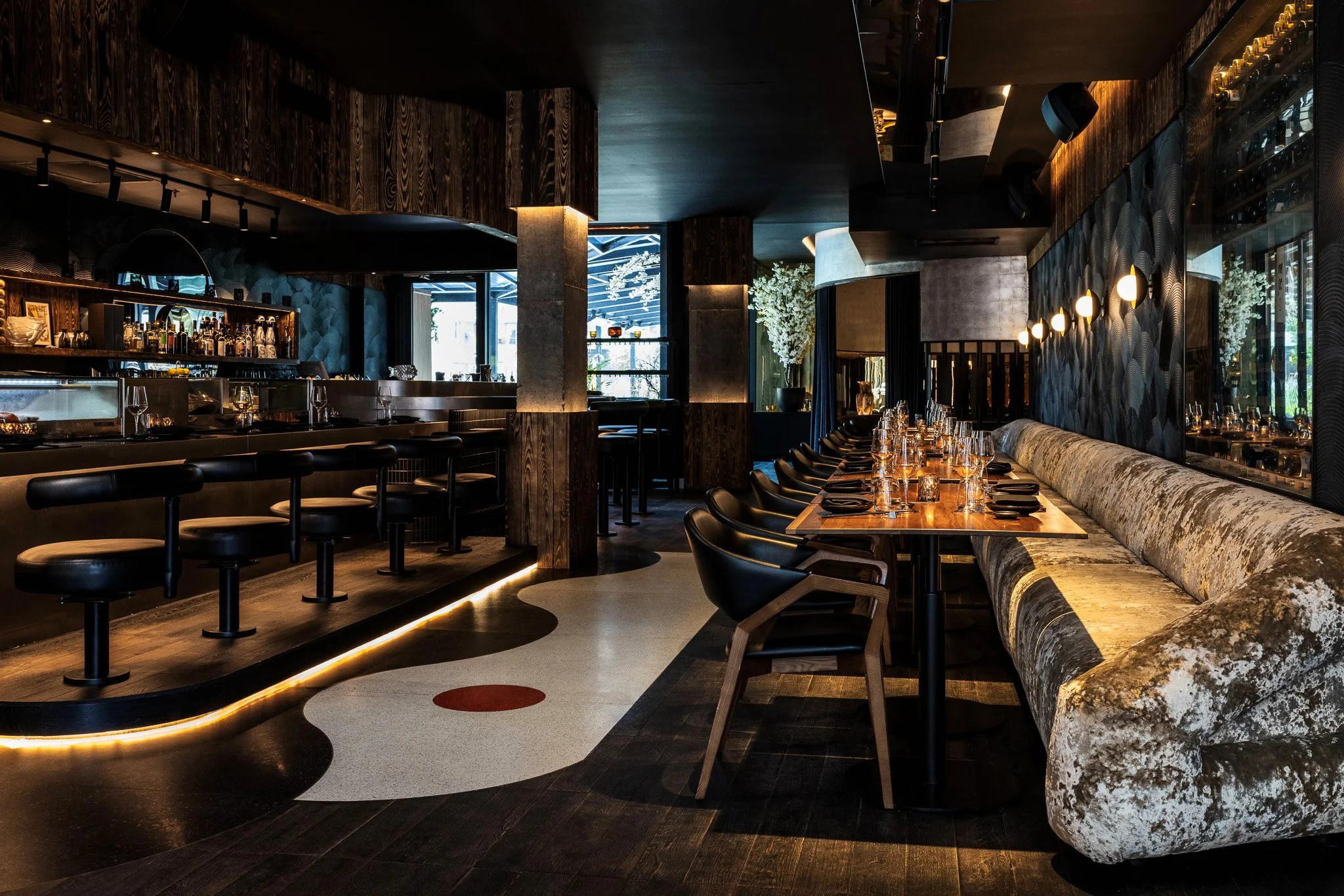
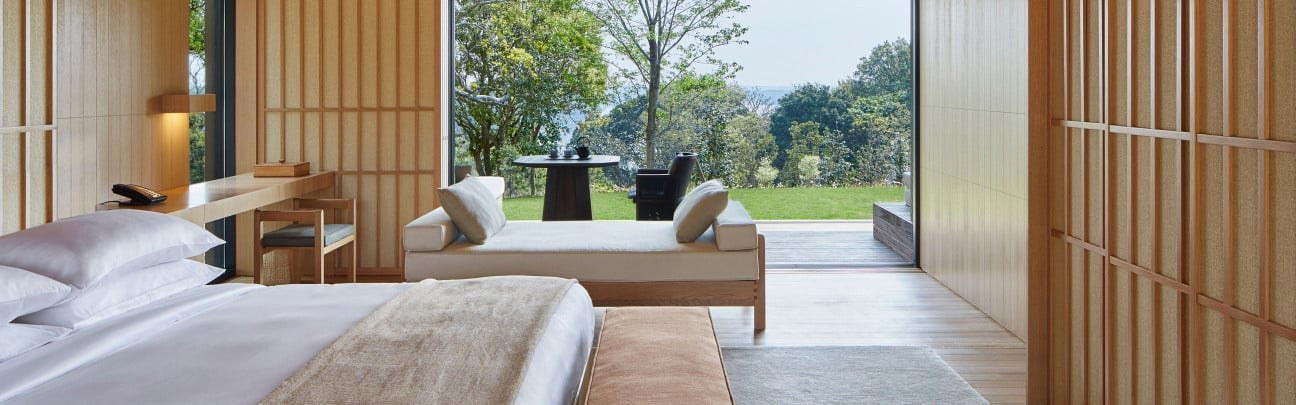
Relaxing atmosphere with tatami rooms, counter seating, and a comfortable, refined dining space.