Our verdict
Located in Misonocho, a short distance from the sacred grounds of Ise Jingu, 伊勢 三宮 occupies the quieter register of dining in a city defined by pilgrimage and ritual. The address alone signals intent: this is a restaurant for those who treat the meal itself as an extension of the reverent pace that defines Ise. Details on cuisine format and chef remain deliberately understated in public record.

Pearl is the En Primeur Club membership app — saves, bookings, and concierge access live there. Same editors, same standards.
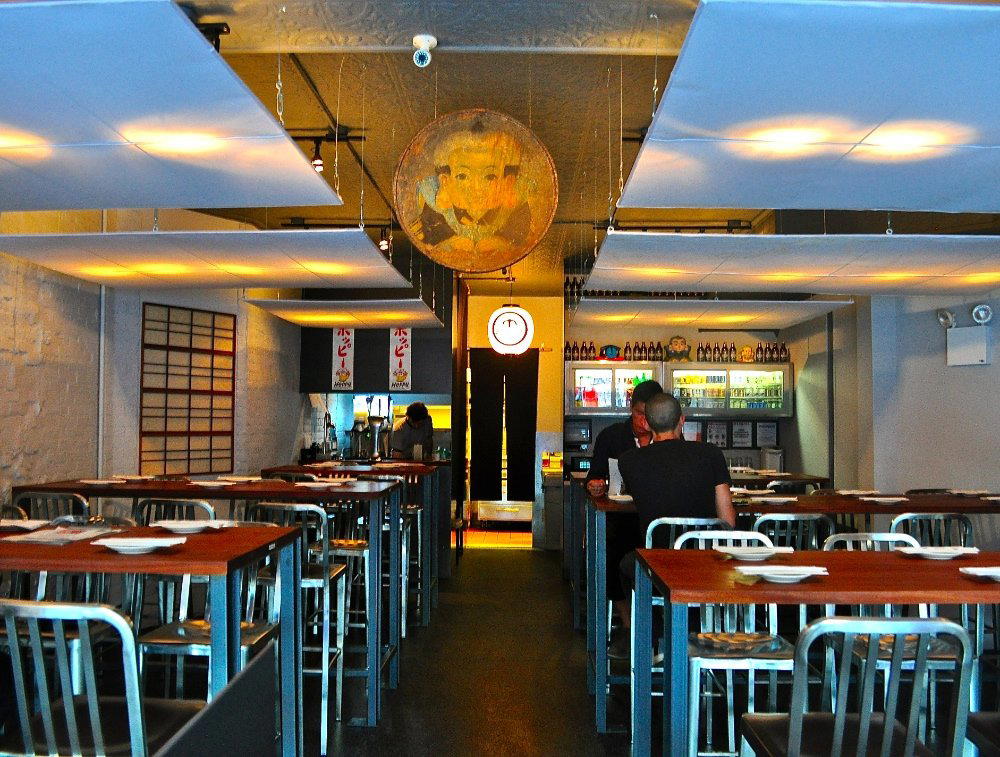
Eating Near the Shrine: How Ise Shapes Its Dining Tempo
Cities built around sacred sites tend to produce a particular kind of restaurant culture, one where the rhythm of the meal mirrors the rhythm of the place. Ise is that city in concentrated form. The approach roads to Ise Jingu, the most visited Shinto shrine complex in Japan, set a deliberate pace long before you reach any table. That pace, unhurried and attentive to sequence, carries into the dining rooms that have grown up around the pilgrimage route over generations. 伊勢 三宮, at 1362 Misonocho Nagaya, sits within this tradition rather than outside it. The address places it in Misonocho, a district close enough to the shrine precincts that the frame of reference for any meal here is inescapably devotional.
Understanding what that means in practice requires understanding how dining ritual functions in shrine-town Japan more broadly. The kaiseki progression that defines formal Japanese dining did not emerge from urban restaurant competition alone; it developed partly in proximity to temples and shrines, where the sequencing of food became a form of respect for both ingredient and guest. That ethos persists most legibly in cities like Ise, Kyoto, and Nara, where the built environment still carries the weight of centuries of religious practice. Restaurants here are less likely to announce themselves loudly and more likely to let the setting do the contextual work.
The Ritual Structure of the Meal in Shrine-Town Dining
In Ise specifically, the dining ritual is shaped by two intersecting forces: the Mie Prefecture ingredient tradition and the expectations of visitors who have already spent part of their day in a state of some ceremony. Ise-ebi, the spiny lobster native to these waters, and Matsusaka beef, sourced from cattle raised in the surrounding Mie hinterland, represent the two poles of the local larder: coastal and mountain, delicate and substantial. A meal that draws from both is operating within the logic of the region rather than imposing an external framework on it.
The pacing expected in this context is slower than urban dining in Tokyo or Osaka. Courses arrive with space between them. The kitchen is not performing speed or theatrics; it is demonstrating attentiveness. This structural patience is what separates shrine-town dining from the more competitive omakase market in major cities, where counter dynamics and turnover pressures shape the experience differently. Venues in Ise that hold to this slower model occupy a niche that peers in larger cities have largely moved away from. Komada and Kamimura represent two other expressions of considered Ise dining, each positioned within the same broad tradition of measured, ingredient-led meals.
Where 伊勢 三宮 Sits in the Local Scene
Ise's dining scene is small by the standards of Japan's major cities, but it is not shallow. The concentration of serious restaurants relative to population is notable, driven by the steady flow of visitors to Ise Jingu and the premium that pilgrimage tourism historically placed on quality hospitality. That visitor economy has supported a tier of restaurants that might otherwise not be viable in a city of this size.
Within this context, 伊勢 三宮 occupies its Misonocho address as a quiet participant in a scene that rewards those willing to look beyond the immediate commercial strip near the Oharai-machi tourist corridor. Misonocho is residential in character, which tends to signal a restaurant that relies on return visits and word-of-mouth rather than foot traffic conversion. In Japan, that geography is often a trust signal in itself: venues that survive without walk-in volume are generally doing something right at the level of the meal.
For visitors calibrating an Ise itinerary against other high-context Japanese dining destinations, the comparisons that matter most are regional rather than national. HAJIME in Osaka and Gion Sasaki in Kyoto represent the upper tier of Kansai region dining, where Michelin recognition has set clear competitive reference points. akordu in Nara offers an instructive parallel as a European-inflected restaurant operating within a similarly shrine-adjacent city context. Ise dining, including 伊勢 三宮, occupies a different register: less internationalised, more grounded in the specific logic of its prefecture.
Planning a Meal: What the Address Tells You
Arriving at a restaurant in Misonocho requires intention. This is not a district you pass through; you go there specifically. That navigational commitment is itself part of the contract with this kind of venue. Ise city is accessible by the Kintetsu Yamada Line from Nagoya, with journey times around 90 minutes on limited express services, or from Kyoto and Osaka with a transfer. The Iseshi station is the main rail hub, and the Misonocho address is a short taxi or bicycle ride from the central station area.
This is consistent with how many restaurants in this tier across provincial Japan operate: they maintain a deliberately low digital profile, with availability managed through local networks rather than online platforms. Harutaka in Tokyo and Goh in Fukuoka follow similar booking conventions at their respective levels, where the absence of a public reservation page is part of the format rather than an oversight.
For broader context on what Ise offers across dining formats and price points, the Our full Ise restaurants guide maps the scene more completely. Comparable regional dining in other parts of Japan with similarly understated formats includes 一本杉 川島亭 in Nanao, 古仁屋山乃 in Sapporo, and 湖響荘庵 in Takashima, all of which operate in the space between national recognition and deep local rootedness. Further afield, 庭羽屋 in Nishikawa Machi, Birdland in Sakai, and Bistro Ange in Toyohashi illustrate how provincial Japanese dining sustains serious kitchens outside the major city spotlight. For those cross-referencing against international reference points, Le Bernardin in New York City and Atomix in New York City represent the Western end of the same premium dining conversation, where ritual pacing and deliberate sequencing are equally central to the proposition.
Frequently asked questions
Where exactly is ä¼å¢ ä¸ç?
ä¼å¢ ä¸ç is located at 1362 Misonocho Nagaya, Ise, Mie 516-0804, Japan, Ise.
What's the must-try dish at 伊勢 三宮?
Asking staff directly at time of visit or reservation is the most reliable way to understand the current focus of the kitchen.
What's the best way to book ä¼å¢ ä¸ç?
Reservations are recommended for ä¼å¢ ä¸ç in Ise. Confirm current policy via the venue's official channels.
What's the best way to book 伊勢 三宮?
Restaurants in Misonocho, Ise — a district you reach by deliberate intent rather than foot traffic — frequently operate through in-person enquiry or local concierge referral, particularly for visitors arriving around Ise Jingu pilgrimage periods. A Japanese-speaking contact or hotel concierge in the Mie region will be your most direct route to a confirmed seat.
Cuisine and Credentials
| Venue | Cuisine | Price | Awards |
|---|---|---|---|
| ä¼å¢ ä¸çThis venue (the venue you are viewing) | Traditional Japanese Kaiseki | $50–100 | Not listed |
| Komada | Edo-style Omakase Sushi | $300–500 | Tabelog Gold #14 |
| Kamimura | Kaiseki | $100–150 | Not listed |
| Yamatoan kuroishi | Seafood Izakaya with Fugu and Ise Lobster | $20–30 | Not listed |
| ボン ヴィヴァン | Classic French with Local Ise Ingredients | $50–100 | Tabelog 100 #86 |
Continue exploring
More in Ise
Restaurants in Ise
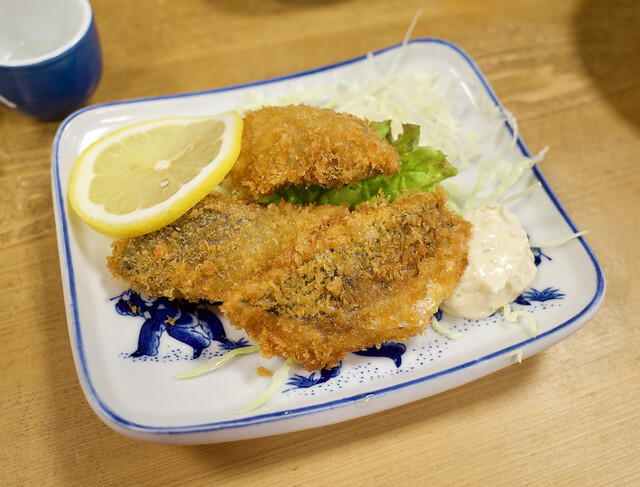
All restaurants in Ise →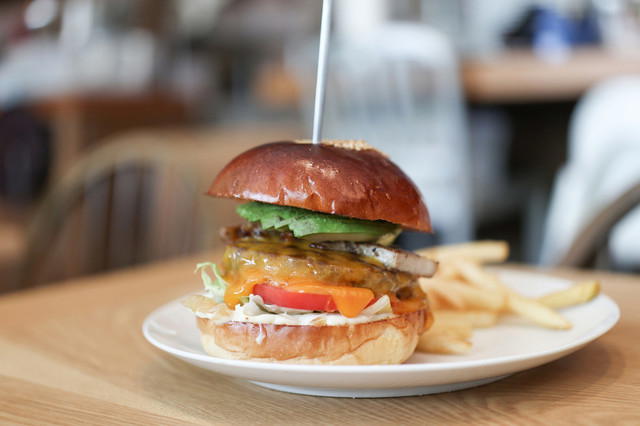
Details
- Classic
- Intimate
- Elegant
- Special Occasion
- Date Night
- Open Kitchen
- Local Sourcing
- Set Menu
- A La Carte
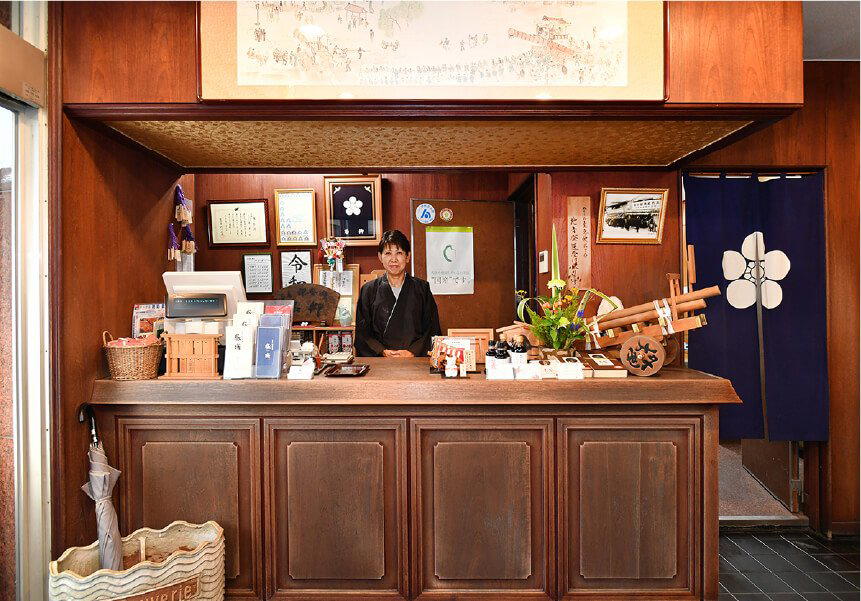
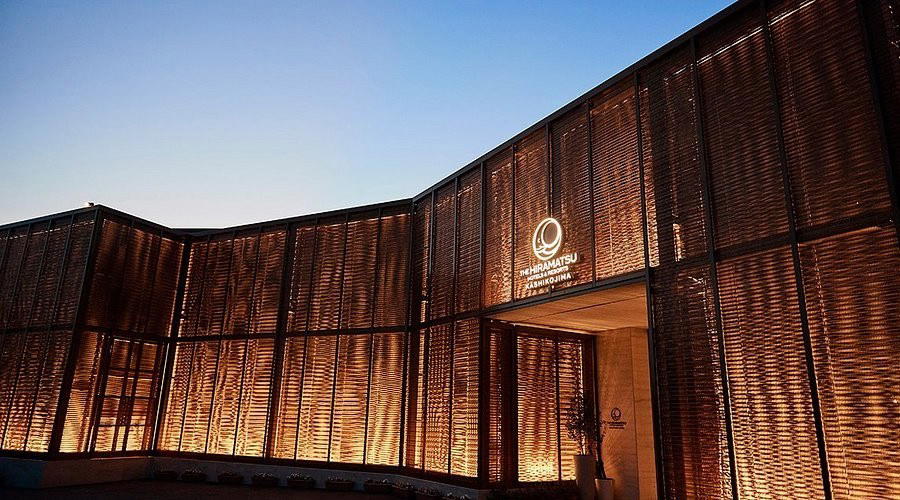
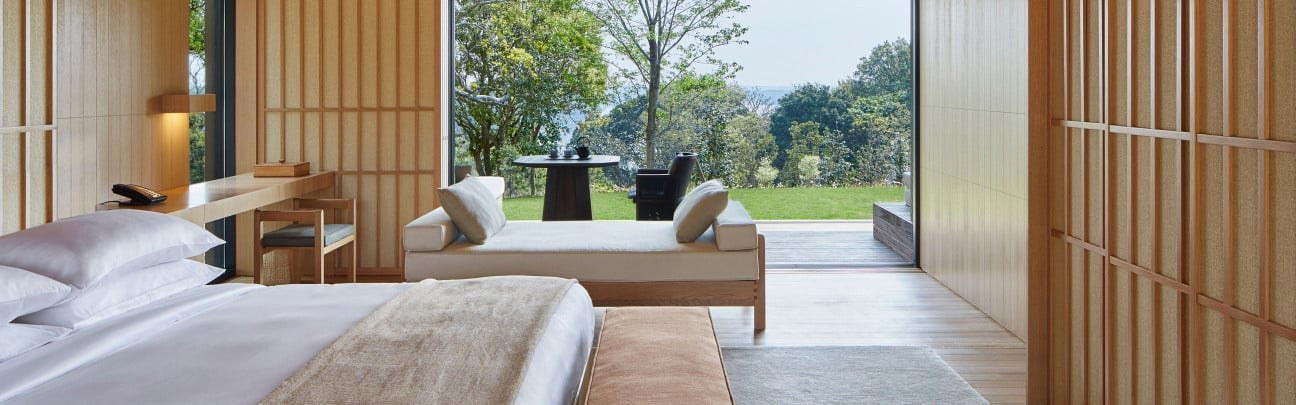
Warm, intimate setting with traditional Japanese aesthetic and soft lighting creating a refined dining experience.