
Roppongi’s sushi tier rewards coordination as much as knife work: counter pacing, sake service, and room control shape the meal. Sushi Sagawa belongs in that conversation through its Tabelog Sushi TOKYO 100 selection for 2025, a 22-seat format with counter seating and a private room, and a fish-led program in one of Tokyo’s more internationally legible dining districts.
Pearl is the En Primeur Club membership app — saves, bookings, and concierge access live there. Same editors, same standards.
- Address
- 東京都港区六本木4-2-35 Vort六本木 Dual'sビル B1F
- Phone
- +81364472525
- Website
- tabelog.com
 Saves & bookings on Pearl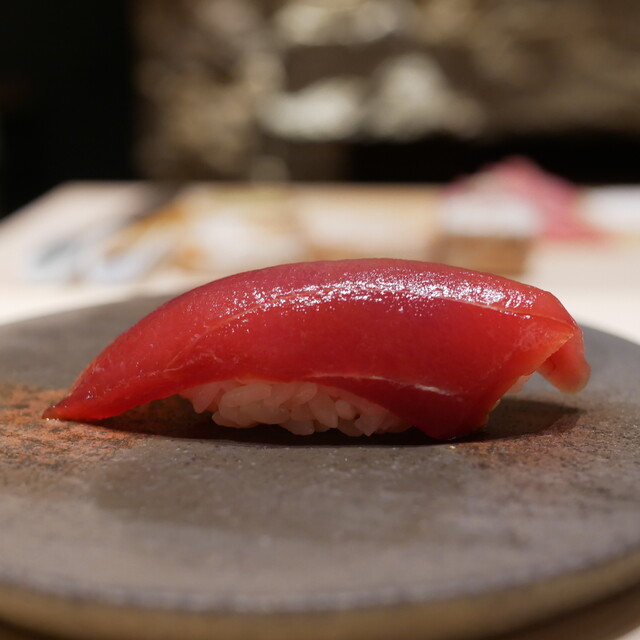
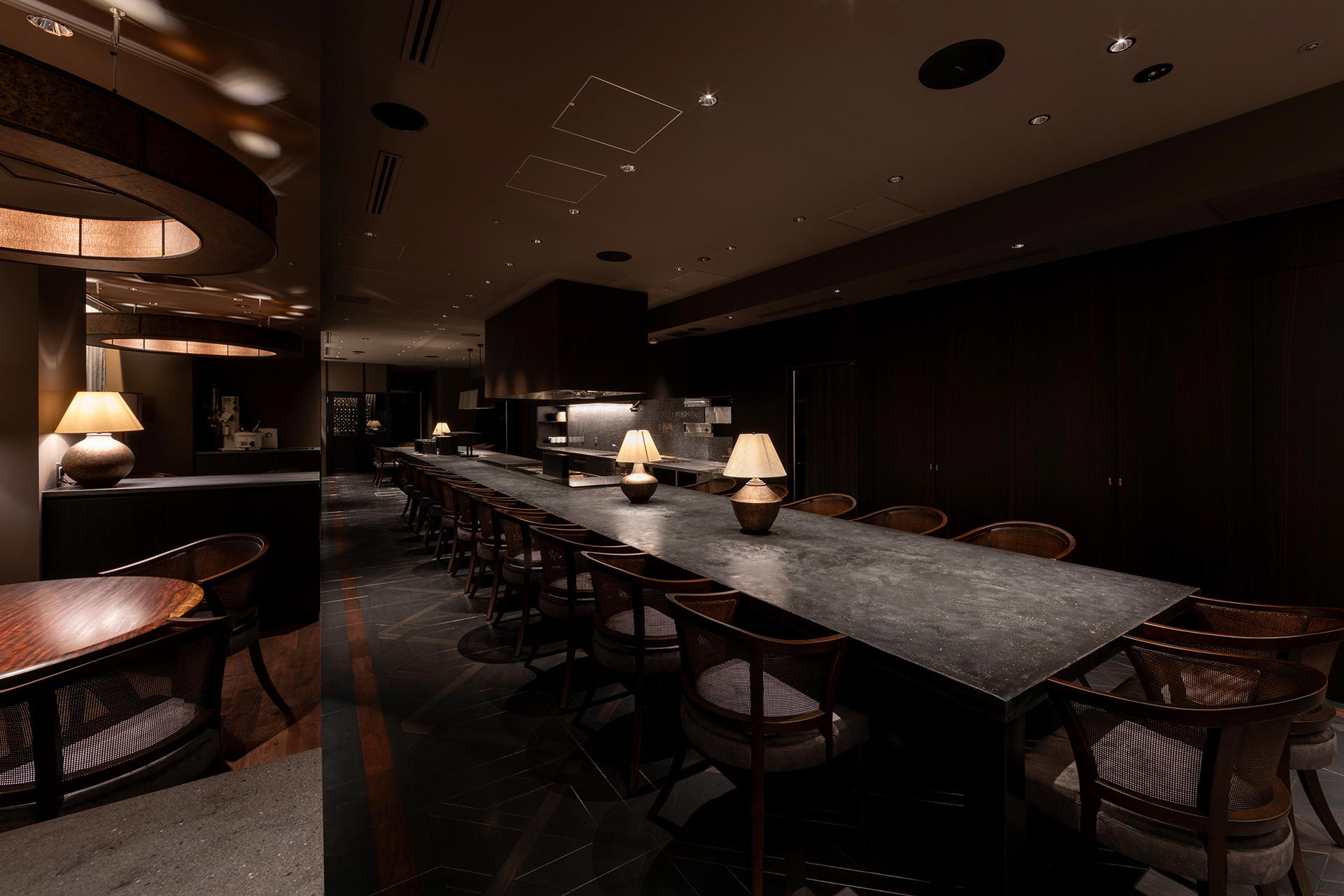
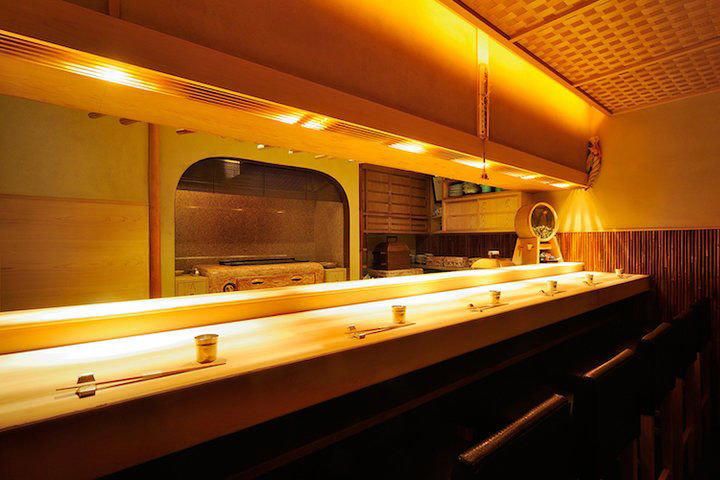
Roppongi’s basement dining rooms have a particular charge: street glare gives way to controlled quiet, and the counter becomes the room. Here, sushi is theatre run on timing: the chef’s hands, sightlines, pour, pace, and front-of-house read on when guests want explanation or silence. Sushi Sagawa sits below the surface in Vort Roppongi Dual’s, built around a counter-led sushi format rather than the wider sprawl of Tokyo dining.
Tokyo sushi at this level is a study in compression: fewer seats, higher spend, more rigid formats than many visitors expect, and a competitive set beyond Ginza. Roppongi adds pressure: international guests, late-evening dining culture, and a neighbourhood where French, Chinese, yakiniku, yakitori, and members-only formats compete for serious diners. A sushi room here must manage cadence, drinks, and discretion with the same discipline as rice.
Roppongi sushi depends on a room that can keep pace
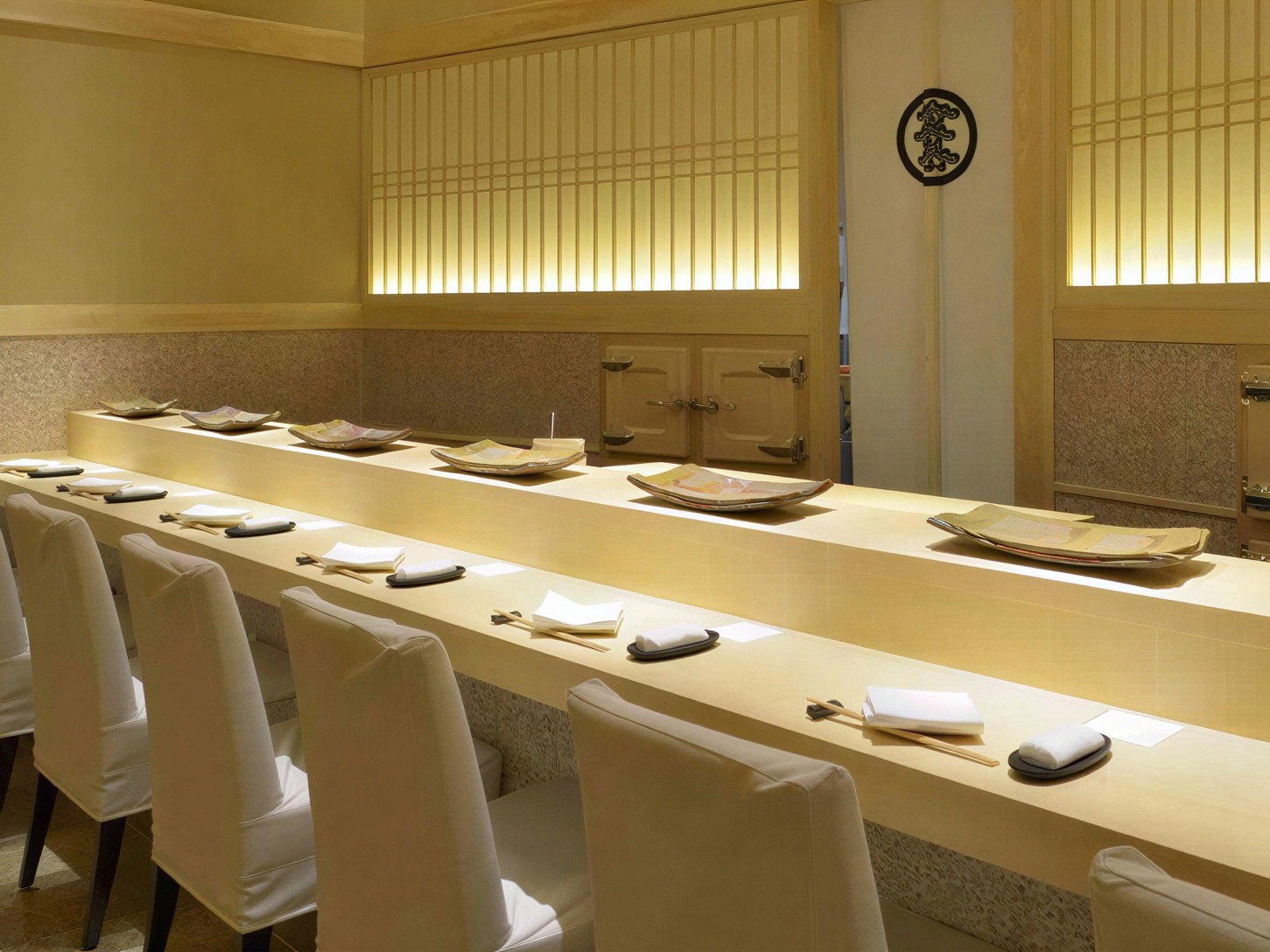
Sushi Sagawa is best read through teamwork. A 22-seat room with 14 counter seats and one private room creates two modes: the counter, where timing is exposed, and the enclosed table, where the meal needs a different rhythm. Counter guests see every handoff. Private-room guests rely on the room to preserve sequence without delay or over-management.
The drink program signals how this sushi house wants to be judged. Sake, shochu, and wine are offered, with particular attention to sake and wine. Modern Tokyo sushi is no longer judged only by the old tea-or-sake binary. Wine programs have become a quiet marker of ambition, especially where diners may arrive from French rooms such as Ryuzu or Chinese dining rooms such as Tousenkaku and expect pairing fluency across categories. Sushi Sagawa points to that shift: a sushi counter increasingly converses with Tokyo’s wider fine-dining vocabulary.
Tabelog selected the restaurant for its Sushi TOKYO 100 list in 2025, placing it in a crowded field where local credibility matters more than international trophy language. Tabelog’s sushi audience rewards consistency across details that are hard to disguise: rice temperature, fish handling, pacing, seat comfort, and service discipline. A 3.79 Tabelog score, in Tokyo terms, is not casual; in Japan’s rating culture, high-threes scores can signal serious local approval, especially in intensely competitive genres.
The fish-led counter as a Roppongi decision
The house’s stated emphasis on fish gives the meal its editorial identity, but the more interesting question is where that emphasis lands. Tokyo has sushi counters built on inherited lineage, luxury signalling, or neighbourhood regulars. Roppongi complicates the map: local and international, polished and late-running, business-heavy and residential at the edges. A sushi counter here must be legible both to guests who know the ritual and to those who know Tokyo dining through hotels, bars, and tasting-menu restaurants.
Comparison helps, not as ranking. Tori Sawa Roppongi sits nearby in a yakitori lane with a different spend profile and charcoal-driven grammar. Seryna speaks to Roppongi’s long appetite for beef and occasion dining. 虎峰 and Tousenkaku pull the district toward Chinese formats, while Ryuzu gives the French end of the neighbourhood a formal counterpoint. The restaurant’s role is narrower: a fish-centered sushi room where counter and drinks service carry the argument.
Chef biography is secondary here. Without a named chef profile, the room is assessed by operating signals: sushi category recognition, counter capacity, drinks range, no-smoking policy, private-room availability, and the ability to function in a neighbourhood with heavy dining competition. That is not a weakness. In Tokyo, serious meals are often defined less by public storytelling than repeatable service mechanics. The better question is whether the team can keep rice, fish, glassware, and room energy aligned across a full sitting.
How to place it in a Tokyo itinerary
The restaurant suits travellers who want Roppongi convenience without defaulting to hotel dining or a more theatrical international room. It also fits solo dining, a format many Tokyo sushi counters handle well because the counter supplies structure. For a private conversation, the six-person room changes the experience, though it shifts the meal away from the counter’s direct view of preparation.
The broader Tokyo plan should decide the booking’s value. If the trip is built around sushi, place this beside other serious counters rather than casual lunch sushi. If the itinerary needs contrast, pair the night with other Tokyo categories instead: yakitori at 124. KAGURAZAKA (Yakitori), izakaya-style cooking at . 鮪と炭火焼き うお炭 秋葉原店, curry at 3 Chome no Curry Ya San, or a lighter visual detour at 2D Cafe. For another Shinjuku entry, 12/10 Shinjuku ten sits in a different neighbourhood rhythm entirely.
For city planning, the wider EP Club Tokyo rails are more useful than treating one dinner as the whole trip: Our full Tokyo restaurants guide, Our full Tokyo hotels guide, Our full Tokyo bars guide, Our full Tokyo wineries guide, and Our full Tokyo experiences guide map the city by category rather than hype. Travellers extending beyond Tokyo can compare Japan’s dining range through -Grilled beef Sukiyaki- KAMAKURA TANUKIAN 鎌倉 たぬき庵 in Kamakura.cafe in Osaka.know in Kumamoto, (Shoku) Vietnam in Kawasaki, [Curry Senmon Ten] Maruyama Kyoju. in Sapporo, and [ki:] in Kyoto. For a transpacific sake frame, Jōdo Saké Bar in Los Angeles and Onigiri Time in Pasadena show how Japanese formats translate abroad.
The verdict is pragmatic: the restaurant is for diners who understand Tokyo sushi as a team sport. Fish may be the headline, but the meal’s success depends on counter pacing, drink judgment, and a room that can shift between solo diner, counter regular, and private group without losing control.
The Essentials
Comparable venues to anchor price and recognition.
| Venue | Cuisine | Price | Notes |
|---|---|---|---|
| Sushi SagawaThis venue — the venue you are viewing | Minato, Traditional Edomae Sushi | $$$ | Not listed |
| Iruka Tokyo Roppongi | Roppongi, Modern Ramen | $$$ | Not listed |
| Niku Gatou Roppongi hiruzu ten | Minato, Modern Wagyu Yakiniku | $$$ | Not listed |
| Kasumitei Matsubara | Minato, Kaiseki | $$$ | Not listed |
| Yama no Chaya | Not listed | $$$ | Chiyoda, Traditional Japanese Unagi Kaiseki |
| Yokoyama | Minato, Seasonal Japanese Kaiseki | $$$ | Not listed |
Recognition history
Dated appearances from independent guides and award organizations, with the underlying list record or original source where available.
Tabelog 100 #81 · No. 81
Tabelog · Tabelog 100 - Sushi - TOKYO - 2025









At a Glance
- Sophisticated
- Intimate
- Classic
- Solo
- Date Night
- Special Occasion
- Business Dinner
- Chefs Counter
- Standalone
- Sake Program
- Sommelier Led
- Byob
- Sustainable Seafood
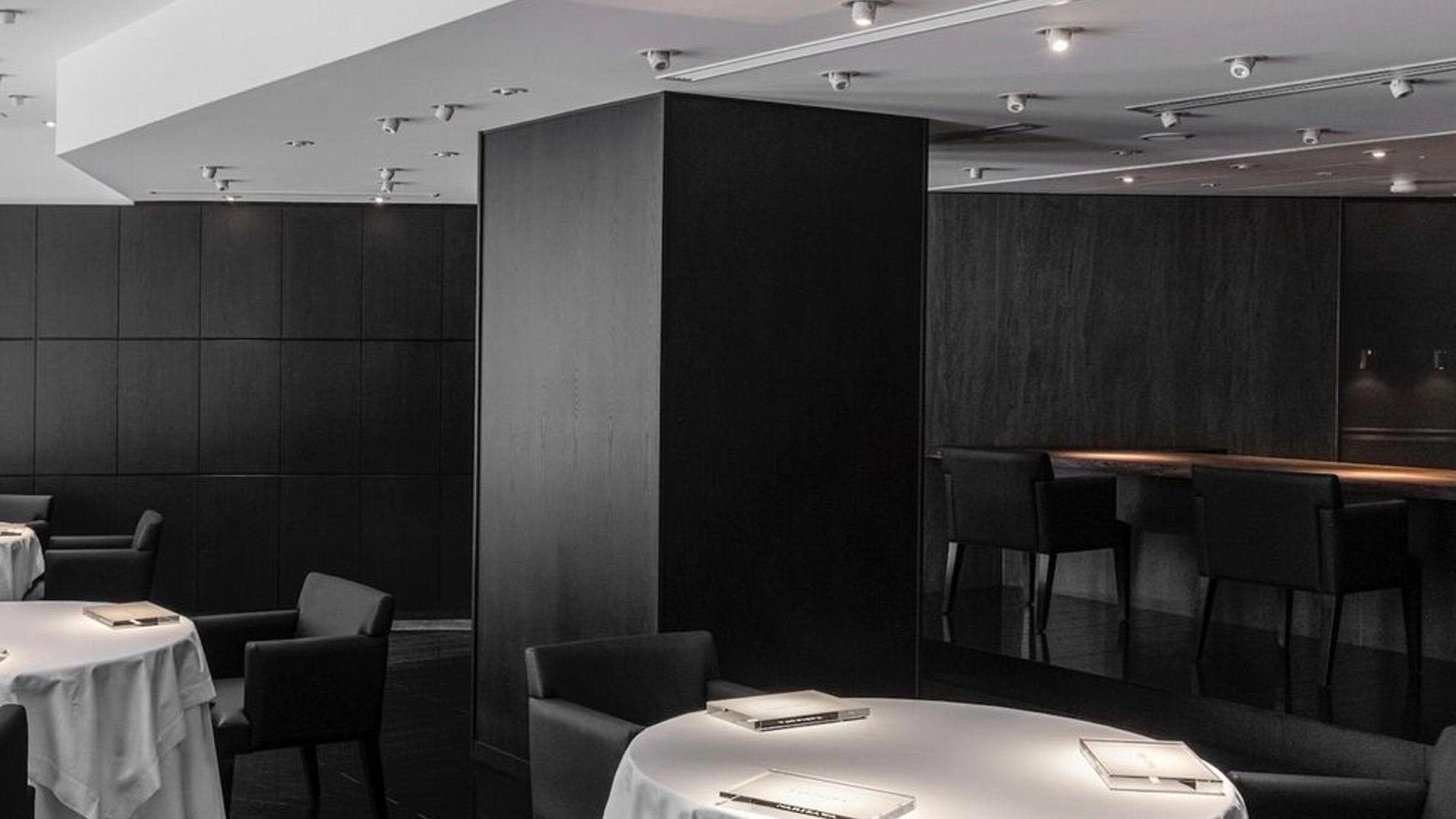
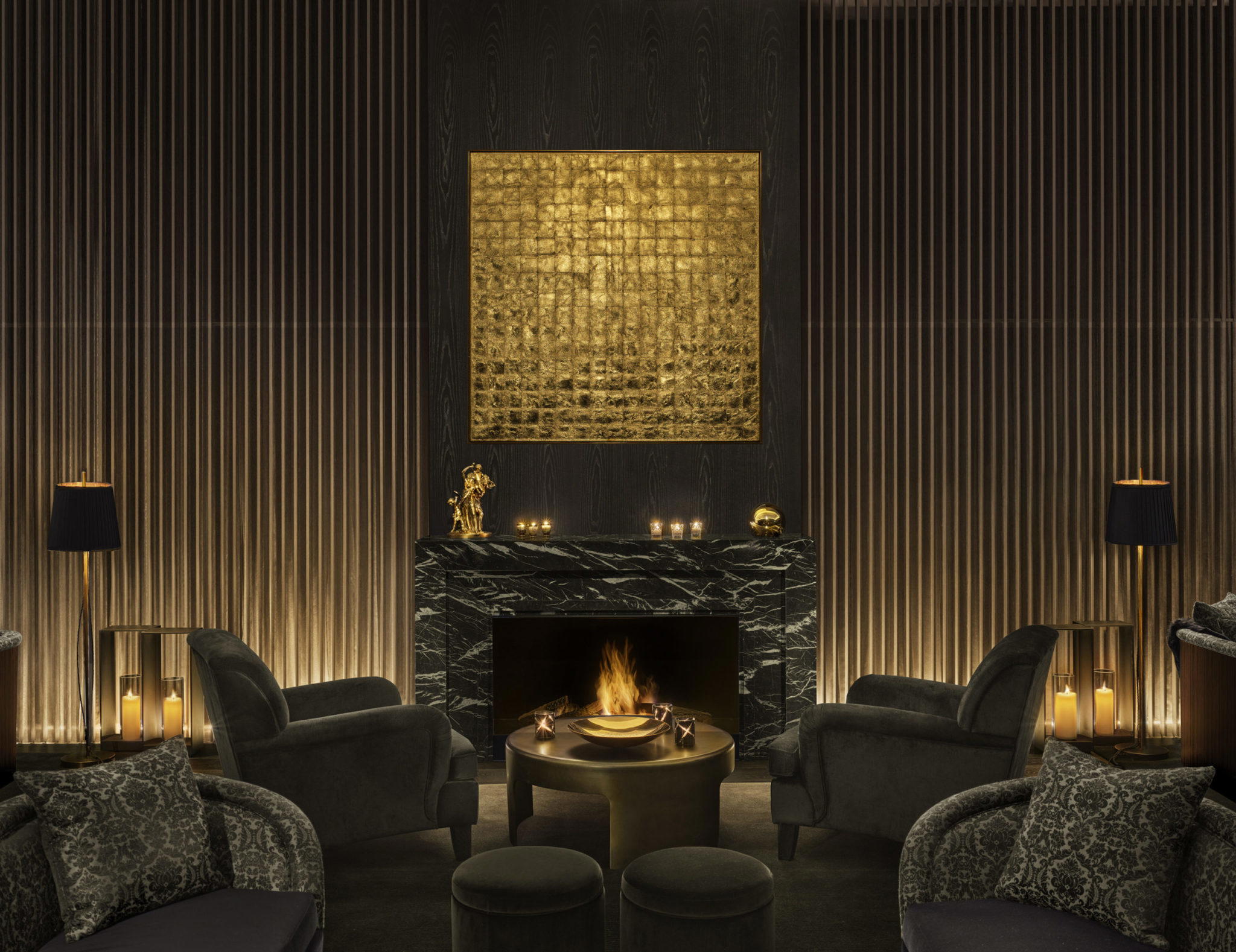
Stylish, relaxing, and spacious for its size, with a hidden-away feel in a basement location and a quiet, intimate dining atmosphere.