
Yakitate Pan Manhattan belongs to Kyoto’s quieter bread culture: small-format, everyday baking rather than temple-district spectacle. Its Tabelog Bread WEST 100 selections in 2020 and 2022 place it in a serious regional bakery conversation, with a take-out format that suits a city where strong food addresses often sit away from the main visitor routes.
Pearl is the En Primeur Club membership app — saves, bookings, and concierge access live there. Same editors, same standards.
- Address
- 京都府京都市中京区壬生辻町18
- Phone
- +81758014507
- Website
- tabelog.com
 Saves & bookings on Pearl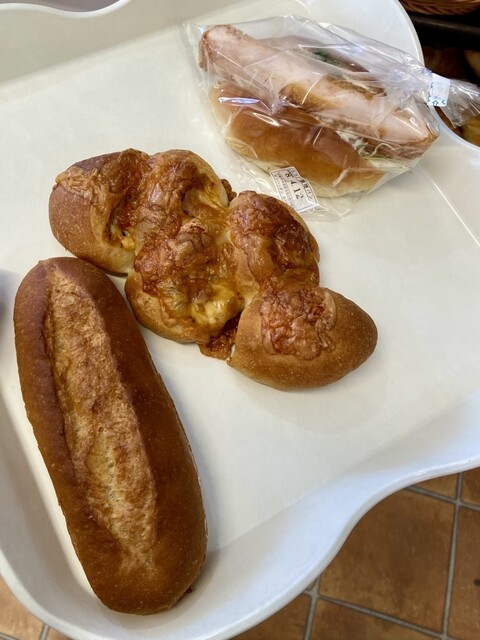
Approaching the Mibu side of Nakagyo, Kyoto feels less like a postcard than a working city: narrow streets, station foot traffic, apartment blocks, and food addresses locals fold into errands. That matters for bread. Kyoto’s bakery scene is not only grand pâtisserie counters or hotel breakfasts; it also runs on compact shops where decisions are quick, purchases portable, and consistency across ordinary mornings is the benchmark.
Yakitate Pan Manhattan sits in that everyday tier, with more than convenience. Selection for Tabelog Bread WEST 100 in 2020 and 2022 places it inside a regional bakery list where Kyoto faces serious competition from Osaka, Kobe, and the wider Kansai bread belt. An award alone does not make a bakery a destination, but this small take-out bread and sandwich shop in Mibutsujimachi has been judged against western Japan, not just nearby cafés.
Kyoto bread culture works through morning routines, not dining-room theatre
Kyoto’s food reputation is often filtered through kaiseki, wagashi, tea, and counter-dining reservations. Bread follows another rhythm: bought before a train, carried to a park bench, taken home for children, or fitted between temple visits and hotel check-ins. The city’s bakeries borrow from French, Japanese, and convenience-store habits without doctrine. A bread counter can be ambitious and still move at neighbourhood-errand speed.
That is how this address makes sense. The format is take-out; the categories are bread and sandwiches. It sits closer to daily provisioning than long-form dining. For travellers, it is not the slot for a slow lunch with a table, wine pairing, or multi-course progression. It is the stop that makes a Kyoto day less dependent on formal meal times, especially when restaurant openings and closures leave gaps between sightseeing and dinner.
The wine-list angle is contrast, not a literal feature. Kyoto has sake-led counters and French rooms with serious cellars where beverage curation defines the meal. This bakery runs on another curation: selection, turnover, portability, and price discipline. No dining-room beverage program clarifies the role. Bread is the object; the decision is timing and purpose, not pairing strategy.
For the city’s range, compare that function with the broader Kyoto restaurant field. 3TOKU6MI Shijo karasuma ten, 551蓬莱, [ki:], Abbesses, and Aburi Mochi Honke Nemoto Kazariya show different eating tempos: casual urban convenience, contemporary dining, French influence, and older Kyoto snack traditions. A Mibu bakery belongs to that map but answers a narrower question: where does bread fit when the day moves faster than a reservation?
The Mibu address favors practical eating over central-Kyoto performance
Nakagyo is often framed by shopping streets, downtown dining, and the Karasuma-Kawaramachi corridor. Mibu sits west of that visitor-heavy center, close enough for an itinerary but removed from choreographed tourism. That geography explains the appeal. Food businesses here need not perform Kyoto-ness for passersby; they survive on repeat use, station access, and pricing suited to ordinary consumption.
Nearby comparison points make the spread clear. Seabura no Kami Mibu honten and Mujara sit in a lower-to-mid casual bracket, while Tori Kago occupies a far higher dinner spend. Uozuya signals a more formal Japanese restaurant lane. A take-out bakery is not competing for the same occasion. It competes for interstitial moments: breakfast before transit, a light lunch, or food to carry onward when the day’s main booking is elsewhere.
That distinction helps premium travellers who over-program Kyoto. The city rewards restraint. Days built only around temples, taxis, and formal counters can feel stiff; a strong bakery stop breaks the sequence without becoming another scheduled event. Treat it as logistics, not anchor. Recognition gives enough confidence to justify the detour; the format keeps expectations grounded.
Kyoto’s planning ecosystem matters too. Cross-check restaurants through Our full Kyoto restaurants guide, and use Our full Kyoto hotels guide to judge whether a Mibu bakery stop fits your base. Drinking plans belong elsewhere, especially where small bars have limited seating, so use Our full Kyoto bars guide separately rather than expecting a bakery run to solve the evening. For regional context beyond restaurants, Our full Kyoto wineries guide and Our full Kyoto experiences guide help separate food errands from broader cultural scheduling.
How to read the award signal without overbuilding the stop
Tabelog’s Bread WEST 100 recognition is the strongest public trust signal here, and it should be read precisely. It places Yakitate Pan Manhattan among selected bread addresses in western Japan for the cited years; it does not turn a take-out shop into a tasting-menu event. Kyoto encourages category confusion: a traveller may see an award and expect ceremony. In bread, expect reliability, local demand, and focus.
Use the address when the day already points west of central Kyoto, or when portable food has value. It is less persuasive as a cross-city pilgrimage if the itinerary is tightly built around Higashiyama, Arashiyama, or a booked lunch. Kyoto has enough density that detours need a reason. Here, the reason is a low-friction bakery with regional recognition, not spectacle.
The same logic applies when comparing it with food stops outside Kyoto. A Japan itinerary may also weigh casual addresses such as -Grilled beef Sukiyaki- KAMAKURA TANUKIAN 鎌倉 たぬき庵 in Kamakura. 鮪と炭火焼き うお炭 秋葉原店 in Tokyo.cafe in Osaka.know in Kumamoto, (Shoku) Vietnam in Kawasaki, and [Curry Senmon Ten] Maruyama Kyoju. in Sapporo. Compare occasion to occasion, not cuisine to cuisine. Some stops carry a meal. Some solve a gap. Bread shops often do the latter better than heavier restaurant formats.
For North American readers, the parallel is not a grand bakery-café with hours of seating. It is the focused Japanese take-out logic that makes compact specialists abroad compelling, from Jōdo Saké Bar in Los Angeles in a beverage-led register to Onigiri Time in Pasadena in a portable-food register. The thread is disciplined scope: a small format can be serious without asking for a full evening.
Yakitate Pan Manhattan is strongest with that discipline. Put it in the morning or midday layer of a Kyoto plan, especially if Mibu, Tambaguchi, or the west side of Nakagyo already fits the route. Let dinner carry the ceremony. Let the bakery carry the day’s practical pleasure.
Category Peers
Comparable venues to anchor price and recognition.
| Venue | Cuisine | Price | Notes |
|---|---|---|---|
| Yakitate Pan ManhattanThis venue — the venue you are viewing | Japanese neighborhood bakery and sandwich shop | $ | Not listed |
| SUGITORA | Gelato & Parfait Cafe | $ | Nakagyō |
| BLUE FIR TREE | Cafe / Pancake | $ | Higashiyama |
| panscape Nijou ekimae ten | Whole-Wheat Bakery | $ | Nakagyō |
| Salon de the FRANCOIS | Historic Kyoto kissaten & classic café | $$ | Shimogyō |
| Radio Bagel | Bagel shop & sandwiches | $ | Kita |
Recognition history
Dated appearances from independent guides and award organizations, with the underlying list record or original source where available.
Tabelog 100 #94 · No. 94
Tabelog · Tabelog 100 - Bread - WEST - 2022
Continue exploring
More in Kyoto
Restaurants in Kyoto
Browse all →

Bars in Kyoto
Browse all →
Hotels in Kyoto
Browse all →
Wineries in Kyoto
Browse all →
At a Glance
- Classic
- Cozy
- Solo
- Family
- Casual Hangout
- Standalone
A simple, traditional takeaway bakery in Kyoto’s downtown area, with a cozy, no-frills atmosphere focused on grab-and-go bread rather than dine-in seating.