
Radio Bagel belongs to Kyoto’s quieter northern food circuit, where specialist bakeries and small cafés carry as much local weight as formal dining rooms. The draw is narrow by design: bagels, café service, take-out, three table seats, and repeated Tabelog Bread 100 recognition in the West region.
Pearl is the En Primeur Club membership app — saves, bookings, and concierge access live there. Same editors, same standards.
- Address
- 京都府京都市北区上賀茂池端町9 久世ハイツ 1F
- Phone
- +81757242274
- Website
- radiobagel.com
 Saves & bookings on Pearl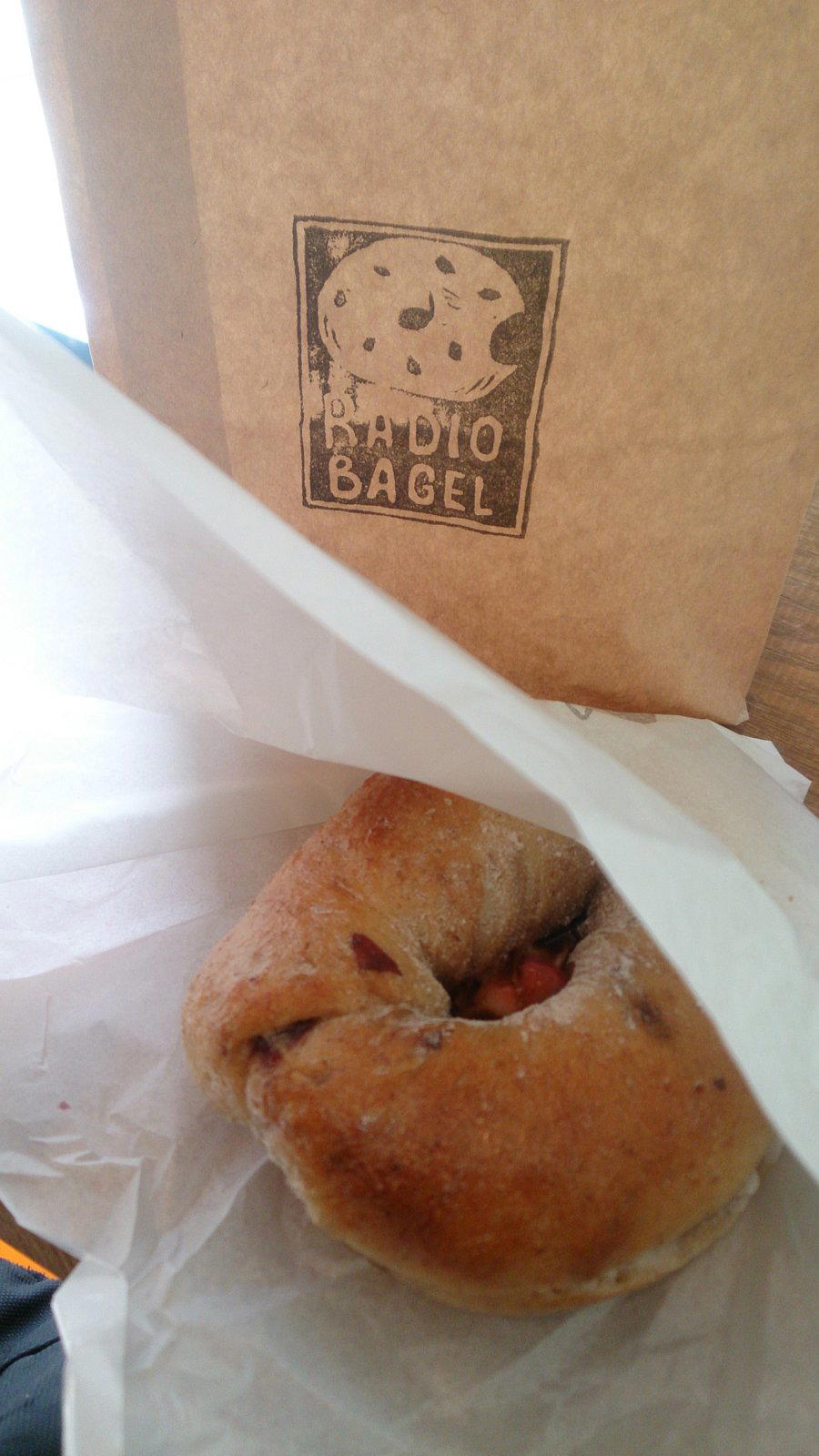
North Kyoto changes pace around Kitayama and Kamigamo. Streets widen, central Kyoto’s temple-and-market intensity drops away, and food culture turns residential: bakeries, wagashi counters, family-run cafés, and small restaurants for regulars more than itinerary hunters. Here, Radio Bagel reads less like a novelty import than a disciplined specialist working in a city where bread has become a serious parallel tradition to rice, noodles, and kaiseki.
Kyoto’s bakery culture is not incidental. The city has long supported French-style boulangeries, milk-bread shops, anpan counters, and morning cafés, partly because university districts and residential neighborhoods reward daily-use food businesses. Bagels occupy a narrower lane: enough identity to avoid generic café bread, enough restraint to fit Kyoto’s appetite for practical, repeatable craft. Radio Bagel has held that position since opening in 2008, with Tabelog Bread 100 selections in 2017, 2019, 2020, and 2022 placing it in the visible tier of western Japan’s bakery conversation.
Kitayama's specialist-bakery rhythm, not central Kyoto spectacle
The northern location matters. Central Kyoto’s food map tends to pull visitors toward Nishiki Market, Gion counters, hotel dining rooms, and Kawaramachi cafés. Kitayama works differently: lower density, more neighborhood repetition, and fewer venues built around a single night out. A bagel-and-café format feels natural here: compact, practical, and tied to daytime eating rather than ceremony.
The immediate competitive set clarifies the role. Kamigamo Akiyama belongs to the more formal Japanese dining register; Kawabata Doki points to Kyoto’s older confectionery grammar; Briant Kitayama honten and Marie France Kitayama ten sit closer to the bakery lane. Radio Bagel occupies the specialist edge, where the category is narrower and recognition comes from consistency rather than breadth. For a day in the north, the comparison is not a tasting-menu counter but small Kyoto shops that justify a detour because they do one format with discipline.
That logic separates it from the broader Kyoto circuit covered in Our full Kyoto restaurants guide. A city meal plan can swing from casual to formal: Aburi Mochi Honke Nemoto Kazariya for shrine-side sweet tradition, 3TOKU6MI Shijo karasuma ten for a central-city restaurant stop, [ki:] for contemporary Kyoto, or Abbesses when French technique enters the itinerary. Kyoto rewards travelers who do not treat every meal as a temple-adjacent set piece.
A tight bagel-and-café format with award weight
Specialist food shops live or die by curation. A wine bar proves itself through cellar choices, producer logic, and the confidence to leave things out; a small bakery does the same through format discipline. The restaurant is listed as bagel and café, with take-out service and only three table seats. The footprint pushes the experience toward selection rather than lingering, keeping focus on the product, not the room.
The Tabelog Bread 100 history is the key trust signal. It is not a Michelin-style dining award and should not be read that way. It does, however, show a shop repeatedly entering a national platform’s bakery selection across several cycles. In a category where many excellent producers remain hyperlocal, repeated selection means this is not simply a neighborhood convenience stop, but part of western Japan’s bread conversation.
Price keeps the shop in the everyday-luxury zone rather than destination dining. That distinction is central to Kyoto food culture. The city supports high-cost counter dining and inexpensive specialists because local credibility is not tied only to spend. A traveler may plan a polished dinner, then build a morning around bread, coffee, or sweets before continuing north to gardens, university districts, or shrine precincts. Kyoto is good at modest transactions with real food value.
For cross-city context, Japan’s casual-specialist category stretches far beyond Kyoto. The format differs from a pork-bun institution such as 551蓬莱, a curry address like [Curry Senmon Ten] Maruyama Kyoju. in Sapporo, or a compact rice-focused shop such as Onigiri Time in Pasadena. What connects them is specificity: a narrow promise, a clear buying occasion, and little need for theater.
How to fit it into a Kyoto day
The restaurant works as part of a northern Kyoto plan, not a replacement for formal meals. Kitayama Station on the Karasuma Line places it within a practical subway arc, and the Kamigamo area pairs naturally with a slower itinerary. Here, timing matters less for glamour than for inventory, transit, and whether the day is built around walking between residential pockets rather than rushing between marquee sights.
Travelers staying centrally can use the stop as a counterweight to heavier dining. Kyoto’s hotel scene, covered in Our full Kyoto hotels guide, often places visitors near Higashiyama, Kyoto Station, or the river corridor; heading north changes the day’s texture. The same applies after dark. The city’s drinking culture in Our full Kyoto bars guide follows a separate rhythm from a morning bakery run, while Our full Kyoto experiences guide and Our full Kyoto wineries guide frame the non-restaurant parts of a longer stay.
The verdict is simple: this is a specialist stop for travelers who value Kyoto’s everyday food intelligence as much as its formal cuisine. The evidence is concrete: bagel-and-café focus, tiny seating, take-out utility, and repeated Tabelog Bread 100 recognition. It belongs on a northern Kyoto route, especially for readers who know the city’s food credibility often appears in small rooms, short menus, and disciplined categories rather than grand gestures.
For broader planning beyond Kyoto, EP Club’s restaurant coverage also tracks specialist and casual formats across Japan and abroad, including -Grilled beef Sukiyaki- KAMAKURA TANUKIAN 鎌倉 たぬき庵 in Kamakura. 鮪と炭火焼き うお炭 秋葉原店 in Tokyo.cafe in Osaka.know in Kumamoto, (Shoku) Vietnam in Kawasaki, and Jōdo Saké Bar in Los Angeles.
Cuisine and Awards Snapshot
Comparable options at the same price tier.
| Venue | Cuisine | Price | Notes |
|---|---|---|---|
| Radio BagelThis venue — the venue you are viewing | Bagel shop & sandwiches | $ | Not listed |
| Grandir Shimogamo ten | Bakery & café | $ | Sakyō |
| Kew | Dessert Cafe | $ | Ukyō |
| eight | Artisanal Bakery & Western-style Sweets | $ | Fushimi |
| Yakitate Pan Manhattan | Japanese neighborhood bakery and sandwich shop | $ | Nakagyō |
| Hitsuji | Donut & coffee shop | $ | Nakagyō |
Recognition history
Dated appearances from independent guides and award organizations, with the underlying list record or original source where available.
Tabelog 100 #93 · No. 93
Tabelog · Tabelog 100 - Bread - WEST - 2022
Continue exploring
More in Kyoto
Restaurants in Kyoto
Browse all →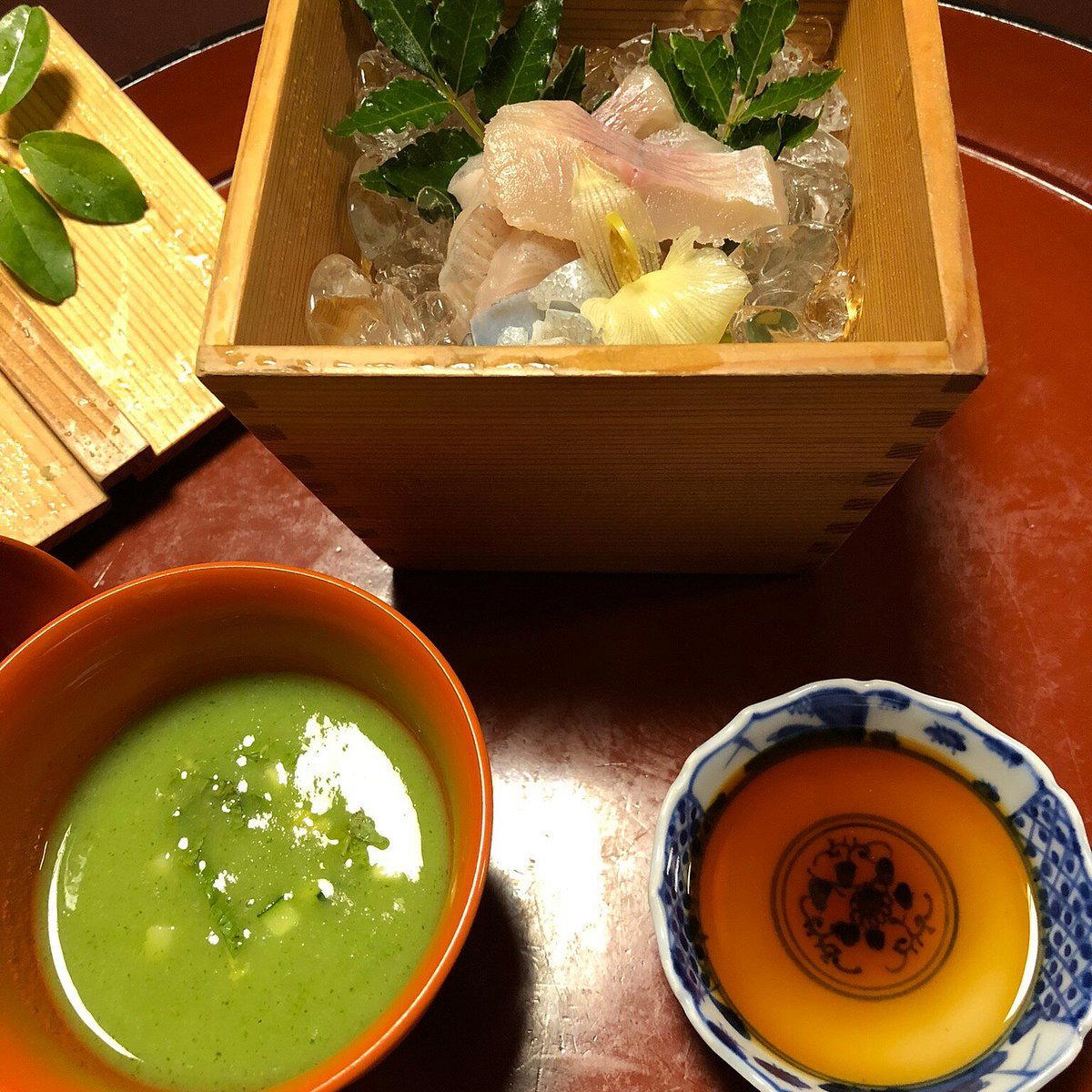
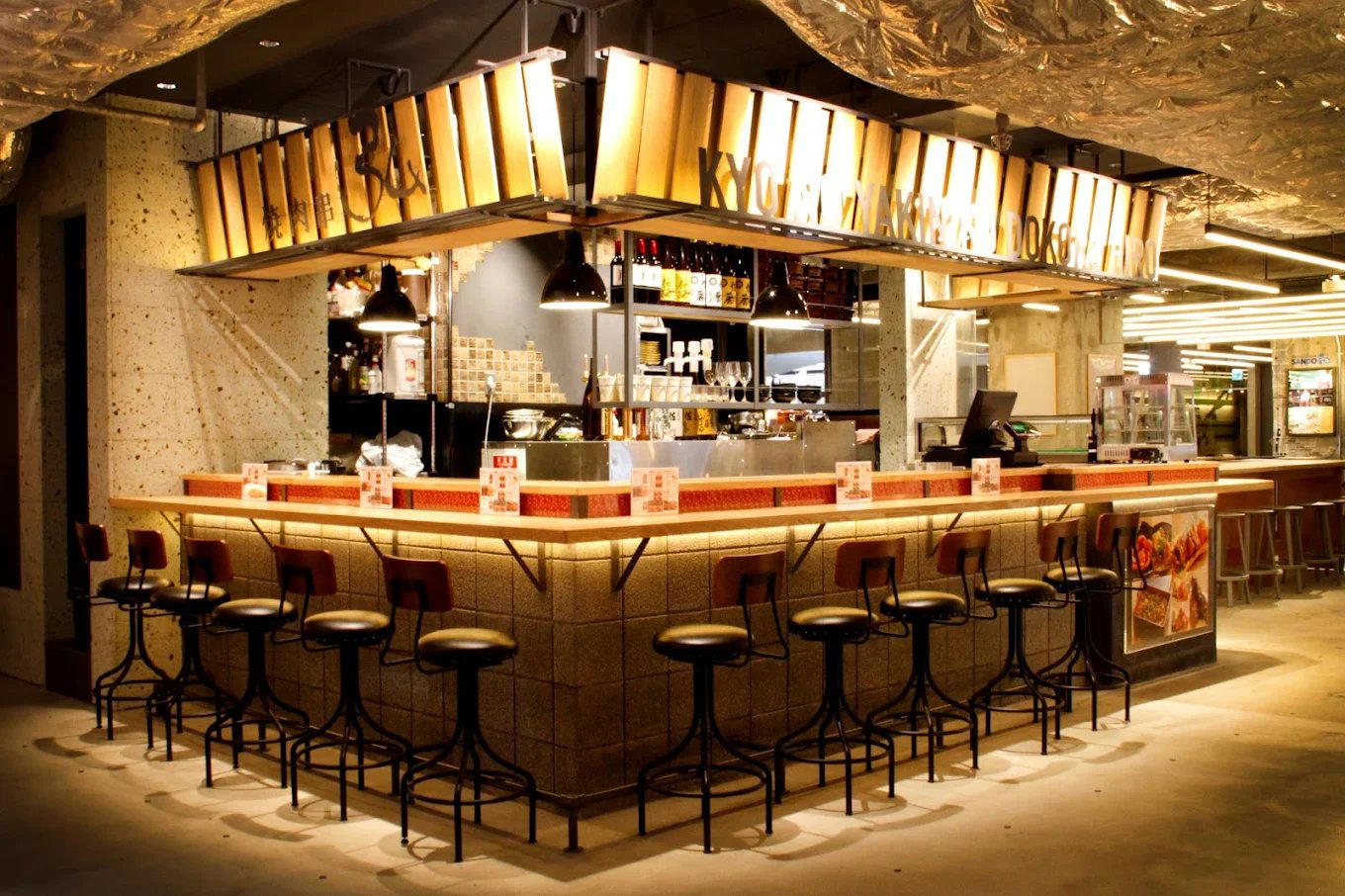
Bars in Kyoto
Browse all →
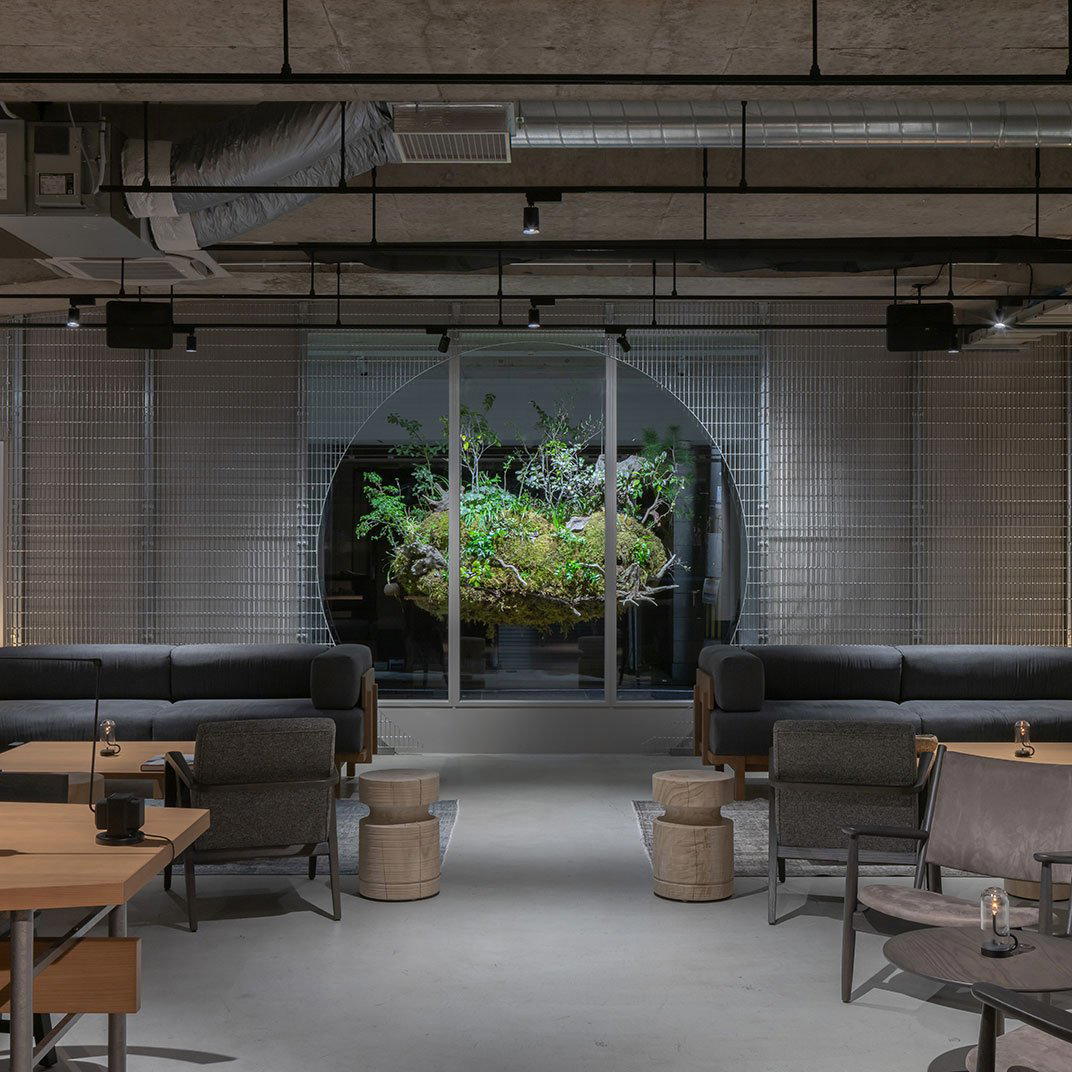
Hotels in Kyoto
Browse all →
Wineries in Kyoto
Browse all →
At a Glance
- Cozy
- Casual
- Solo
- Casual Hangout
- Brunch
- Family
- Standalone
Informal and homey counter-service shop with a relaxed, residential neighborhood feel; guests typically grab takeaway or a quick, quiet bite inside rather than lingering over a full café experience.