Tabelog 100 #12
Our verdict
Tokyo’s yakiniku scene rewards planning as much as appetite, and Yakiniku Rokkoen sits in the serious, reservation-led tier rather than the casual grill-house lane. Its 2025 Tabelog 100 selection for Tokyo yakiniku, focus on Japanese BBQ and tripe, and compact Setagaya setting make it a useful address for diners comparing beef-led dinners beyond central hotel districts.

Pearl is the En Primeur Club membership app — saves, bookings, and concierge access live there. Same editors, same standards.
- Address
- 東京都世田谷区池尻2-37-10 石井ビル 1F
- Phone
- +81368055529
- Website
- tabelog.com
- Directions
- Get directions
The menu
What to order
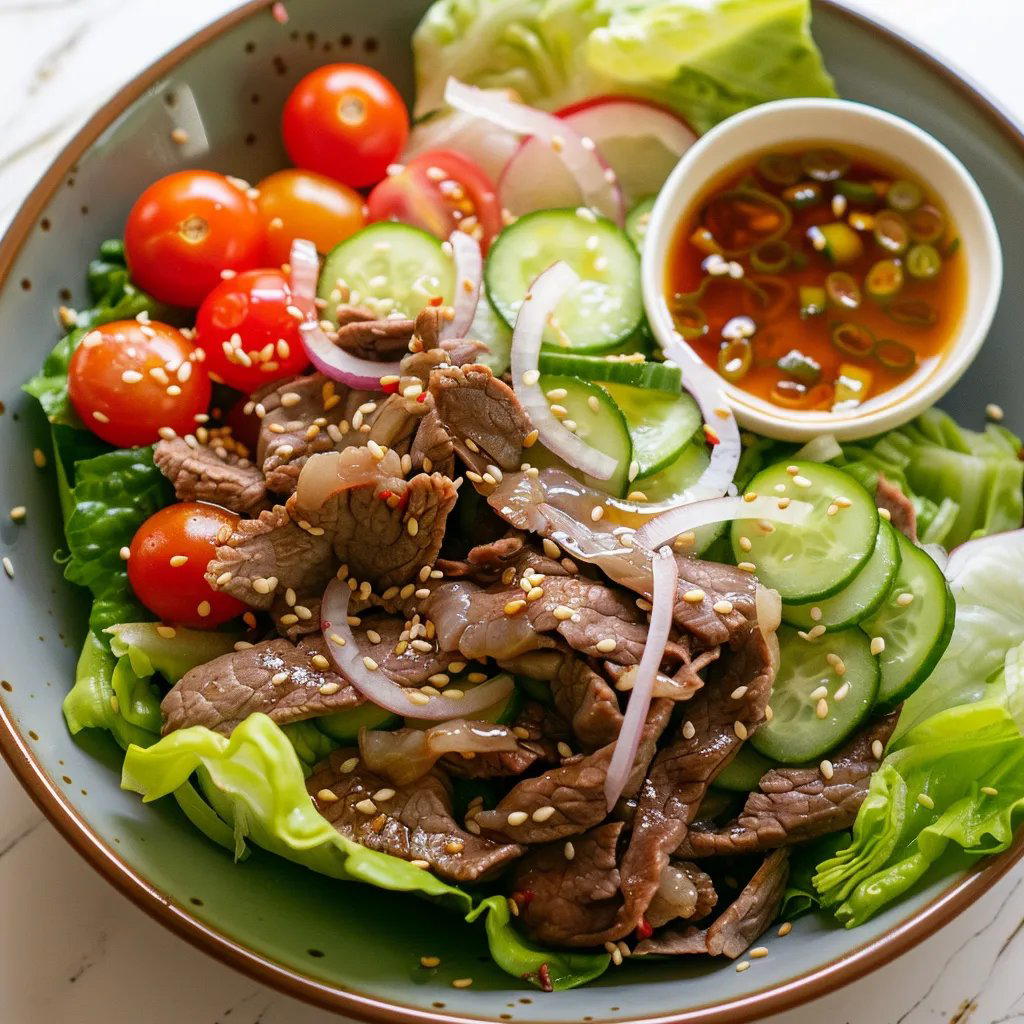
- Tajima beef assorted platter (6 rare cuts)
- Rokkoen assorted yakiniku platter
- Thick-cut beef tongue
- Aburi yukke
- Rokkoen gukbap (soup rice)
- Clay pot rice
Approaching a serious Tokyo yakiniku room is different from arriving at a sushi counter or kaiseki dining room. The ritual is less hushed, more kinetic: table grills, smoke management, clipped service rhythms, and a dining pace built around heat rather than ceremony. In Tokyo, that format has particular appeal because it can feel grounded in local dining habits rather than built only around visitor spectacle.
Yakiniku Rokkoen belongs to the city’s planning-dependent barbecue category, where the meal is not only about what goes on the grill but about timing, group size, and how disciplined the table can be around heat. Tokyo has plenty of casual yakiniku, but the more competitive addresses behave differently: reservations can matter, seating windows can matter, and the room’s operating rhythm can shape the experience as much as the order. Its selection for the 2025 Tabelog Hyakumeiten in Tokyo’s yakiniku category places it in a recognized field of specialist restaurants rather than the broad, all-purpose dinner market.
Tokyo puts yakiniku in a quieter register
Tokyo changes the frame. Central dining often sells precision through scarcity: counters, tasting menus, and narrow time slots. Yakiniku has its own version of that discipline, but it remains social by design. The grill sits between diners, the order of cooking affects the table, and stronger groups treat the meal as shared work rather than passive consumption. That distinction matters for travelers who usually benchmark Tokyo through omakase or French-influenced tasting rooms.
The category also carries a broad price spread. Entry-level chains can satisfy a quick craving, while serious independents compete through cut selection, offal handling, ventilation, room comfort, and the ability to pace a table without turning it into a production line. Yakiniku Rokkoen’s listed focus on Japanese BBQ and tripe points toward the traditional breadth of the genre, not just familiar sliced grill orders. Tripe and other offal cuts are not secondary in yakiniku culture; they are part of how experienced diners judge confidence at the grill.
That makes the address more useful for a certain kind of Tokyo itinerary. It is not the obvious choice for a first-night spectacle, nor does it need to be. It suits diners who want one grill-focused meal that reads as local rather than hotel-adjacent, with enough recognition to justify advance planning. For broader city mapping, Our full Tokyo restaurants guide is the better starting point, while travelers building a complete trip can cross-check Our full Tokyo hotels guide, Our full Tokyo bars guide, Our full Tokyo wineries guide, and Our full Tokyo experiences guide.
The booking discipline is part of the meal
Tokyo diners are used to restaurants that make the reservation system part of the experience. In yakiniku, that discipline has a practical function: grills, ventilation, table resets, and group ordering all create operational pressure. A focused room can intensify those pressures. The result is a meal where lateness and indecision can have consequences, and where a well-prepared table will usually eat better than a table trying to improvise its way through the evening.
This is where Yakiniku Rokkoen’s appeal becomes clearer. The restaurant is not positioned here as a chef-led narrative room, and there is no need to force that frame onto it. Its authority comes from category recognition, a Tokyo setting, and the practical seriousness of a planning-friendly yakiniku operation. In Tokyo terms, that is a credible signal: the city’s strongest casual-specialist restaurants often reveal themselves through systems as much as through décor.
Comparison helps. Tori Tomi, BISTRO GLOUTON, Wa kitchen Kanna, BONNET D'ANE, and デュ バリー all belong to the wider Tokyo dining map, but they sit in different format conversations. Those differences matter because Tokyo visitors often group restaurants by convenience rather than by style. Yakiniku should be judged against other grill specialists, not against a bistro, café, or low-cost lunch address.
For diners building a grill-led thread across Japan, the comparison can extend beyond a single dinner format. Other Japanese dining traditions may center seasoning, broth, or controlled richness, while yakiniku places the table closer to the cooking decision. The distinction is useful because it clarifies why a grill-it-yourself meal has a different rhythm from a composed counter or pot-based dinner.
How it fits into a serious Tokyo eating week
A strong Tokyo itinerary needs contrast. Too many visitors stack counter meals until the city starts to feel narrower than it is. Yakiniku adds heat, informality, and shared pace without dropping into randomness. It pairs well with a week that might include yakitori, curry, seafood, cafés, and sake bars, because it shows another side of Japanese dining discipline: not quiet minimalism, but managed intensity.
That broader map can include skewers, curry, seafood, charcoal grilling, and lighter design-led pauses when the itinerary needs a change of tempo. Outside Tokyo, Japanese and Japan-adjacent dining formats travel in very different ways across cities, from casual cafés to specialist bars and focused comfort-food counters. The point is not to treat every stop as equivalent, but to understand what each format is asking from the diner.
The editorial case is simple: book this for a focused yakiniku night, not for a generic dinner slot. The recognition is meaningful, the format rewards coordination, and the Tokyo setting keeps the experience connected to the city’s serious specialist dining culture. For diners who already understand sushi counters and ramen queues, this is a more revealing test of how Tokyo handles smoke, heat, and the social mechanics of a shared grill.
Frequently asked questions
Where exactly is Yakiniku Rokkoen?
Tokyo.
What does dinner at Yakiniku Rokkoen typically cost?
Dinner at Yakiniku Rokkoen is listed at JPY 8,000 - JPY 9,999; lunch is listed at JPY 2,000 - JPY 2,999.
Is Yakiniku Rokkoen reservation-only?
Yakiniku Rokkoen is best approached with advance planning, as recognized Tokyo yakiniku restaurants often reward diners who book and arrive prepared.
What's Yakiniku Rokkoen best at?
Its core appeal is yakiniku in the JPY 8,000–JPY 9,999 dinner range, backed by selection for Tabelog Hyakumeiten Yakiniku Tokyo 2025. The listed categories also include tripe, which signals a focused grill-house brief.
Can Yakiniku Rokkoen handle vegetarian requests?
The listed categories are yakiniku and tripe, so vegetarian diners should check directly before booking. For groups in Tokyo, it works better when at least some guests want that style of grill-focused meal.
Can I bring kids to Yakiniku Rokkoen?
Check directly with the restaurant before booking with children, since yakiniku meals involve table grills and group pacing.
The Short List
Side-by-side context: comparable cuisine and price.
| Venue | Cuisine | Price | Awards | Notes |
|---|---|---|---|---|
| Yakiniku RokkoenThis venue — the venue you are viewing | Traditional Kobe-style Yakiniku (Japanese BBQ) | $50–100 | Tabelog 100 #12 | Not listed |
| デュ バリー | Casual French Bistro with Reims Regional Specialties | $50–100 | Not listed | Not listed |
| Tori Tomi | Yakitori & mizutaki chicken course | $50–100 | Tabelog 100 #23 | JPY 10,000 - JPY 14,999 |
| BISTRO GLOUTON | French Bistro | $50–100 | Michelin Bib Gourmand | French |
| Wa kitchen Kanna | Japanese set meals & creative kakigori café | $10–20 | Tabelog 100 #86 | JPY 1,000 - JPY 1,999 |
| BONNET D'ANE | French-style bakery & sandwich shop | $10–20 | Tabelog 100 #98 | JPY 1,000 - JPY 1,999 - JPY 999 View spending breakdown |
Recognition history
Dated appearances from independent guides and award organizations, with the underlying list record or original source where available.
Tabelog 100 #12 · No. 12
Tabelog · Tabelog 100 - Yakiniku - TOKYO - 2025