Tabelog 100 #23
Our verdict
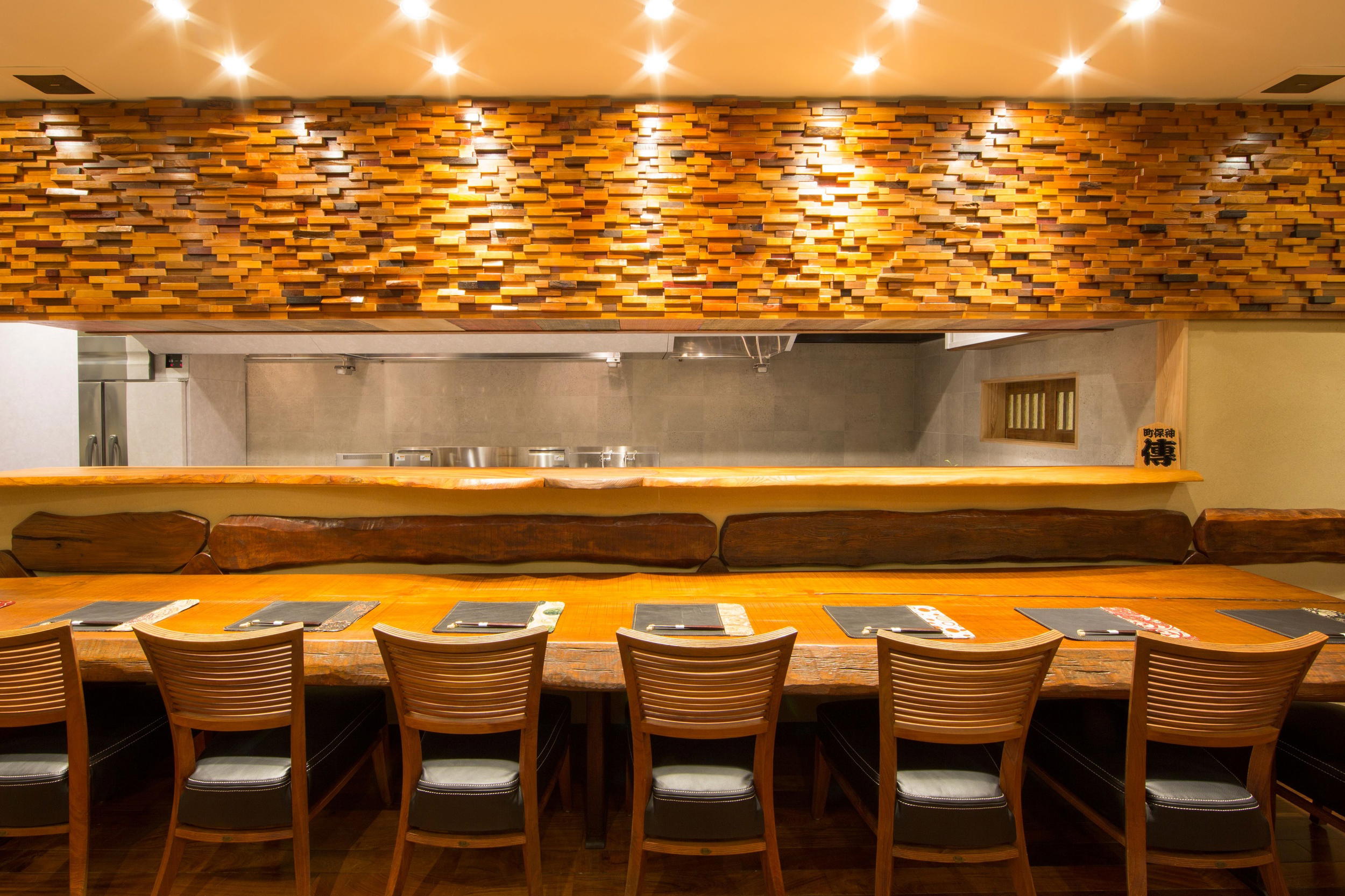
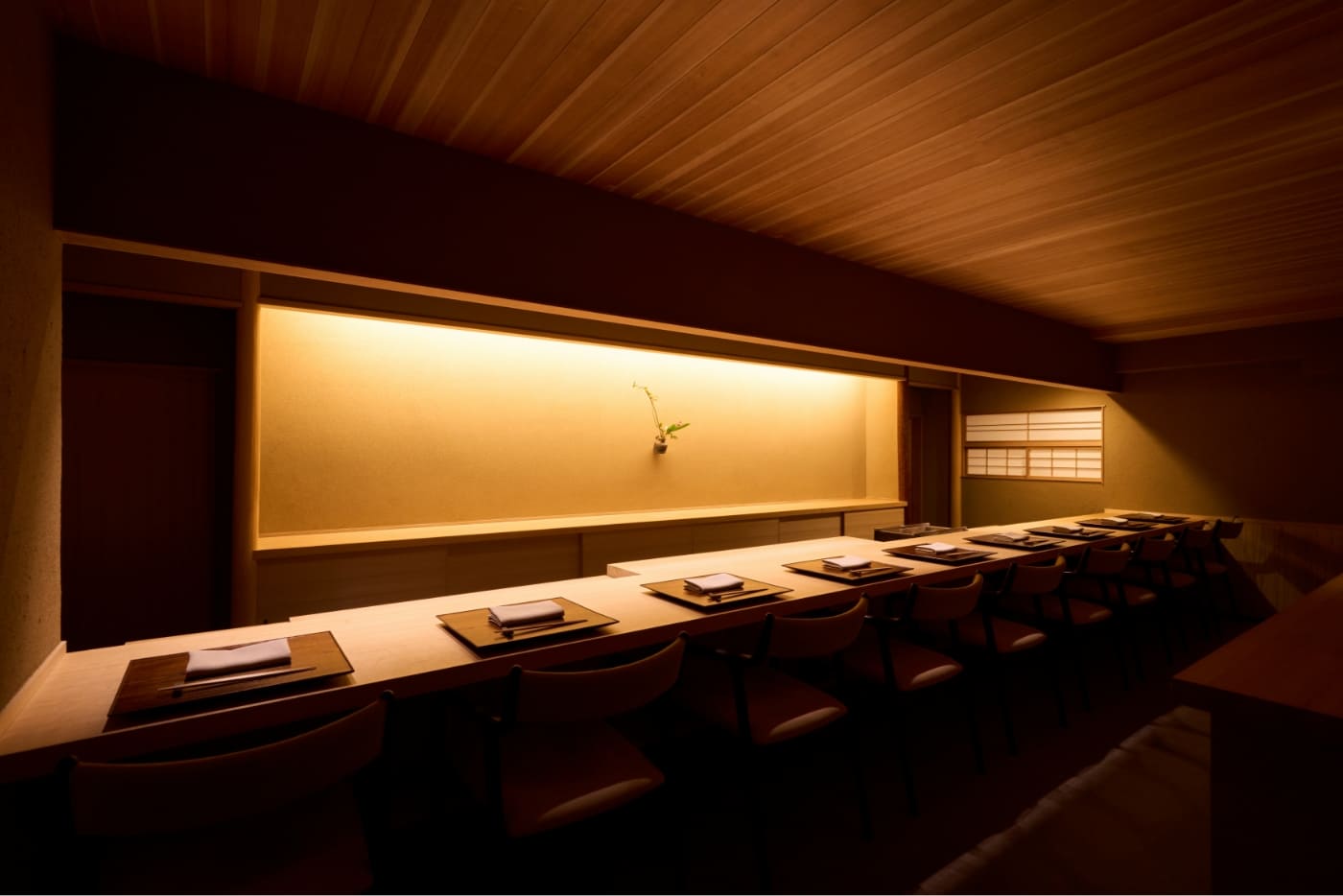
Tori Tomi is an eight-seat counter in Setagaya’s Ikejiri area, focused on chicken cooking across yakitori, mizutaki, and related dishes. Selection for Tabelog’s 2025 Chicken Cuisine 100 places it within Tokyo’s serious poultry specialist tier, with sake, shochu, and wine forming the drink frame around a compact evening format.

Pearl is the En Primeur Club membership app — saves, bookings, and concierge access live there. Same editors, same standards.
- Address
- Japan, 〒154-0001 Tokyo, Setagaya City, Ikejiri, 1 Chome−11−8 ワコーハイム 1F
- Phone
- +81 3-6805-5283
- Hours
- Mon–Sat 6–11 PMSun Closed
- Website
- tabelog.com
- Directions
- Get directions
The menu
What to order
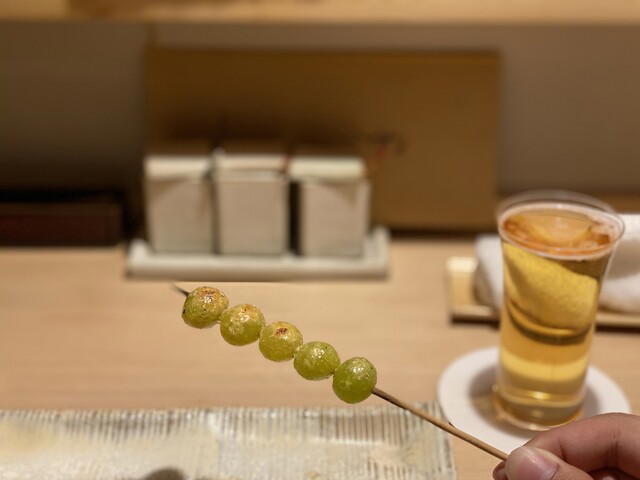
- Mizutaki chicken hot pot
- Grilled chicken skewers (yakitori)
- Chicken broth course
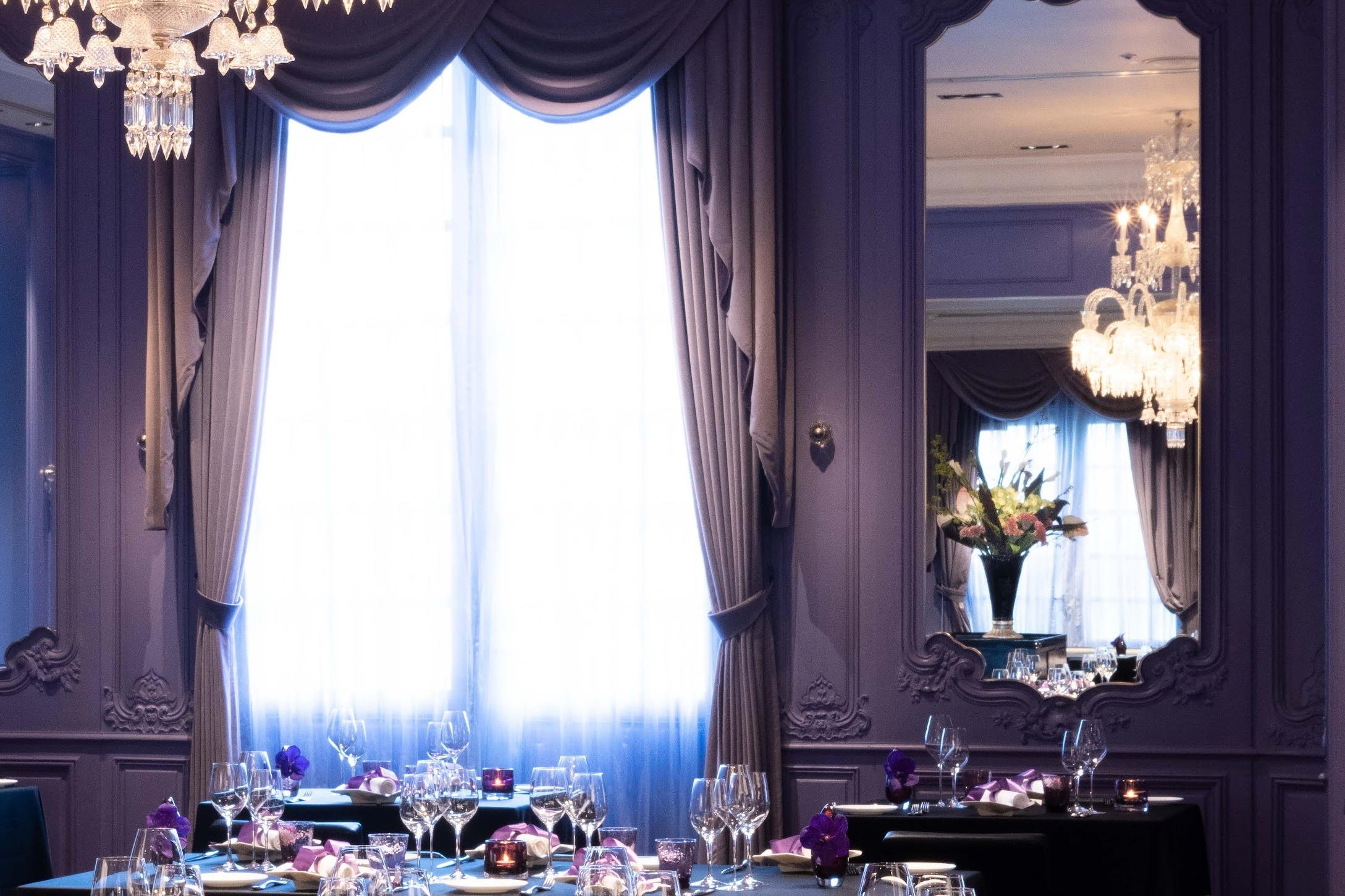
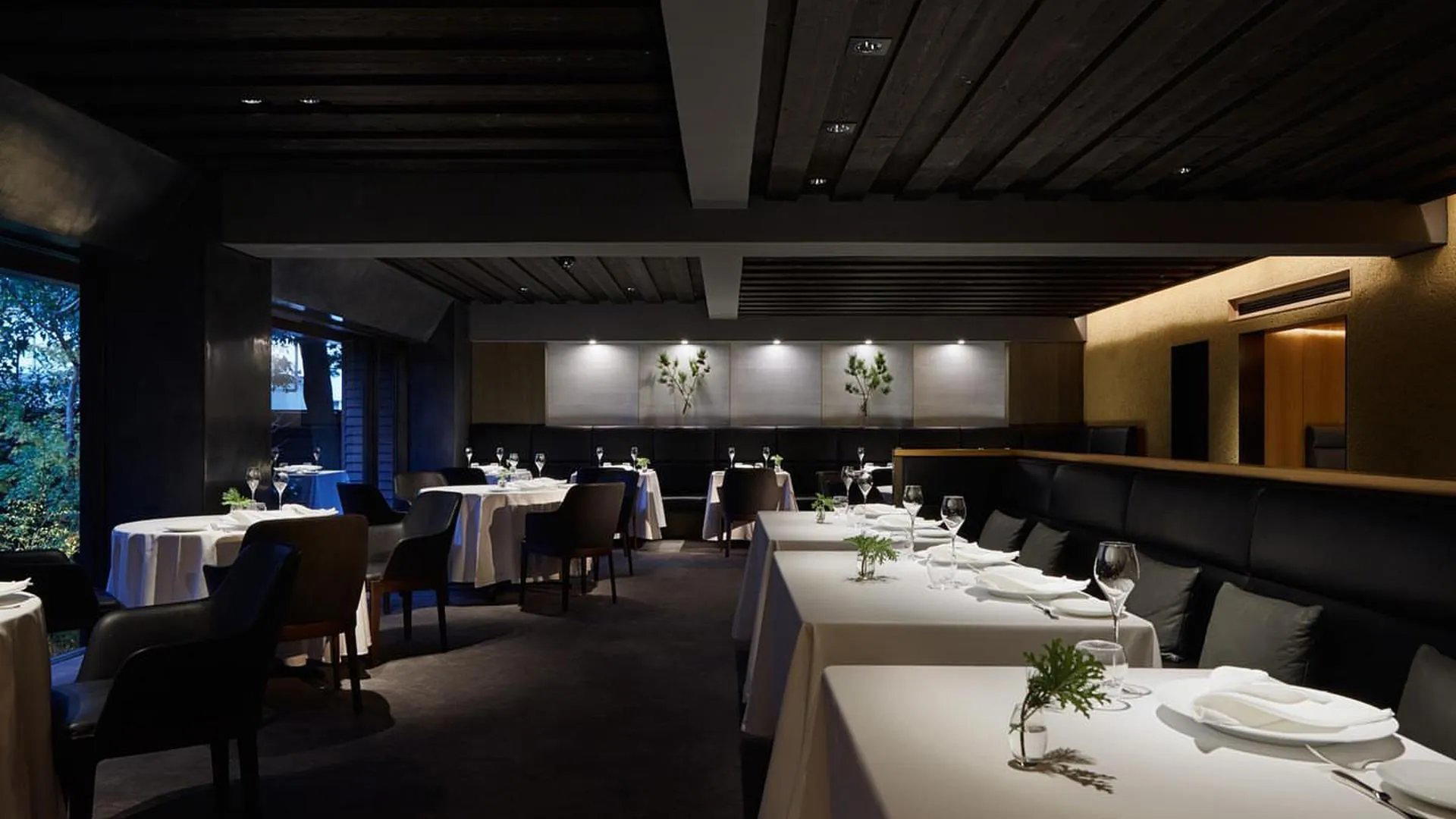
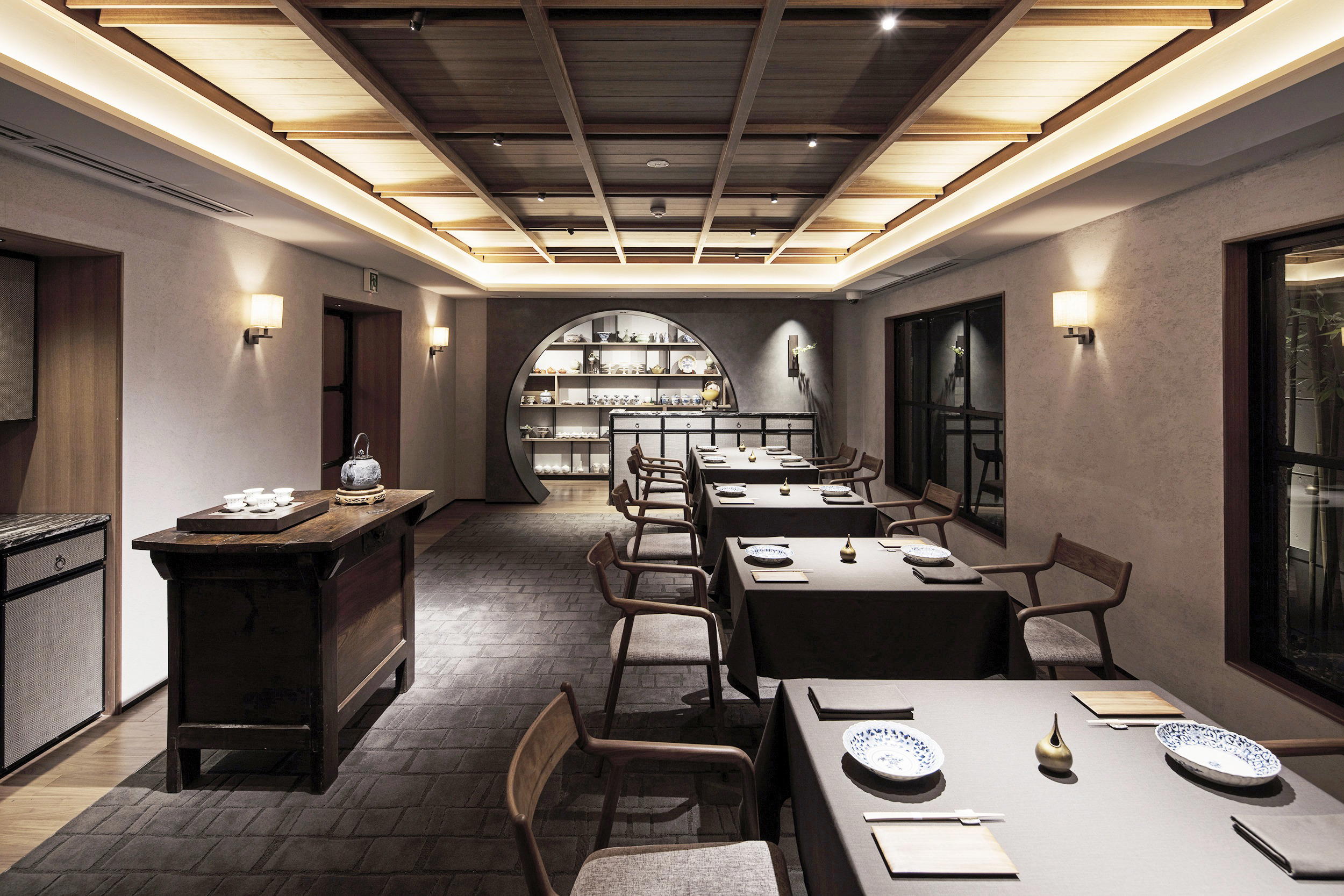
Tokyo’s serious chicken-focused restaurants work in a different register from the city’s louder grill rooms. The room may be modest, the cooking is focused, and the pace depends on heat, timing, and the quiet choreography of a specialist kitchen. At Tori Tomi, that focus is part of the argument: a menu orbiting chicken dishes, mizutaki, and yakitori rather than a broad izakaya spread.
The approach fits a Tokyo dining culture that rewards specialist addresses over spectacle. Beyond the city’s most obvious luxury circuits, Tokyo has long supported compact restaurants with regulars, focused menus, and limited-seeming scope. That context matters. A chicken restaurant here is not trying to mimic the ceremonial tension of high-end sushi or the tasting-menu theatre of modern French. It lives closer to the rhythm of smoke, broth, skewers, and drinks alongside the grill.
Chicken cooking in Tokyo, reduced to close focus
Chicken cuisine in Japan carries several distinct grammars. Yakitori is about cuts, seasoning, and fire control; mizutaki shifts the centre of gravity toward broth and texture; broader toriryori cooking gives the kitchen room to move between grilled, simmered, and drinking-friendly formats. Tori Tomi’s category spread places it inside that full poultry tradition, not merely the skewer lane. The public description points to chicken dishes, mizutaki, and grilled chicken skewers, which is enough to explain the dual appeal: warmth from the pot, aromatic smoke from the grill, and a meal structure built for measured progression rather than abundance.
That distinction is useful in Tokyo, where yakitori can mean anything from station-side drinking food to more concentrated restaurants with strict pacing. A focused setting changes the contract. There is little room for anonymity, and timing becomes part of the experience: what leaves the heat, what rests, what moves next. In this format, atmosphere is not decoration. It is the working environment of the meal.
The 2025 selection in Tabelog’s Chicken Cuisine 100 gives the restaurant a clear credential within a category where local reputation often matters more than international awards. Tabelog’s chicken list is a specialist signal rather than a broad fine-dining badge, and that suits the genre. It identifies restaurants judged within the language of poultry cooking, where the competitive set is not sushi, wagyu, or kaiseki but other restaurants and dining rooms devoted to chicken as the main subject.
Tokyo restraint rather than display
Tokyo’s premium dining map often pulls visitors toward places with easier hotel access and stronger English-language visibility. Specialist restaurants across the city can play a different game. They tend to feel more local in their operating logic: focused rooms, less signage-driven discovery, and menus that do not need to explain themselves to every passing traveller. Tori Tomi belongs to that pattern. Its category makes it more aligned with a focused specialist than a destination built around spectacle.
That matters for expectations. This is not the broad-value bracket of a daytime comfort spot such as Wa kitchen Kanna, nor the meat-heavy pricing logic of Yakiniku Rokkoen. It is also not comparable to the casual French frame of BISTRO GLOUTON or the tonkatsu lane represented by Tonkatsu Gensuiton. The relevant comparison is structural: a focused Tokyo restaurant where the category is narrow and the experience depends on discipline rather than range.
For readers mapping a wider Tokyo dining run, the contrast is useful. Other Tokyo dining rooms point toward different expressions in the city, while broader itineraries might mix a chicken-focused meal with casual stops, café culture, or seafood-led drinking. The point is not to rank unlike venues, but to understand how Tokyo rewards micro-categories.
How to read the meal before choosing it
The strongest reason to choose this address is category focus. Chicken specialists ask for a diner who enjoys repetition with variation: different textures, different heat levels, different ways of drawing depth from the same bird. The appeal follows that logic, signalling a meal designed to move across broth, grill, and savoury intensity without forcing the restaurant into a broader, less focused lane.
The specialist reading also narrows the audience in a productive way. This is better approached as a focused chicken meal than as a catch-all business-entertaining venue. In a chicken-focused setting, aroma, timing, and the sequence of dishes shape the evening as much as the menu categories themselves.
For a Tokyo trip, Tori Tomi works as a focused dinner rather than a catch-all recommendation. It offers a clear view into how the city treats chicken cooking as a serious category, with the 2025 Tabelog Chicken Cuisine 100 selection adding a measurable trust signal. Travellers building a broader plan can place it alongside other Tokyo dining for different registers, then use Our full Tokyo restaurants guide to balance specialist restaurants with other parts of the city.
For wider Japan planning, contrast the Tokyo chicken-specialist model with regional and casual formats across the country. For a trip that extends beyond restaurants, the surrounding research can sit with Our full Tokyo hotels guide, Our full Tokyo bars guide, Our full Tokyo wineries guide, and Our full Tokyo experiences guide. Outside Japan, sake-led and Japanese casual references show how differently the cuisine translates when removed from Tokyo’s focused-restaurant discipline.
Frequently asked questions
What's the pricing like at Tori Tomi?
Pricing at Tori Tomi is listed as JPY 10,000 - JPY 14,999.
What are the opening hours for Tori Tomi?
Check the venue's official channels for the latest details.
What part of town is Tori Tomi in?
Tokyo.
What has Tori Tomi built its reputation on?
Tori Tomi is known for chicken dishes, including mizutaki and yakitori, in Tokyo. Its 2025 selection in Tabelog’s Chicken Cuisine 100 gives that focus real weight.
Do they accommodate allergies at Tori Tomi?
Check the venue's official channels for the latest details.
Price Lens
Comparable venues by price and recognition.
| Venue | Cuisine | Price | Awards | Notes |
|---|---|---|---|---|
| Tori TomiThis venue — the venue you are viewing | Yakitori & mizutaki chicken course | $50–100 | Tabelog 100 #23 | Not listed |
| 麺尊RAGE | Modern Shamo Shoyu Ramen | $20–30 | Not listed | Suginami, Modern Shamo Shoyu Ramen |
| Sushi Inase | Edomae Omakase Sushi | $100–150 | Not listed | Shibuya, Edomae Omakase Sushi |
| Ranma | Teppanyaki Japanese | $100–150 | Tabelog 100 #93 | Minato, Teppanyaki Japanese |
| Yakiniku Horumon Kinju Hanare | Yakiniku & horumon with Morioka-style cold noodles | $50–100 | Tabelog 100 #48 | Minato, Yakiniku & horumon with Morioka-style cold noodles |
| green glass | Handmade Soba & Shizuoka Sake | $50–100 | Tabelog 100 #2 | Shinjuku, Handmade Soba & Shizuoka Sake |
Recognition history
Dated appearances from independent guides and award organizations, with the underlying list record or original source where available.
Tabelog 100 #23 · No. 23
Tabelog · Tabelog 100 - Chicken cuisine - 2025