
Yakiniku Kunimoto Honten sits in Tokyo’s Hamamatsucho yakiniku tier where sourcing, cut selection, and grill-side restraint matter more than theatre. Its Tabelog 100 Yakiniku Tokyo 2025 selection, long-running Hyakumeiten history, and JPY 10,000–14,999 dinner bracket place it in a serious beef-focused category rather than casual barbecue.
Pearl is the En Primeur Club membership app — saves, bookings, and concierge access live there. Same editors, same standards.
- Address
- 東京都港区浜松町2-12-2
- Phone
- +81335781129
- Website
- 8929kunimoto.com
 Saves & bookings on Pearl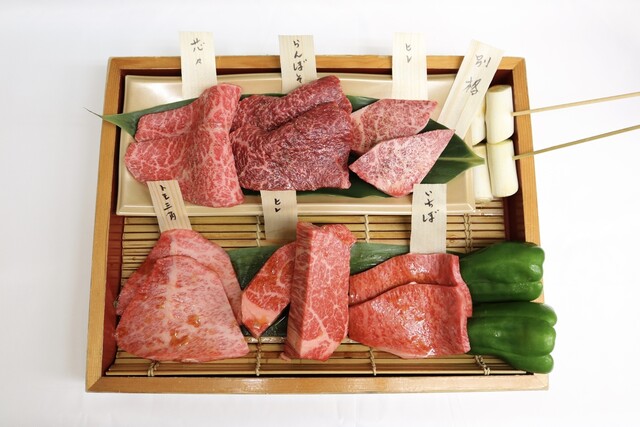
The first signal here is not spectacle but control: a house-style yakiniku room, semi-private tables, no smoking inside, and a format built around beef rather than a chef’s stage. Tokyo’s serious yakiniku culture rewards a different kind of precision from sushi or kaiseki. The measure is sourcing, trimming, seasoning, heat management, and how confidently a restaurant lets wagyu carry the meal without burying it under sauce or theatrics.
Yakiniku Kunimoto Honten belongs to that older Tokyo grammar. Its selection for Tabelog 100 Yakiniku Tokyo 2025, alongside repeat Hyakumeiten recognition stretching back to 2018, matters because yakiniku is a crowded field with low barriers at the casual end and a sharp ceiling at the specialist end. At this level, reputation is not built on novelty. It is built on consistency: procurement discipline, tableside pacing, and a room that understands why beef needs focus.
Tokyo yakiniku at the sourcing end of the category
Yakiniku can look simple from a distance: meat, grill, dipping sauce, conversation. In Tokyo, the category becomes more exacting once it moves into the premium bracket. The difference is not only wagyu on the menu; it is how carefully the restaurant controls the sequence of cuts, the balance between lean and fat, and the rhythm of grilling so the meal does not become heavy by the halfway point.
That sourcing-led lens is the right way to read Yakiniku Kunimoto Honten. The restaurant is listed for yakiniku rather than a broader Japanese dining category, which places the scrutiny directly on beef quality and handling. Tabelog’s 2025 recognition puts it among a curated Tokyo group for the genre, not among general-purpose celebration restaurants. The distinction is useful for travellers: this is not a place to understand Japanese beef as a luxury symbol, but as a cooking tradition with rules.
The comparison with other Hamamatsucho-area options clarifies the decision. Honkaku Teuchi Moriya Toukyou ten sits in a lower-priced noodle register, built for a different appetite and time commitment. The yakiniku table asks for more attention, more budget, and more willingness to let the meal revolve around one ingredient family. For travellers building a wider Tokyo or Hamamatsu dining map, that difference matters more than cuisine labels alone.
A room designed for beef, not performance
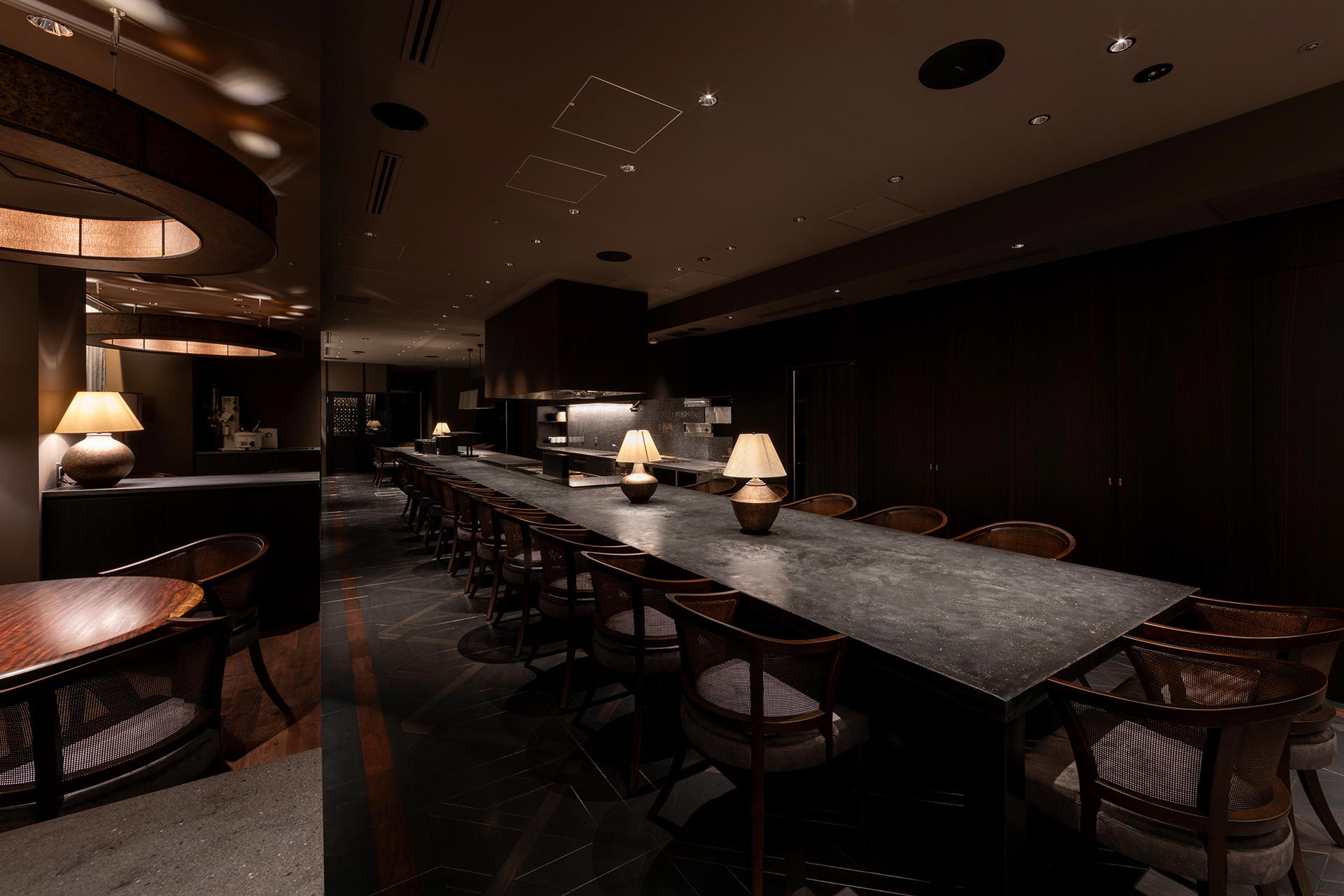
The room’s semi-private table structure suits yakiniku’s social code. This is food cooked in company, but not necessarily food for a noisy group dinner. The absence of private rooms and the stated maximum party size keep the experience closer to small-table dining than banquet-style grilling. That format supports the ingredient: guests can focus on doneness, pacing, and portioning without the meal turning into a group event that overwhelms the beef.
There is also a generational point here. Since opening in 1999, the restaurant has operated through Tokyo’s shift from old-school yakiniku houses to a more reservation-driven, ingredient-conscious scene. The current appetite for premium beef has produced many rooms with luxury cues, but the stronger yakiniku restaurants tend to stay disciplined. They do not need a long tasting-menu narrative to justify themselves. They need procurement that holds up across the meal and a service format that keeps the grill from becoming an afterthought.
That is why the repeated Hyakumeiten presence carries weight. A single list appearance can reflect a moment; repeated selections across years suggest the restaurant has remained relevant as Tokyo’s beef dining audience became more demanding. The Tabelog score of 3.71 also signals a venue operating in the serious local conversation rather than relying on tourist traffic or hotel proximity.
How to place it in a wider dining itinerary
Yakiniku Kunimoto Honten works better as the anchor of an evening than as one stop in a grazing route. The category is rich by design, and the value comes from giving the sequence of beef enough space. Pairing it with lighter meals earlier in the day is the smarter move. A soba or udon lunch, for example, creates a cleaner contrast than stacking another meat-heavy booking around it.
EP Club readers comparing categories can use the broader city guides as a filter rather than a checklist. For restaurant planning, start with Our full Hamamatsu restaurants guide, then separate beef-led dinners from lighter options such as Abondance, Binshan Li, Fukumitsu, and Kibori. Travellers building a full trip can cross-check Our full Hamamatsu hotels guide, Our full Hamamatsu bars guide, Our full Hamamatsu wineries guide, and Our full Hamamatsu experiences guide before fixing the evening around beef.
For a broader Japanese dining comparison, the contrast is useful across regions as well. Beef cookery appears in different forms at -Grilled beef Sukiyaki- KAMAKURA TANUKIAN 鎌倉 たぬき庵 in Kamakura, while charcoal and seafood point another direction at. 鮪と炭火焼き うお炭 秋葉原店 in Tokyo. Casual formats such as.cafe in Osaka.know in Kumamoto, (Shoku) Vietnam in Kawasaki, and [Curry Senmon Ten] Maruyama Kyoju. in Sapporo show how far the country’s dining spectrum stretches beyond premium grill rooms. For North American counterpoints, Jōdo Saké Bar in Los Angeles and Onigiri Time in Pasadena belong to a different conversation entirely: Japanese drinking and everyday rice culture rather than wagyu-centered dining.
The editorial call is clear: choose this restaurant when the point of the evening is beef and the discipline around it. Tokyo has many ways to spend heavily at dinner. A sourcing-led yakiniku house earns attention when the meal remains about cut quality, heat, and restraint rather than luxury signalling.
Comparable Spots, Quickly
Comparable venues by cuisine and price in the same metro.
| Venue | Cuisine | Price | Notes |
|---|---|---|---|
| Yakiniku Kunimoto HontenThis venue — the venue you are viewing | Traditional Wagyu Yakiniku | $$$ | Not listed |
| Kitanose | Upscale Japanese Kappo / Kaiseki | $$$ | Tamachi, Chuo Ward |
| Sumiyaki Unagi Aoiya | Kansai-style Charcoal-Grilled Unagi | $$ | Chuo Ward (Iidamachi) |
| Torihama | Traditional Japanese Chicken Specialty | $$ | Naka-ku |
| Sumiyaki Unagi Kamo | Traditional Kansai-style unagi (eel) restaurant | $$ | Hamana Ward |
| Sumiyaki Unagi Hajime | Charcoal-grilled Unagi Specialist | $$$ | Nishi-ku |
Recognition history
Dated appearances from independent guides and award organizations, with the underlying list record or original source where available.
Tabelog 100 #51 · No. 51
Tabelog · Tabelog 100 - Yakiniku - TOKYO - 2025
Continue exploring
More in Hamamatsu
Restaurants in Hamamatsu
Browse all →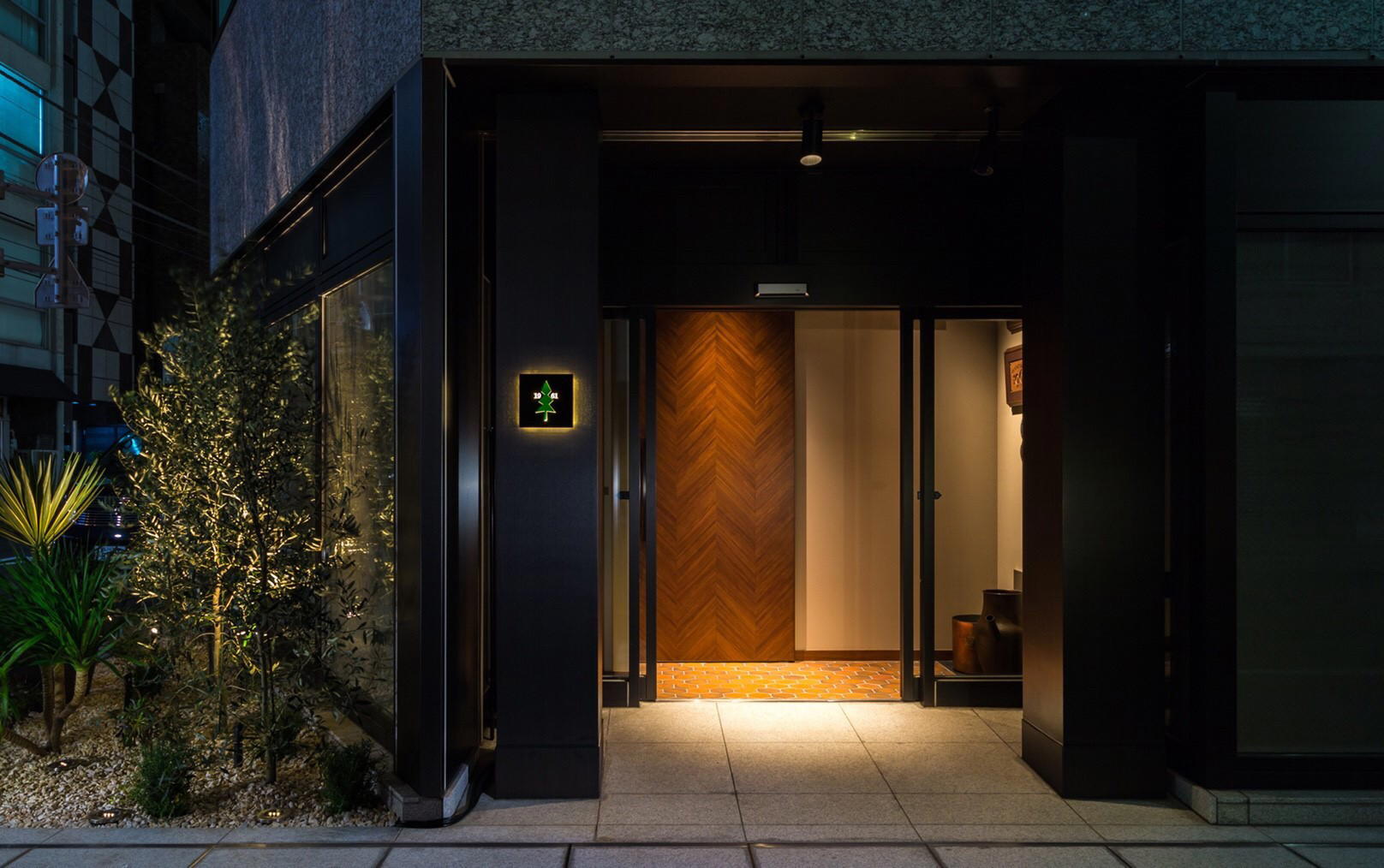
Bars in Hamamatsu
Browse all →





At a Glance
- Classic
- Cozy
- Intimate
- Date Night
- Business Dinner
- Group Dining
- Special Occasion
- After Work
- Standalone
- Design Destination
- Sake Program
- Beer Program
- Local Sourcing
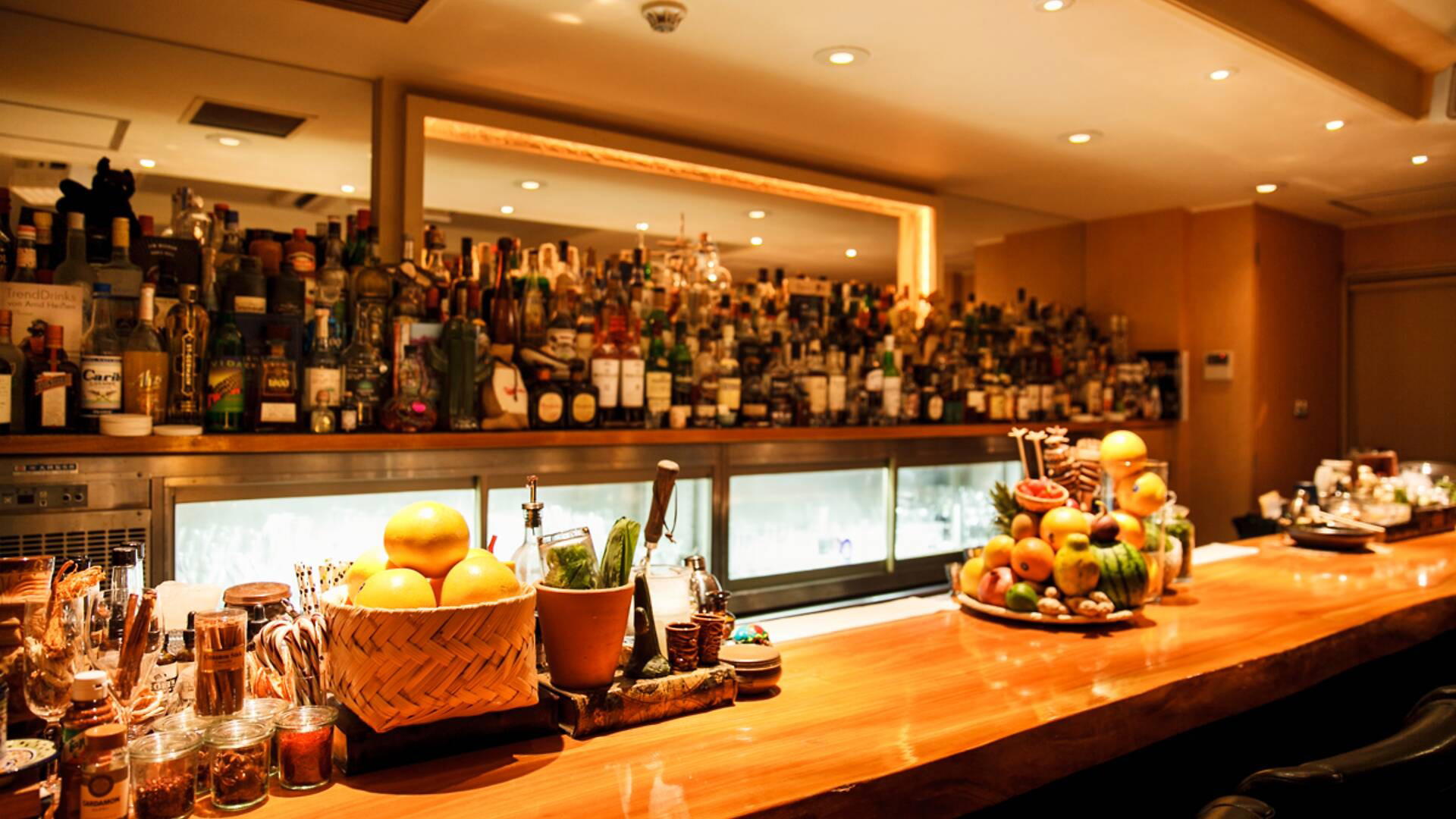
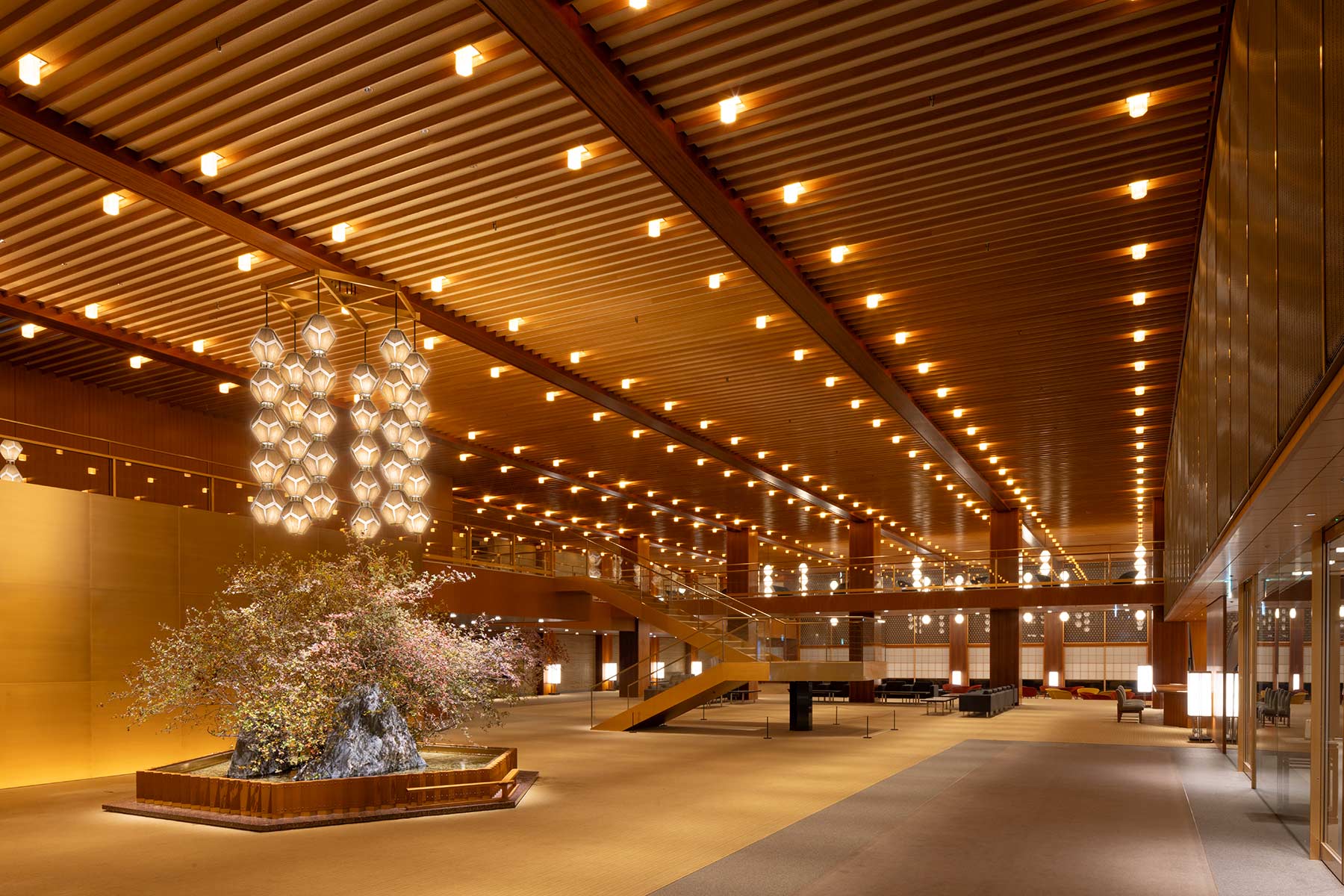
A warm, wood-built two-story space with a classic, intimate yakiniku atmosphere where guests linger over carefully selected wagyu grilled over specialty Japanese charcoal.