
Torihama gives Hamamatsu a serious chicken-and-nabe address rather than another eel-focused dinner. Its course format centers on chicken sukiyaki, chicken shabu-shabu, and pheasant shabu-shabu, with private-room dining and recognition in Tabelog’s 2025 Chicken Cuisine 100 placing it in a defined specialist tier.
Pearl is the En Primeur Club membership app — saves, bookings, and concierge access live there. Same editors, same standards.
- Address
- 静岡県浜松市中央区千歳町44-1
- Phone
- +81534522255
- Website
- torihama.com
 Saves & bookings on Pearl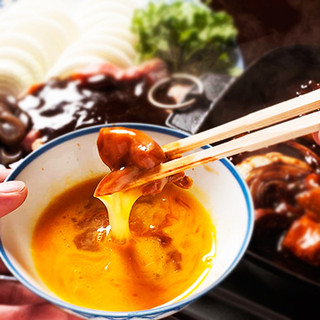
Chitosecho after dark is not postcard Hamamatsu. Around Shin-Hamamatsu Station, the compact, practical area is built for dinner decisions rather than sightseeing. That suits Torihama: a house-style restaurant whose appeal is the older Japanese habit of treating one ingredient category with unusual seriousness. In a city many travelers know for eel, gyoza, and its place between Tokyo and Nagoya, this chicken-and-nabe specialist shifts attention to sourcing, broth, heat, and the table’s social pace.
Japanese chicken cuisine runs from yakitori counters, where grill timing matters, to mizutaki houses, where collagen-rich stock does the work. Torihama sits on the sukiyaki and shabu-shabu side, where texture and aroma must carry without open-flame drama. Its listed categories are chicken dishes and nabe; its courses make the point: chicken sukiyaki, chicken shabu-shabu, a fuller chicken sukiyaki course, and pheasant shabu-shabu. The last matters. Pheasant sits outside everyday chicken vocabulary, moving the meal toward game-bird cookery, where sweetness, firmness, and broth discipline count more than garnish.
Chicken sukiyaki and pheasant shabu-shabu define the meal
The ingredient angle is the reason to pay attention. Sukiyaki and shabu-shabu expose sourcing differently. Sukiyaki asks meat to hold against seasoning and heat; shabu-shabu gives less cover, as slices meet hot liquid briefly and weak texture shows fast. In both, the table joins the cooking rhythm. This is not tasting-menu theater or yakitori speed, but slower, communal Japanese dining where the bird and pot handling decide the evening.
Torihama’s history gives the format weight without nostalgia. The opening date is listed as 1953, and the restaurant identifies tori sukiyaki as a dish passed down through generations. In Japan, longevity can be overused as shorthand for quality, but in ingredient-specific restaurants it means procurement habits, preparation routines, and guest expectations have had decades to settle into a stable style. The 2025 selection for Tabelog’s Chicken Cuisine 100 adds an external signal that Torihama is judged within a specialist category, not just as a comfortable local address.
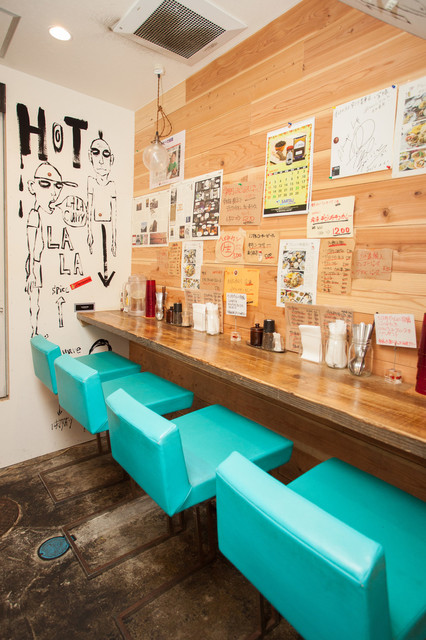
Hamamatsu’s dining identity often starts with unagi, and Unagi Ryori Atsumi sits in that conversation at a published JPY 5,000 to JPY 5,999 range. Torihama works in a different bracket and logic. Eel restaurants compress the decision around grilling, tare, rice, and lineage; chicken nabe houses ask whether the table wants sweetness, broth, or game-bird depth. LaLa Curry, another Hamamatsu comparison point, sits far below this price tier, showing the city’s spread: casual curry, eel as civic shorthand, and specialist rooms where dinner is planned, not improvised.
Private rooms make an old format feel unusually current
The room format changes how the meal reads. Torihama lists 45 seats and private rooms for small and mid-sized groups, including rooms for two, four, six, eight, and groups up to 10 to 20. For nabe and sukiyaki, that is not decorative. Privacy lets the pot set the tempo, keeps conversation at the table, and suits families and business dinners without forcing either into a counter format. Facilities include tatami rooms, spacious seating, and wheelchair access, broadening a category that can feel bound to old-room conventions.
The drinks frame is traditional but not narrow. Sake, shochu, and wine are listed, and BYO drinks appear among the services. The food grammar may be inherited, but the table can flex. Chicken sukiyaki takes sake or shochu naturally; pheasant shabu-shabu leaves room for wine, especially when texture and broth matter more than char. Take-out is listed, though the core remains the pot-and-room experience.
There are useful etiquette signals. Guests are asked to refrain from perfume so the aroma of the food and dining experience are not compromised. Common in serious sushi and kaiseki rooms, that request reads differently here: fragrance is part of the format, not just a luxury-restaurant rule. Non-smoking dining is listed, with a smoking area outside. Children are welcome, including babies, preschoolers, and school-age children, and strollers are accepted, with age details requested when reserving. This specialist restaurant has not narrowed itself to adult-only formality.
Where it fits in Hamamatsu's serious dining map
For travelers using Hamamatsu as more than a rail connection, Torihama complicates the city’s usual food shorthand. The area has strong everyday dining culture, and the wider region has enough specialist cooking to reward planning. In the local comparison set, Kohane and 焼き鳥幸羽(こはね) point toward grilled chicken culture, while Torihama’s course-led sukiyaki and shabu-shabu sit closer to a private-room meal built around shared heat. Rin is outside the metro context, so it is less useful for same-evening decisions, but it reinforces that chicken cuisine in Japan is not one genre.
Readers building a Hamamatsu itinerary should treat this as a group dinner with a defined format rather than a crawl. Broader restaurant planning can start with Our full Hamamatsu restaurants guide, while hotel logistics sit separately in Our full Hamamatsu hotels guide. Drinking, winery, and cultural planning belong in Our full Hamamatsu bars guide, Our full Hamamatsu wineries guide, and Our full Hamamatsu experiences guide.
For adjacent reading across Japan and beyond, compare how single-category restaurants express place through format: -Grilled beef Sukiyaki- KAMAKURA TANUKIAN 鎌倉 たぬき庵 in Kamakura approaches sukiyaki through beef rather than bird, while . 鮪と炭火焼き うお炭 秋葉原店 in Tokyo shows how charcoal and seafood drive another ingredient focus. The same editorial thread runs through Abondance, Binshan Li, Fukumitsu, Honkaku Teuchi Moriya Toukyou ten, and Kibori: a narrow format, handled well, can say more about a city than a menu trying to cover every expectation. Outside Japan, Jōdo Saké Bar in Los Angeles, Onigiri Time in Pasadena.cafe in Osaka.know in Kumamoto, (Shoku) Vietnam in Kawasaki, and [Curry Senmon Ten] Maruyama Kyoju. in Sapporo show how focused food cultures travel, adapt, or resist translation.
The editorial case for Torihama is precise: go for chicken and pheasant cookery treated as a full dinner subject, not a supporting category. In Hamamatsu, that makes it a counterweight to eel, casual station-area eating, and grill-led chicken rooms. The reward is a meal where the bird, pot, and room do the work.
At-a-Glance Comparison
Comparable venues by cuisine and price in the same metro.
| Venue | Cuisine | Price | Notes |
|---|---|---|---|
| TorihamaThis venue — the venue you are viewing | Traditional Japanese Chicken Specialty | $$ | Not listed |
| Sumiyaki Unagi Aoiya | Kansai-style Charcoal-Grilled Unagi | $$ | Chuo Ward (Iidamachi) |
| 焼き鳥幸羽(こはね) | Amagi Shamo Yakitori Omakase | $$$$ | Chiyoda Ward, near Shin-Hamamatsu Station |
| Kitanose | Upscale Japanese Kappo / Kaiseki | $$$ | Tamachi, Chuo Ward |
| Tenkin | Traditional Tempura & Tendon Counter | $$ | Tamachi, Chuo Ward |
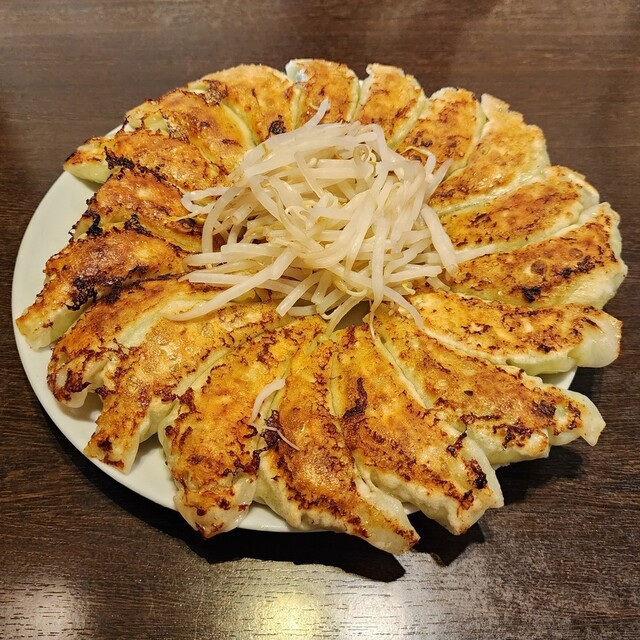
| Mutsugiku | Hamamatsu gyoza specialist | $ | Naka-ku |
Recognition history
Dated appearances from independent guides and award organizations, with the underlying list record or original source where available.
Tabelog 100 #74 · No. 74
Tabelog · Tabelog 100 - Chicken cuisine - 2025
Continue exploring
More in Hamamatsu
Restaurants in Hamamatsu
Browse all →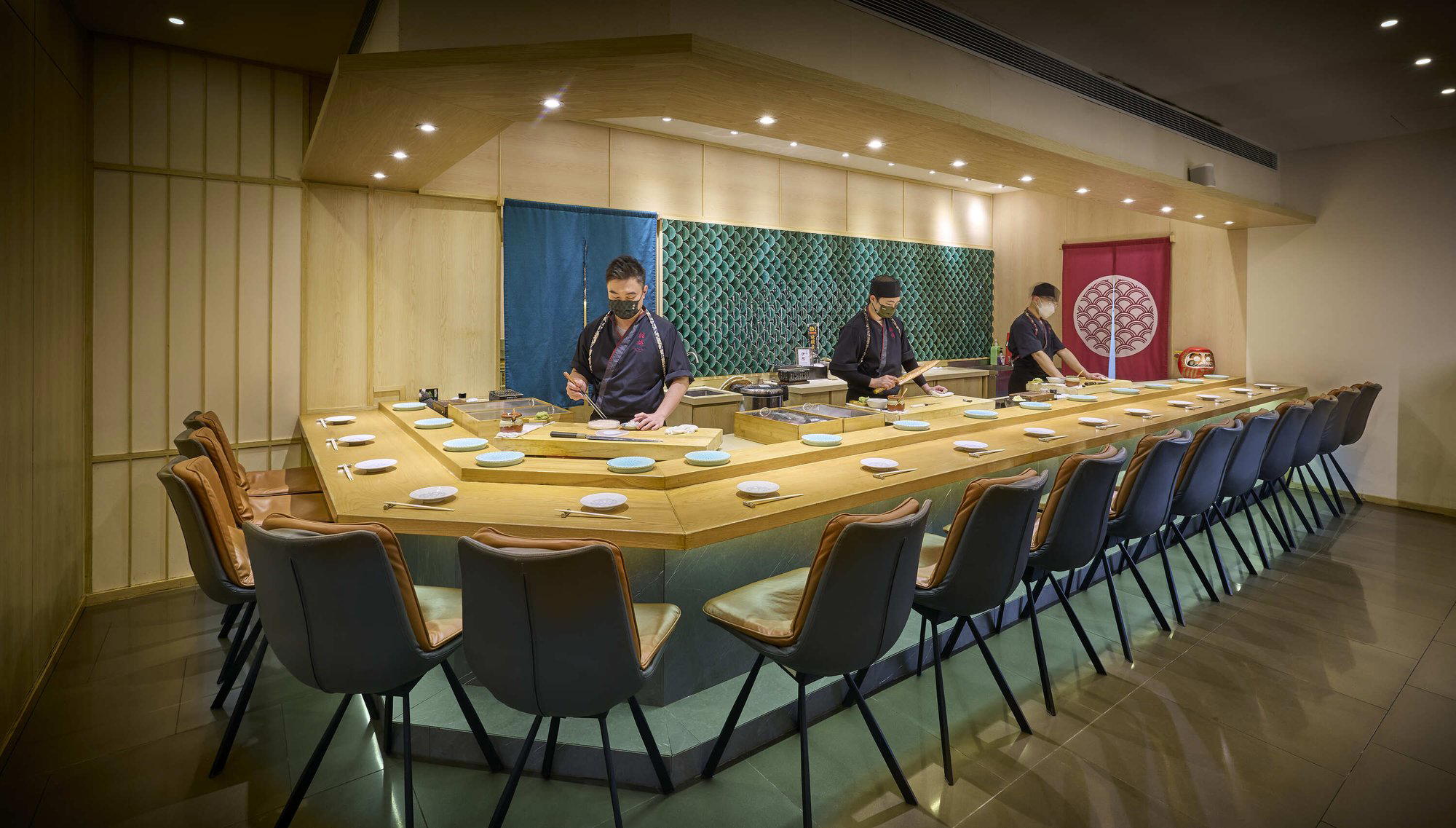

Hotels in Hamamatsu
Browse all →
At a Glance
- Classic
- Cozy
- Intimate
- Date Night
- Special Occasion
- Private Event
- Private Dining
- Standalone
- Historic Building
Traditional, private-room oriented atmosphere with a quiet, intimate feel focused on specialty chicken dishes.