
Honkaku Teuchi Moriya Toukyou ten brings hand-cut udon, tempura, and udon-suki into the commuter rhythm of Hamamatsucho, with Tabelog 100 Udon EAST recognition in 2024, 2022, and Tokyo selection in 2020. The appeal is not luxury staging; it is the discipline of a noodle house operating at a serious level while remaining in everyday Japanese dining territory.
Pearl is the En Primeur Club membership app — saves, bookings, and concierge access live there. Same editors, same standards.
- Address
- 東京都港区浜松町2-6-5 浜松町エクセレントビル ポンテせとうみ 2F
- Phone
- +81358437767
- Website
- moriya-tokyo.jp
- Directions
- Get directions
 Saves & bookings on Pearl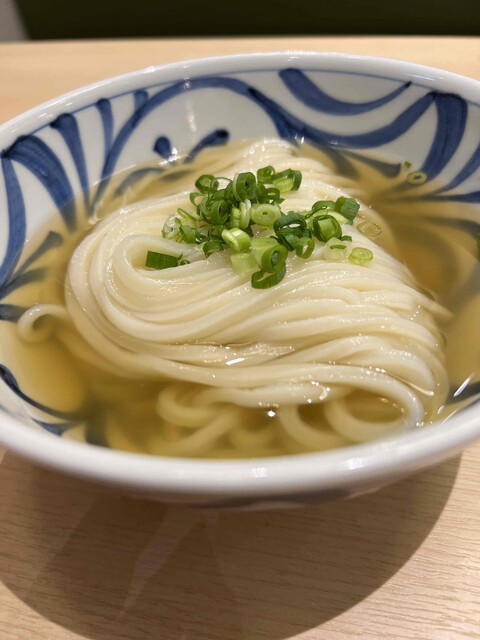
Approach this kind of Tokyo udon room expecting less ceremony than at a sushi counter and more precision than a casual noodle stop. The visual language is familiar: counter seats, tables, a compact second-floor address, and the practical tempo of Hamamatsucho, where office workers, travellers, and local regulars compress meals into narrow windows. That setting matters. Udon in Japan has always lived between craft and daily use, and the strongest shops protect both sides of that bargain.
Honkaku Teuchi Moriya Toukyou ten sits in that middle ground with unusual clarity. Its recognition on Tabelog 100 Udon EAST 2024, alongside earlier Tabelog 100 selections in 2022 and Tokyo 2020, places it in a vetted regional group rather than in the broad pool of station-area noodle counters. The category is specific, too: udon, tempura, and udon-suki. That tells the reader what kind of meal to expect without turning the room into a tasting-menu theatre.
Hand-cut udon in a city that often eats noodles at speed
Tokyo has several noodle cultures running in parallel. Ramen dominates international attention, soba carries an older Edo association, and udon often reads as the quieter cousin: wheat-based, flexible, and deeply regional. The Kagawa-style Sanuki vocabulary, with its emphasis on chew and clean structure, has shaped how many diners now judge udon in the capital. A serious hand-cut shop is not competing on spectacle; it is judged on dough handling, cooking control, broth balance, and whether tempura supports the bowl rather than distracts from it.
That is why the Tabelog 100 Udon EAST selection carries weight here. It is not a general restaurant accolade. It is a category signal in a country where noodle taxonomy matters and diners distinguish between quick refuelling, regional craft, and specialist technique. Within that framework, Honkaku Teuchi Moriya Toukyou ten reads as a disciplined specialist rather than a broad izakaya with udon attached.
The drinks note also points to a more adult noodle-house register than the lunch-only image many visitors associate with udon. Sake and shochu sit naturally beside tempura and udon-suki, especially at dinner, when the meal can stretch beyond a single bowl. Udon-suki, the hot-pot form associated with Kansai dining, adds another cultural layer: wheat noodles are not just a vehicle for broth but part of a shared table format, closer to seasonal comfort than counter-service efficiency.
Hamamatsucho gives the room its rhythm
Hamamatsucho is not a neighbourhood that asks restaurants to perform for tourists. Its appeal is logistical and local: rail connections, offices, hotels, and the movement between central Tokyo and the waterfront. In that environment, strong everyday food has to justify itself quickly. A noodle shop can succeed on convenience for a while, but repeated Tabelog 100 recognition usually suggests a more demanding audience than foot traffic alone.
The room’s mix of counter and table seating fits that urban pattern. Counter dining suits solo meals and short workday intervals; tables make space for small groups and family use. The absence of private rooms keeps the format legible. This is not a hushed destination dining room, and that is part of the point. Japanese noodle craft often works at its sharpest when the setting remains modest enough for repeat use.
Compared with heavier nearby dining categories, the value proposition is leaner and more focused. Yakiniku Kunimoto Honten in Hamamatsu occupies a far higher spend bracket, while Tonkatsu Iwai sits in a different fried-cutlet lane. Jikasei Sanuki Udon to Niku Jinza Daimon ten points toward the lower-priced end of udon’s everyday spectrum. Honkaku Teuchi Moriya Toukyou ten belongs to the specialist noodle tier: accessible in form, but credentialed enough to reward diners who care about texture, broth, and category detail.
How to read the choice
The smart way to approach the meal is through category, not occasion. Choose it when udon is the point of the stop, not a fallback between appointments. Tempura broadens the order, udon-suki changes the pace for groups, and the sake-and-shochu angle makes dinner feel less like a commuter compromise. For visitors building a Tokyo food itinerary, this is the counterweight to high-price omakase logic: a meal where craft is present, but the grammar remains everyday.
Its Tabelog score of 3.70 reinforces the same reading. In Japan’s restaurant culture, especially on user-driven platforms, that level within a specialist category is meaningful without needing grand language. The stronger signal is the repetition of selection across multiple years, because category lists have to survive changing diner attention and a crowded field of noodle houses.
For broader planning around the city page, place this stop beside Abondance, Binshan Li, Fukumitsu, Kibori, and Kitanose as part of a wider reading of regional Japanese dining styles. The city-level rails are useful too: Our full Hamamatsu restaurants guide, Our full Hamamatsu hotels guide, Our full Hamamatsu bars guide, Our full Hamamatsu wineries guide, and Our full Hamamatsu experiences guide help separate noodle stops from longer dining commitments.
鮪と炭火焼き うお炭 秋葉原店 in Tokyo.cafe in Osaka.know in Kumamoto, (Shoku) Vietnam in Kawasaki, [Curry Senmon Ten] Maruyama Kyoju. in Sapporo, Jōdo Saké Bar in Los Angeles, and Onigiri Time in Pasadena.
Budget Reality Check
Nearby venues at a similar price tier for orientation.
| Venue | Cuisine | Price | Notes |
|---|---|---|---|
| Honkaku Teuchi Moriya Toukyou ten | Hamamatsucho, Traditional Sanuki Udon | $$ | Not listed |
| Sumiyaki Unagi Aoiya | Not listed | $$ | Chuo Ward (Iidamachi), Kansai-style Charcoal-Grilled Unagi |
| Yakiniku Kunimoto Honten | Not listed | $$$ | Hamamatsucho / Shimbashi area, Traditional Wagyu Yakiniku |
| Kiyo | Not listed | $ | Naka Ward (Kamoe), Traditional Hamamatsu gyoza & horumon |
| Sumiyaki Unagi Kamo | Not listed | $$ | Hamana Ward, Traditional Kansai-style unagi (eel) restaurant |
| Tenkin | Not listed | $$ | Tamachi, Chuo Ward, Traditional Tempura & Tendon Counter |
Recognition history
Dated appearances from independent guides and award organizations, with the underlying list record or original source where available.
Tabelog 100 #35 · No. 35
Tabelog · Tabelog 100 - Udon - EAST - 2024
Continue exploring
More in Hamamatsu
Restaurants in Hamamatsu
Browse all →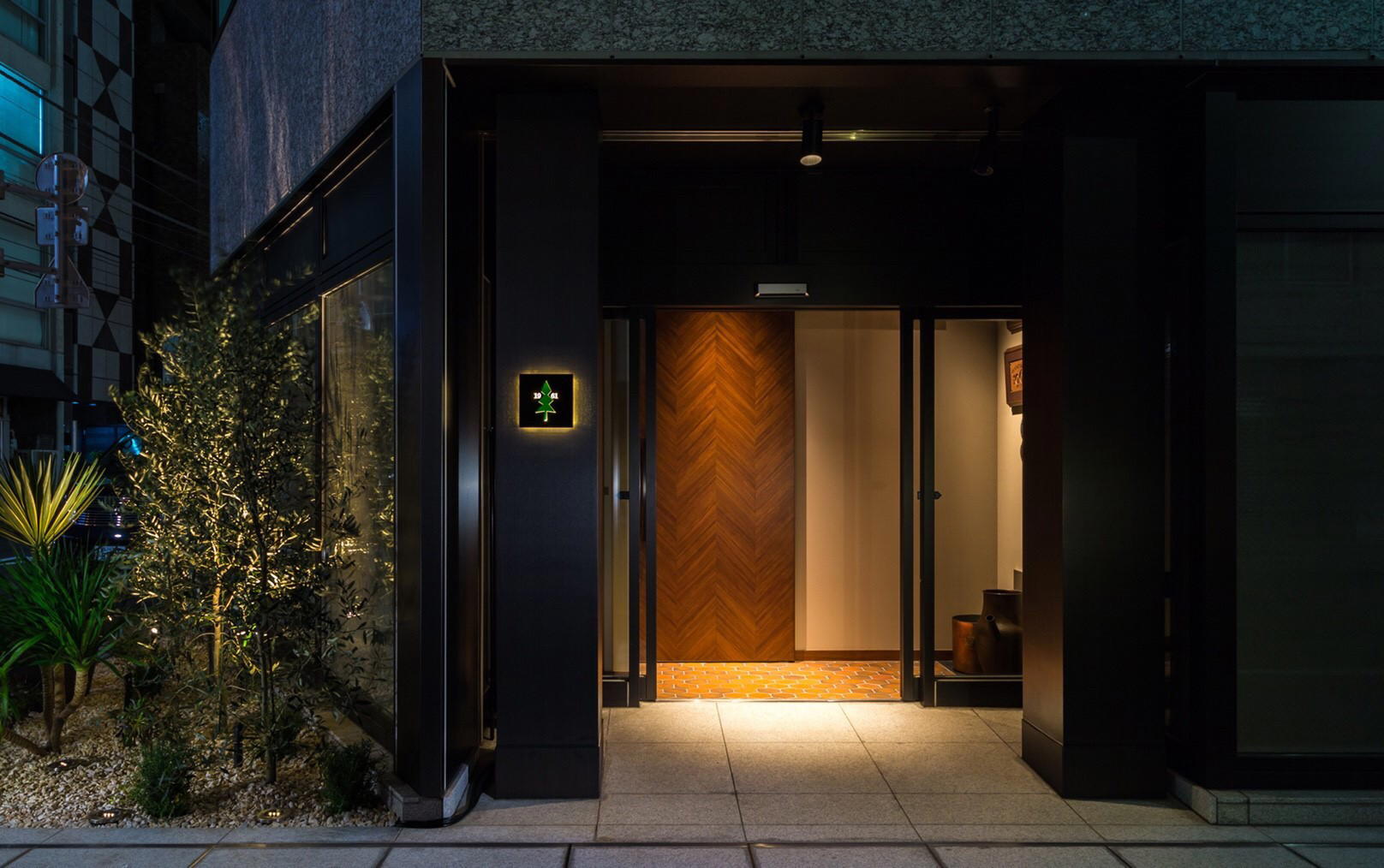


Bars in Hamamatsu
Browse all →







At a Glance
- Classic
- Cozy
- Well Known
- Solo
- Family
- Casual Hangout
- Standalone
- Beer Program
- Sake Program
A direct, traditional udon shop atmosphere focused on casual meal service rather than fine-dining theatrics.