
Xin Cuo brings Chao Zhou cooking to Tianhe, Guangzhou's commercial core, with back-to-back Michelin Plate recognition in 2024 and 2025 confirming its place among the city's more serious Teochew addresses. The menu follows the discipline of a cuisine built on restraint: clean broths, precise marination, and seafood handled with minimal intervention. At the ¥¥¥ tier, it occupies the middle ground between casual Teochew canteens and Guangzhou's white-tablecloth Chao Zhou rooms.
Pearl is the En Primeur Club membership app — saves, bookings, and concierge access live there. Same editors, same standards.
- Address
- China, 层CN 广东省 广州市 天河区 1 2M 邮政编码: 510623
- Phone
- +86 138 0296 6008
- Directions
- Get directions
 Saves & bookings on Pearl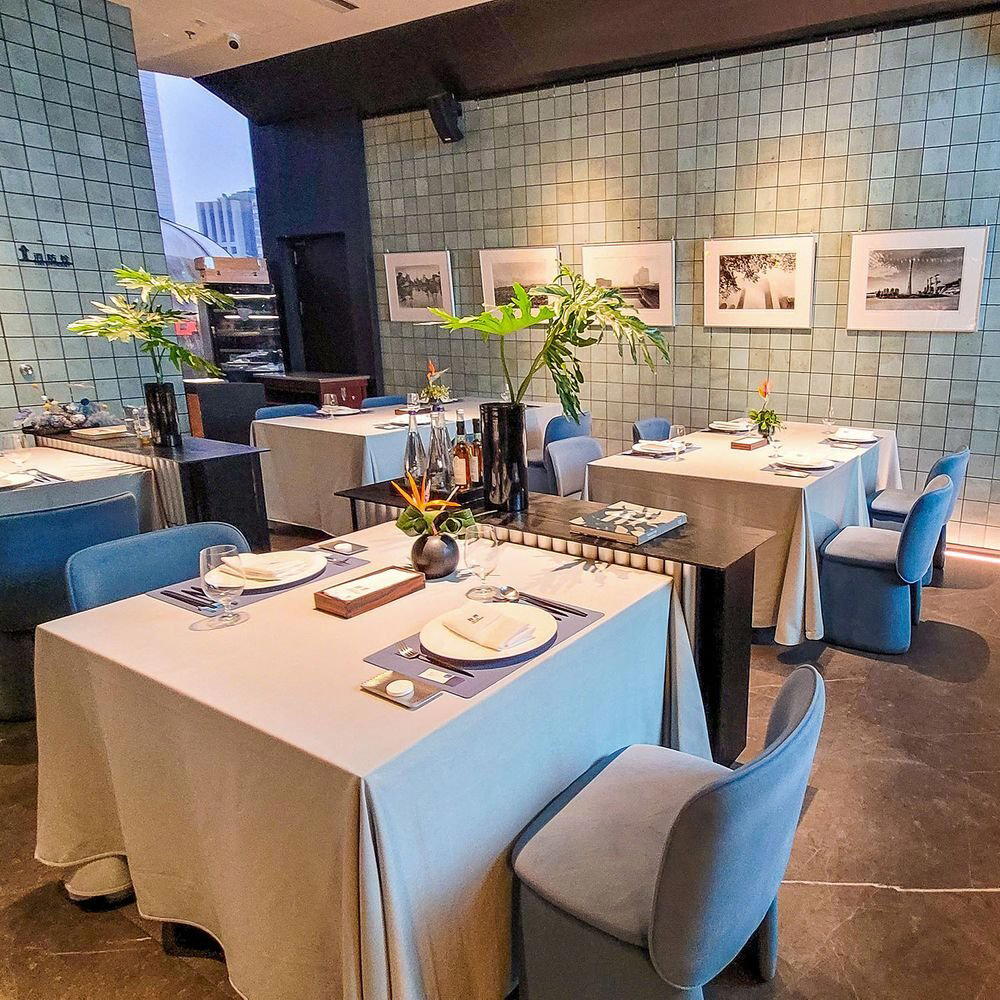
Teochew Cooking in Guangzhou's Commercial Centre
Guangzhou has always had a complicated relationship with Chao Zhou cuisine. The city is Cantonese first, and the Teochew culinary tradition, sharper, leaner, more reliant on cold preparations and long-braised proteins, exists as a distinct register inside a broader dining culture that could easily overshadow it. Yet the appetite for serious Teochew cooking in Guangzhou is real, and the competition for that audience has produced a tier of restaurants that take the cuisine's technical demands seriously. Xin Cuo is a Chaozhou Fine Dining restaurant in Guangzhou's Tianhe District, priced at ¥¥¥. Michelin awarded it a Plate in both 2024 and 2025.
Tianhe is Guangzhou's commercial and financial spine, a district of office towers, shopping malls, and the kind of transit density that makes a restaurant easy to reach but difficult to distinguish in. Within that context, a Teochew specialist sits in a niche. The dominant dining registers in Tianhe lean toward Cantonese dim sum and international formats. A kitchen committed to the slower rhythms of Chao Zhou cooking, cold crab, braised goose, steamed fish with minimal seasoning, operates against the grain of the neighbourhood's faster pace, which in practice means it draws an audience that arrives with some intention rather than impulse.
What the Menu Architecture Reveals
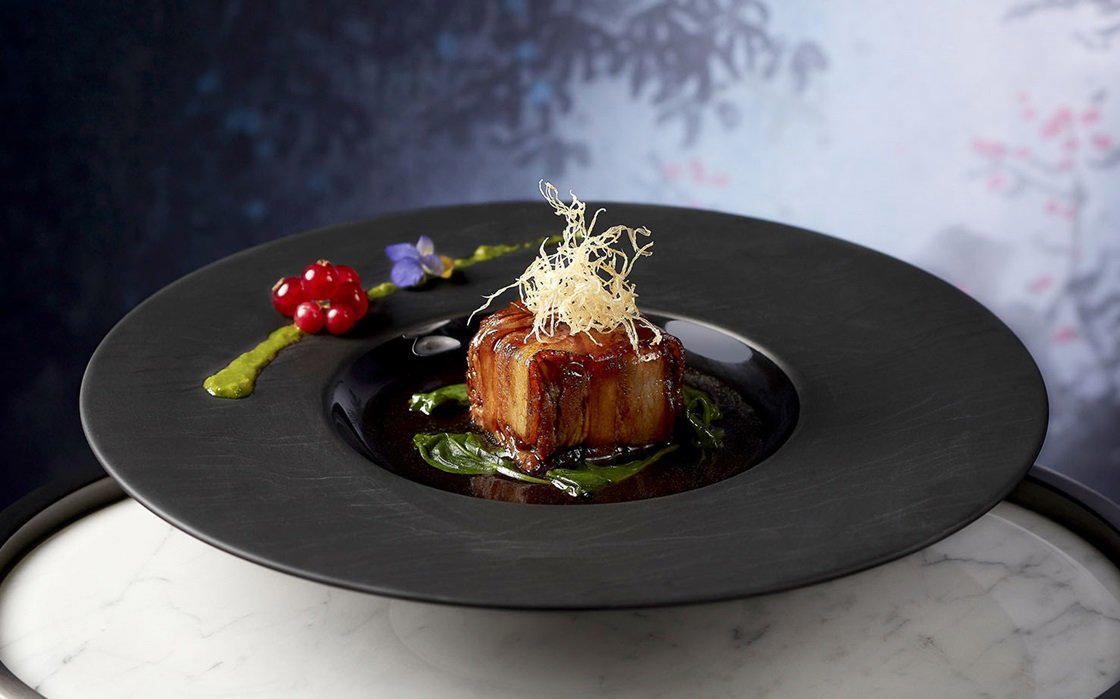
Chao Zhou cuisine is, at its core, a cuisine of subtraction. Where Cantonese cooking embraces the wok's high-heat volatility, Teochew technique favours time over flame: low braises that run for hours, cold marinades that allow proteins to absorb seasoning gradually, clear soups that read as simple but require disciplined stock work. A Teochew menu's architecture tends to reveal this immediately. The cold section carries weight disproportionate to its temperature, it is where a kitchen demonstrates control, because there is nowhere for imprecision to hide. Braised goose (lo ack) appears as a centrepiece across serious Teochew rooms in Guangzhou and further afield, and how a kitchen handles the balance between the master brine's depth and the meat's texture is a reliable indicator of overall discipline.
The seafood section follows a similar logic. Teochew cooking has deep roots in coastal Chaoshan, and the cuisine's relationship with fish and shellfish is not about transformation but about clarity. Steamed preparations dominate, with condiments kept to a minimum so that the quality of the ingredient determines the outcome. At a Michelin Plate-recognised kitchen in the ¥¥¥ bracket, the sourcing decisions behind that section matter as much as the cooking itself.
Compared to Imperial Treasure Fine Teochew Cuisine in Guangzhou, which operates under a multinational group structure and brings a polished service format to the same cuisine, Xin Cuo represents a different kind of address. Both carry Michelin recognition and both sit at the ¥¥¥ price tier, but the contexts differ. Imperial Treasure's group pedigree implies a certain consistency of scale and formality. A standalone Teochew address in Tianhe implies a different set of operating priorities, often a sharper focus on the kitchen itself and less infrastructure around it. Neither model is superior by definition, but they draw different kinds of visitors.
Where Xin Cuo Sits in the Guangzhou Teochew Scene
Guangzhou's Teochew dining scene has spread geographically across the city rather than concentrating in a single district. Addresses like Hai Men Yu Zi Dian (Yanling Road) and Hui Cheng (Dunhe Road) represent different approaches to Teochew food within the city, from seafood-focused canteens to more formal dining rooms. The restaurant occupies the Michelin-recognised tier of this spectrum, where the 2025 and 2024 Plate designations place it in recognisable company without elevating it to the starred tier above.
Across China, the Teochew tradition has found platforms in a number of cities beyond its Guangdong home base. Chao Shang Chao in Beijing and Fleurs Et Festin in Xiamen each carry the cuisine into different regional contexts. In Guangzhou, the tradition is closer to its source, and the expectation of a local audience that knows the cuisine well creates a different standard of accountability. A room full of diners who grew up with lo ack and oyster omelettes will notice precision in a way that a more general audience might not.
The broader Guangzhou dining scene, across cuisine types, includes addresses at the upper end of the price spectrum. Suyab Courtyard · Pickmoon Gourmet and Dai Yong Town represent different culinary registers within the city's competitive field. At the ¥¥¥ tier, the restaurant competes for a meal occasion that a Guangzhou diner might also direct toward serious Cantonese or regional Chinese rooms, which makes the decision to focus on Teochew cooking a clear positioning choice rather than a compromise.
For visitors building a wider itinerary around Chinese regional cuisines, Teochew cooking is a distinct stop. Xin Rong Ji in Beijing, Ru Yuan in Hangzhou, Xin Rong Ji in Chengdu, and Chef Tam's Seasons in Macau all demonstrate how Chinese fine dining traditions travel across cities. 102 House in Shanghai and Dai Yuet Heen in Nanjing extend that picture further. Encountering Teochew food in Guangzhou, close to the cuisine's geographic origin, is a different calibration than encountering it transplanted to a northern or eastern city context.
A Note on the Rating and What It Implies
The Michelin Plate recognitions for two consecutive years (2024, 2025) provide a quality signal. The Michelin Plate designation does not carry the star system's weight, but it does indicate that inspectors found the kitchen producing food worth noting at the point of their visits. For a Teochew specialist in a district not traditionally associated with destination dining, that recognition has positioning value.
Know Before You Go
- Cuisine: Chao Zhou (Teochew)
- Price tier: ¥¥¥
- Location: Tianhe District, Guangzhou, Guangdong
- Awards: Michelin Plate 2024; Michelin Plate 2025 4 (10 reviews)
- Booking: Reservations recommended
- Hours: Not confirmed, verify before visiting
For a broader view of eating and drinking in the city, see our full Guangzhou restaurants guide, our Guangzhou bars guide, our Guangzhou hotels guide, our Guangzhou experiences guide, and our Guangzhou wineries guide.
Standing Among Peers
Comparable venues nearby, for context on price, style, and recognition.
| Venue | Cuisine | Price | Awards | Notes |
|---|---|---|---|---|
| Xin CuoThis venue — the venue you are viewing | Chaozhou Fine Dining | $$$ | Michelin Plate | Not listed |
| Tao Gie Mie Zhou | Authentic Chaozhou | $$$ | Michelin Plate | Guangzhoushi |
| Delightful House | Refined Cantonese Dim Sum and Classics | $$$ | Michelin Plate | Guangzhoushi |
| Flavors of China | Provincial Chinese with Huaiyang and Sichuan Specialties | $$$ | Michelin Plate | Guangzhoushi |
| Ersha No.1 | Modern Cantonese with Lingnan flair | $$$ | Michelin Plate | Guangzhoushi |
| Gu Yuan | Plant-Based Chinese Tasting Menu | $$$ | Michelin Plate | Guangzhoushi |
Recognition history
Dated appearances from independent guides and award organizations, with the underlying list record or original source where available.
Michelin Plate
Michelin
Michelin Plate
Michelin
Continue exploring
More in Guangzhou
Restaurants in Guangzhou
Browse all →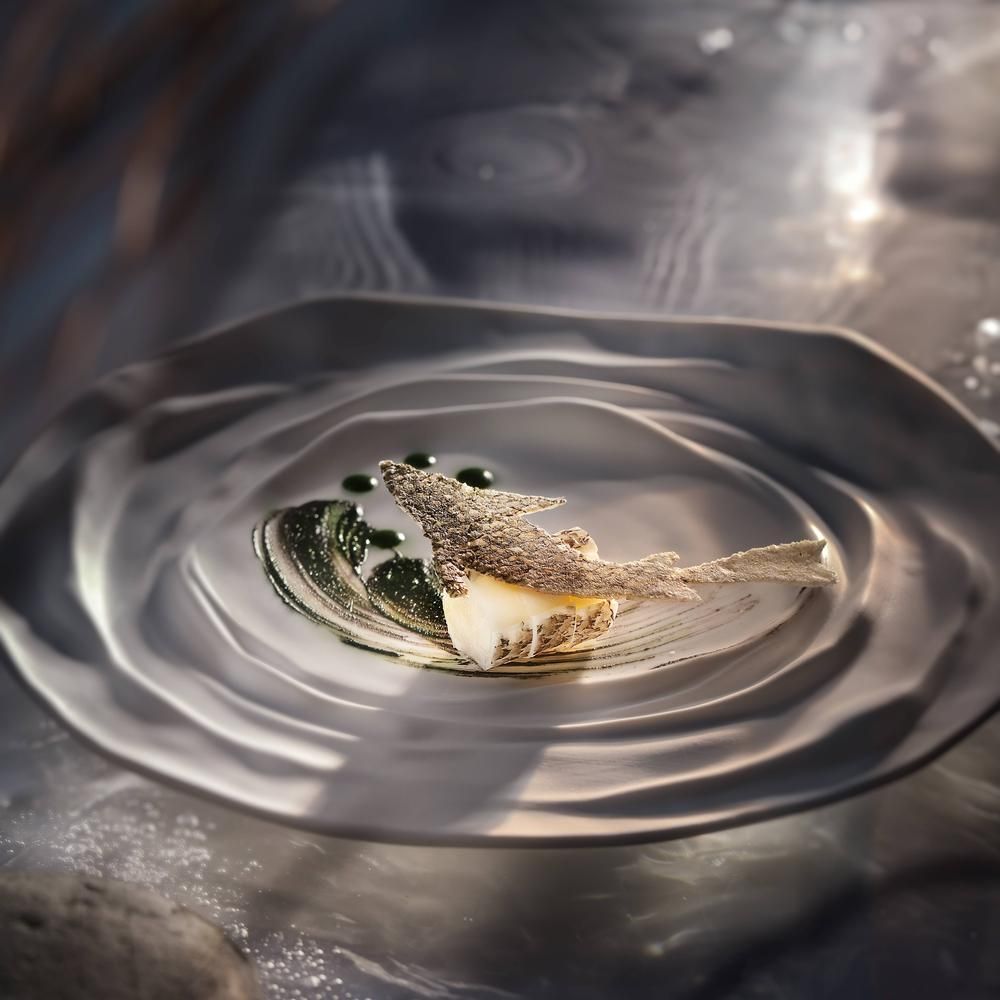
Bars in Guangzhou
Browse all →
At a Glance
- Elegant
- Modern
- Special Occasion
- Group Dining
- Terrace
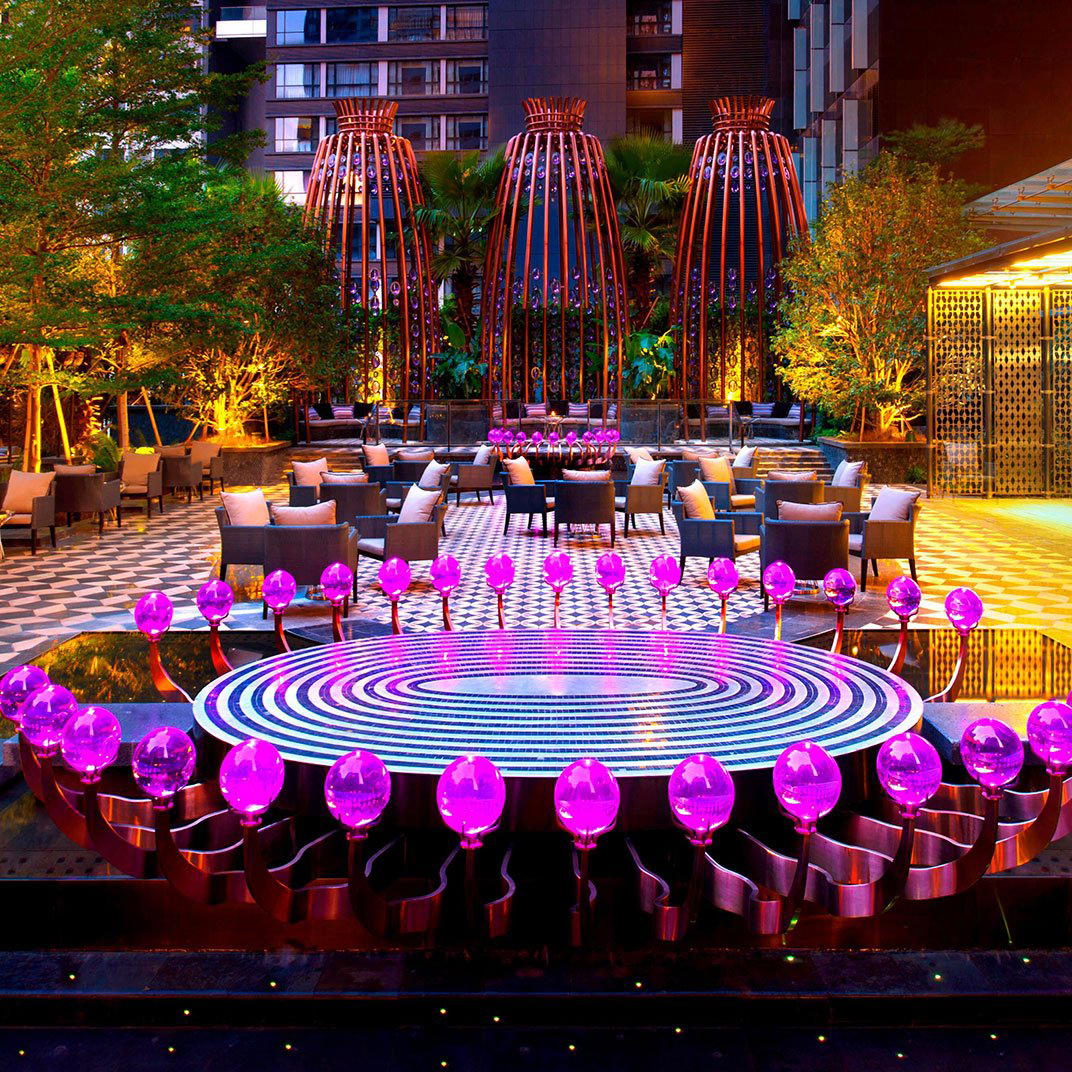
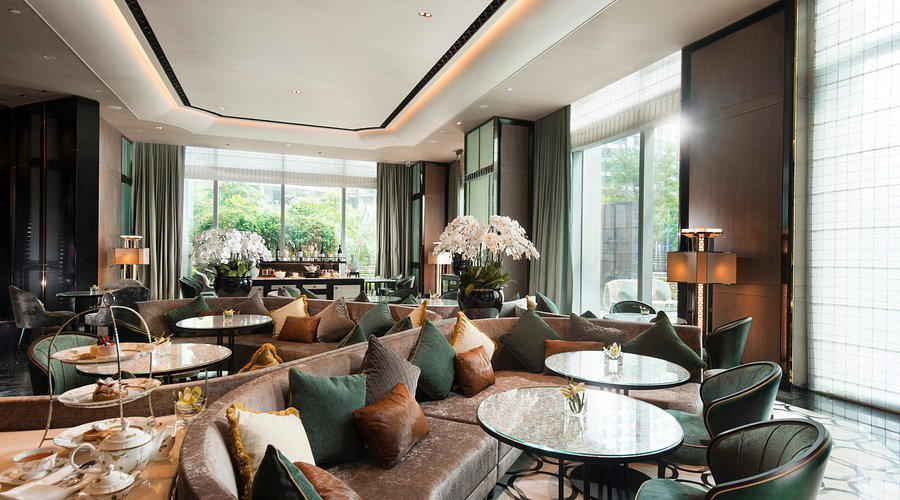
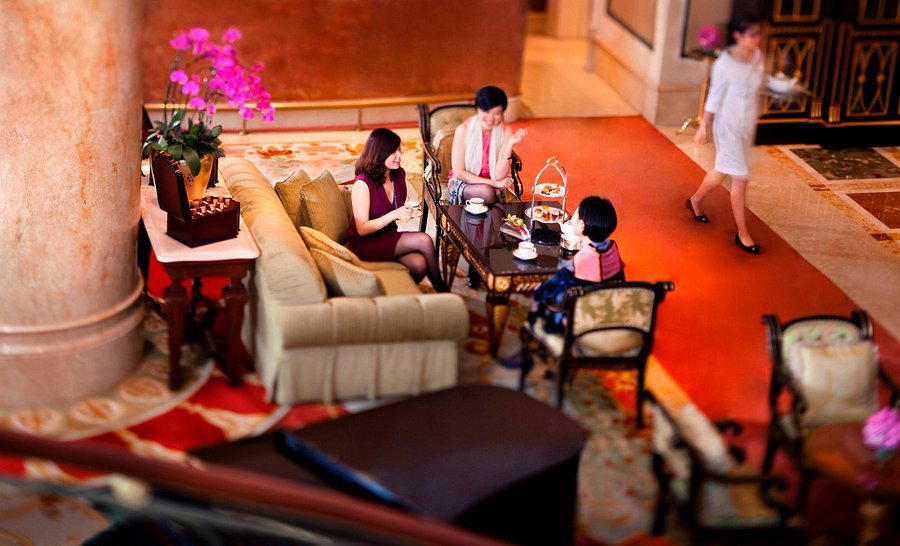
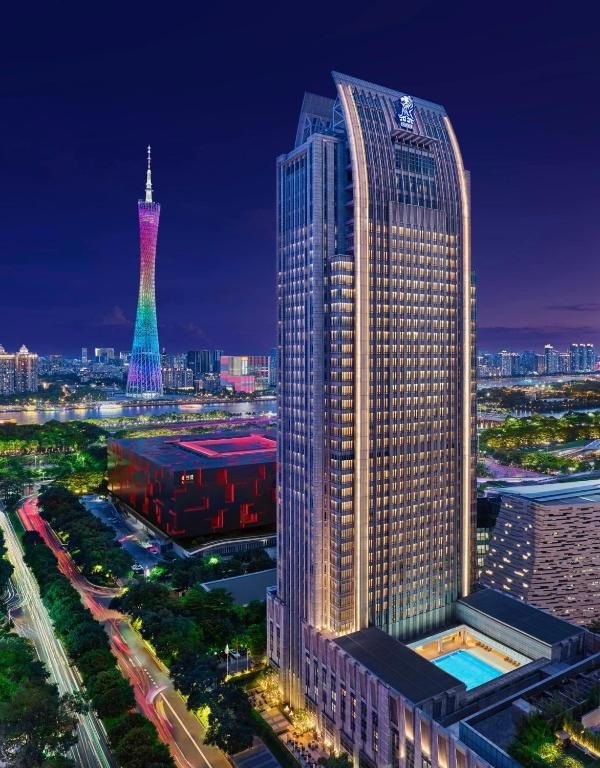
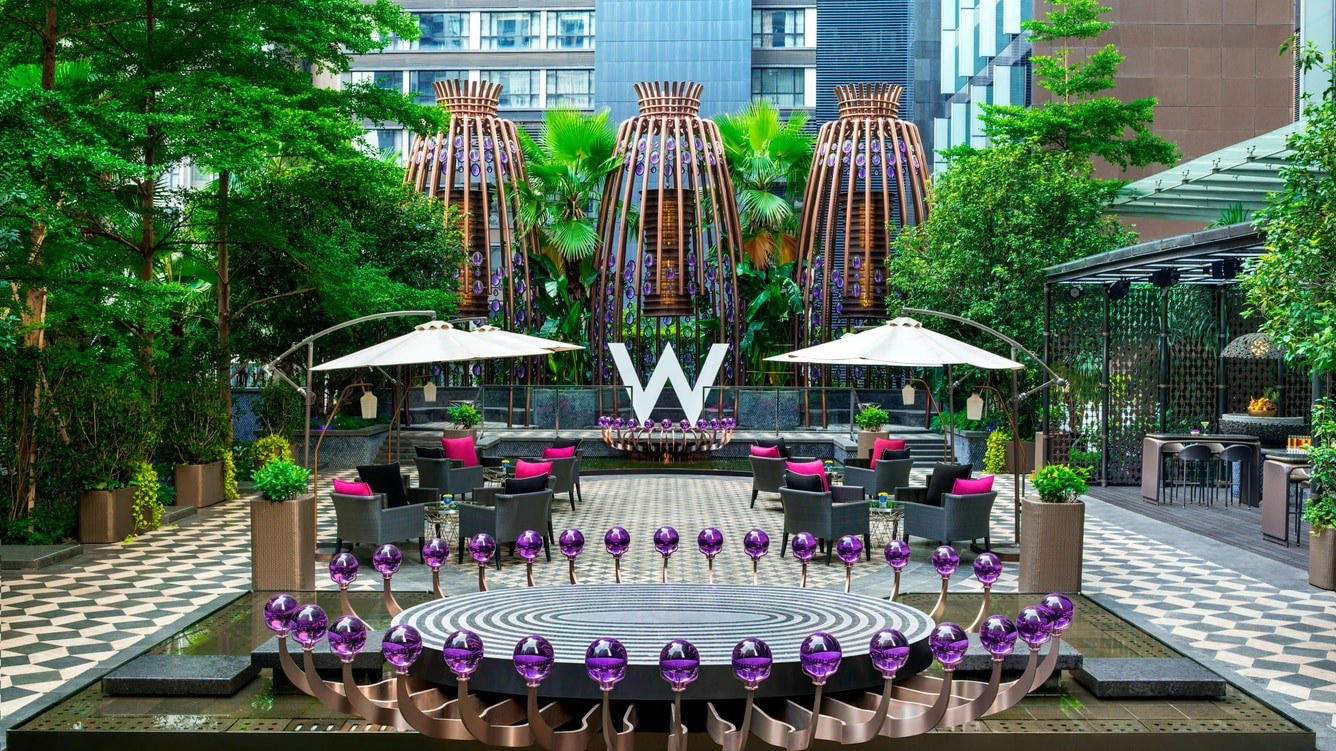
Simple, elegant room with a terrace ideal for alfresco dining.