
Hui Cheng on Dunhe Road is among Guangzhou's most consistently recognised Chao Zhou restaurants in its price tier, earning consecutive Michelin Bib Gourmand awards in 2024 and 2025. Priced at ¥¥, it sits well below the ¥¥¥ bracket occupied by peers such as Imperial Treasure Fine Teochew Cuisine, making it the practical reference point for Teochew cooking without the formal-dining price commitment.
Pearl is the En Primeur Club membership app — saves, bookings, and concierge access live there. Same editors, same standards.
- Address
- China, CN 广东省 广州市 天河区 花城大道 16 16号凯蓝大厦 邮政编码: 510600
- Phone
- +86 20 3726 6163
- Directions
- Get directions
 Saves & bookings on Pearl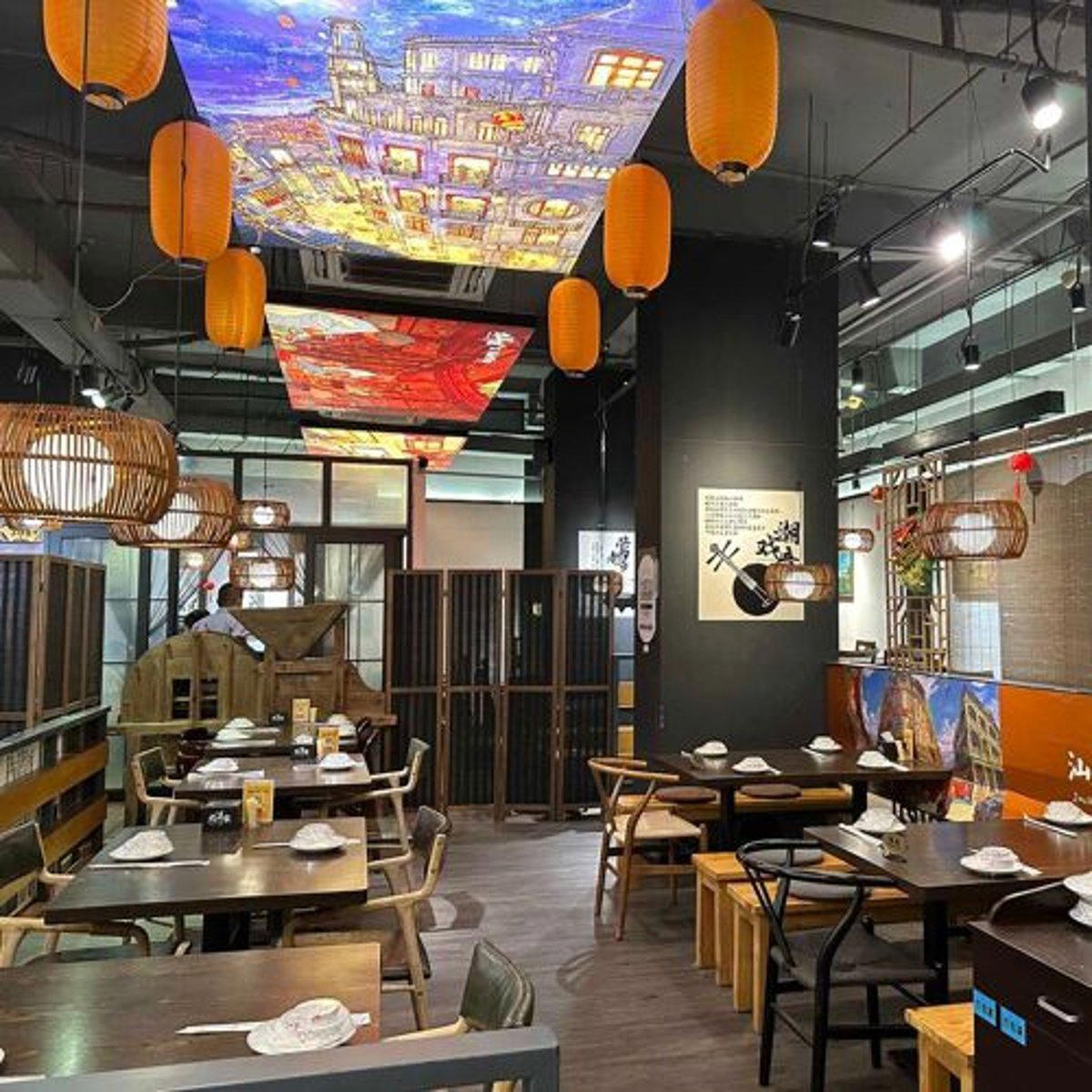
Teochew Cooking in Guangzhou: Where the Category Sits Now
Chao Zhou cuisine, often rendered in Mandarin as Teochew, occupies a particular position in China's restaurant hierarchy. It is among the few regional Han Chinese traditions that commands serious critical attention outside its home prefecture, partly because of the Teochew diaspora's influence across Southeast Asia, and partly because the cooking's emphasis on clarity, clean broth, and precise knife work reads legibly to diners trained on French or Japanese fine dining. In Guangzhou, the tradition is well-represented but internally tiered. At the leading end, Imperial Treasure Fine Teochew Cuisine operates at the ¥¥¥ price point with a Michelin star, placing it in the category of occasion dining. Below that sits a smaller cohort of recognised Chao Zhou addresses that price closer to everyday spend while still carrying critical credentials. Hui Cheng on Dunhe Road operates in that lower tier, and two consecutive Michelin Bib Gourmand recognitions, 2024 and 2025, confirm it as one of the more reliable options at the ¥¥ level in Tianhe District.
The Neighbourhood and the Address
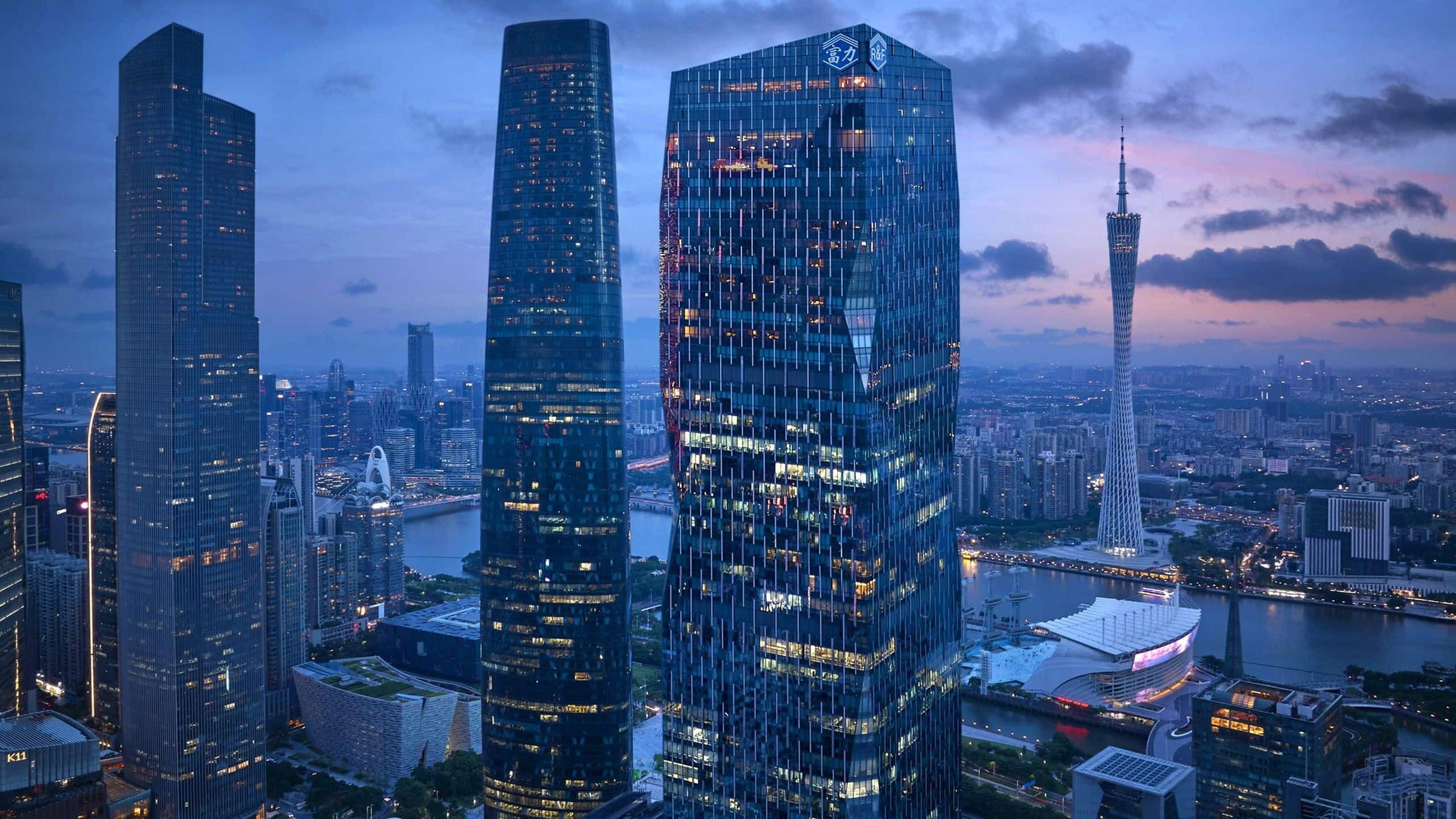
Dunhe Road runs through Tianhe, the commercial spine of modern Guangzhou. The area is defined by corporate towers, Zhujiang New Town adjacency, and the kind of lunch and dinner traffic that sustains mid-range restaurants year-round without depending on tourist cycles. Kaiyan Tower, where Hui Cheng is located on Huacheng Avenue 16, sits inside this working district rather than in a heritage precinct or food-destination street. That placement matters editorially: restaurants in Tianhe's office corridors tend to compete on value and consistency rather than atmosphere or novelty. Hui Cheng has held Michelin Bib Gourmand status across two consecutive years in this context, suggesting repeatable execution.
For visitors orienting by district, Tianhe is well-served by Guangzhou Metro, and the Huacheng Avenue corridor is walkable from several Pearl River New City stations. Dining in this part of the city runs on office-district rhythms, earlier, busier at lunch, and less oriented toward late-evening service than Yuexiu or Haizhu. Plan accordingly, particularly if arriving without a reservation.
How the Bib Gourmand Changes the Conversation
Michelin's Bib Gourmand category flags good cooking at prices below the full-star tier, and in Chinese cities it has become an important signal because the gap between ¥¥ and ¥¥¥¥ restaurants can be enormous in both cost and formality. For Chao Zhou cooking specifically, that gap is meaningful. The tradition's foundational dishes, braised goose, cold crab, fish balls, oyster omelette, congee with preserved vegetables, are not inherently expensive to produce, and the cuisine's most persuasive versions are often found at the mid-market level rather than in the white-tablecloth room. Michelin's repeated recognition of Hui Cheng at ¥¥ is an editorial argument that the kitchen's execution clears the bar where it matters: ingredient sourcing, technique discipline, and dish consistency across service periods.
For comparison, Teochew specialists operating at the starred level in other Chinese cities, such as Xin Rong Ji on Xinyuan South Road in Beijing or Xin Rong Ji in Chengdu, operate at considerably higher price points and with a different expectation of ceremony. Hui Cheng's position in the Guangzhou market is closer to the Bib Gourmand Teochew addresses you find discussed alongside Chao Shang Chao in Beijing's Chaoyang or Fleurs Et Festin in Xiamen, kitchens where regional authenticity and value alignment are the criteria, not tableside theatre.
Evolution and Consistency: What Two Years of Bib Recognition Signals
At Hui Cheng, the more interesting story is not reinvention but durability. In Guangzhou's restaurant market, which is competitive to the point of producing significant annual churn, holding Bib Gourmand status in back-to-back years represents a form of stability that is harder to achieve than a single year's recognition. The award's retention means the kitchen has not slipped between cycles. In a city where newer openings in adjacent cuisines attract consistent press attention, Chao Zhou specialists like Hui Cheng hold their ground through kitchen consistency rather than concept novelty.
That consistency also positions Hui Cheng within Guangzhou's broader argument about Cantonese and Teochew cooking's relationship. The city has long treated Chao Zhou cuisine as a respected neighbour rather than a subordinate style, and the presence of multiple Bib and starred Chao Zhou addresses in the Michelin guide reinforces that. Elsewhere in the guide's Greater Bay Area coverage, you find similar dynamics: Chef Tam's Seasons in Macau and Dai Yuet Heen in Nanjing both operate in the zone where Cantonese-adjacent traditions are tested against fine-dining expectations. Hui Cheng, operating at ¥¥, is solving a different and more democratic version of that problem.
Where Hui Cheng Sits Against the Guangzhou Field
The Guangzhou dining market spans an unusually wide range of formats and price points. At the higher end, Michelin-starred Cantonese addresses set the critical benchmark. At the entry level, the city's street-food and congee-shop culture is among China's strongest. The ¥¥ tier is where particularly interesting calibration happens: enough spend to expect consistent technique, not enough to justify ceremony. In this band, recognised addresses include restaurants as varied in concept as Hai Men Yu Zi Dian on Yanling Road and Stay Here, both of which occupy distinct culinary positions but share the same tier signal.
Within that band, Chao Zhou specialists are a smaller subset. A diner choosing between Hui Cheng and Imperial Treasure is not simply choosing between price points, they are choosing between everyday Teochew eating and a more structured occasion format. Google's 4.4-star average for Hui Cheng, across 12 reviews at time of writing, is a limited sample, but it tracks with Bib-level satisfaction: consistently good, not polarising. That pattern is characteristic of restaurants where the cooking is the point and the room is not designed to produce memorable narrative.
For Teochew cooking in other formats and cities, Ru Yuan in Hangzhou and 102 House in Shanghai offer reference points across different price registers.
Planning a Visit
Hui Cheng sits at Kaiyan Tower, Huacheng Avenue 16, Tianhe District, Guangzhou, accessible by metro and well within the commercial centre of the city. The ¥¥ price point means a full meal for two is expected to land at a fraction of what the starred Teochew addresses charge. Reservations are recommended. Tianhe operates on office-district rhythms, so midweek lunch visits tend to run at higher pressure than weekend evenings. The Bib Gourmand signal makes this a sensible choice for a Guangzhou meal without formal-dining spend.
Just the Basics
Comparable venues nearby, for context on price, style, and recognition.
| Venue | Cuisine | Price | Notes |
|---|---|---|---|
| Hui Cheng (Dunhe Road)This venue — the venue you are viewing | Guangzhoushi, Chaoshan Seafood | $$$ | Not listed |
| Four Seasons Pavilion · Rùn | Not listed | $$$ | Guangzhoushi, Chinese Contemporary with Peking Duck |
| Hunan Cuisine | Guangzhoushi, Hunanese | $$ | Not listed |
| Guo Fan Jia Yan | Guangzhoushi, Authentic Hunanese Cuisine | $$$ | Not listed |
| Enning Liu Fu Ji (Donghua East Road) | Not listed | $$ | Guangzhoushi, Traditional Cantonese Noodles |
| He Yuan (Tianhe) | Not listed | $$$ | Guangzhoushi, Premium Cantonese with Abalone Specialization |
Recognition history
Dated appearances from independent guides and award organizations, with the underlying list record or original source where available.
Michelin Bib Gourmand
Michelin
Michelin Bib Gourmand
Michelin
Continue exploring
More in Guangzhou
Restaurants in Guangzhou
Browse all →
Bars in Guangzhou
Browse all →
At a Glance
- Elegant
- Intimate
- Sophisticated
- Business Dinner
- Special Occasion
- Private Dining
- Extensive Wine List
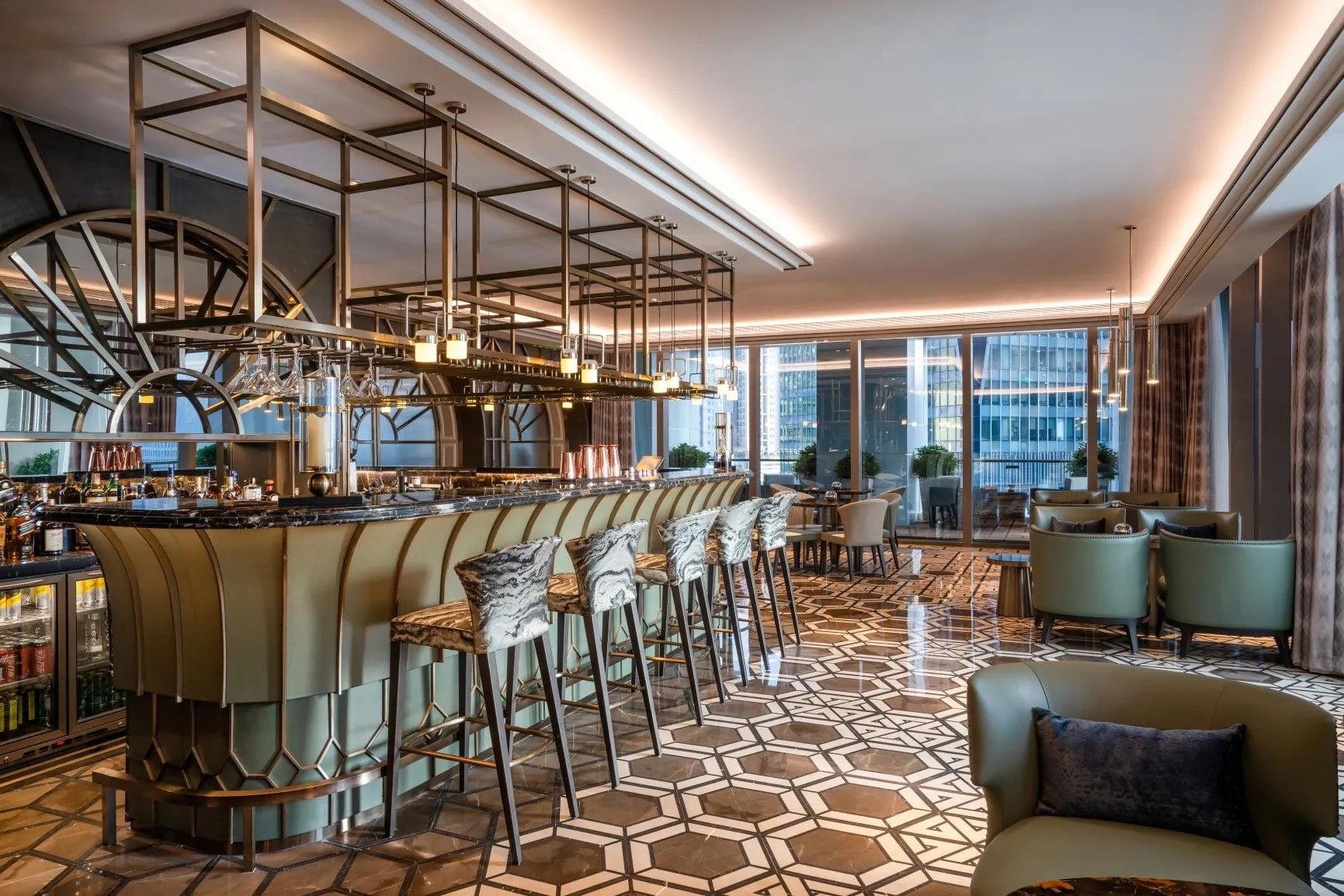
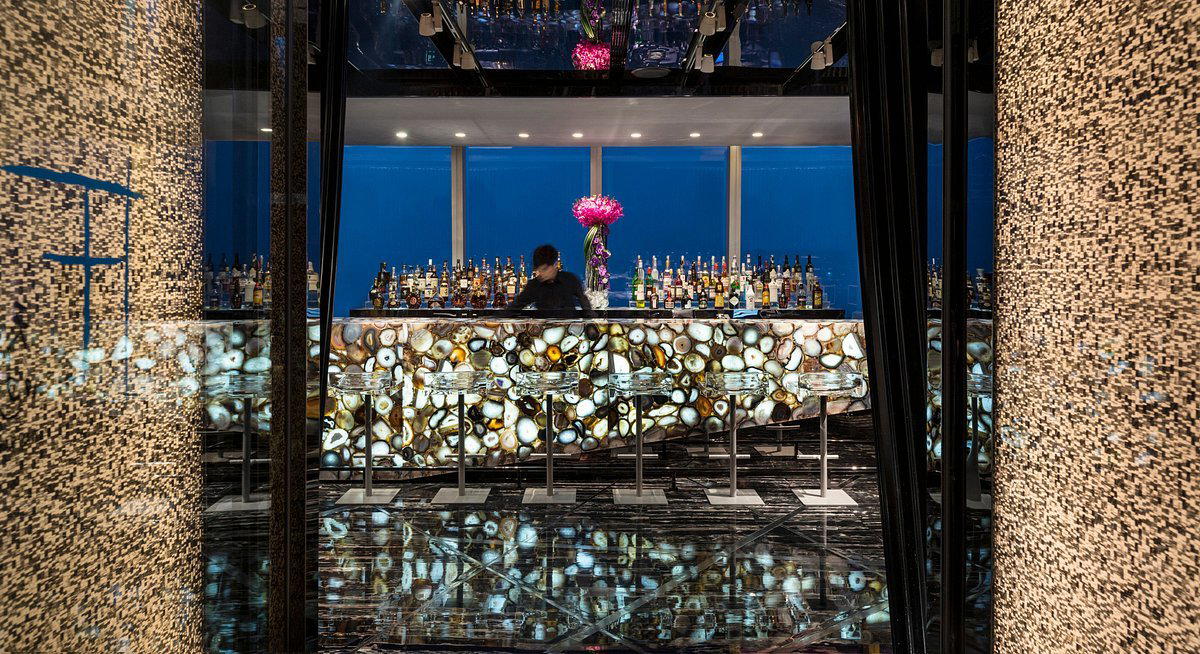
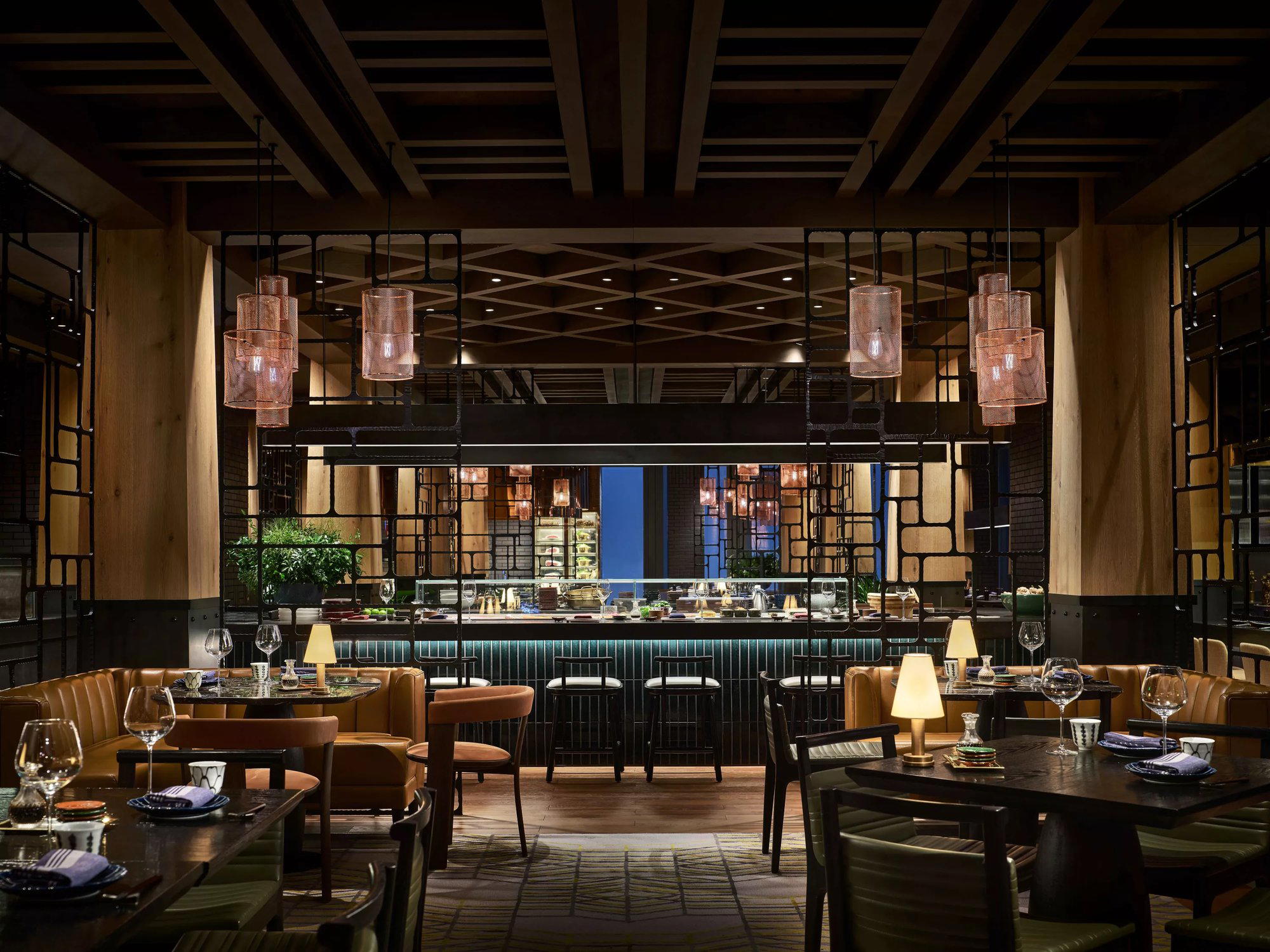
Lacquered woods with stone and soft natural light, quietly luxurious with seafood displays as living décor.