
A Michelin Bib Gourmand recipient on Yanjiang Middle Road, Dai Yong Town brings the full Chaoshan kitchen to Guangzhou's Yuexiu District, staffed entirely by people from the region. The marinated raw crab, served over dry ice fog with ginger tea on the side, anchors a menu that treats Chaozhou's seafood traditions as both ritual and record. The ¥¥ price point makes it one of the more accessible entries into this specialized cuisine in the city.
Pearl is the En Primeur Club membership app — saves, bookings, and concierge access live there. Same editors, same standards.
- Address
- Xianjian Business Building, 3楼259 Yanjiang Middle Rd, 259, Yuexiu District, Guangzhou, Guangdong Province, China, 510110
- Phone
- +86 20 8331 9789
- Directions
- Get directions
 Saves & bookings on Pearl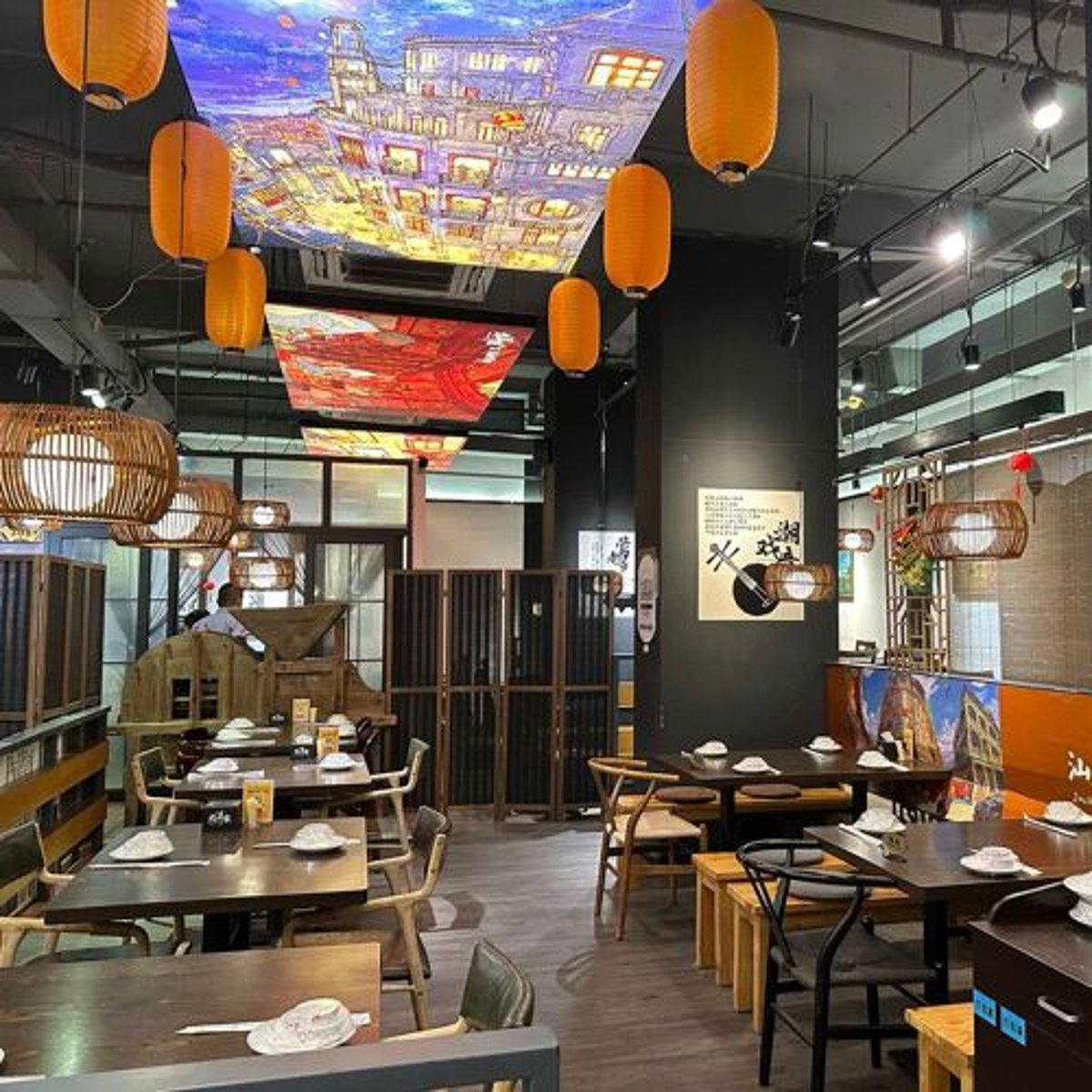
Where Chaoshan Ritual Meets the Yanjiang Riverfront
Cantonese dining in Guangzhou can feel overwhelming in its breadth, but the city has always made space for the regional sub-traditions that feed into it. Chaozhou cuisine, which originates from the coastal Chaoshan area of eastern Guangdong, occupies a distinct lane: restrained seasoning, an emphasis on raw and lightly processed seafood, and a culinary logic built around respecting the ingredient rather than transforming it. In Guangzhou, this tradition sits across a range of price tiers. At the upper end, Imperial Treasure Fine Teochew Cuisine presents the cuisine at the ¥¥¥ Michelin-starred level. Dai Yong Town operates in a different register entirely, holding a Michelin Bib Gourmand since 2025 at the ¥¥ tier.
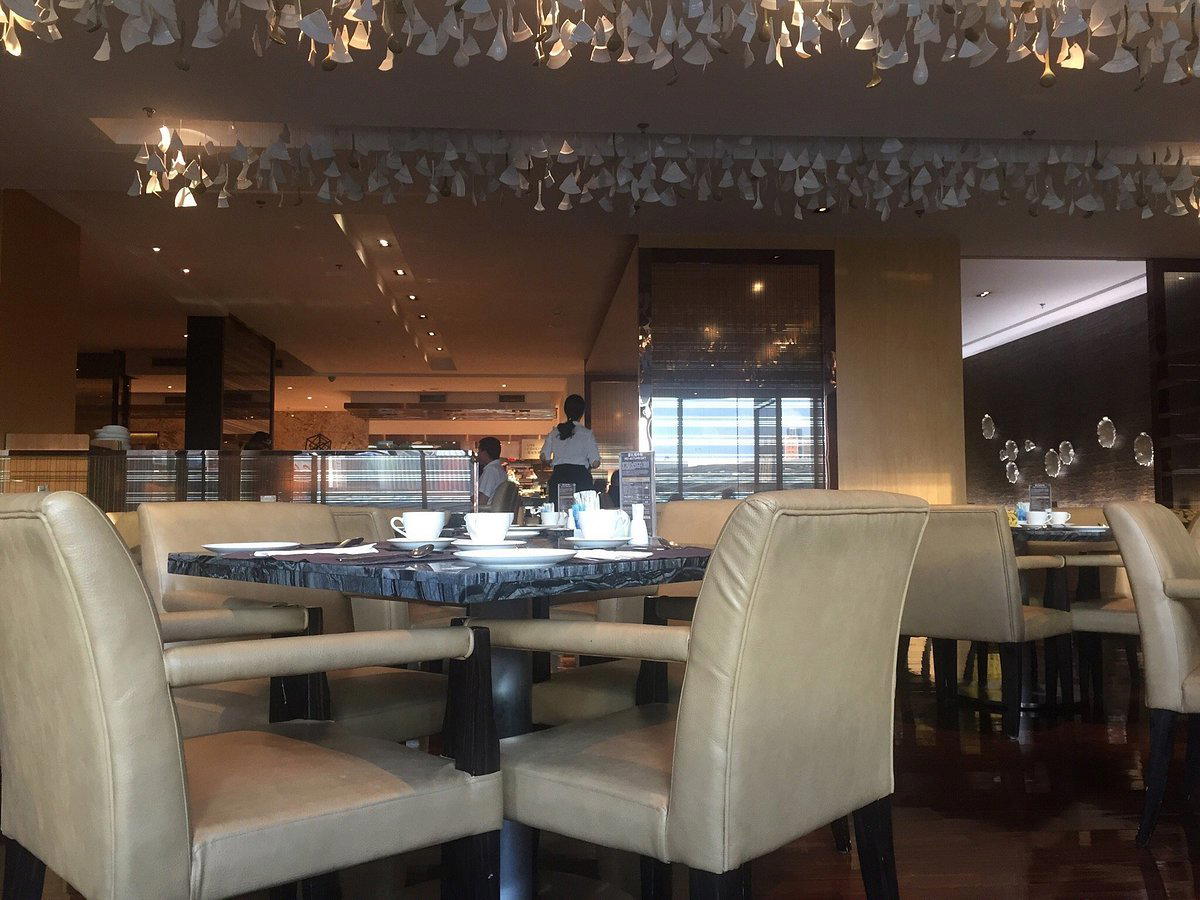
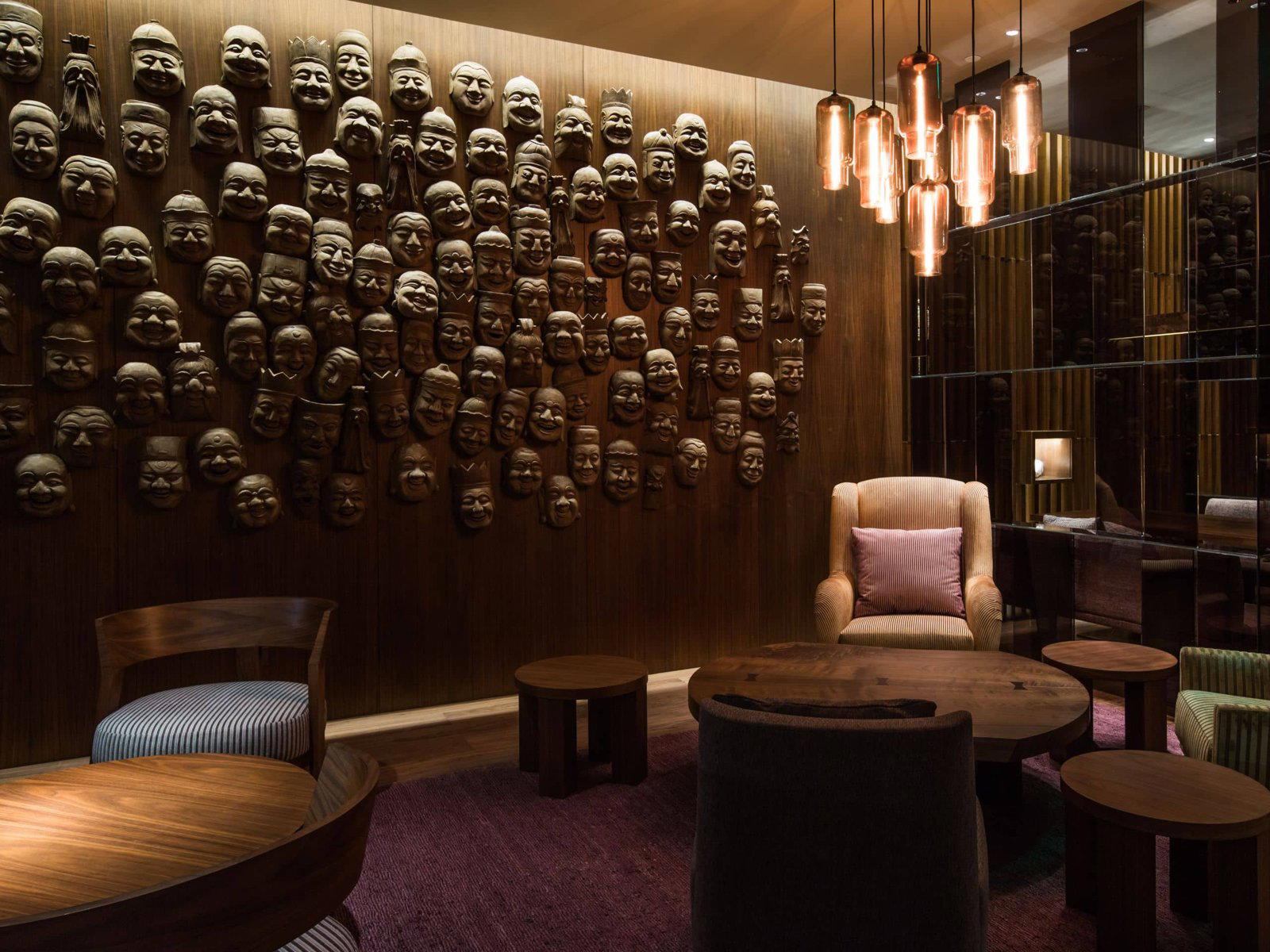
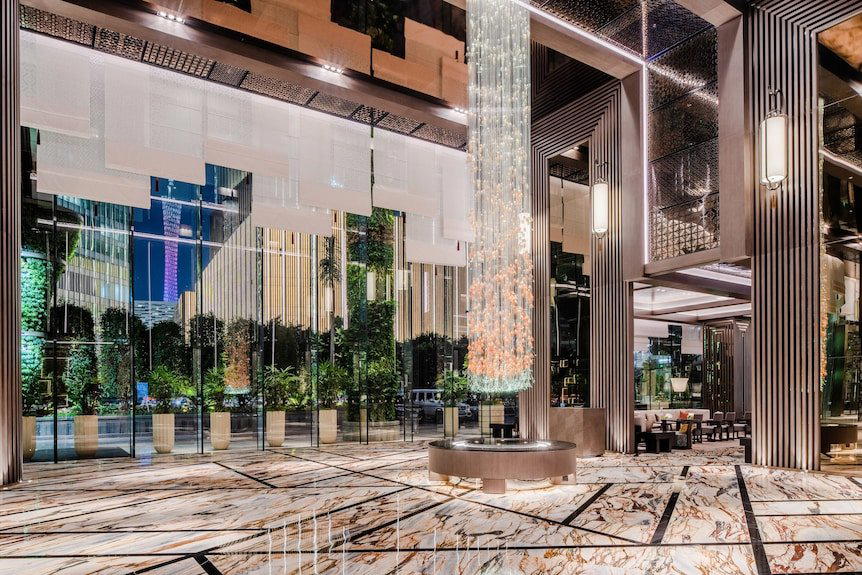
The restaurant is on the third floor of the Xianjian Business Building on Yanjiang Middle Road, in Guangzhou's Yuexiu District. The address puts it close to the Pearl River, in a part of the city that runs between older commercial streets and newer redevelopment. A wall map and backlit illustrations give the interior a spare, considered character rather than the blank neutrality of many mid-tier urban restaurants. The room signals something about its own purpose: the Chaoshan region is the subject, and the decor makes that plain before the food arrives.
A Kitchen Built Around Regional Loyalty
One of the consistent markers of serious regional Chinese restaurants outside their home territory is the effort to source from the origin. At Dai Yong Town, both the kitchen staff and the front-of-house team are from the Chaoshan area, and ingredients and seafood are sourced from there as well. This is not a trivial logistical choice at the ¥¥ price point. It establishes what kind of Chaozhou cooking this is: not an adapted or approximated version calibrated for local Guangzhou preferences, but an attempt to replicate the conditions of the source.
That approach matters especially for an occasion meal, where the expectation is that the food will carry some meaning beyond mere sustenance. Dishes that arrive with a traceable regional identity, prepared by people who grew up eating them, carry a different weight than those assembled from a general south Chinese pantry. For diners marking a birthday, a professional milestone, or a family gathering, the density of that regional commitment is part of what gives the meal its texture.
Across the Pearl River Delta, comparable expressions of Chaozhou cooking exist at different price points. Hai Men Yu Zi Dian on Yangling Road and Hui Cheng on Dunhe Road represent other positions in the Guangzhou Chaozhou scene, each with its own format and emphasis. For a broader view of where Chaozhou fits in the city's dining structure, our full Guangzhou restaurants guide maps the terrain.
The Marinated Raw Crab as Occasion Dish
Marinated raw crab, known in the Chaoshan tradition as one of the more demanding preparations in the regional kitchen, is the dish that the Michelin inspectors specifically called out at Dai Yong Town. The preparation requires precision in both marination and in sourcing: the crab must be fresh enough to eat raw, and the marinade must balance without overwhelming the roe. Here, the roe is described as gelatinous, loaded with umami, and carrying what the Michelin record notes as winey aromas, a quality that places it firmly in the category of cured or fermented complexity rather than simple freshness.
The presentation adds a layer of deliberate theatre: the crab arrives floating over dry ice fog. In the context of Chaozhou's austere culinary logic, this kind of visual framing is notable. The cuisine does not traditionally rely on spectacle, which makes its use here a studied choice rather than a reflex. For a celebratory meal, that moment of arrival carries the kind of visual weight that marks a dish as something different from the everyday.
The kitchen pairs the crab with hot ginger tea, offered to balance the crab's cooling properties according to traditional Chinese dietary principles. This pairing is not decorative; it reflects the same system of food logic that shapes how Chaozhou banquets are structured, where hot and cold, light and rich, are sequenced with intent. For those unfamiliar with this framework, the tea arrives as both practical gesture and small lesson in how the cuisine understands itself.
Occasion Framing at an Accessible Price
¥¥ pricing puts Dai Yong Town in a tier where celebratory meals remain accessible without requiring the kind of advance financial planning that a Michelin-starred Cantonese dinner demands. This is a meaningful distinction. Guangzhou has many Chaozhou cooking at the premium end, but the Bib Gourmand recognition specifically marks restaurants where the quality-to-price relationship is the editorial point. A table here for a birthday dinner or a family gathering delivers recognized culinary quality without the formality or cost of higher-tier peers like Imperial Treasure Fine Teochew Cuisine.
For those exploring how this tradition translates across Chinese cities, Chaozhou cooking has a presence well beyond Guangdong. Chao Shang Chao in Beijing's Chaoyang district and Fleurs Et Festin in Xiamen represent how the cuisine adapts in different urban contexts. The comparison is useful: Guangzhou, as the regional capital of Guangdong, carries a certain expectation of authenticity that Beijing or Xiamen versions must work harder to establish.
Elsewhere in Guangzhou, other registers of occasion dining are available for different moods and group sizes. Suyab Courtyard, Pickmoon Gourmet and Stay Here represent other entry points in the city's broader hospitality range.
Beyond Guangzhou, Teochew and Chaozhou cooking appears at the high end of Chinese restaurant programs in other cities. Xin Rong Ji in Beijing, 102 House in Shanghai, Ru Yuan in Hangzhou, Xin Rong Ji in Chengdu, Dai Yuet Heen in Nanjing, and Chef Tam's Seasons in Macau each show different facets of how the broader Cantonese and Teochew tradition is interpreted across China's major dining cities. Our Guangzhou wineries guide covers options for those planning a full evening around the meal.
Planning a Visit
The restaurant is on the third floor of the Xianjian Business Building at 259 Yanjiang Middle Road in Guangzhou's Yuexiu District. The ¥¥ price tier makes it one of the more accessible Michelin-recognized restaurants in the city, and the Bib Gourmand recognition from 2025 positions it alongside other venues where the value argument is as much the point as the food itself. Reservations are recommended, particularly for larger celebration groups. The Yanjiang Middle Road location sits near the Pearl River waterfront, making it a practical base for an evening that might extend beyond the meal itself.
What Should I Order at Dai Yong Town?
The marinated raw crab is the dish the Michelin record specifically calls out, arriving over dry ice fog with roe described as gelatinous and rich with umami and winey complexity. It comes with hot ginger tea, a traditional pairing rooted in Chaoshan food principles. Beyond that anchor dish, the kitchen follows the Chaoshan tradition of ingredients and seafood sourced directly from the region, so the menu will reflect what the Chaoshan coast is producing at any given time. Asking the staff is one direct way to understand what is at its peak on a given visit.
A Lean Comparison
Comparable venues nearby, for context on price, style, and recognition.
| Venue | Cuisine | Price | Notes |
|---|---|---|---|
| Dai Yong TownThis venue — the venue you are viewing | Chao Zhou | $$ | Not listed |
| Ease (Yuexiu) | Guangzhoushi, Modern Sichuanese | $$ | Not listed |
| Hui Xing Yuan | Guangzhoushi, Traditional Cantonese | $$ | Not listed |
| Wen Ji Yixinji | Not listed | $$ | Guangzhoushi, Traditional Cantonese Chicken Specialist |
| Dayang (Wenming Road) | Not listed | $ | Guangzhoushi, Traditional Cantonese Double-Boiled Soups |
| Ze 8 (Haizhu) | Guangzhoushi, Modern Cantonese Claypot | $$$ | Not listed |
Recognition history
Dated appearances from independent guides and award organizations, with the underlying list record or original source where available.
Michelin Bib Gourmand
Michelin
Michelin Bib Gourmand
Michelin
Continue exploring
More in Guangzhou
Restaurants in Guangzhou
Browse all →
Bars in Guangzhou
Browse all →
At a Glance
- Rustic
- Classic
- Family
- Casual Hangout
- Historic Building
- Sake Program
- Local Sourcing
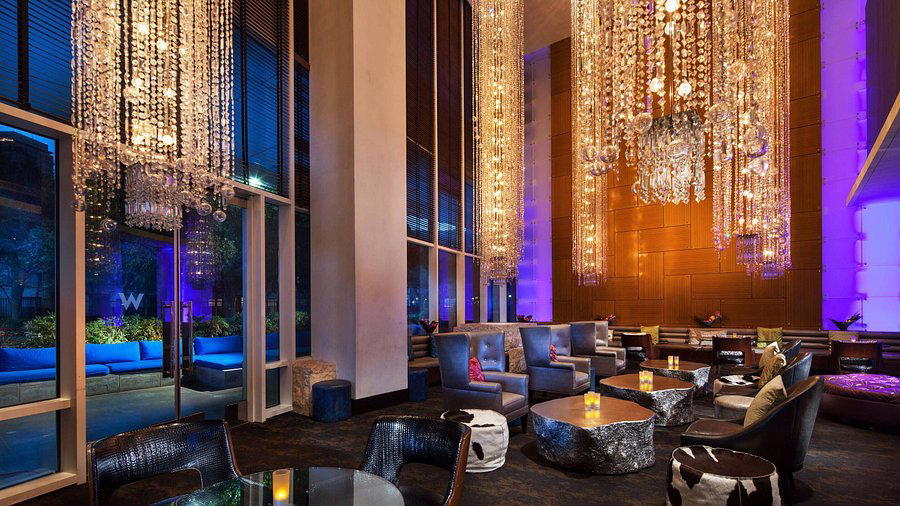
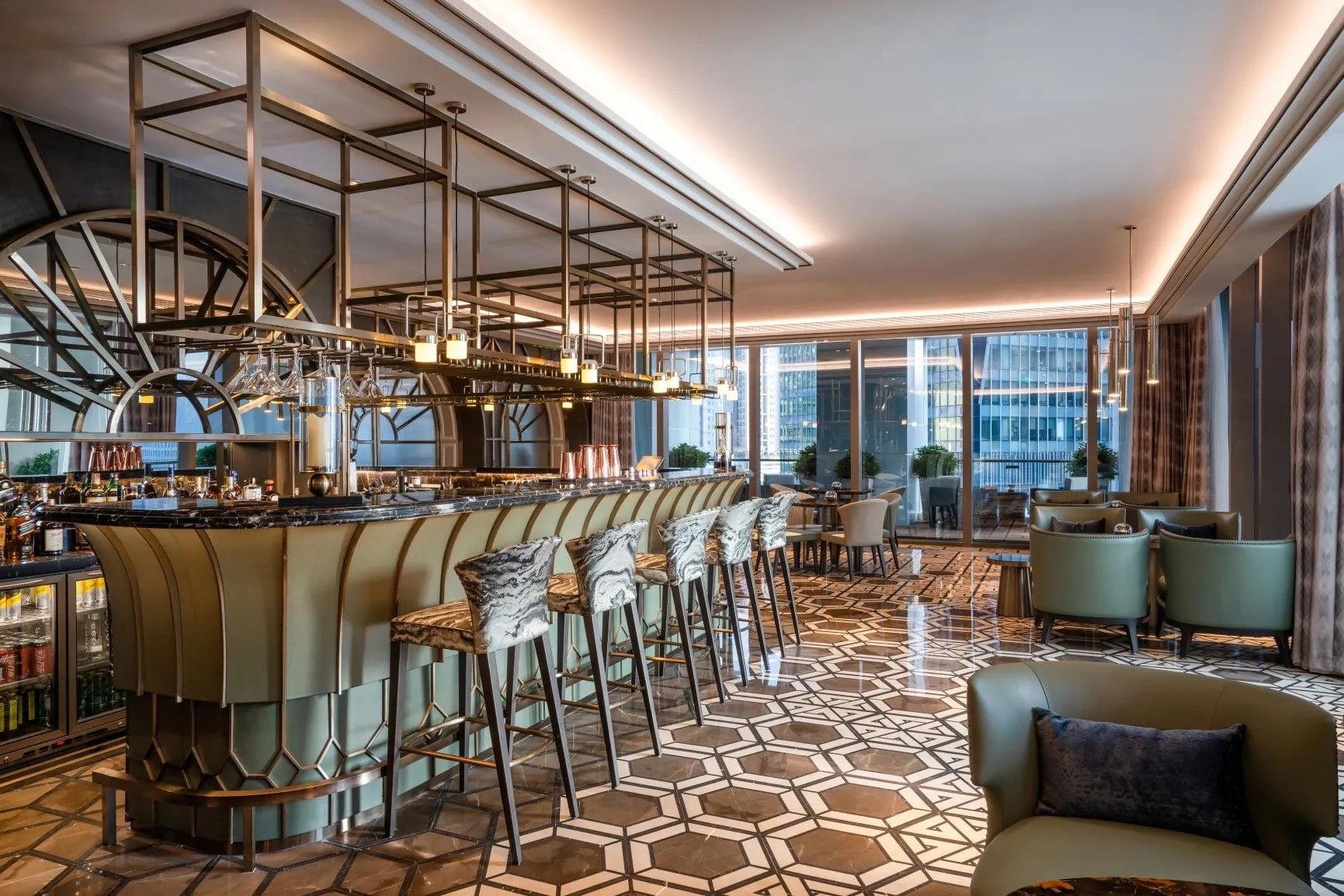
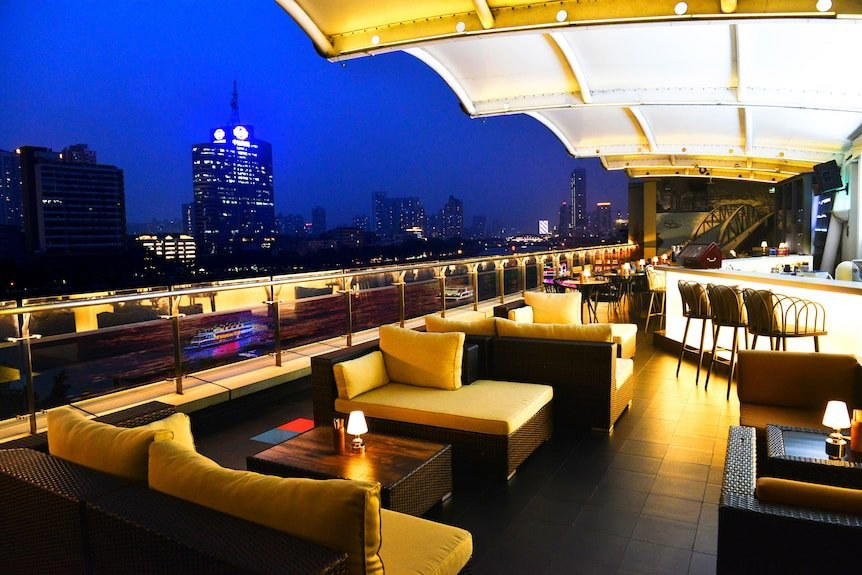
Rustic interior with wall maps, backlit illustrations, and Chaoshan-themed decorations creating an artistic and cultural atmosphere.