On a quiet lane in Vienna's First District, Kleines Wrenkh occupies a corner of the inner city where the tourist circuit thins and neighbourhood rhythms take over. The address at Rauhensteingasse 12 places it within walking distance of the Stephansdom yet a register removed from the grand-boulevard restaurants that define the area's more obvious dining tier.
Pearl is the En Primeur Club membership app — saves, bookings, and concierge access live there. Same editors, same standards.
- Address
- Rauhensteingasse 12, 1010 Wien, Austria
- Phone
- +434315135836
- Website
- wrenkh-vegetarisch.at
- Directions
- Get directions
 Saves & bookings on Pearl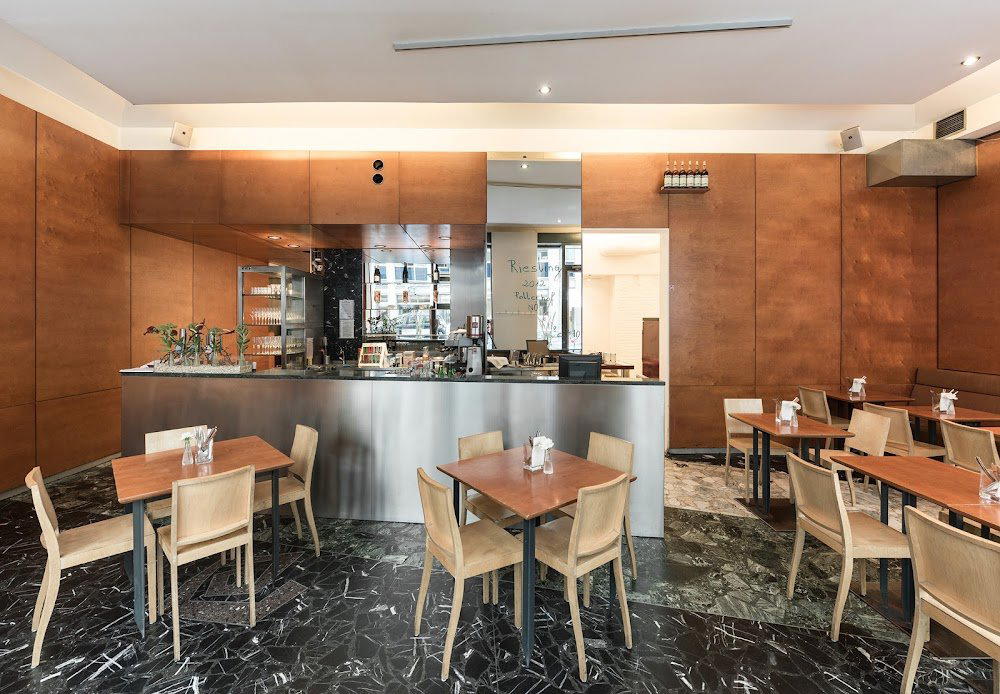
A Side Street in the First District, and What That Tells You
Kleines Wrenkh is a vegetarian plant-centric restaurant in Vienna's First District, at Rauhensteingasse 12, 1010 Wien, Austria. The first is visible from the Ringstrasse: grand rooms, formal service, tasting menus priced against the city's Michelin tier, where restaurants like Steirereck im Stadtpark, Amador, and Konstantin Filippou compete on a European stage. The second register is quieter, more residential in character despite its central coordinates, and runs along the lanes that branch away from the pedestrian shopping corridors. Rauhensteingasse sits in that second register. It is a short street, close enough to the Stephansdom to hear its bells, but removed from the cluster of restaurants that pitch themselves at first-time visitors. What you find here tends to be shaped by a local clientele that returns regularly rather than a tourist economy that refreshes nightly.
Kleines Wrenkh occupies a position on that lane at number 12. The name itself signals scale: Kleines means small in German, and in Vienna's dining culture, smallness at a good address is a deliberate statement rather than a concession. The city has a long tradition of intimate restaurant formats, from the Beisl, the Austrian equivalent of a neighbourhood bistro, to the more contemporary smaller-counter operations that have emerged over the past decade. Kleines Wrenkh sits within that tradition of compact, purpose-built dining rooms where the physical constraint shapes the experience as much as the menu does.
The Wrenkh Name in Viennese Dining
The Wrenkh name carries weight in Vienna's vegetarian and plant-forward dining conversation. The broader Wrenkh operation has, over decades, built a reputation as one of the city's most serious proponents of vegetable-led cooking at a time when Austrian cuisine was predominantly defined by its meat traditions: Wiener Schnitzel, Tafelspitz, roasted pork. That positioning was not incidental. Vienna's dining culture has shifted considerably since the 1980s and 1990s, with plant-forward restaurants moving from a niche associated with health-food culture into a more mainstream fine-dining space. The Wrenkh family were early movers in that shift, and the brand carries the credibility of sustained operation over a long period rather than recent trend-chasing.
The restaurant represents the smaller-format expression of that same philosophy. Where the city's larger vegetarian operations can lean toward the institutional, a room of limited capacity creates different conditions: closer attention, more direct interaction between kitchen and guest, and a menu that can respond to seasonal availability with greater flexibility than a high-volume service demands. Vienna's market calendar, anchored by the Naschmarkt a short distance away, gives kitchens at this scale genuine access to seasonal produce that changes week to week rather than month to month.
Where It Sits Relative to Vienna's Wider Scene
Vienna's fine-dining tier is largely defined by creative Austrian and modern European formats. Mraz & Sohn and Doubek represent the progressive end of that spectrum, while the broader market includes strong mid-tier options across the city's inner districts. Plant-forward restaurants occupy a distinct niche within this, one that does not map neatly onto the Michelin-starred tier despite the growing critical legitimacy of vegetable-led cooking internationally. The restaurant is not competing in the same bracket as the city's tasting-menu destinations; it operates in a different register, one where the point of comparison is more likely a well-run Parisian bistro with a strong vegetable programme than a multi-course Austrian fine-diner.
For travellers already exploring Austria's broader restaurant scene, the contrast is instructive. The country's destination restaurants, from Döllerer in Golling an der Salzach to Obauer in Werfen and Ikarus in Salzburg, are largely built on classical Austrian product traditions, with game, river fish, and dairy at their centre. Landhaus Bacher in Mautern an der Donau, Griggeler Stuba in Lech, and Gourmetrestaurant Tannenhof in Sankt Anton am Arlberg operate in mountain and valley contexts where locality is defined by terrain. The restaurant represents a specifically urban expression of Austrian dining, one that draws on city proximity to diverse suppliers rather than a single regional terroir.
The First District as a Dining Address
The First District's dining character is often misread by visitors who experience only its tourist-facing surface. Behind the grand coffee houses and the hotel dining rooms, the district contains a denser concentration of serious restaurants per square kilometre than almost any comparable area in Central Europe. The challenge for a small restaurant in this environment is differentiation: the competition is not only other vegetarian restaurants but the full range of the city's dining options within walking distance. A restaurant that survives and builds a returning clientele in the First District over years is doing something that the location's economics make difficult to sustain on novelty alone.
Rauhensteingasse's specific position, running between Himmelpfortgasse and the Stephansplatz axis, puts the restaurant in a pocket of the district that is genuinely walkable from the city's main hotel belt without being on any obvious tourist route. That geographic friction serves a filtering function. The guests who find it tend to be looking for it specifically rather than passing by, which produces a room with a different character than the restaurants that trade on foot traffic from the pedestrian zones.
Planning a Visit
The restaurant is located at Rauhensteingasse 12, 1010 Wien, in the heart of Vienna's First District, within walking distance of the Stephansdom and the U1/U3 interchange at Stephansplatz. For travellers moving between Vienna and Austria's wider restaurant circuit, the city makes a natural base: Ois in Neufelden, Schwarzer Adler in Hall in Tirol, Restaurant 141 by Joachim Jaud in Mieming, and Kräuterreich by Vitus Winkler in Sankt Veit im Pongau are all reachable by train or car for those building a wider Austrian itinerary. For context on the city's full dining range, our full Vienna restaurants guide maps the scene from the Michelin tier down to the neighbourhood level. Current hours are Monday to Friday, 11 AM to 4 PM, with the restaurant closed on Saturday and Sunday.
What It’s Closest To
Comparable venues nearby, for context on price, style, and recognition.
| Venue | Cuisine | Price | Notes |
|---|---|---|---|
| Kleines WrenkhThis venue — the venue you are viewing | Vegetarian Plant-Centric | $$$ | Not listed |
| Jola | Vegan Fine Dining | $$$$ | Stephansdom |
| L'Osteria del Collio | Italian Osteria | $$$ | Innere Stadt |
| IKI Restaurant | Modern Japanese Fusion | $$$ | Favoriten District |
| Stellas | Steakhouse & Grill | $$$ | Neubau |
| Turm Restaurant | Modern Austrian with Panoramic Views | $$$ | Donauturm |
Continue exploring
More in Vienna
Restaurants in Vienna
Browse all →
Bars in Vienna
Browse all →
Hotels in Vienna
Browse all →
At a Glance
- Cozy
- Modern
- Intimate
- Casual Hangout
- Standalone
- Local Sourcing
Current opening hours
- Monday
- 11 AM–4 PM
- Tuesday
- 11 AM–4 PM
- Wednesday
- 11 AM–4 PM
- Thursday
- 11 AM–4 PM
- Friday
- 11 AM–4 PM
- Saturday
- Closed
- Sunday
- Closed
Hours can change for holidays and private events. Last verified .
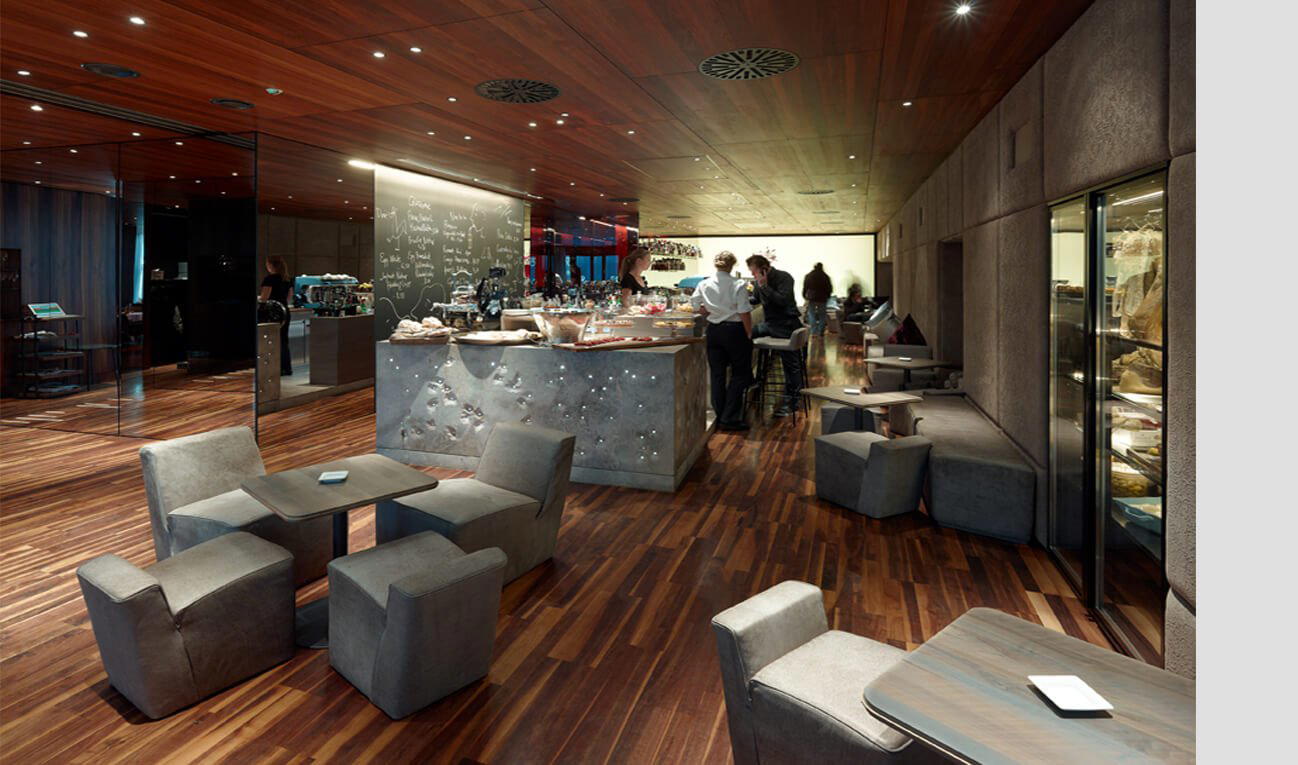
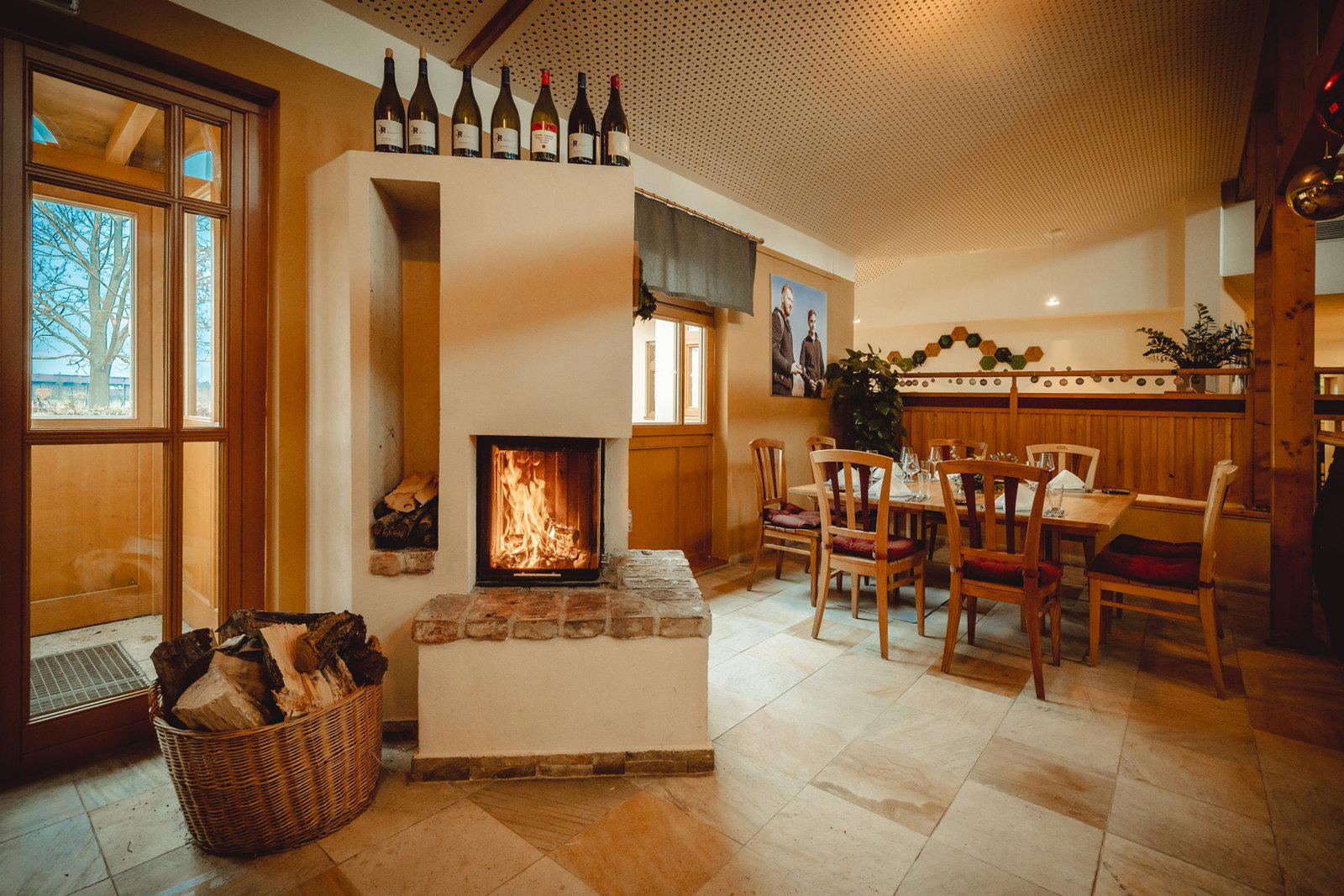
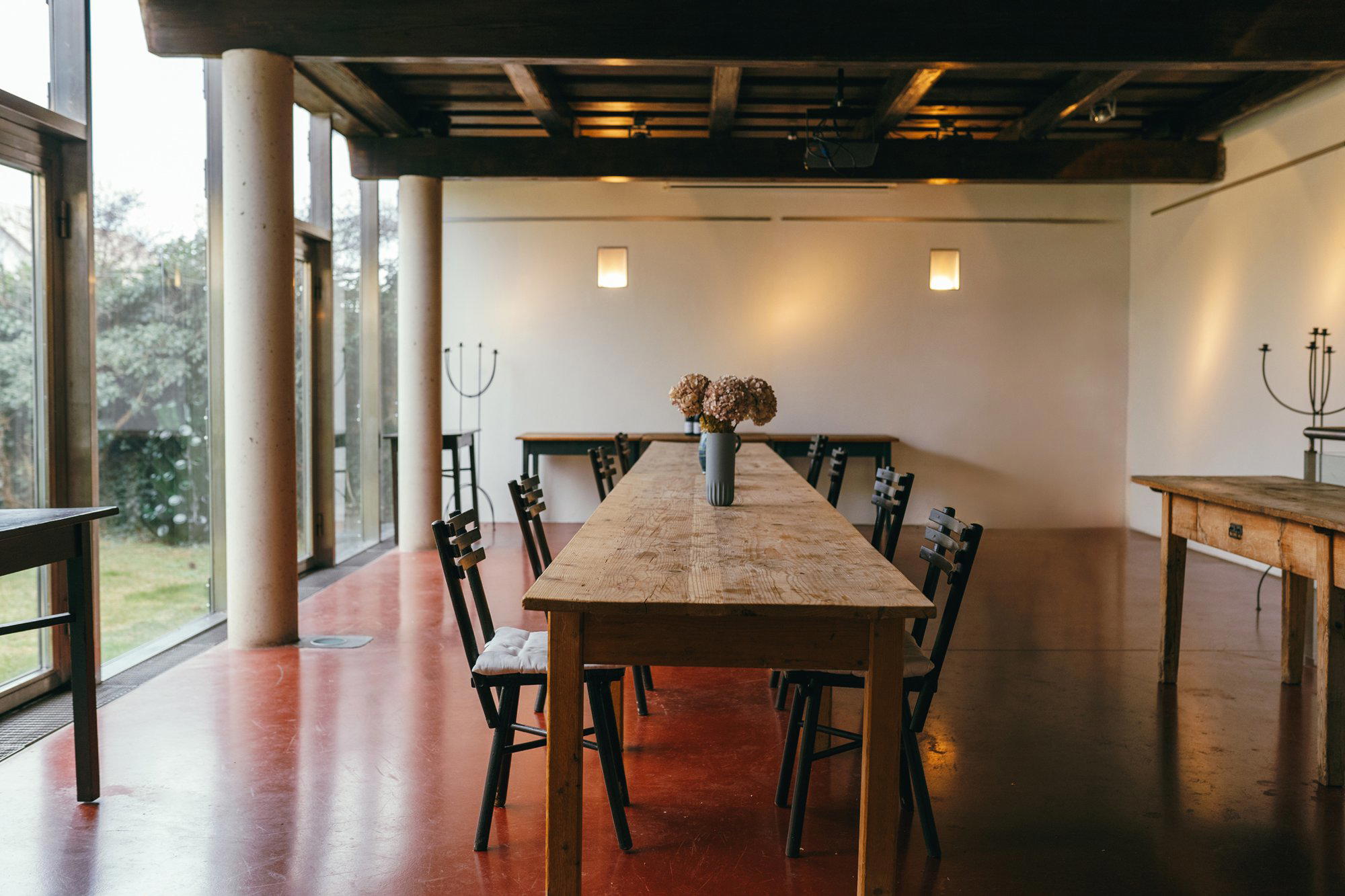
Light-filled space with surfaces dedicated to light, terrazzo floors, custom designer tables and chairs, creating a pure and airy atmosphere.