On Lerchenfelder Strasse in Vienna's 8th district, ditta occupies a stretch of the city where independent restaurants tend to work harder for their regulars than for tourists. The address alone places it within a neighbourhood defined by local loyalty rather than passing trade, putting it in a different competitive register from the trophy-dining circuit around the Ringstrasse.
Pearl is the En Primeur Club membership app — saves, bookings, and concierge access live there. Same editors, same standards.
- Address
- Lerchenfelder Str. 94-98, 1080 Wien, Austria
- Phone
- +4367763397546
- Website
- ditta.at
- Directions
- Get directions
 Saves & bookings on Pearl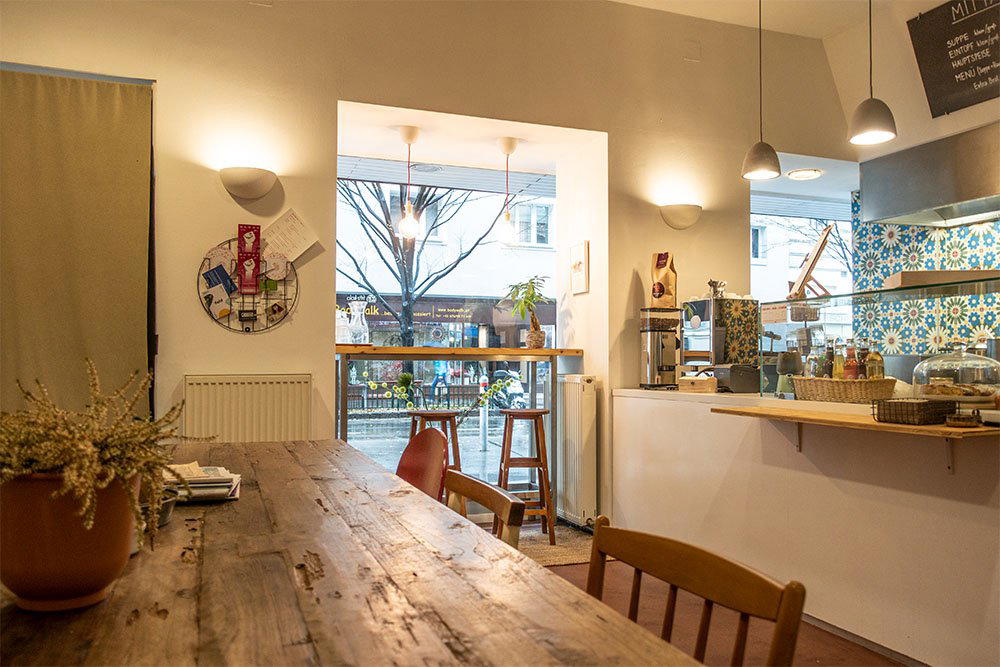
The Street That Sets the Register
ditta is a restaurant in Vienna's 8th district, Josefstadt, on Lerchenfelder Str. 94-98, known for seasonal vegetarian cooking. Lerchenfelder Strasse runs through a neighbourhood where the clientele is predominantly Viennese, where a restaurant lives or dies on repeat visits rather than tourist footfall, and where the physical environment tends toward the stripped-back rather than the theatrical. Arriving at number 94 to 98, that context is already doing half the work: the address signals a certain kind of seriousness, one that doesn't require a grand facade to make its case.
That positioning matters for how you read ditta against Vienna's broader dining map. The city's upper tier, represented by places like Steirereck im Stadtpark, Amador, and Konstantin Filippou, operates through tasting menus, formal booking windows, and Michelin recognition. Josefstadt's independent restaurants, by contrast, tend to build their reputations through neighbourhood loyalty, word of mouth, and a consistency that doesn't require a critical apparatus to sustain it. ditta sits in that second current.
Lunch and Dinner: Two Different Conversations
In Vienna's mid-tier independent restaurants, the divide between daytime and evening service is rarely just about lighting and tablecloths. It reflects a structural difference in how Viennese eating culture actually works. Lunch in this city carries genuine weight: it is where regular customers negotiate the week, where the kitchen can run a tighter, more economical set, and where the atmosphere tends toward the purposeful rather than the ceremonial. Dinner shifts the register toward occasion, longer pacing, and a menu that has more room to breathe.
For a restaurant on a working residential and commercial street like Lerchenfelder Strasse, that divide is particularly legible. The daytime crowd is local by definition, office workers, residents, people who know the neighbourhood's rhythms. The evening service draws from a slightly wider radius, including visitors who have done enough research to look beyond the 1st district. That shift in audience between lunch and dinner shapes the kind of experience a restaurant like ditta is built to provide: dependable at noon, more considered after dark.
This pattern is common across Vienna's neighbourhood restaurants and distinguishes them from the trophy-dining tier, where tasting menus run identically at both services and the format doesn't adapt to the time of day. At places like Mraz & Sohn or Doubek, the evening format is the point. At a Josefstadt independent, the lunch service often carries equal authority.
Vienna's 8th District in the Wider Austrian Picture
Understanding where ditta sits also means understanding what Vienna's neighbourhood dining scene represents in relation to Austria's broader restaurant geography. The country's serious kitchens are distributed across a wide range of settings: alpine dining rooms like Gourmetrestaurant Tannenhof in Sankt Anton am Arlberg and Stüva in Ischgl, wine-country addresses like Taubenkobel in Schützen am Gebirge and Landhaus Bacher in Mautern an der Donau, and Salzburg-region institutions like Obauer in Werfen and Döllerer in Golling an der Salzach.
Vienna's neighbourhood restaurants don't compete directly with those addresses. They serve a different need: the everyday serious meal, the local table that a city resident returns to rather than reserves months in advance. That function is well-served across Josefstadt and the surrounding districts, with a density of independent operators that makes Vienna's inner residential neighbourhoods among the more interesting areas for non-trophy dining in central Europe. Further afield in Austria, addresses like Restaurant 141 by Joachim Jaud in Mieming, Kräuterreich by Vitus Winkler in Sankt Veit im Pongau, and Ois in Neufelden serve a regional fine-dining function that has no direct equivalent in the capital's neighbourhood tier. Schwarzer Adler in Hall in Tirol represents a similar regional anchoring. ditta belongs to an urban context where those comparisons don't apply.
How ditta Compares on Practical Logistics
For visitors mapping their Vienna dining across multiple nights, the question of where ditta fits in a wider itinerary is worth addressing directly. The table below places it alongside comparable neighbourhood operators and the city's formal upper tier:
| Venue | District | Price Tier | Format | Booking Lead Time |
|---|---|---|---|---|
| ditta | 8th (Josefstadt) | Not confirmed | Neighbourhood restaurant | Not confirmed |
| Steirereck im Stadtpark | 3rd (Stadtpark) | €€€€ | Tasting menu / à la carte | Weeks to months ahead |
| Konstantin Filippou | 1st | €€€€ | Tasting menu | Weeks ahead |
| Mraz & Sohn | 20th (Brigittenau) | €€€€ | Tasting menu | Weeks ahead |
In Vienna's neighbourhood tier, that kind of discretion is common: restaurants that rely on local regulars rarely need to maintain an aggressive online presence.
For international context, the neighbourhood-restaurant model that ditta represents has parallels in cities like New York, where Le Bernardin anchors the formal end of the market and neighbourhood independents serve a different, more habitual function, or San Francisco, where Lazy Bear represents the experiential tier that neighbourhood spots don't try to compete with. In each city, the neighbourhood restaurant is a distinct category, not a lesser version of the trophy room.
Planning Your Visit
ditta is at Lerchenfelder Str. 94 to 98, 1080 Wien. The 8th district is well-served by Vienna's U-Bahn and tram network, making it direct to reach from the centre without needing a taxi.
Side-by-Side Snapshot
Comparable venues nearby, for context on price, style, and recognition.
| Venue | Cuisine | Price | Notes |
|---|---|---|---|
| dittaThis venue — the venue you are viewing | Seasonal Vegetarian | $$ | Not listed |
| Spittelberggasse | Vegetarian/Vegan Bistro | $$ | Hofburg |
| TIAN Bistro am Spittelberg | Vegetarian/Vegan Bistro | $$$ | Hofburg |
| Takumi Ramen | Authentic Japanese Ramen | $$ | Josefstadt |
| Taqueria Los Mexikas | Authentic Mexican Taqueria | $$ | Hofburg |
| SOFI Vera Pizza Napoletana | Authentic Neapolitan Pizza | $$ | Hernals |
Continue exploring
More in Vienna
Restaurants in Vienna
Browse all →
![[aend] restaurant in Vienna](https://cdn.enprimeurclub.com/storage/v1/object/public/images/locations/recsVyRkMfzCxPmp0/hero2.jpg?width=3840&quality=75)
Bars in Vienna
Browse all →

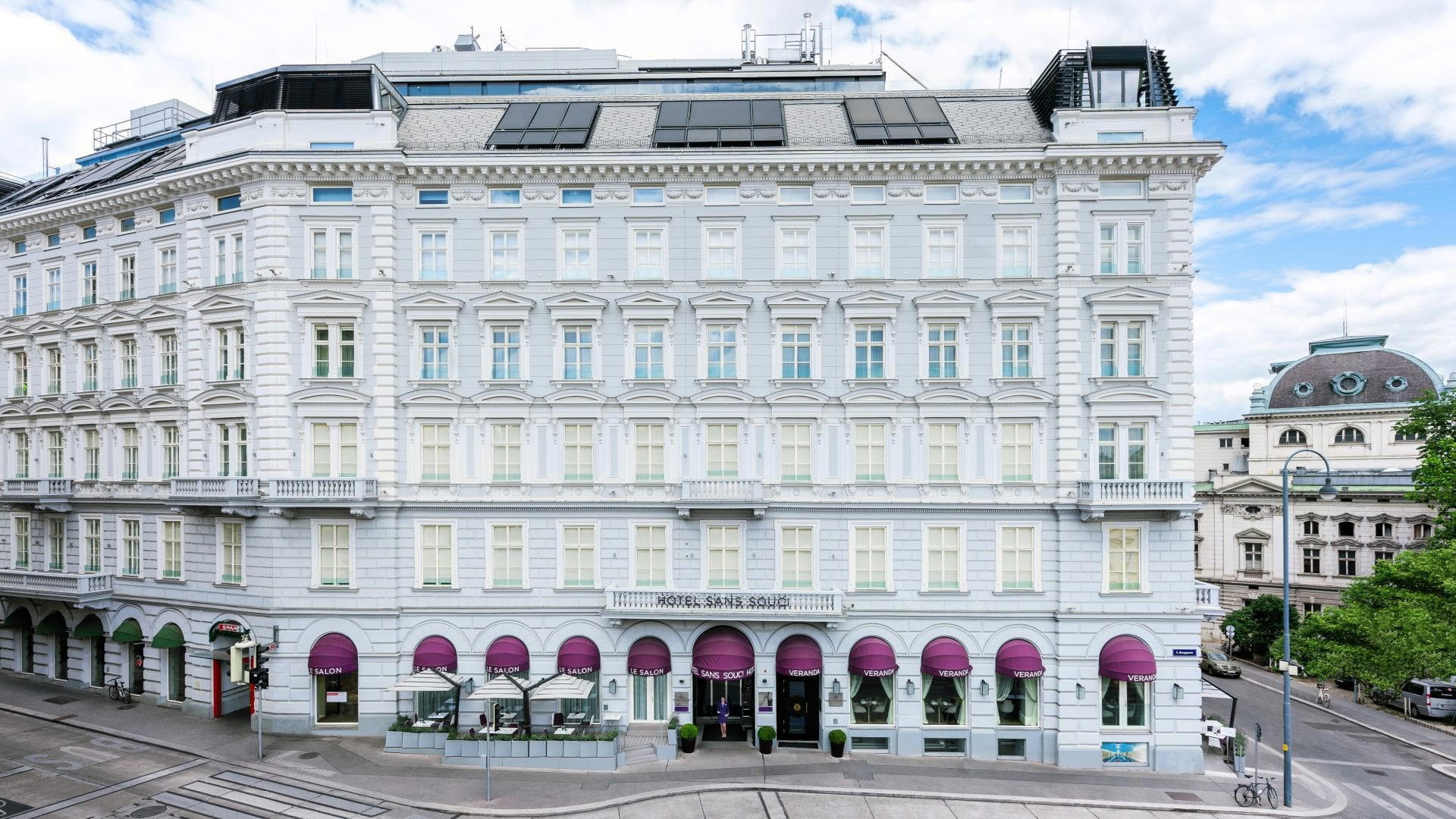
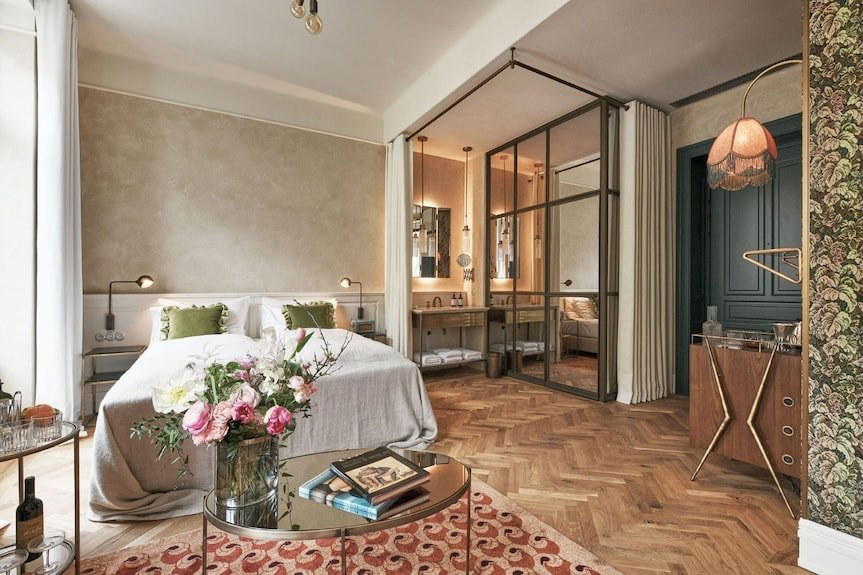
Hotels in Vienna
Browse all →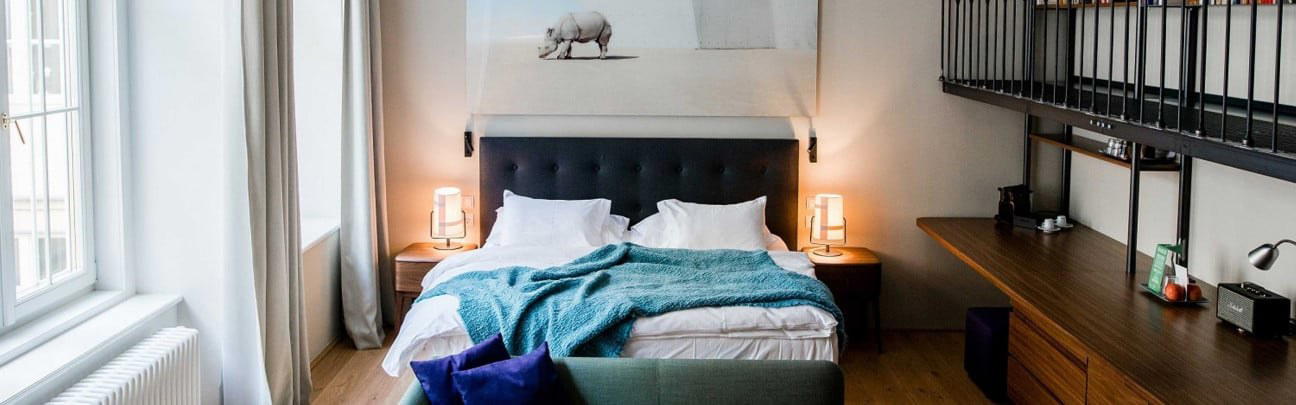
At a Glance
- Cozy
- Modern
- Casual Hangout
- Local Sourcing
Current opening hours
- Monday
- 9 AM–3:30 PM
- Tuesday
- 9 AM–3:30 PM
- Wednesday
- 9 AM–3:30 PM
- Thursday
- 9 AM–3:30 PM
- Friday
- 9 AM–3:30 PM
- Saturday
- Closed
- Sunday
- Closed
Hours can change for holidays and private events. Last verified .
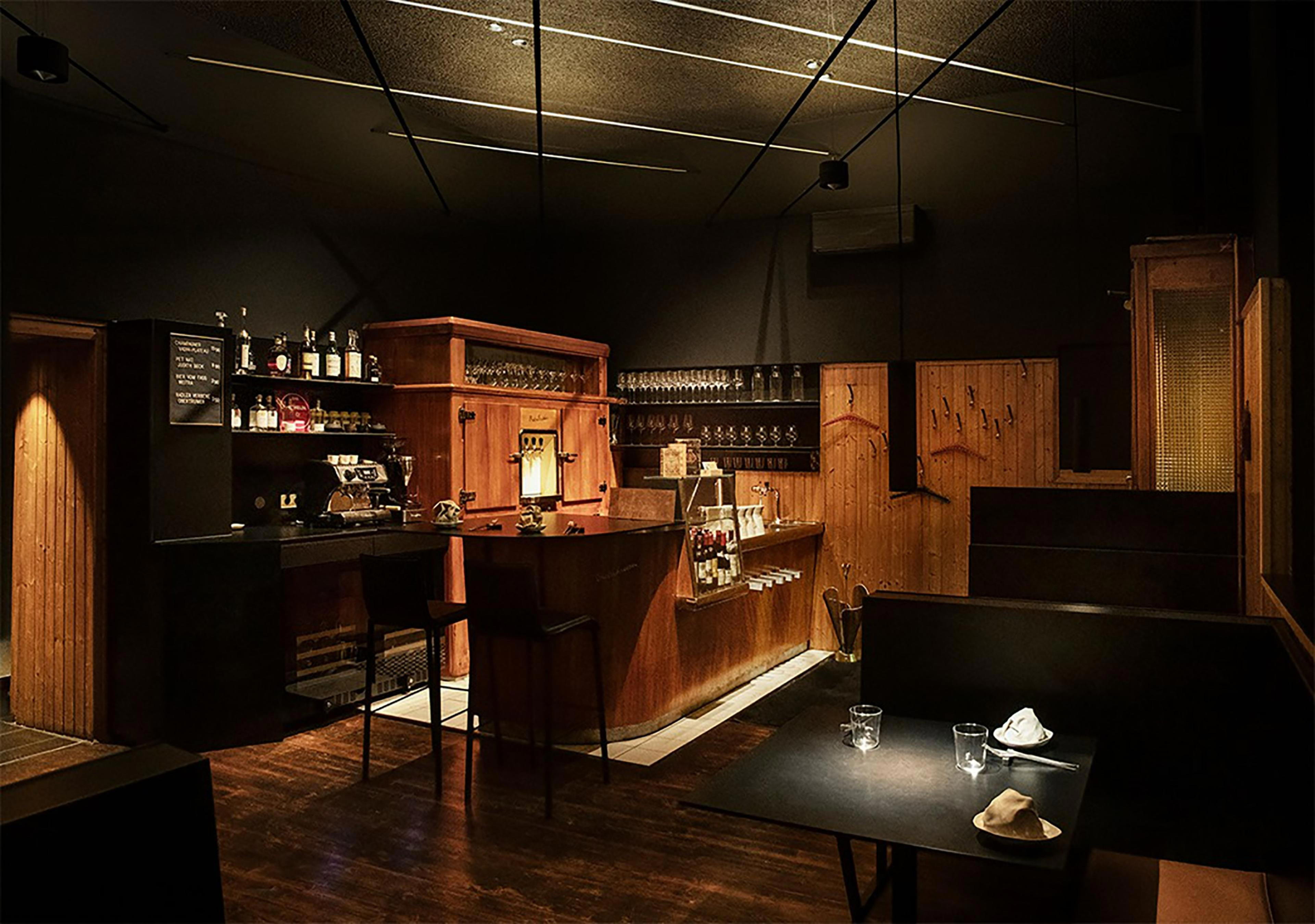
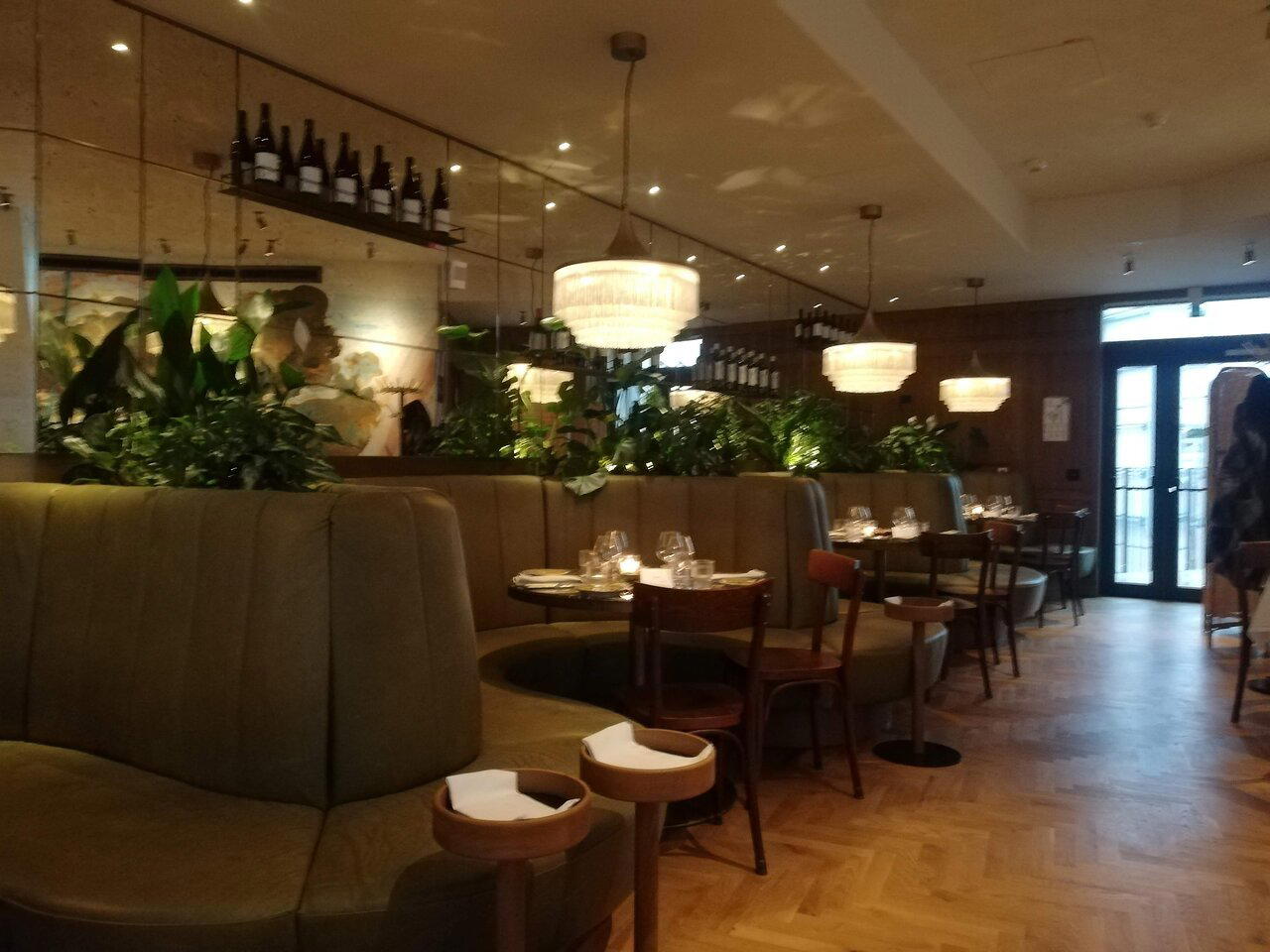
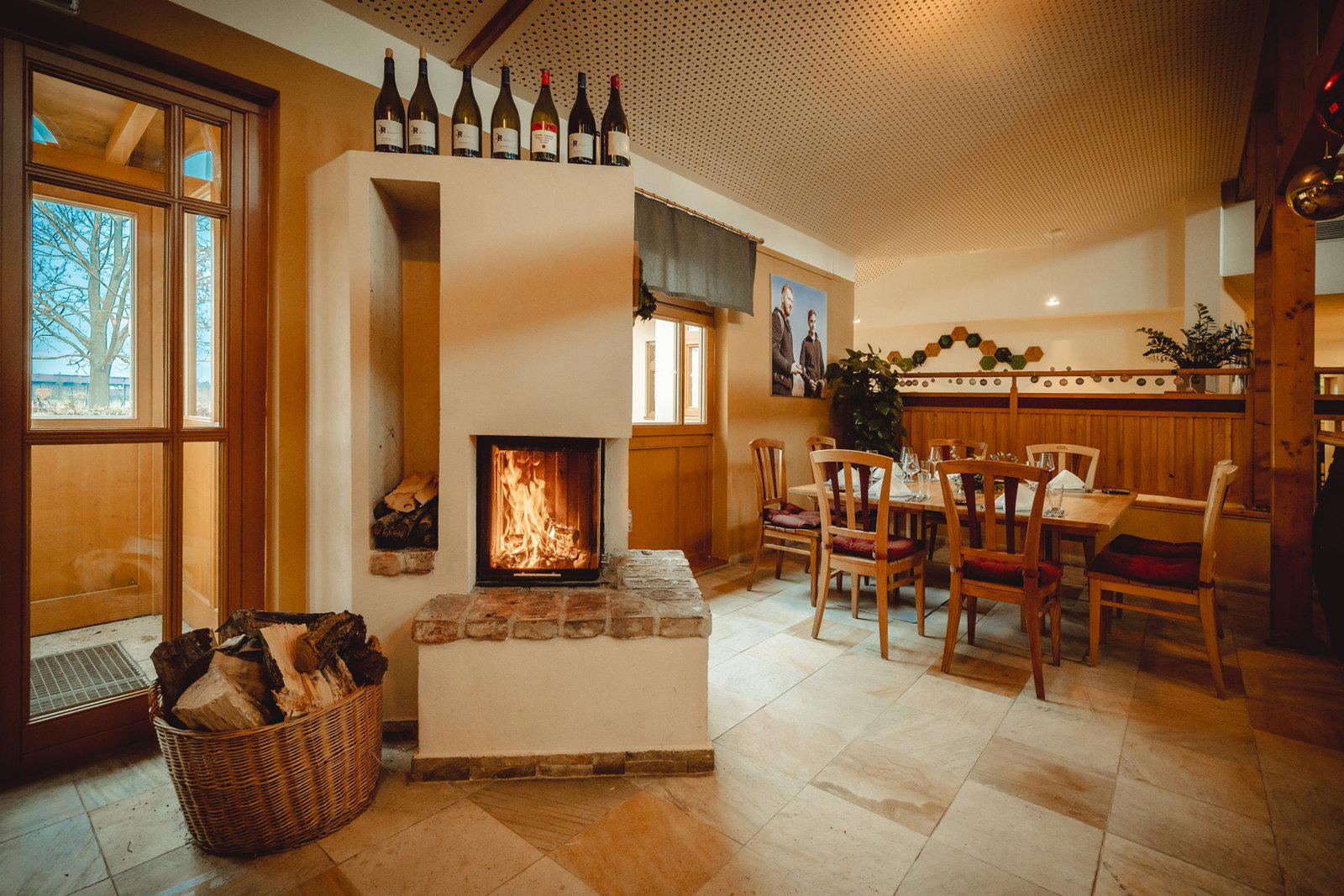
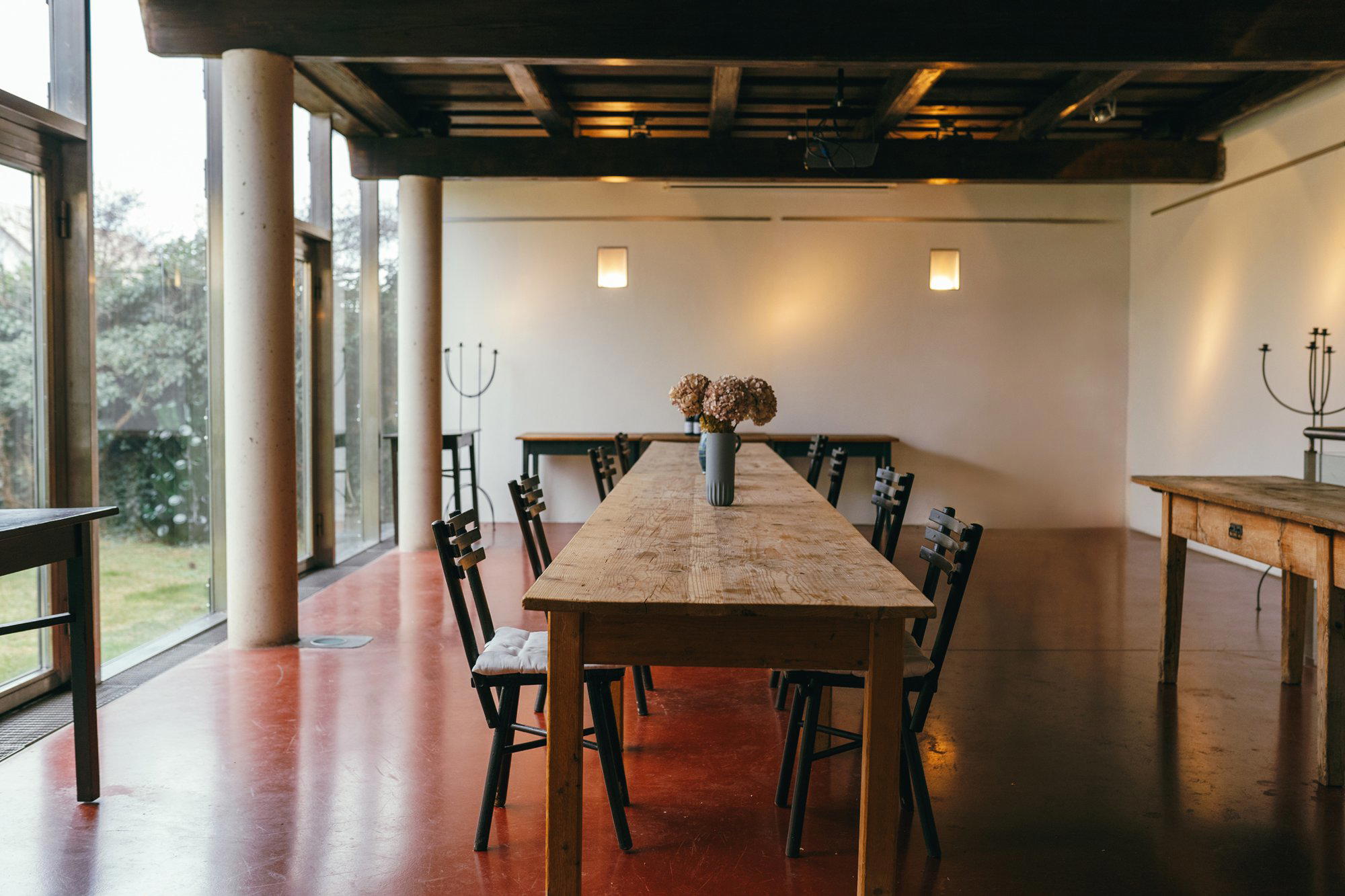
Comfortable and cozy atmosphere focused on fresh, seasonal vegetable preparations.