WOMO occupies a quiet address at Minoritenplatz 6 in Tulln an der Donau, a small Danube town that rewards those who look past its modest scale. The venue sits within a dining scene that has grown increasingly serious in recent years, placing it alongside Lilli's and Restaurant Wöber as part of a compact but considered local circuit.
Pearl is the En Primeur Club membership app — saves, bookings, and concierge access live there. Same editors, same standards.
- Address
- Minoritenpl. 6, 3430 Tulln an der Donau, Austria
- Phone
- +436606003866
- Website
- womo-food.at
- Directions
- Get directions
 Saves & bookings on Pearl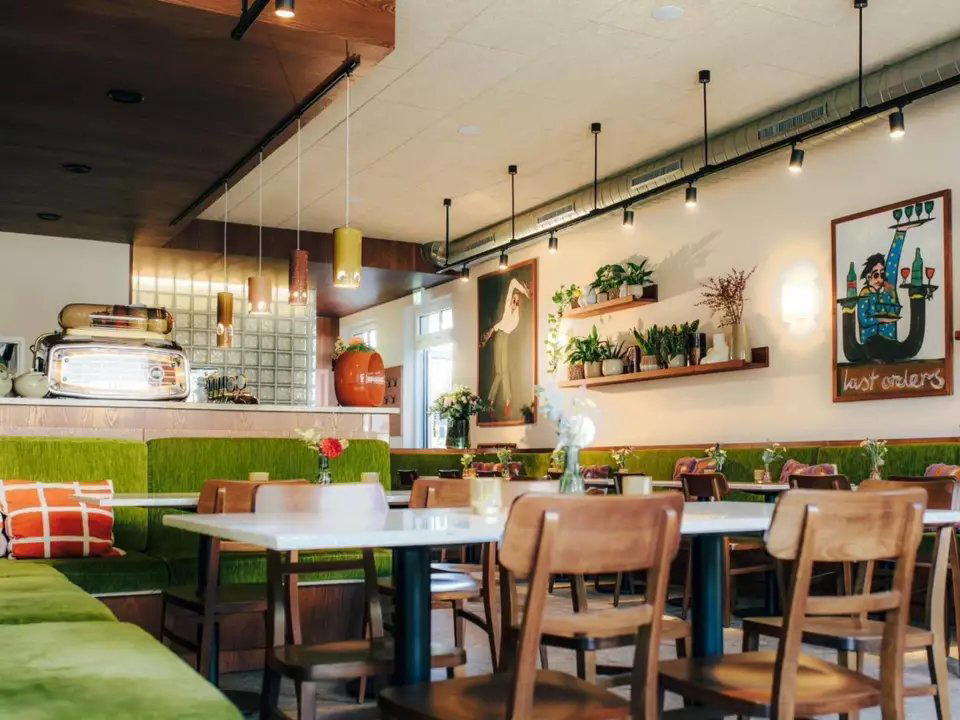
A Square That Sets the Tone
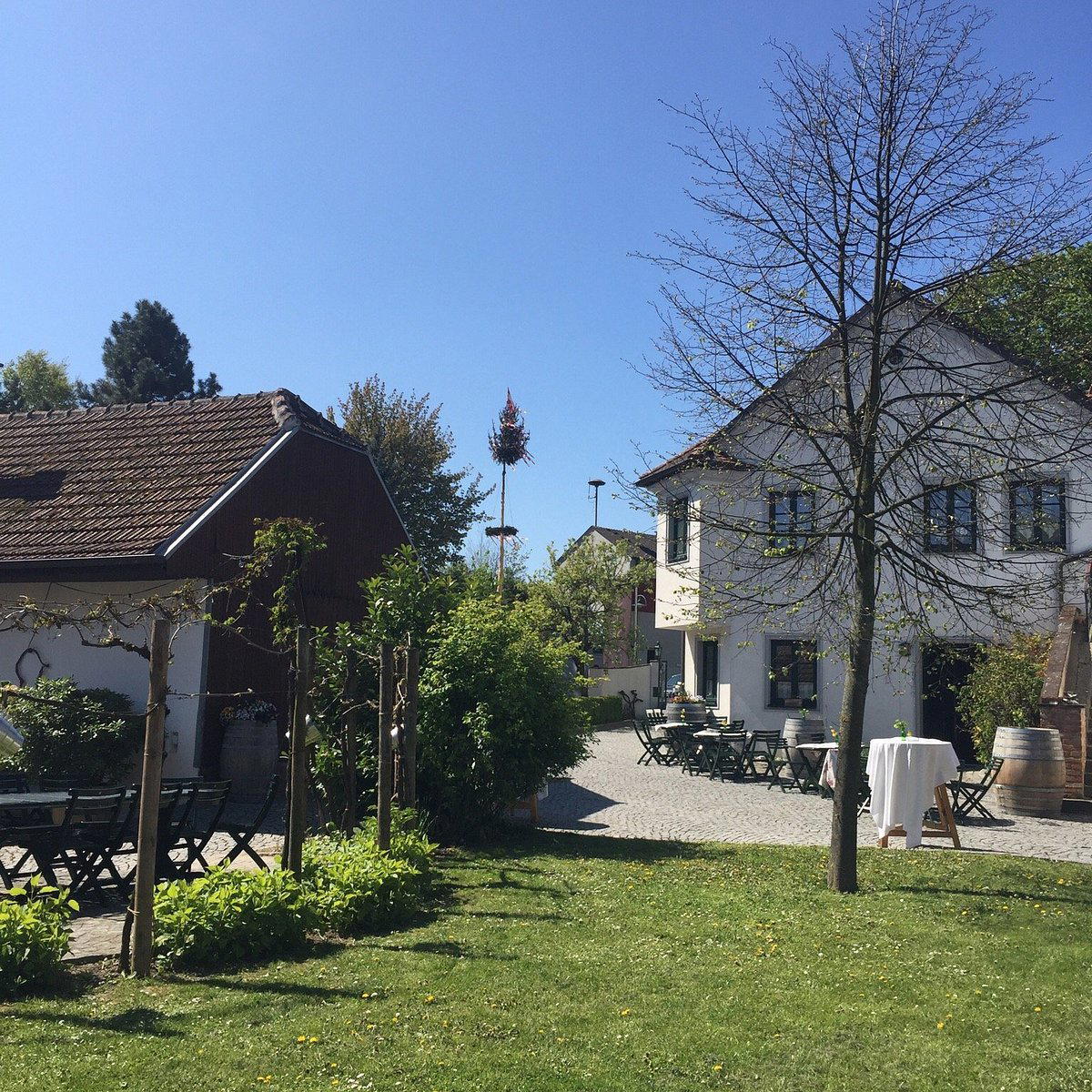
Minoritenplatz is one of those small-town Austrian squares that does a lot of quiet work. The stone paving, the proportional buildings, the unhurried pace of a market town that sits roughly 40 kilometres northwest of Vienna along the Danube corridor, it all adds up to a context that feels genuinely removed from the capital's dining theatre. WOMO occupies this address at Minoritenpl. 6 in Tulln an der Donau. This is not a city where high-volume spectacle has much purchase. The places that have built durable reputations in Tulln tend to be those that take a considered, produce-led approach, and that pattern runs through the town's more serious dining options.
Where the Food Comes From
The Wachau and Weinviertel regions that flank Tulln an der Donau have long supplied Austrian kitchens with some of the country's most consistent agricultural output. The Danube valley produces apricots, vegetables, and herbs that appear across the region's restaurants; the surrounding farmland keeps shorter supply chains viable in a way that larger cities often cannot. Tulln itself has a garden-town identity, it hosts one of Austria's significant horticultural events annually, and that agricultural proximity tends to filter into how the better local kitchens think about their menus. The sourcing logic that drives destination restaurants further afield in Austria, places like Landhaus Bacher in Mautern an der Donau along the same Danube stretch, reflects a regional philosophy about cooking from what the landscape provides rather than importing prestige ingredients from further away.
WOMO sits within this context. The address on Minoritenplatz places it in the older, denser part of town, close to pedestrian movement and away from the peripheral commercial strips. Venues in this kind of position in Austrian market towns typically draw a mix of locals who treat them as a regular, and visitors passing through on the Danube cycling route or arriving from Vienna for a slower weekend. That dual audience tends to push kitchens toward menus that are confident rather than experimental, dishes that hold up across multiple visits without requiring explanation.
The Tulln Dining Circuit
Tulln's restaurant scene is small enough that the tier distinctions are clear. At one end, you have casual formats: NPizza handles the pizza-and-informal-evening slot; Süddeck addresses a different appetite for relaxed riverside dining. In the middle register, Lilli's and Sodoma represent venues that have found a stable local audience. Restaurant Wöber occupies its own position in town. WOMO joins this circuit at Minoritenplatz, adding to a cluster of options that make a half-day or evening in Tulln a more complete proposition than it might appear from a distance.
For context on what more formally recognised Austrian dining looks like at a regional level, Steirereck im Stadtpark in Vienna sets the benchmark for the country's ingredient-focused fine dining tradition. Further afield, Döllerer in Golling an der Salzach and Obauer in Werfen demonstrate how provincial Austrian kitchens have built serious reputations on regional sourcing rather than international reference points. In the alpine resort context, Gourmetrestaurant Tannenhof in Sankt Anton am Arlberg, Griggeler Stuba in Lech, and Kräuterreich by Vitus Winkler in Sankt Veit im Pongau reflect how herb and forage-led sourcing has become a distinct strand within Austrian gastronomy. Ikarus in Salzburg and Restaurant 141 by Joachim Jaud in Mieming show what happens when kitchens in smaller Austrian cities move into a more international register. Ois in Neufelden is another example of a smaller-town Austrian restaurant that has developed a reputation worth travelling for. Internationally, the produce-first rigour visible in Austria's better regional kitchens finds loose equivalents in places like Le Bernardin in New York City and Atomix in New York City, though the cultural reference points are entirely different.
Planning a Visit
Tulln an der Donau is accessible from Vienna by regional train in under an hour, which makes it a practical day-trip or early-evening destination for those based in the capital. The Minoritenplatz address is walkable from the town's train station, keeping logistics direct. The town is busiest during the Gartentulln horticultural season in early autumn, when accommodation and restaurant seats in the area fill faster than usual. Outside that window, Tulln runs at a quieter pace that suits unhurried meals.
How It Stacks Up
Comparable venues nearby, for context on price, style, and recognition.
| Venue | Cuisine | Price | Awards | Notes |
|---|---|---|---|---|
| WOMOThis venue — the venue you are viewing | Fusion Austrian-International | $$ | Not listed | Not listed |
| Süddeck | Modern Austrian with Mediterranean influences | $$$ | Not listed | Donaulände |
| Restaurant Wöber | Contemporary Fine Dining | $$$$ | Not listed | Tulln an der Donau |
| Lilli's | Modern Customizable Bowls & Frozen Yogurt | $$ | Not listed | Tulln an der Donau |
| Sodoma | Traditional Austrian Gastropub | $$ | Michelin Plate | Tulln an der Donau |
| NPizza | Neapolitan Pizza | $$ | Not listed | Donaulände |
Continue exploring
More in Tulln an der Donau
Restaurants in Tulln an der Donau
Browse all →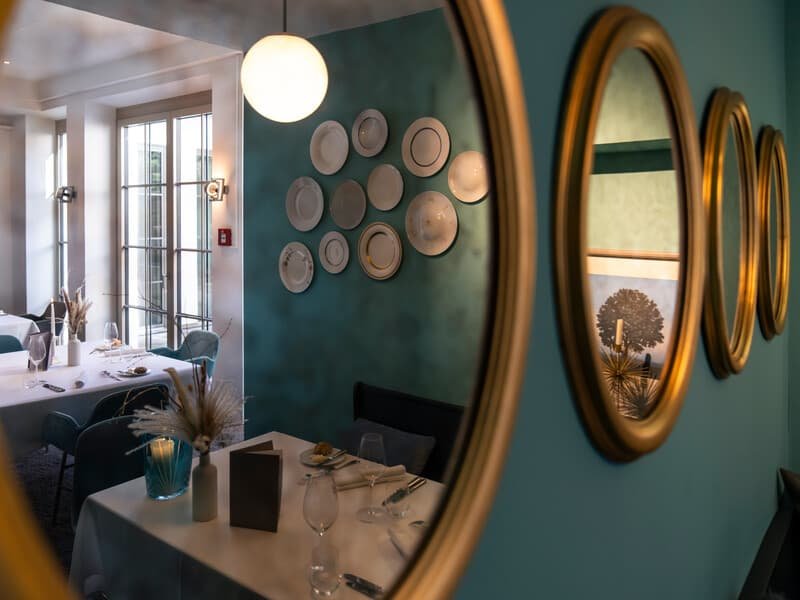
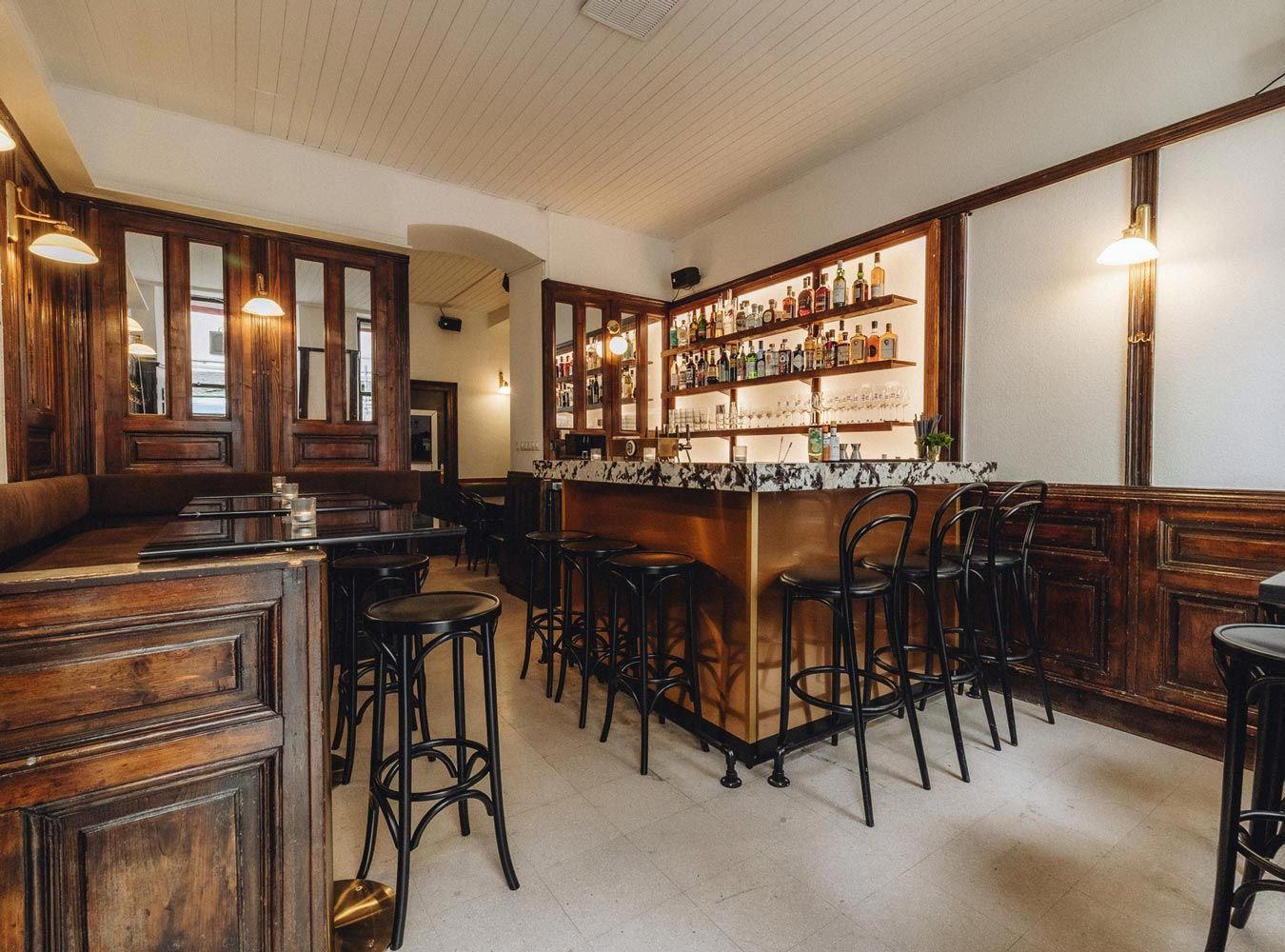
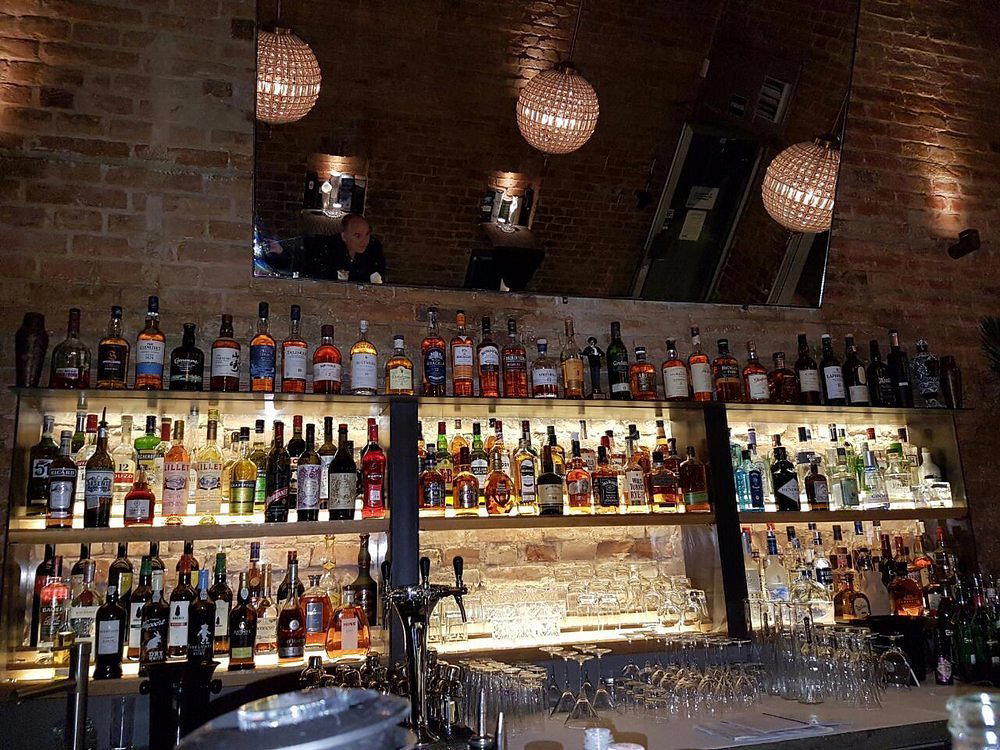
Bars in Tulln an der Donau
Browse all →

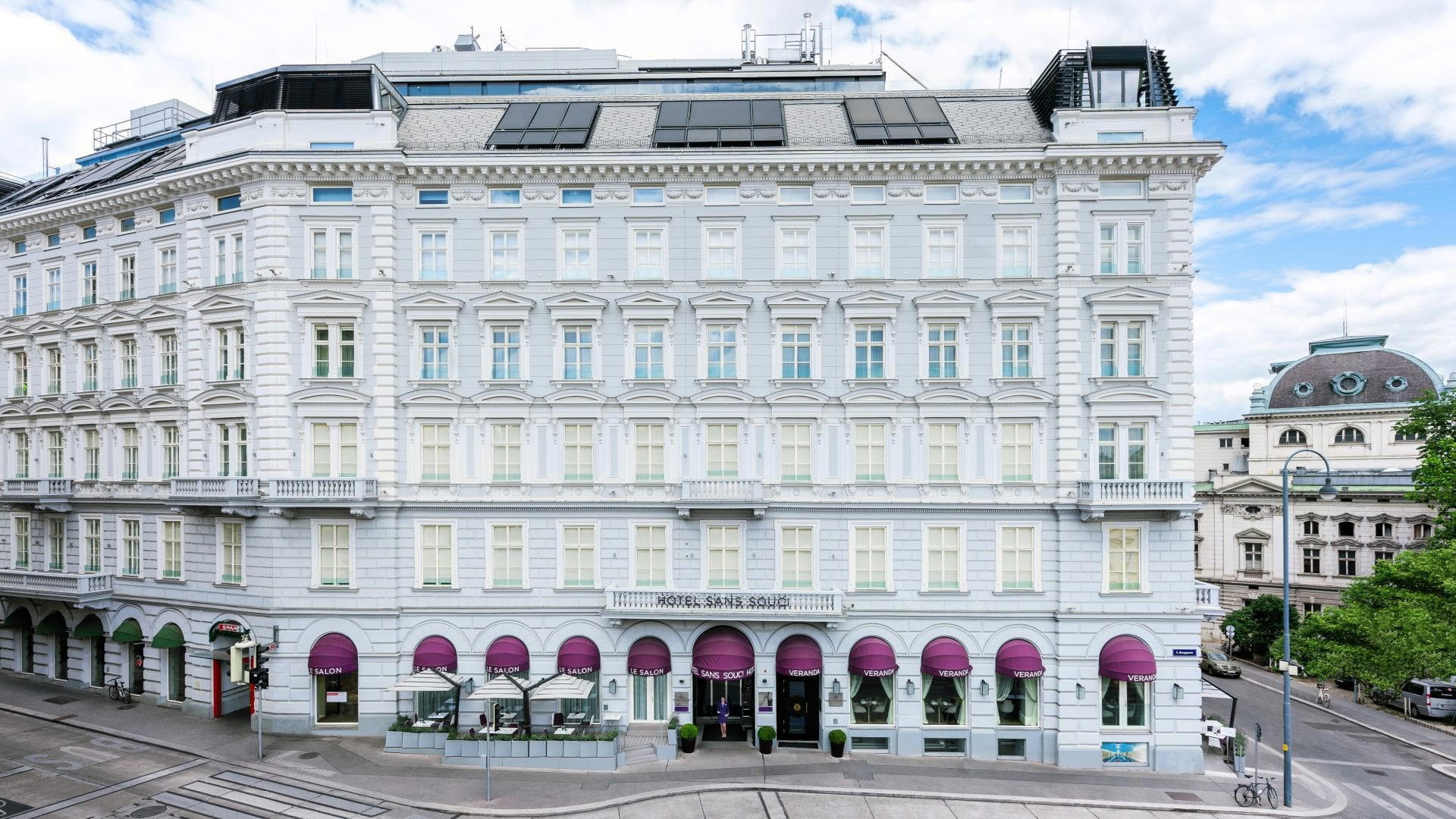
Hotels in Tulln an der Donau
Browse all →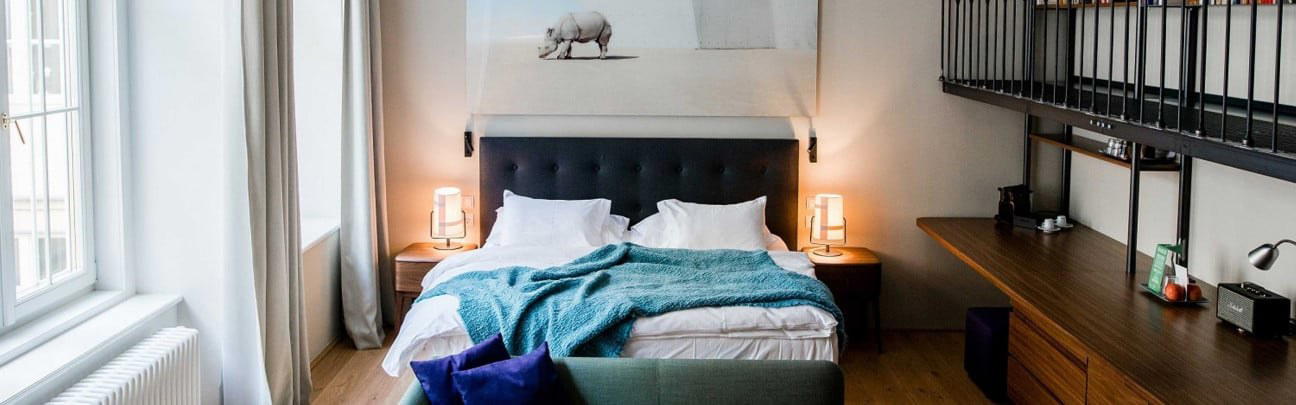

At a Glance
- Cozy
- Modern
- Casual Hangout
- Date Night
- Local Sourcing
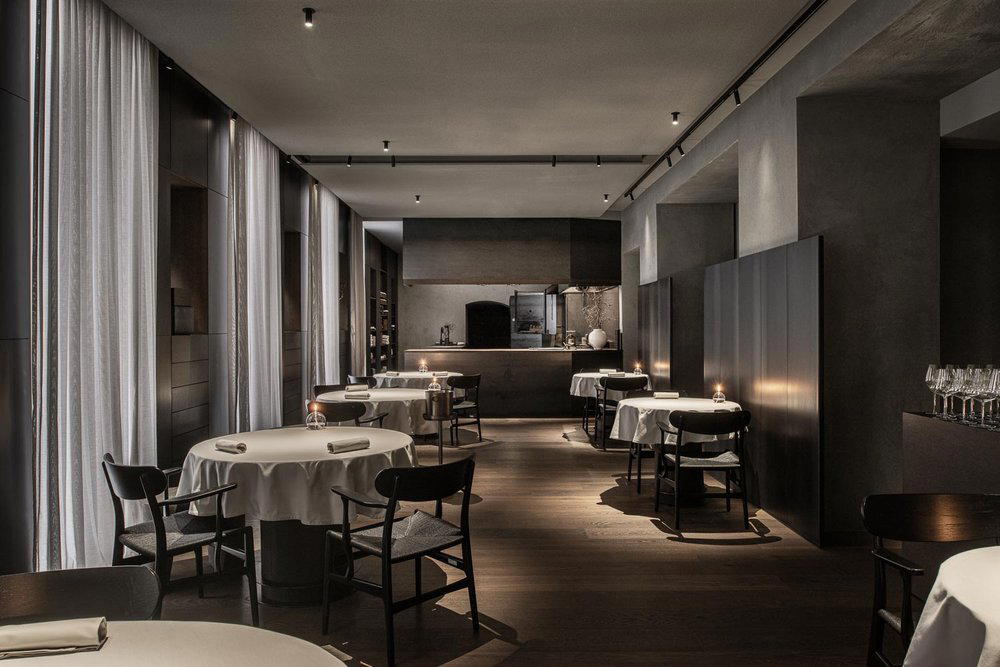
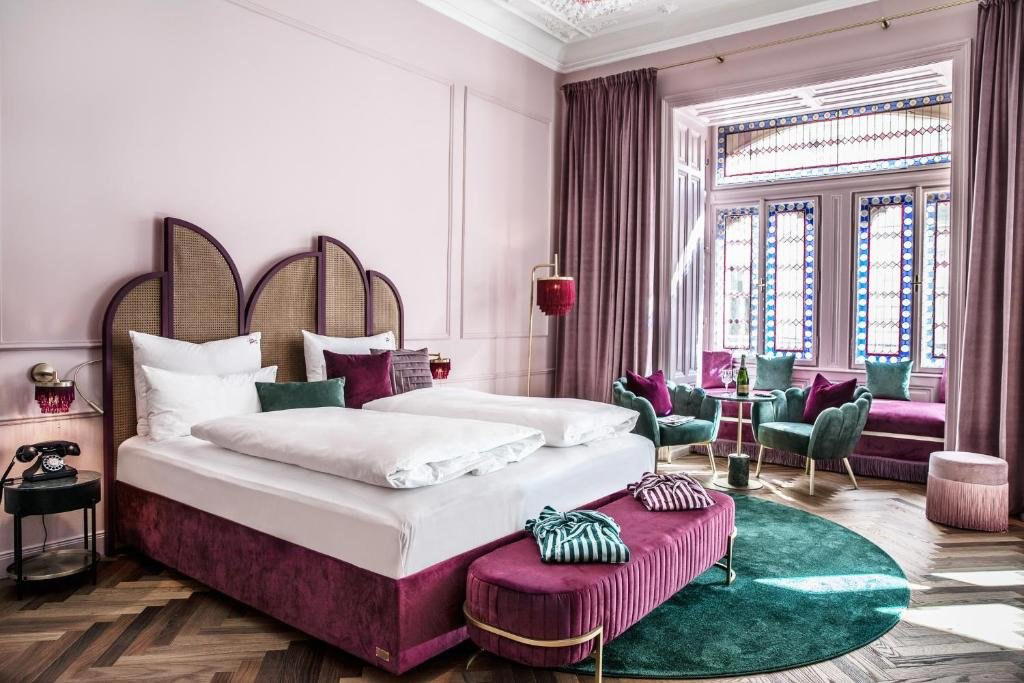
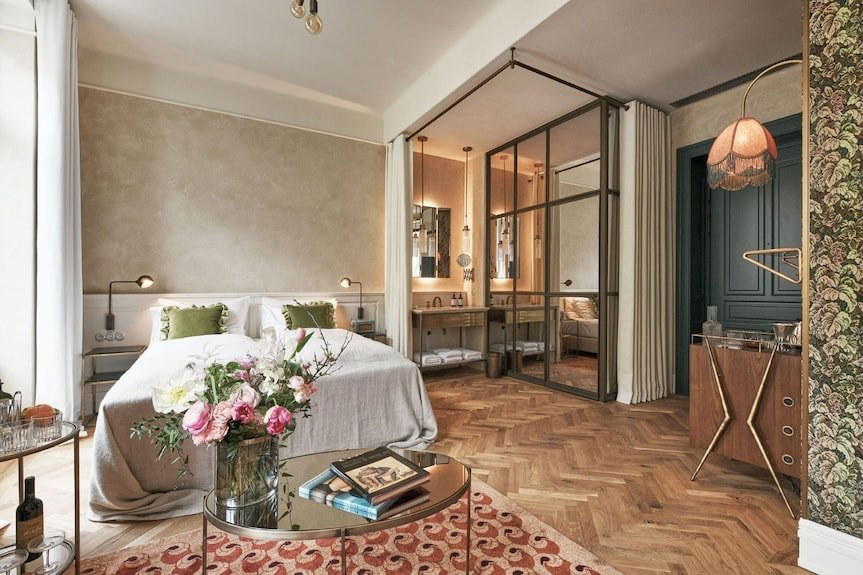
Charming and pleasant atmosphere ideal for intimate dinners or casual gatherings with attentive staff.