NPizza
NPizza occupies a spot on Donaulände in Tulln an der Donau, a small Danube town in Lower Austria that has quietly developed a dining scene worth tracking. The pizza format here sits within a wider Austrian provincial tradition of taking imported culinary references seriously and executing them on local terms. Practical details including hours and booking options are best confirmed directly with the venue.
Pearl is the En Primeur Club membership app — saves, bookings, and concierge access live there. Same editors, same standards.
- Address
- Donaulände 78, 3430 Tulln an der Donau, Austria
- Phone
- +43227293084
- Website
- npizza.at
- Directions
- Get directions
 Saves & bookings on Pearl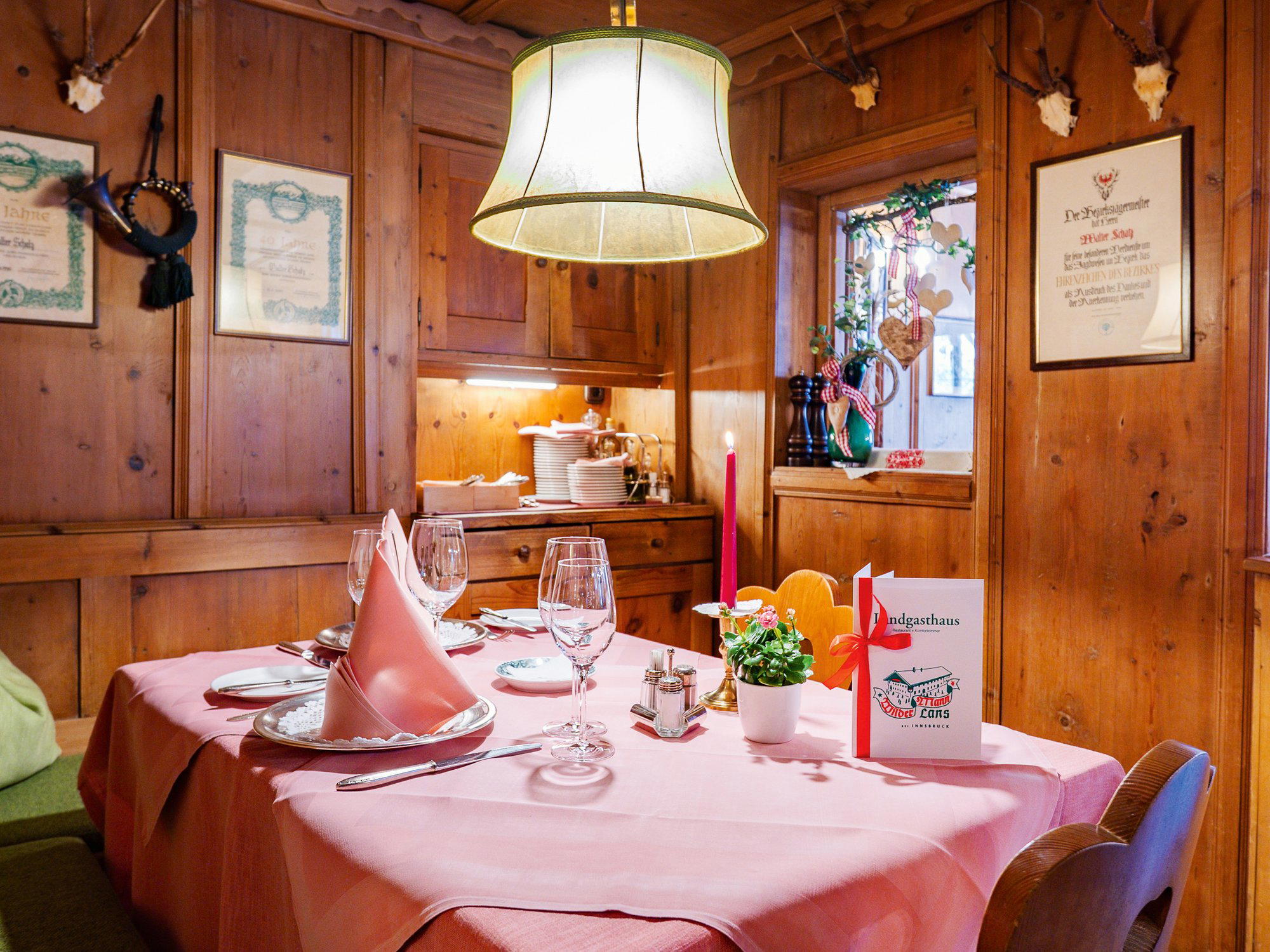
Pizza on the Danube: What the Format Means in a Small Austrian Town
Tulln an der Donau sits roughly 30 kilometres northwest of Vienna along the Danube, a market town of around 16,000 people that most visitors pass through on cycling routes or during the annual garden show season. The dining scene here operates differently from the capital: restaurants serve a local population first and passing trade second, which tends to produce a more honest read of what actually works in a given format. NPizza, at Donaulände 78 in Tulln an der Donau, is a Neapolitan pizza restaurant with a casual dress code and recommended reservations, a stretch that in warmer months draws pedestrian traffic from the Danube cycling path, one of Europe's busiest long-distance cycling routes.
Pizza as a category has undergone significant reappraisal across Central Europe over the past decade. The shift mirrors what happened in the United States and the United Kingdom somewhat earlier: a move away from heavily topped, high-moisture pies toward formats that privilege dough quality, fermentation time, and ingredient restraint. In Austrian provincial towns, this transition tends to arrive later than in the capital, but it arrives more durably, because when a format takes hold in a smaller market it usually reflects genuine local appetite rather than trend-chasing. A pizza operation on Tulln's riverfront is not competing with a dozen neighbours doing the same thing; it is more likely defining what the format means for that address.
The Cultural Weight of Pizza Outside Italy
Understanding pizza outside Italy requires separating the dish from its mythology. Neapolitan pizza, the style that carries the institutional authority, is governed by the Associazione Verace Pizza Napoletana, which certifies dough composition, fermentation periods, oven temperatures, and topping protocols. Roman pizza, particularly the al taglio format, operates on different logic: longer cold fermentation, higher hydration, a crispier crumb. Neither style travels wholesale; what typically reaches Central European markets is an interpretation that absorbs local ingredient availability and oven infrastructure. The interest is in how seriously that interpretation is pursued.
Austria has its own relationship with Italian culinary influence, rooted partly in geography and partly in the postwar gastronomy of the Adriatic coast, which Austrian holidaymakers encountered in large numbers through the 1960s and 1970s. That familiarity bred a certain fluency with Italian formats that is distinct from, say, the French or German relationship with the same cuisine. In smaller Austrian towns, Italian-influenced restaurants often represent a more considered engagement with the source material than their equivalents in larger cities, where volume pressures can flatten execution. This is the context in which a venue like NPizza operates in Tulln, a town where Lilli's, Restaurant Wöber, Sodoma, Süddeck, and WOMO collectively represent
Tulln's Dining Character and Where Pizza Fits
The dining scene in Tulln an der Donau rewards some mapping before you arrive. The town's restaurant addresses cluster near the old town centre and along the Danube embankment, with a secondary grouping around the pedestrian zone. The Donaulände strip, where NPizza sits, benefits from seasonal footfall but also carries year-round residential custom from the surrounding neighbourhoods. That dual audience, tourists in cycling gear and local families on a weekday evening, sets a particular kind of expectation: the format needs to work quickly, price accessibly, and still hold up under scrutiny from regulars who have been eating there for months.
Pizza occupies a specific social register in this context. It is not positioned at the formal end of the dining spectrum, which in the Danube corridor runs through establishments like Landhaus Bacher in Mautern an der Donau, a Michelin-recognised address roughly 60 kilometres southwest along the river. Nor is it positioned as casual fast food. The middle ground, where a well-made pizza commands attention on its own terms, is the territory NPizza occupies. Within the broader Austrian fine dining geography, which includes references like Steirereck im Stadtpark in Vienna, Döllerer in Golling an der Salzach, Ikarus in Salzburg, Obauer in Werfen, Gourmetrestaurant Tannenhof in Sankt Anton am Arlberg, Griggeler Stuba in Lech, Kräuterreich by Vitus Winkler in Sankt Veit im Pongau, Restaurant 141 by Joachim Jaud in Mieming, and Ois in Neufelden, a riverfront pizza address in Tulln is clearly a different tier. The comparison is not unflattering; it simply locates the venue accurately in a spectrum where most diners spend most of their evenings.
For visitors arriving via the Danube cycling path and looking to eat well without formality, the Donaulände address is a practical anchor. The cycling route draws a demographically broad audience, and provisions along that stretch tend to see high turnover in summer and a more local, quieter trade through autumn and winter. Timing a visit outside peak cycling season, roughly late September onward, typically means a more settled pace of service and a clientele that reflects the town rather than the route.
Planning a Visit
Current hours are Mon: Closed; Tue to Sun: 11:30 AM to 9:30 PM. Reservations are recommended, and pricing is around USD 15 per person. Given the Donaulände location and the likely mix of cycling-route visitors and local regulars, walk-in capacity may vary considerably by season. Weekend evenings in summer, when the riverfront sees its highest footfall, carry uncertainty for walk-in access. Le Bernardin in New York City and Atomix in New York City represent the kind of precision-led, ingredient-focused approach that has influenced how European chefs across categories, including pizza, think about sourcing and execution.
Booking and Cost Snapshot
Comparable venues nearby, for context on price, style, and recognition.
| Venue | Cuisine | Price | Awards | Notes |
|---|---|---|---|---|
| NPizzaThis venue — the venue you are viewing | Donaulände, Neapolitan Pizza | $$ | Not listed | Not listed |
| WOMO | Not listed | $$ | Not listed | Minoritenplatz, Fusion Austrian-International |
| Restaurant Wöber | Not listed | $$$$ | Not listed | Tulln an der Donau, Contemporary Fine Dining |
| Süddeck | Not listed | $$$ | Not listed | Donaulände, Modern Austrian with Mediterranean influences |
| Sodoma | Not listed | $$ | Michelin Plate | Tulln an der Donau, Traditional Austrian Gastropub |
| Lilli's | Not listed | $$ | Not listed | Tulln an der Donau, Modern Customizable Bowls & Frozen Yogurt |
Continue exploring
More in Tulln an der Donau
Restaurants in Tulln an der Donau
Browse all →
Bars in Tulln an der Donau
Browse all →

Hotels in Tulln an der Donau
Browse all →
At a Glance
- Rustic
- Cozy
- Casual Hangout
- Family
- Waterfront
- Local Sourcing
- Waterfront
Current opening hours
- Monday
- Closed
- Tuesday
- 11:30 AM–9:30 PM
- Wednesday
- 11:30 AM–9:30 PM
- Thursday
- 11:30 AM–9:30 PM
- Friday
- 11:30 AM–9:30 PM
- Saturday
- 11:30 AM–9:30 PM
- Sunday
- 11:30 AM–9:30 PM
Hours can change for holidays and private events. Last verified .
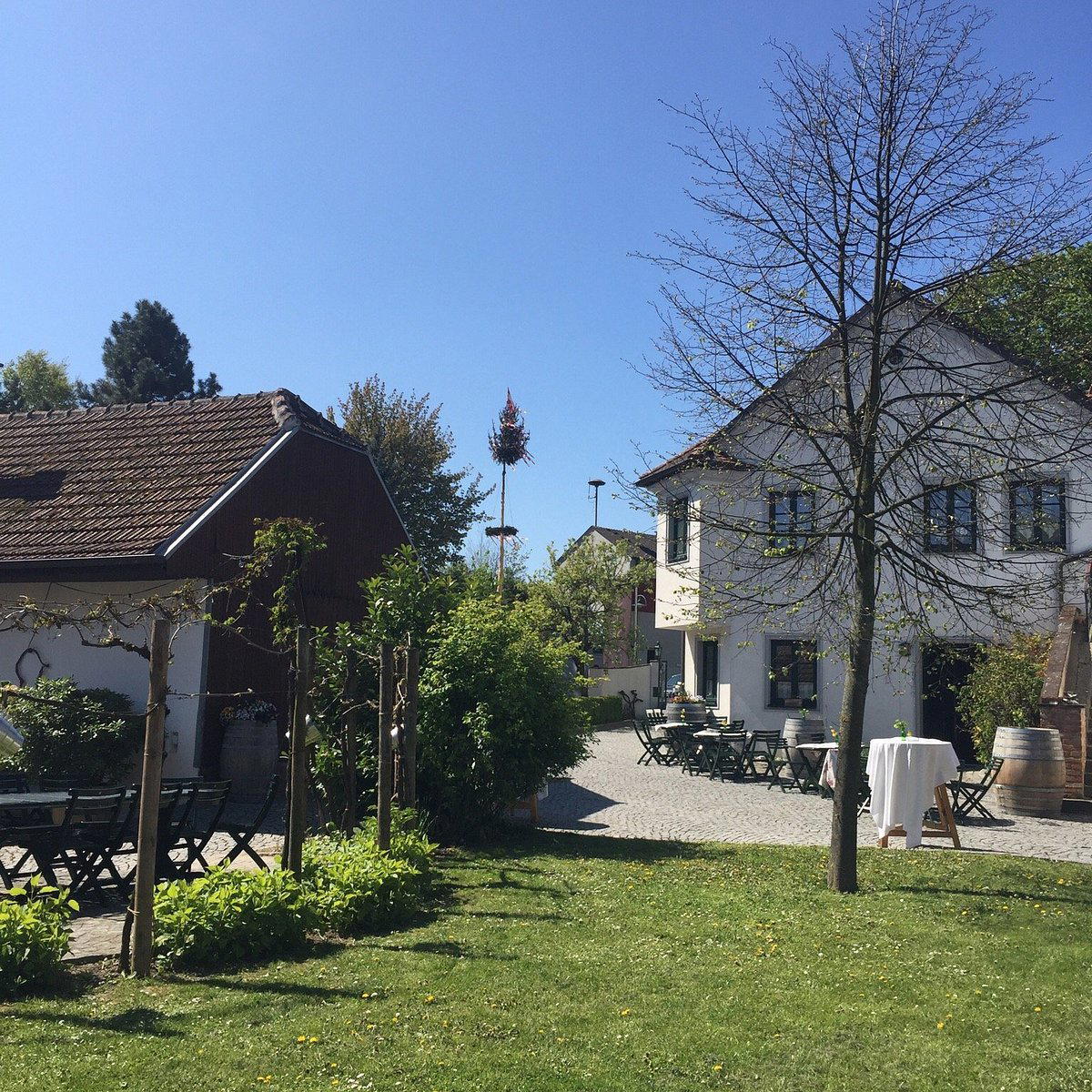
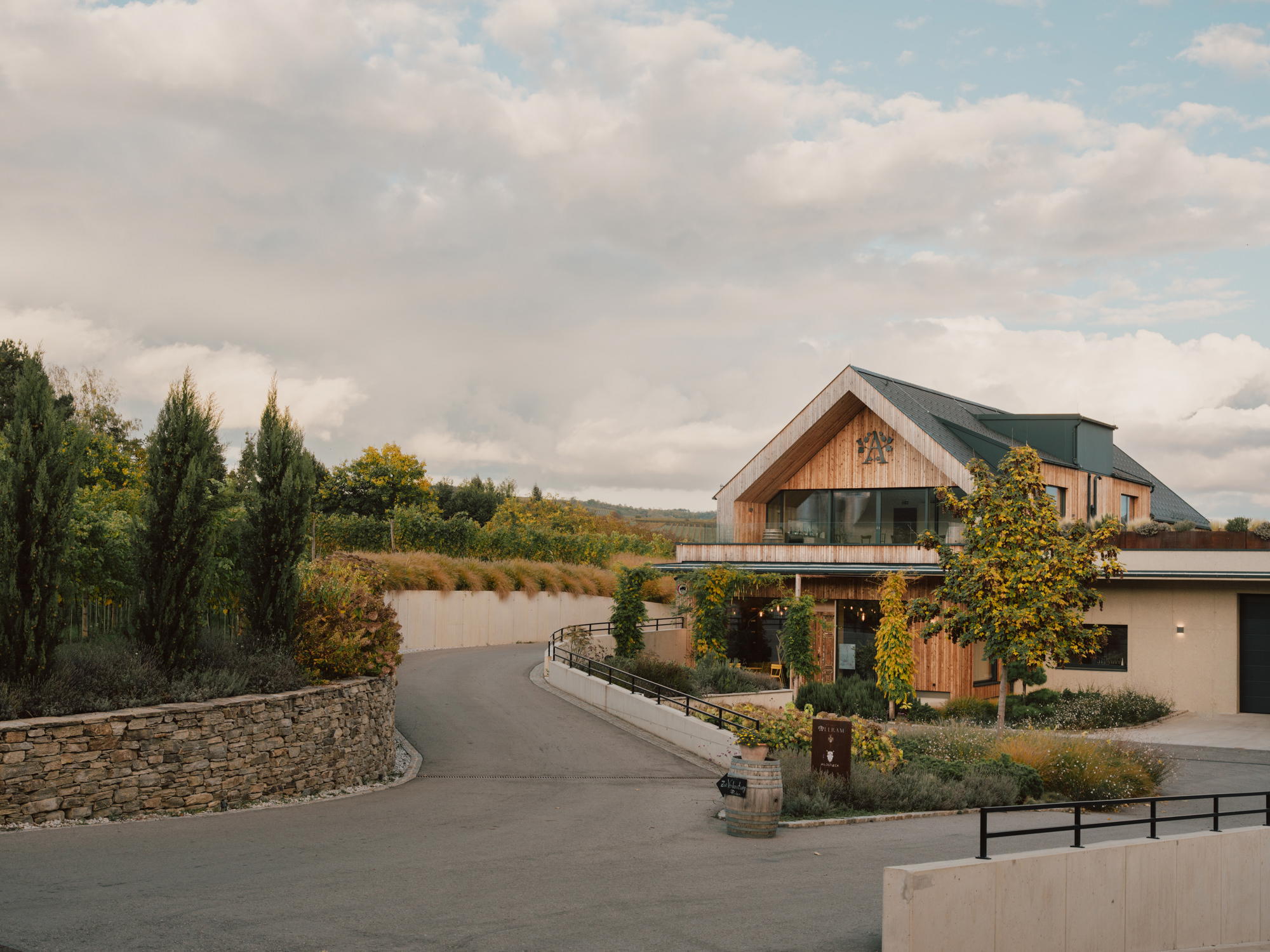
Rustic decor with an inviting atmosphere.