Restaurant Wöber

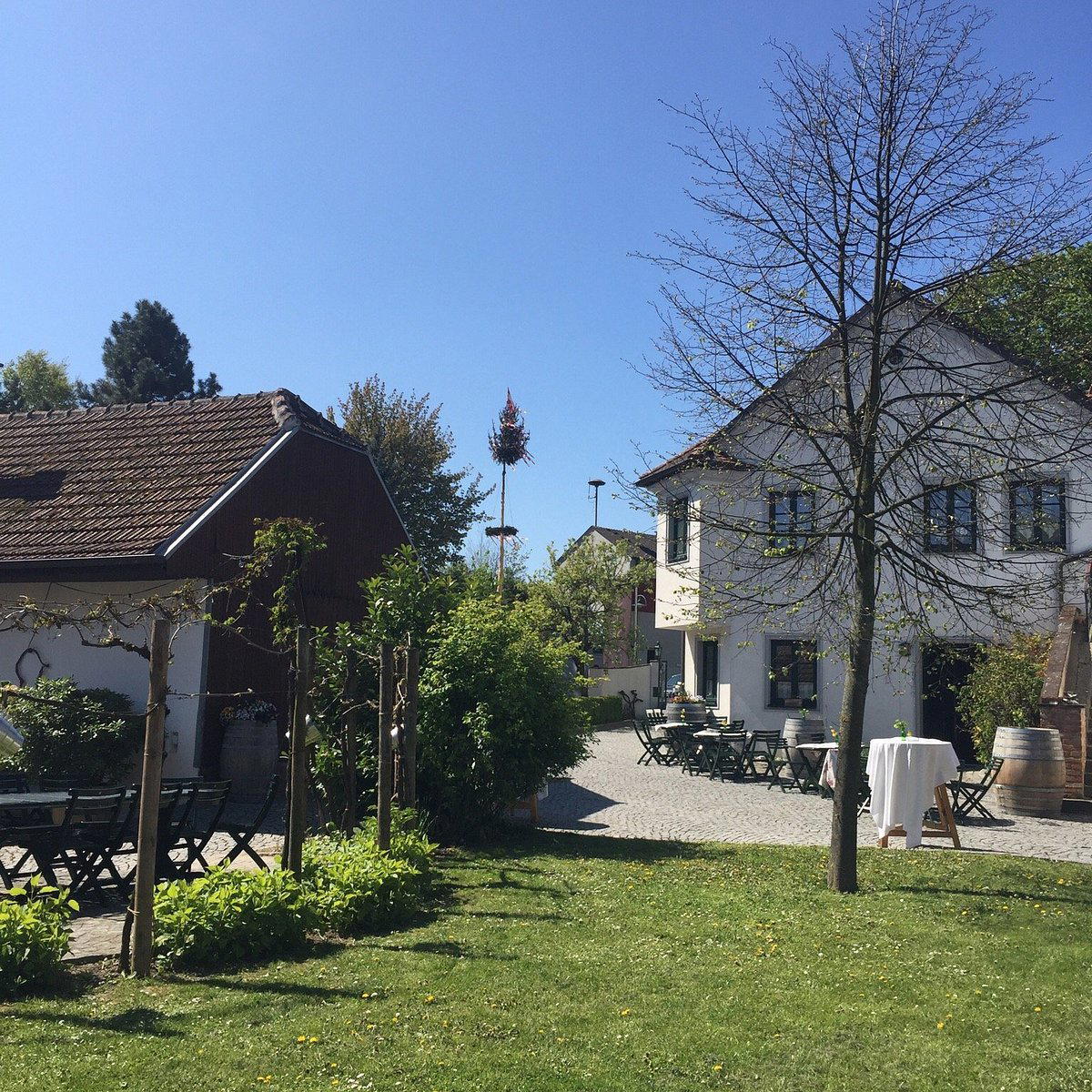
Restaurant Wöber occupies a quietly considered position in Tulln an der Donau's dining scene, drawing visitors who come to this Danube-side Lower Austrian town for more than its famous flower festival. Located on Wiener Strasse in the town centre, Wöber represents the kind of regional restaurant where the ritual of the meal matters as much as what arrives on the plate, a mode of dining that Austria's smaller cities do with particular seriousness.
Pearl is the En Primeur Club membership app — saves, bookings, and concierge access live there. Same editors, same standards.
- Address
- Wiener Str. 3, 3430 Tulln an der Donau, Austria
- Phone
- +436769320411
- Website
- restaurant-woeber.at
- Directions
- Get directions
 Saves & bookings on Pearl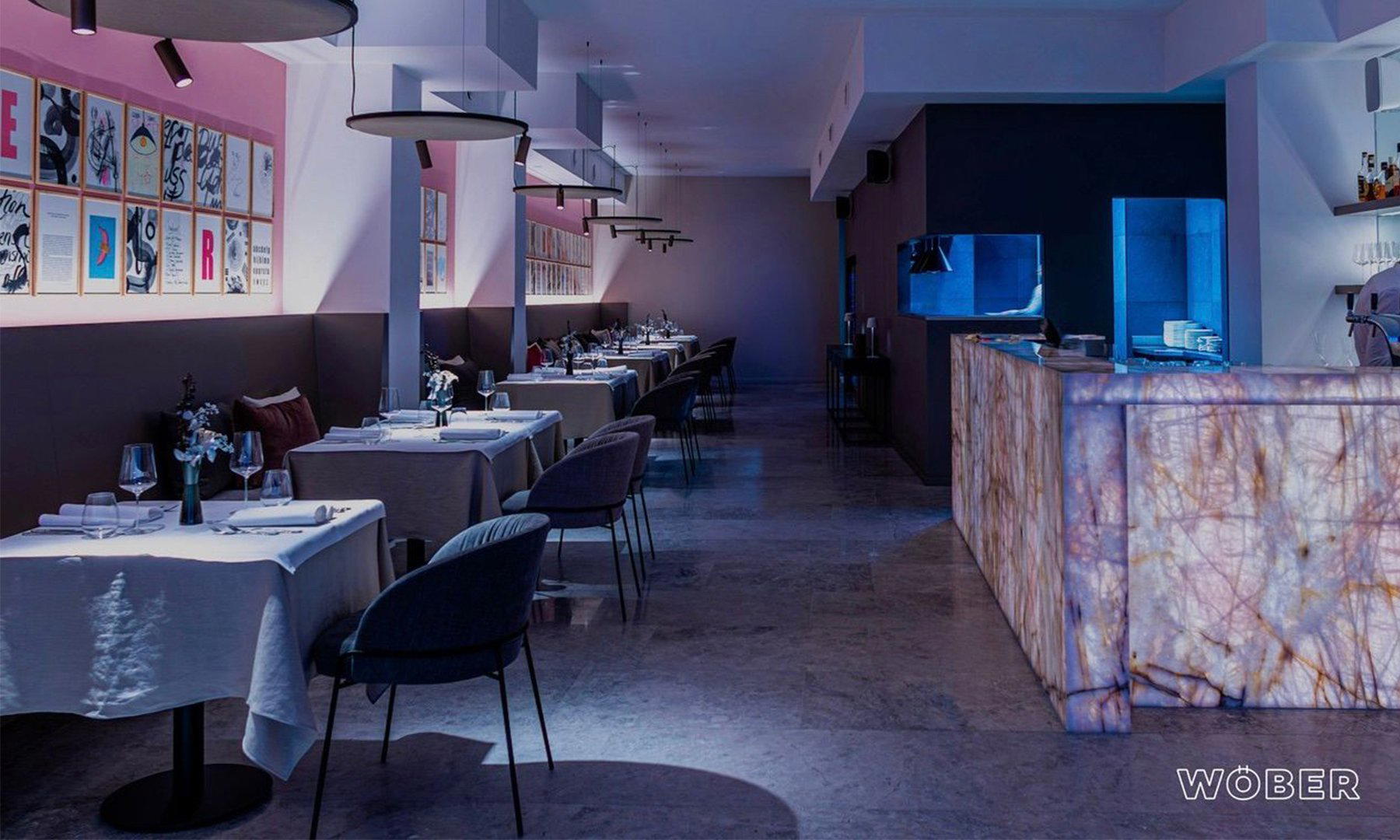
Tulln's Table: Where the Ritual of Eating Still Holds
In places like Tulln an der Donau, roughly 25 kilometres northwest of Vienna, the meal is not an event you schedule around the rest of the day. It is, more often than not, the day. Restaurant Wöber, on Wiener Strasse in the town centre, sits squarely inside that tradition: a place where the architecture of a meal, its pacing, its pauses, the moment between courses when conversation fills the room, is taken as seriously as the food itself.
Tulln occupies an interesting position in Lower Austria's dining geography. It is close enough to Vienna that it draws a commuter population with metropolitan expectations, yet self-contained enough that its restaurants develop their own rhythms rather than mirroring the capital. For context, the benchmark for Austrian fine dining sits in places like Steirereck im Stadtpark in Vienna and Landhaus Bacher in Mautern an der Donau, the latter itself a Danube-country institution that has long demonstrated what serious regional cooking looks like outside the capital. Wöber operates in a different register: a town-centre address serving a community that returns regularly, where the dining ritual is shaped by familiarity as much as occasion.
The Dining Rhythm in Lower Austrian Context
Austrian restaurant culture retains conventions that more trend-driven cities have shed. The expectation of unhurried service, courses that arrive with genuine breathing room between them, a wine programme anchored in the local and the regional rather than the international, these are not affectations here but simply how a proper meal is conducted. Across Austria's Danube corridor, from Klosterneuburg through Tulln and westward toward Krems, this approach defines the better restaurants rather than marking them as old-fashioned.
This matters when reading a place like Restaurant Wöber. The address, Wiener Strasse 3, places it on one of Tulln's main arteries, accessible from the train station and the town's pedestrian core without requiring a car. For visitors arriving from Vienna by rail, the journey runs roughly 35 to 40 minutes on the Franz-Josefs-Bahn, which makes Tulln a plausible lunch destination rather than a major detour. That logistical convenience is part of why the town's restaurant scene has developed genuine depth rather than depending entirely on local custom.
Within Tulln itself, Wöber sits among a group of restaurants that together reflect the town's range of dining formats. Lilli's and Süddeck represent different points on that spectrum, while NPizza and WOMO address more casual registers. Sodoma rounds out a scene that, for a town of Tulln's size, is more considered than the visitor count might suggest. That breadth, from casual to ceremonial, is exactly what allows a restaurant like Wöber to hold a distinct position rather than competing across all formats simultaneously.
Reading the Room: What Austria's Regional Restaurant Tradition Produces
Austria's non-metropolitan restaurant tradition has produced some of the country's most durable kitchens. Obauer in Werfen has operated for decades in a village of fewer than 3,000 people. Döllerer in Golling an der Salzach built a significant international profile from a similarly modest geographic base. In the Alpine west, Gourmetrestaurant Tannenhof in Sankt Anton am Arlberg, Griggeler Stuba in Lech, and Kräuterreich by Vitus Winkler in Sankt Veit im Pongau show how regional specificity and serious cooking coexist. Ikarus in Salzburg, with its rotating guest chef format, takes a different approach entirely. Ois in Neufelden and Restaurant 141 by Joachim Jaud in Mieming demonstrate that ambition in Austrian cooking is not geographically confined. These restaurants collectively make the case that eating well in Austria often means leaving the cities behind.
For the internationally-minded reader whose reference points include Le Bernardin in New York City or Atomix in New York City, the register shifts considerably when moving into Lower Austria's town-centre dining. The emphasis is less on tasting-menu architecture and more on a meal understood as a social form: the table as a place where time is spent deliberately, not efficiently.
Planning a Visit to Restaurant Wöber
Tulln an der Donau is served by regular rail connections from Vienna's Franz-Josefs-Bahnhof, placing it within practical reach for a half-day visit. The town itself is compact and walkable, with the Wiener Strasse address sitting close to the centre. Reservations are essential, and the restaurant is open Wednesday to Saturday from 4:30 to 11:30 PM.
Cuisine and Awards Snapshot
Comparable venues nearby, for context on price, style, and recognition.
| Venue | Cuisine | Price | Awards | Notes |
|---|---|---|---|---|
| Restaurant WöberThis venue — the venue you are viewing | Contemporary Fine Dining | $$$$ | Not listed | Not listed |
| Süddeck | Modern Austrian with Mediterranean influences | $$$ | Not listed | Donaulände |
| Sodoma | Traditional Austrian Gastropub | $$ | Michelin Plate | Tulln an der Donau |
| WOMO | Fusion Austrian-International | $$ | Not listed | Minoritenplatz |
| NPizza | Neapolitan Pizza | $$ | Not listed | Donaulände |
| Lilli's | Modern Customizable Bowls & Frozen Yogurt | $$ | Not listed | Tulln an der Donau |
Recognition history
Dated appearances from independent guides and award organizations, with the underlying list record or original source where available.
Michelin Plate
Michelin
Continue exploring
More in Tulln an der Donau
Restaurants in Tulln an der Donau
Browse all →
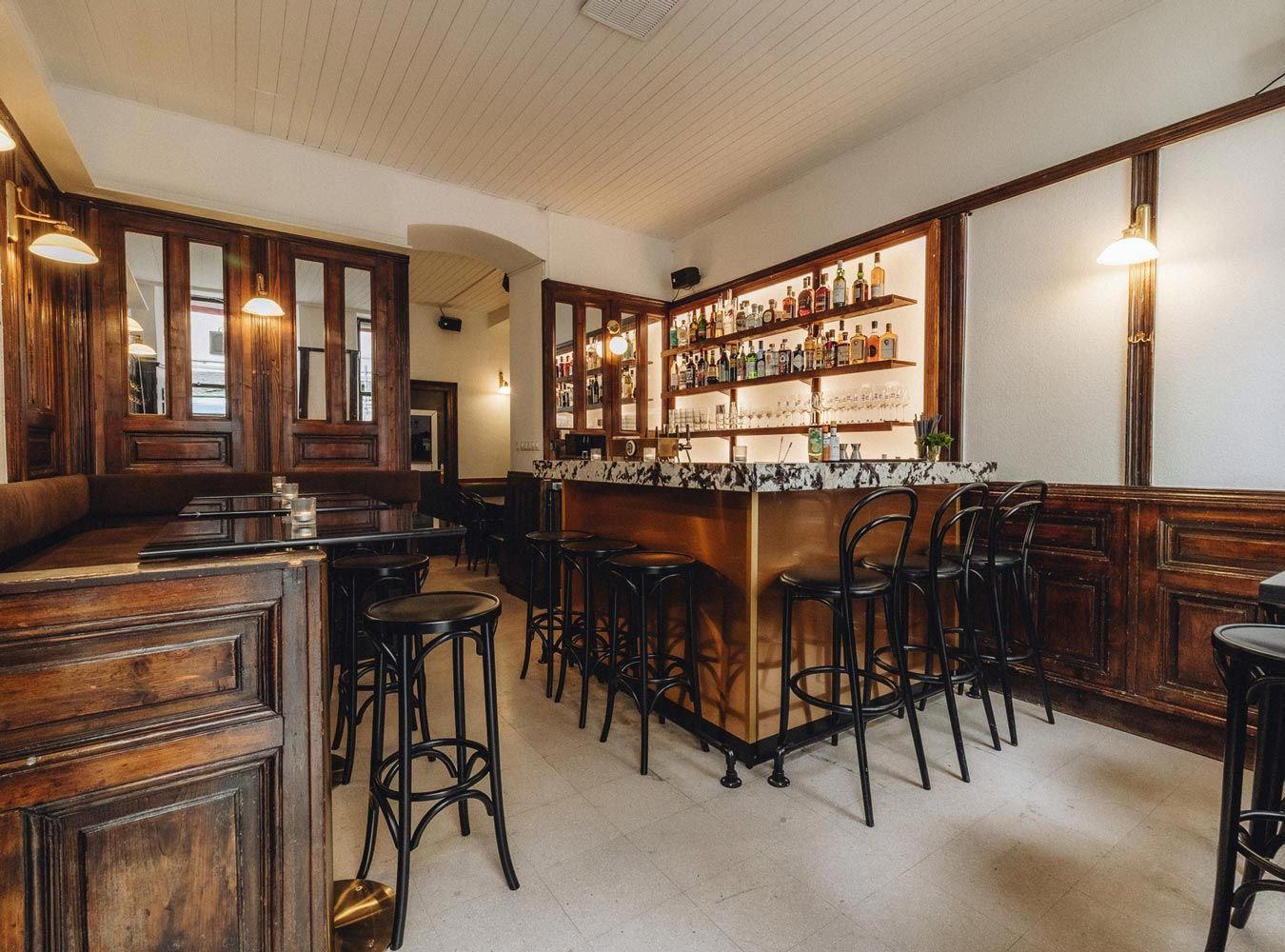
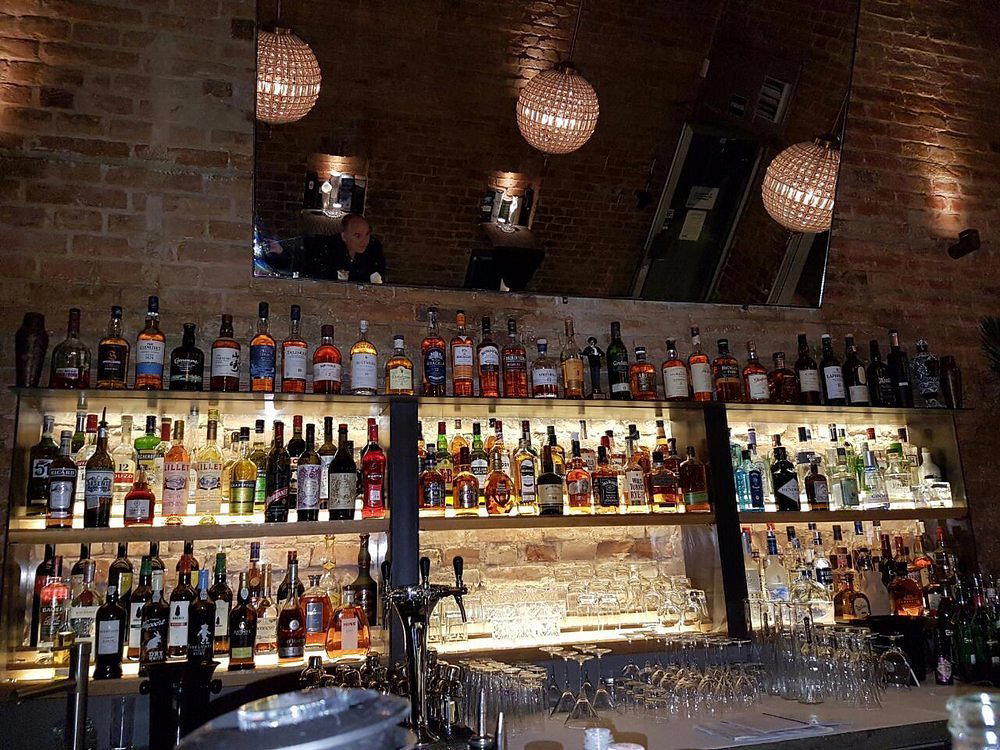
Bars in Tulln an der Donau
Browse all →

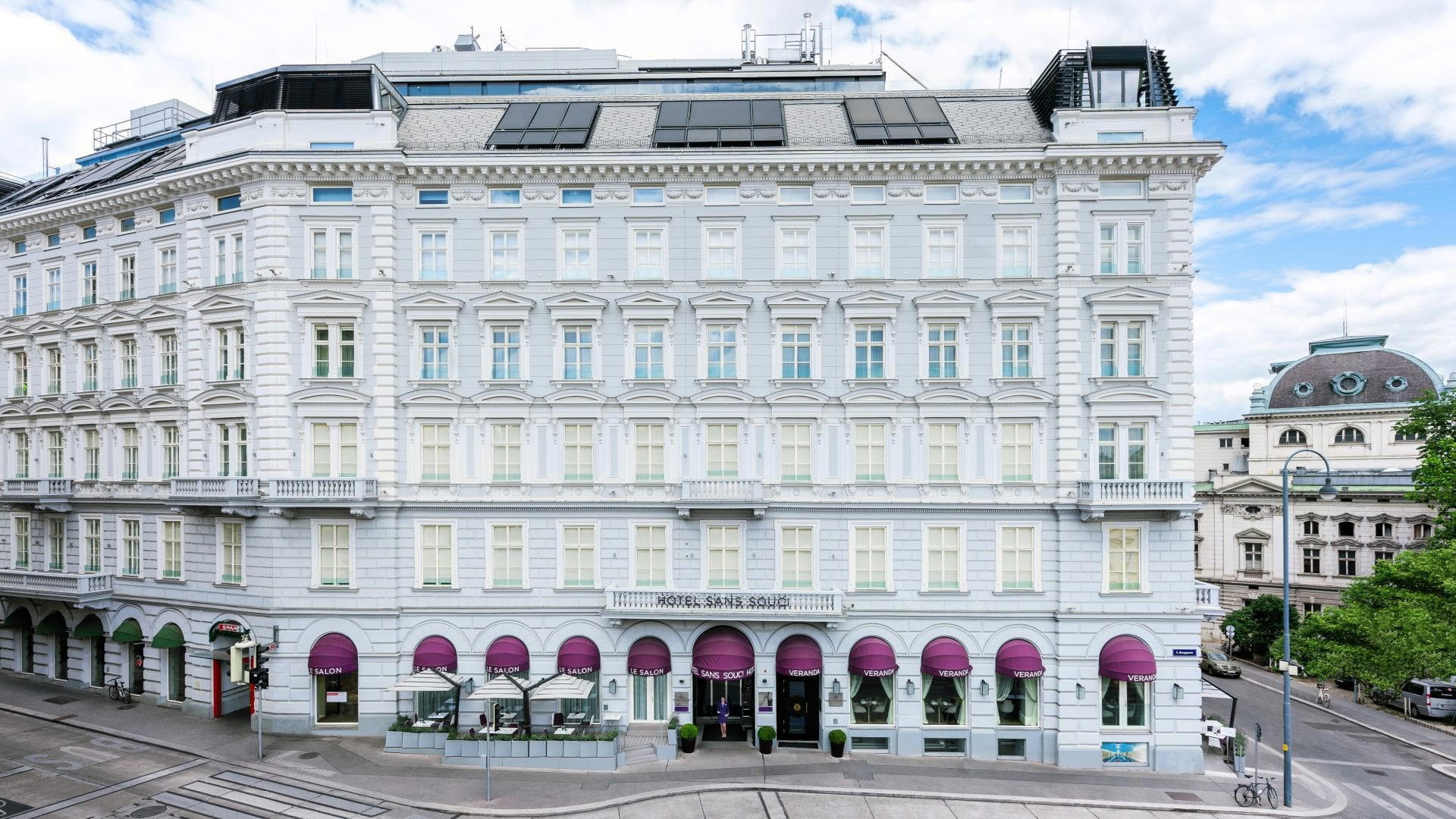
Hotels in Tulln an der Donau
Browse all →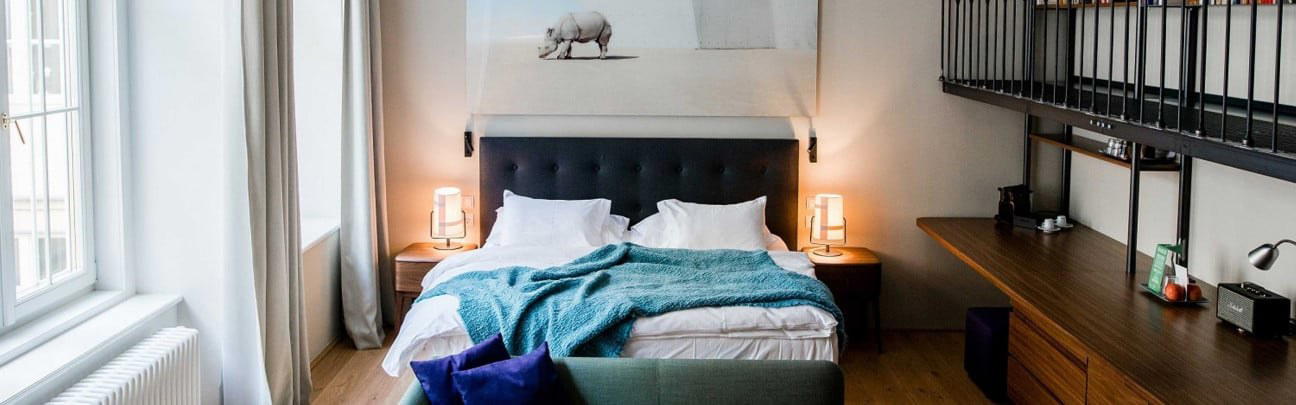
At a Glance
- Modern
- Elegant
- Intimate
- Sophisticated
- Date Night
- Special Occasion
- Open Kitchen
- Extensive Wine List
- Local Sourcing
Current opening hours
- Monday
- Closed
- Tuesday
- Closed
- Wednesday
- 4:30–11:30 PM
- Thursday
- 4:30–11:30 PM
- Friday
- 4:30–11:30 PM
- Saturday
- 4:30–11:30 PM
- Sunday
- Closed
Hours can change for holidays and private events. Last verified .
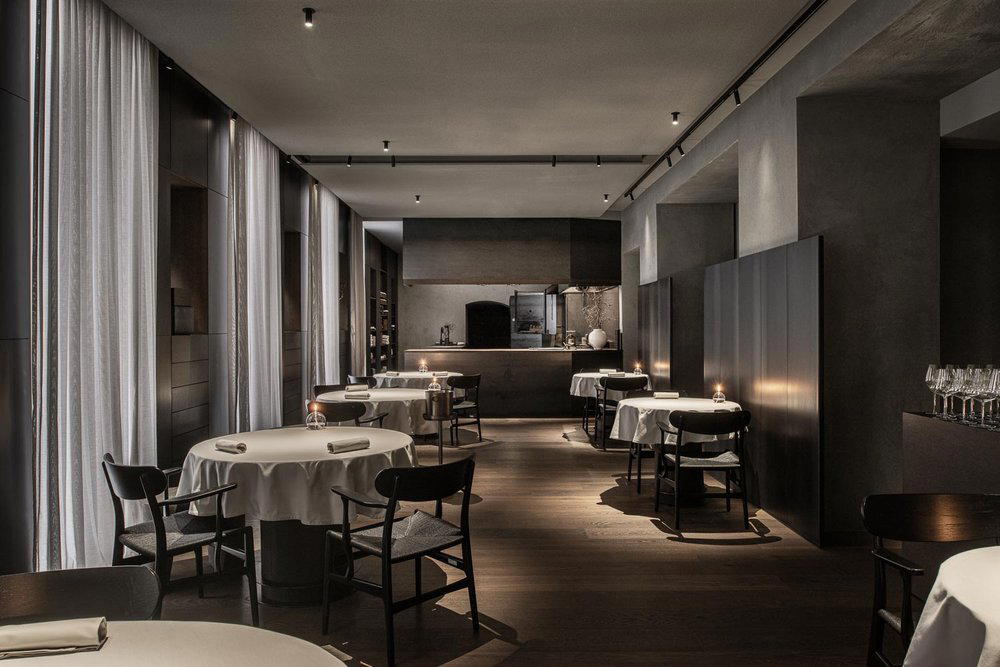
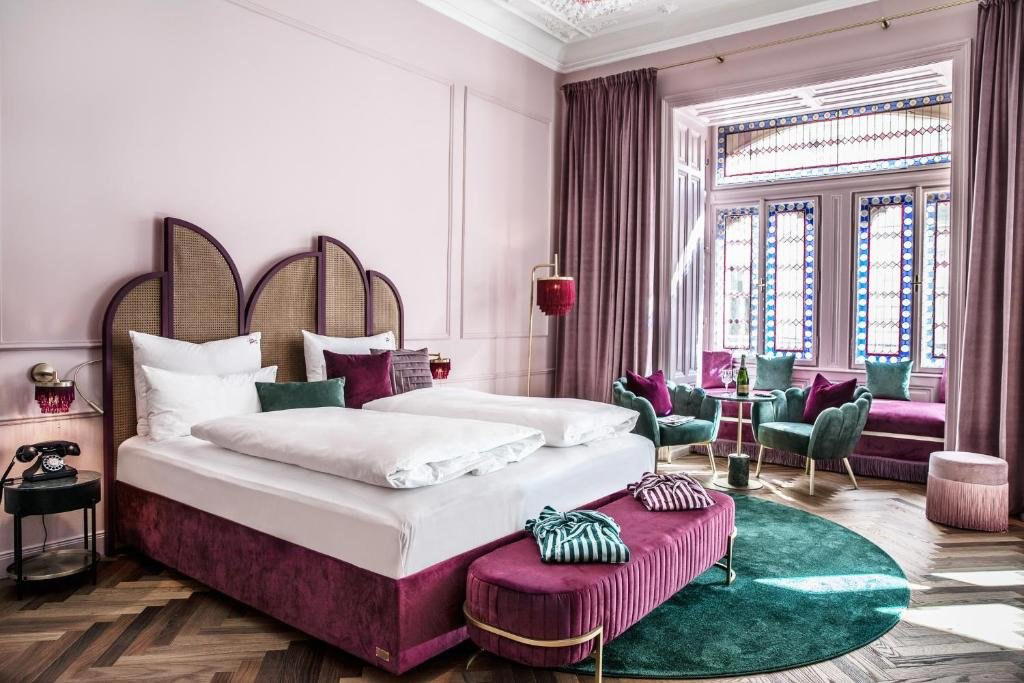
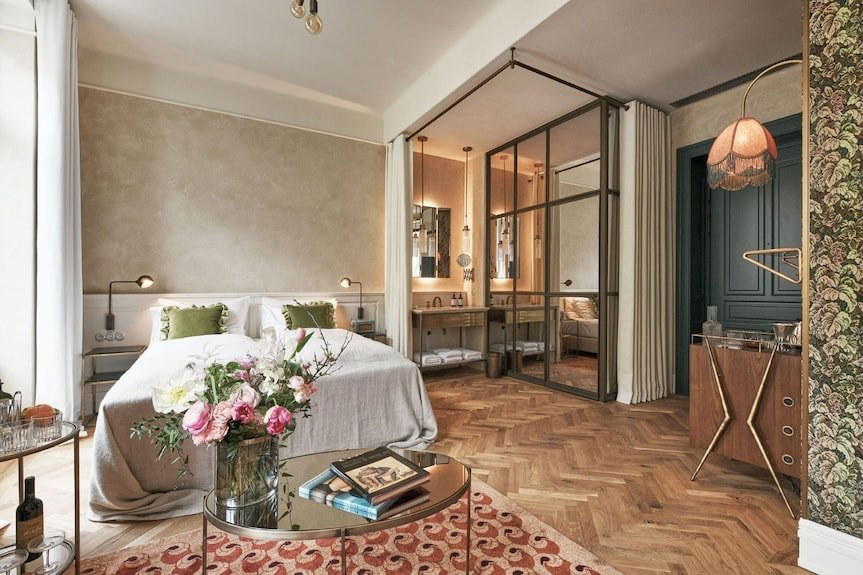
Chic and modern decor with cheerful pops of colour, artwork on the walls, and a distinctive onyx bar in a confidential, exclusive atmosphere.