Google: 4.3 · 11 reviews

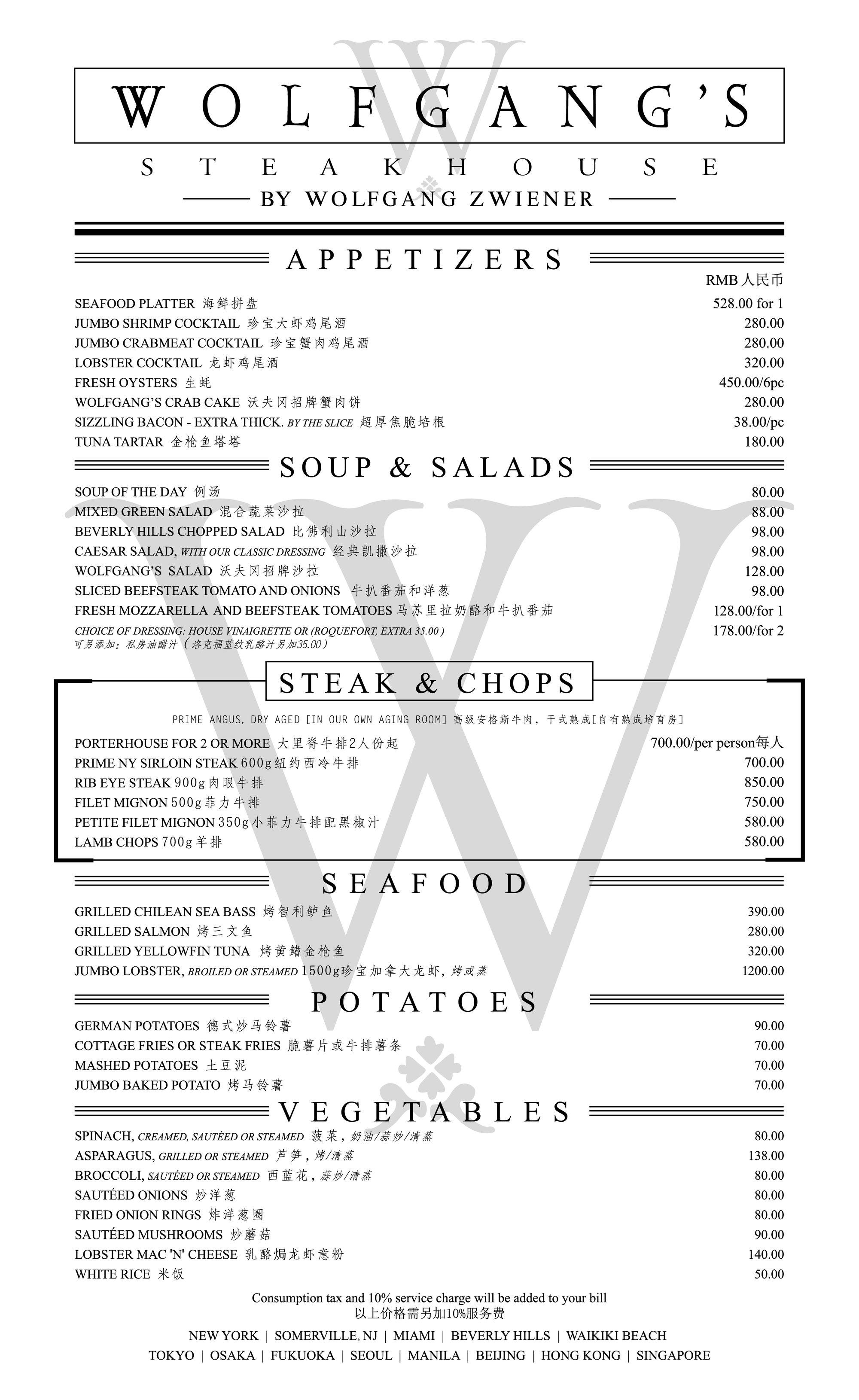
Wolfgang's Steakhouse brings the American dry-aged steakhouse format to Beijing's Chaoyang district, positioning itself in a dining tier where international format restaurants compete alongside premium Chinese tables. For visitors and residents seeking the aged-beef, tableside-cut tradition in the capital, it occupies a distinct niche in a city whose high-end dining scene has grown considerably more varied in recent years.
 Discover on Pearl
Pearl is the En Primeur Club membership app — saves, bookings, and concierge access live there. Same editors, same standards.
A New York Format in the Capital's Most International District
Beijing's Chaoyang district has, over the past two decades, accumulated the densest concentration of international-format restaurants in any Chinese city outside Shanghai. The area around Gongrentiyuchang North Road, where Wolfgang's Steakhouse occupies space in a commercial centre, reflects that pattern clearly: the dining addresses here are weighted toward imported concepts, corporate expense-account tables, and the kind of venue where format recognition matters as much as the food itself. The American dry-aged steakhouse belongs firmly to that category, and Wolfgang's is among its most recognisable exports globally.
The original Wolfgang's opened in New York in 2004, founded by Wolfgang Zwiener following his long tenure at Peter Luger in Brooklyn. That lineage matters in context: Peter Luger is the reference point for the dry-aged porterhouse tradition in American steakhouse culture, and Wolfgang's was positioned from the outset as a continuation of that approach rather than a departure from it. By the time the brand expanded into Asia, including locations in Tokyo, Seoul, and several Chinese cities, it carried a specific set of signals: the dark-wood interior language, the USDA prime beef sourcing emphasis, and the tableside service format that the American steakhouse genre codified over a century of operation.
The Architecture of Expectation
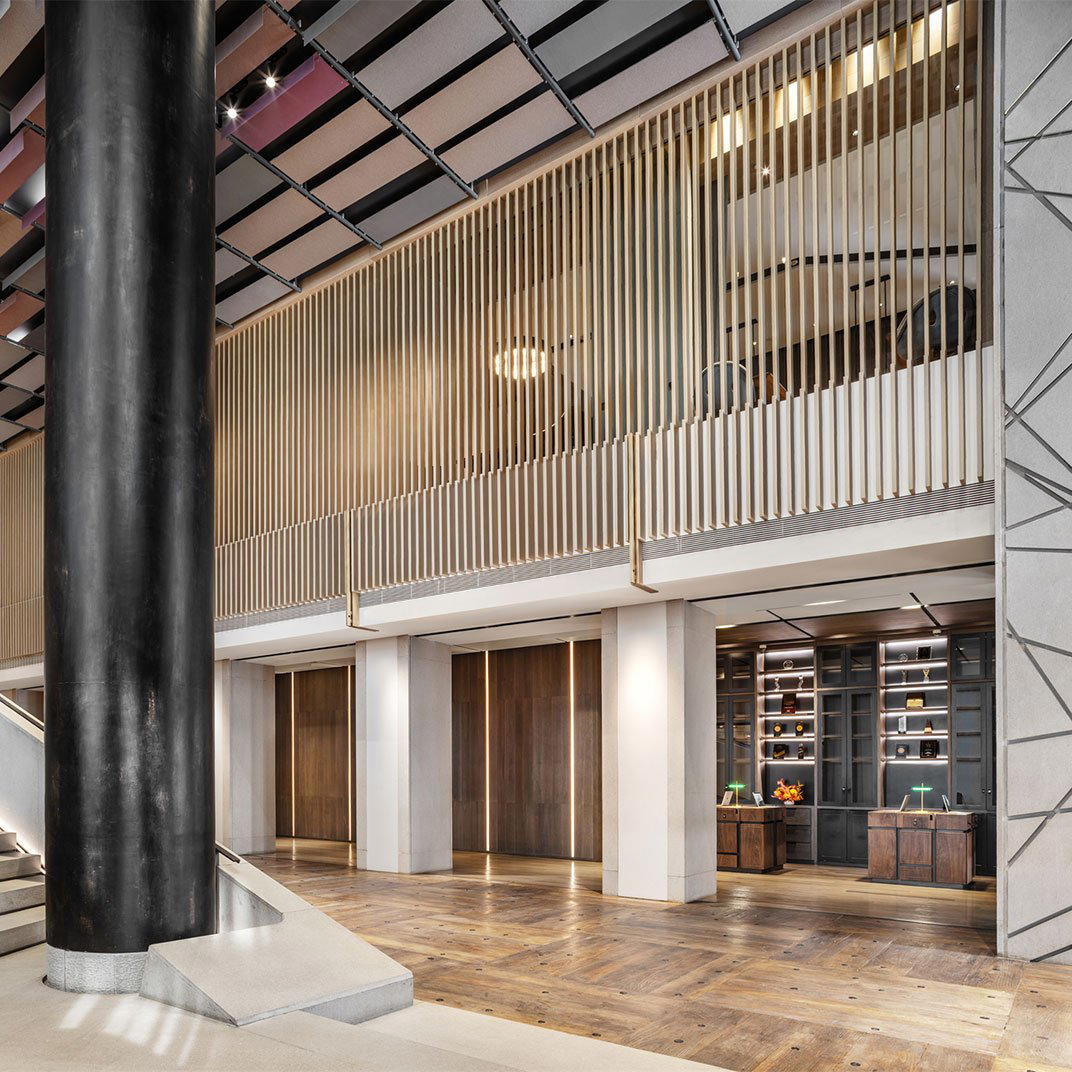
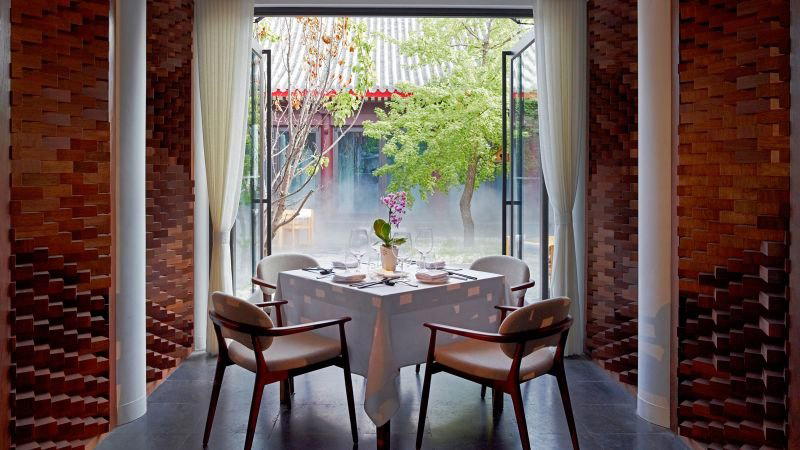
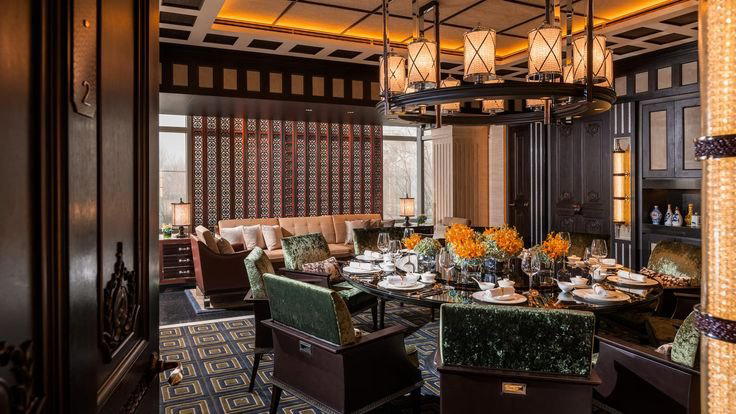
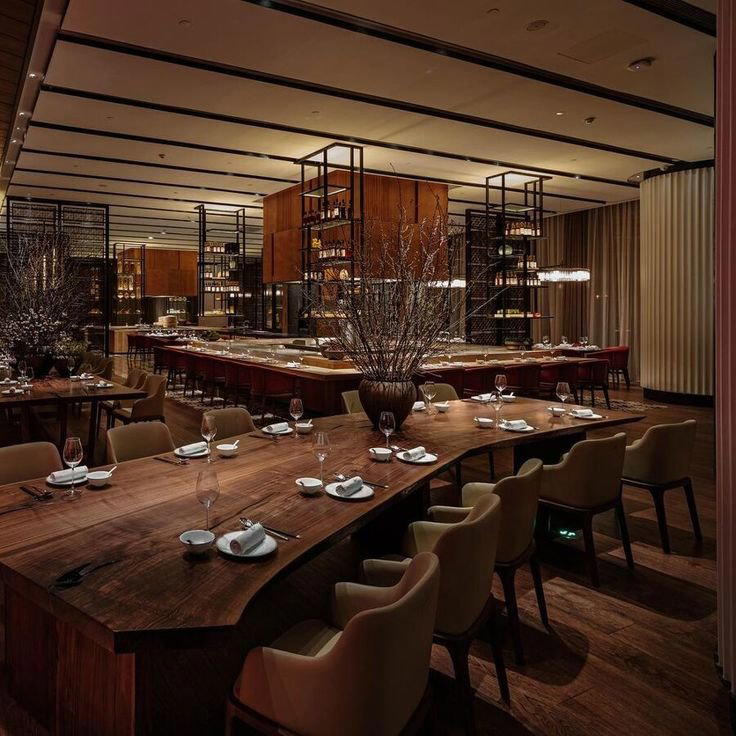
Steakhouses in the American tradition communicate through their physical environment before a plate arrives. The visual grammar is consistent across the genre's upper tier: dark timber panelling, leather banquettes, white linen, and lighting calibrated to feel formal without being cold. Wolfgang's Beijing follows this grammar closely. The interior is designed to read immediately as a New York room transplanted to the capital, and that legibility is part of the offer. Guests arriving from the Gongrentiyuchang corridor enter a space that operates on the same visual logic as the brand's Midtown Manhattan or Tribeca locations — deliberately so.
This approach to design carries a specific function in a city like Beijing, where the international dining tier is populated by restaurants that span enormous stylistic variation. At the ¥¥¥¥ end of Chaoyang's market — where venues like Xin Rong Ji (Xinyuan South Road) and Chao Shang Chao anchor the premium Chinese end of the spectrum , the spatial language is often rooted in Chinese material culture and architectural restraint. Wolfgang's interior makes no attempt to speak that language. It is an American room, and it is unapologetic about it. For diners who have eaten at steakhouses in New York, that consistency is the point.
Seating arrangements in this format typically prioritise the banquette over the freestanding table, which affects how the room feels during service. Banquettes define territory within the dining room, create acoustic pockets, and give the space a sense of occupation even when tables turn. The result, across Wolfgang's locations generally, is a room that performs fullness and activity , a steakhouse should feel in use, and the physical configuration supports that. For reference on how format and space interact in very different ways across the premium dining tier, the contrast with Beijing's vegetarian destination Lamdre or the restrained formalism of King's Joy is instructive.
What the Steakhouse Format Means in Beijing's Dining Tier
Beijing's high-end dining has expanded well beyond its traditional structure. The tier that once meant Cantonese hotel dining and state-banquet interpretations of northern Chinese cuisine now includes a more varied competitive set. Premium international concepts , French, Japanese, and the American steakhouse format among them , operate alongside specialist Chinese restaurants across multiple regional traditions. Jingji, for instance, represents the premium Beijing-cuisine end of that spectrum, anchoring local tradition at the leading of the market.
Within that context, Wolfgang's occupies a specific position: it is a format restaurant in the sense that the dining proposition is defined by the category rather than by a singular creative identity. Guests know what a dry-aged USDA prime steakhouse delivers before they sit down, and that predictability is a feature rather than a limitation. The steakhouse genre has always operated this way , the variable is execution quality, sourcing provenance, and the precision of tableside service, not novelty. For diners weighing options across the city's broader offer, our full Beijing restaurants guide maps the competitive tier more completely.
Across the brand's Asian portfolio, this format has found its most consistent audience among business diners, expatriate residents, and international visitors who orient around the reassurance of a known quantity. The Beijing location draws from the same pool. Chaoyang's concentration of multinational corporate offices and international hotels creates the conditions for that audience to exist in sufficient density , a structural advantage the location shares with comparable international-format openings in Shanghai, where venues like 102 House operate in a similarly internationally-oriented market.
Placing the Visit in Regional Context
For visitors to Beijing who intend to eat across multiple sittings, the decision to spend one of those sittings at Wolfgang's is a deliberate format choice rather than a discovery. The steakhouse genre delivers a particular kind of dinner , protein-focused, wine-compatible, unhurried in service tempo , that fills a different function in a travel itinerary than the kind of specialist Chinese dining that defines Beijing's strongest culinary argument. Premium regional Chinese restaurants across the country, from Xin Rong Ji in Chengdu to Imperial Treasure Fine Chinese Cuisine in Guangzhou, represent the kind of place-specific dining that a visit to China is disproportionately well-positioned to deliver. Wolfgang's, by contrast, represents continuity with an international format that exists in multiple cities , closer in peer set to the New York dining tier, including venues like Le Bernardin or Atomix, than to the distinctly local dining arguments made elsewhere in Chaoyang.
That is not a criticism. It is a description of what the venue is for. The steakhouse in a global city serves a real function , for business entertainment, for a night when familiarity matters more than discovery, or as a considered counterpoint to a week of Chinese dining. The question is whether a diner in Beijing, with access to some of the strongest regional Chinese cooking in any city, wants to allocate a table to a format they could replicate in a dozen international cities. For some, the answer is yes, and Wolfgang's delivers that format at a level consistent with the brand's other locations.
Planning a Visit
Wolfgang's Steakhouse sits in the Chaoyang district near Gongrentiyuchang North Road, an area well-served by Beijing's metro network and accessible by taxi or ride-hailing app from most central areas. Reservations are advisable, particularly on weekend evenings and during peak business-dining periods. The venue operates within a commercial complex, so wayfinding within the building may require attention to floor and unit signage. For current hours, booking availability, and pricing, direct contact with the restaurant is the most reliable route, as operational details for Beijing's international dining tier shift with some regularity.
At a Glance
These are the closest comparables we have in our database for quick context.
| Venue | Notes | Price |
|---|---|---|
| Wolfgang's Steakhouse | This venue | |
| Jing | French Contemporary, ¥¥¥ | ¥¥¥ |
| Xin Rong Ji (Xinyuan South Road) | Taizhou, ¥¥¥¥ | ¥¥¥¥ |
| Chao Shang Chao (Chaoyang) | Chao Zhou, ¥¥¥¥ | ¥¥¥¥ |
| Lamdre | Vegetarian, ¥¥¥¥ | ¥¥¥¥ |
| Jingji | Beijing Cuisine, ¥¥¥¥ | ¥¥¥¥ |

At a Glance
- Classic
- Elegant
- Sophisticated
- Business Dinner
- Group Dining
- Special Occasion
- Wine Cellar
- Extensive Wine List
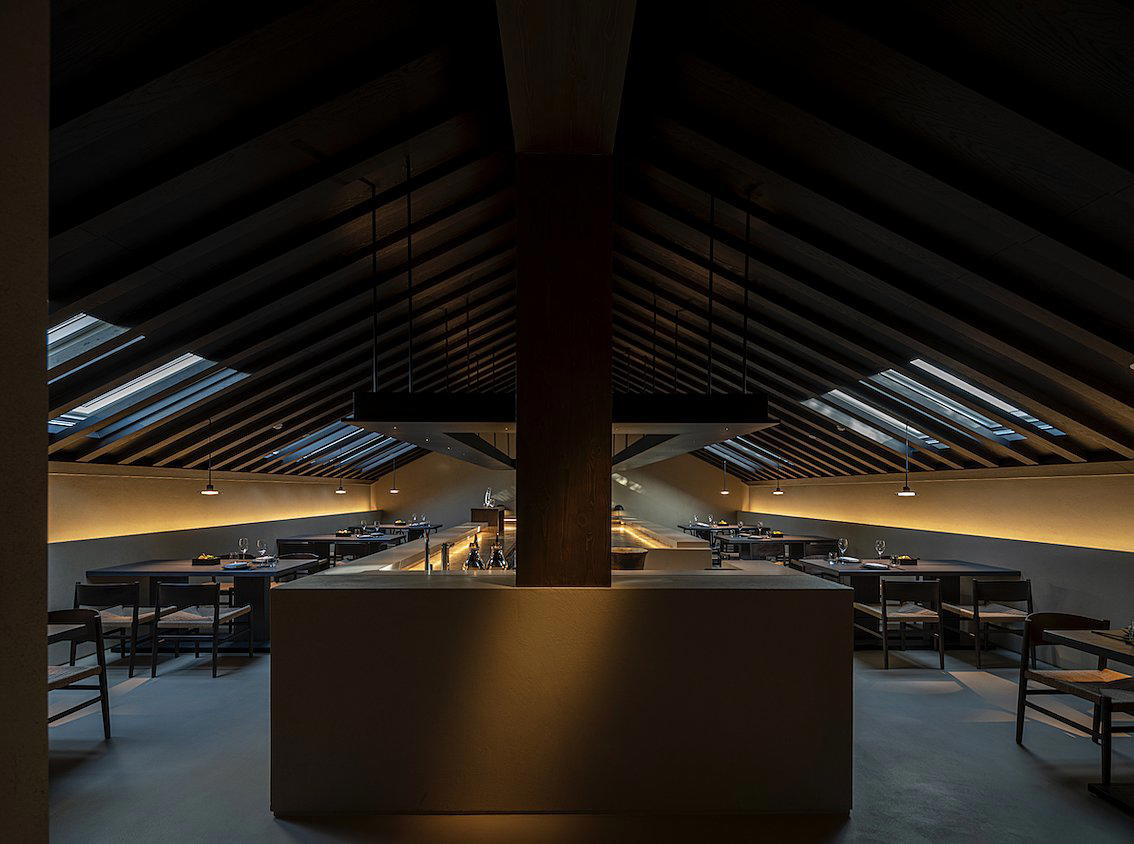
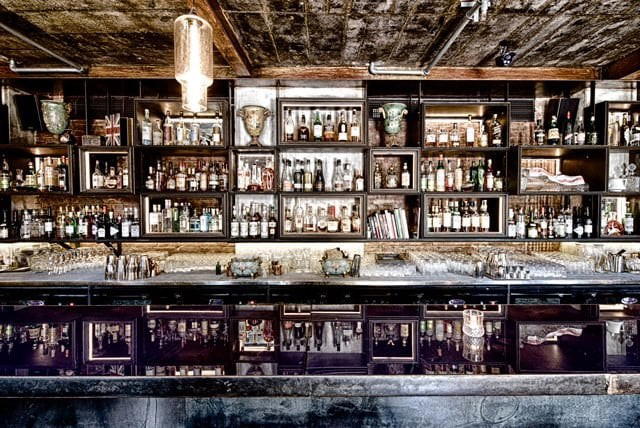
Classic American steakhouse with dim warm lighting, burgundy leather chairs, soft lighting, warm walnut floors, and mahogany bar creating an elegant, intimate atmosphere.