Our verdict
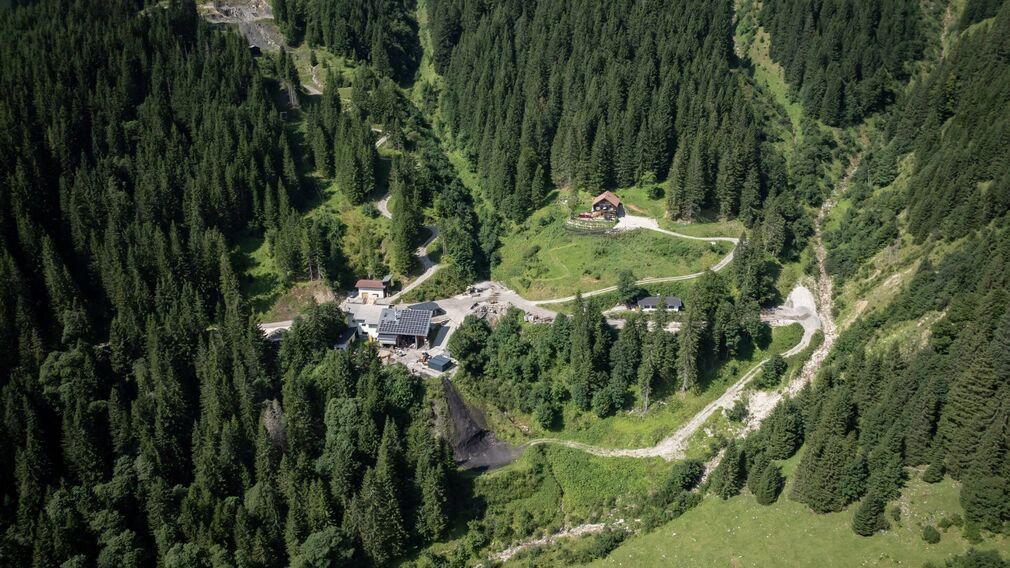
A mountain hut address in the Zillertal Alps above Gerlos, Wimmertalalm occupies the kind of terrain where altitude and agricultural tradition shape what ends up on the table. The cooking draws from the immediate landscape rather than from a supply chain, placing it within a broader Austrian alpine dining tradition that values provenance as much as technique. Gerlos rewards those who seek out food tied to place.

Pearl is the En Primeur Club membership app, where members save venues, book tables and use the concierge.

Where the Mountain Does the Work
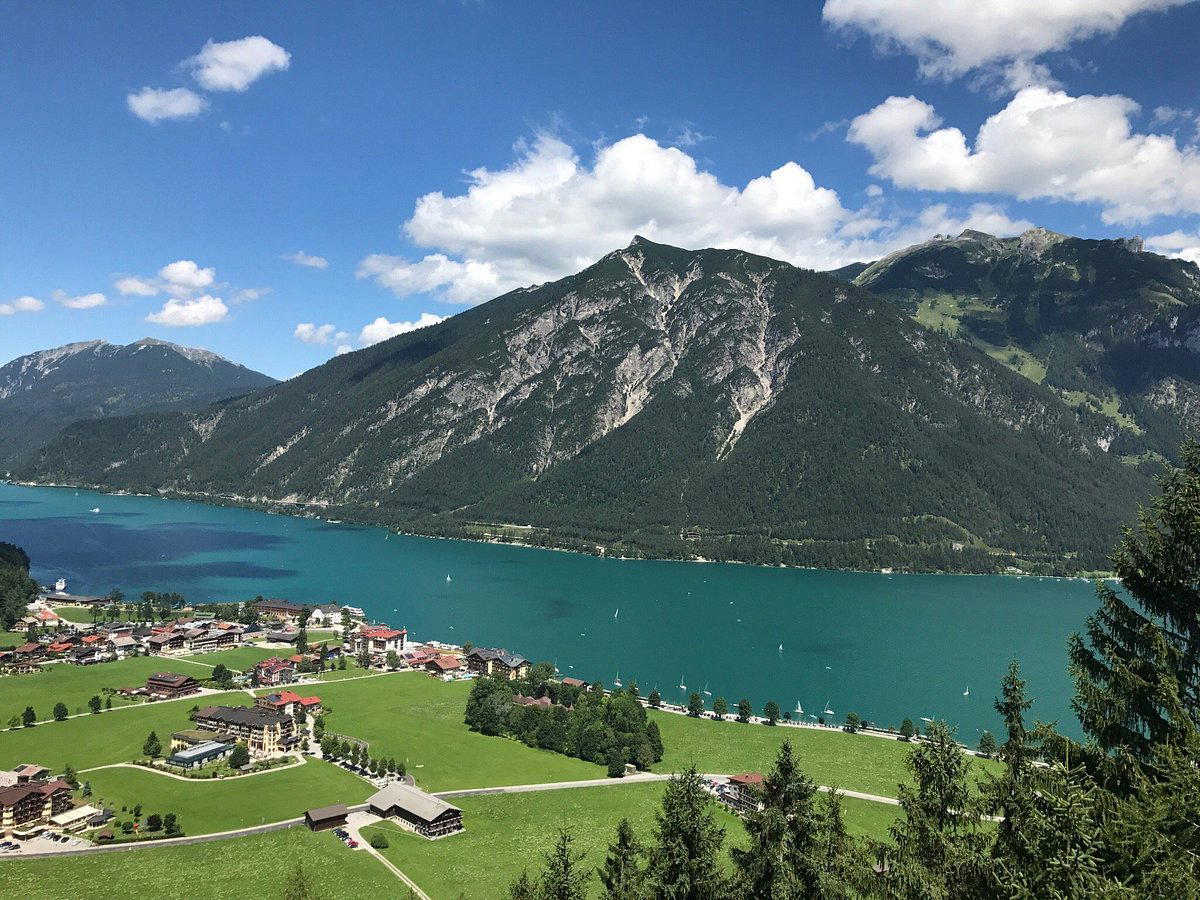
At altitude in the Zillertal Alps, the distance between ingredient and plate compresses in ways that lower-elevation dining rarely achieves. Wimmertalalm, at Gerlos 19 in the 6281 postal district of Gerlos, Austria, sits within a tradition of alpine hut dining where the surrounding terrain is not backdrop but supply chain. The approach here reflects a pattern common to the better mountain establishments across Tyrol and Salzburg: what grows, grazes, or is foraged within reach of the hut determines what gets cooked, and that constraint produces food with a specificity that imported ingredients cannot replicate.
Gerlos itself sits within the Zillertal valley system, a region where alpine pasture farming has shaped food culture for centuries. The area's dairy traditions, its summer grazing schedules, and its proximity to high-altitude herb meadows create a larder that changes by season and by elevation. This is the context in which Wimmertalalm operates, and understanding that context matters more than any individual menu item when assessing what this kind of address offers.
Ingredient Provenance as the Defining Principle
Austrian alpine cuisine, at its most coherent, is an expression of what the land gives up at specific times of year. The high pastures above Gerlos are grazed through summer, and the dairy products that result from that seasonal movement carry flavour profiles distinct from year-round lowland production. Butter, cheese, and cream from cattle moved to altitude for the summer months have a character shaped by the wildflower and herb diversity of mountain pasture, a difference that is measurable and well-documented in regional food literature.
This matters for any mountain hut in the region because it anchors the kitchen to a seasonal rhythm that urban restaurants must construct artificially. What appears on the table at a Gerlos hut in July differs from what appears in February, not because a chef has decided to rotate the menu, but because the raw material is genuinely different. The discipline of cooking to what is available rather than sourcing to match a fixed menu is harder to sustain than it sounds, and the establishments that manage it well sit in a separate category from those that simply invoke alpine imagery while drawing from standard wholesale supply.
Across the broader Austrian alpine dining scene, this provenance-led approach has received serious recognition. Döllerer in Golling an der Salzach has built its reputation partly on sourcing discipline applied to contemporary Austrian technique, while Kräuterreich by Vitus Winkler in Sankt Veit im Pongau demonstrates how herb-focused alpine sourcing can sustain a serious cooking programme. These Michelin-recognised addresses represent the upper tier of what the tradition can produce when given the right infrastructure. Wimmertalalm operates in a different register, one closer to the hut tradition itself rather than the destination restaurant format, but the underlying logic of ingredient sourcing connects them.
The Alpine Hut Format and What It Demands
Mountain hut dining in Austria occupies a format that has its own expectations and disciplines. The physical setting, typically reached on foot or by ski, shapes the entire experience. Tables are shared or closely arranged. The menu reflects what can be prepared in a working mountain kitchen without the supply logistics available at road-level establishments. Hearty preparations, dairy-rich dishes, and proteins suited to cold-weather eating dominate. This is not a format that translates well to pretension, and the better hut addresses in the Alps understand that their authority comes from honesty of execution rather than elaborate technique.
The Zillertal region as a whole draws significant ski tourism through winter and hiking visitors through summer, which means hut addresses like those in and around Gerlos operate across two distinct seasonal audiences. Winter guests arrive from the piste with immediate appetite and direct expectations. Summer visitors, often on multi-day hiking routes, bring a different engagement with the landscape and often a deeper curiosity about local food traditions. Both audiences converge on the same basic offer: food prepared from what the mountain provides, eaten in a setting defined by the altitude and the weather outside.
For a point of comparison within the broader Austrian mountain dining category, Gourmetrestaurant Tannenhof in Sankt Anton am Arlberg and Griggeler Stuba in Lech represent what happens when the alpine hut tradition is formalized into a full restaurant programme with tasting menus and wine service. Stüva in Ischgl occupies a similar refined position within a ski resort context.
Planning a Visit to Gerlos
Gerlos is accessible via the Gerlos Alpine Road connecting the Zillertal to the Pinzgau, a route that carries significant traffic in both ski season and summer. The village itself is a compact ski resort settlement with accommodation ranging from family guesthouses to mid-range hotels. Wimmertalalm's address at Gerlos 19 places it within the village perimeter rather than at a remote altitude requiring a separate ascent, which affects the logistics of a visit. For those arriving by car, Gerlos is approximately 80 kilometres east of Innsbruck via the A12 motorway and the Zillertal turn-off, though mountain road conditions in winter require appropriate vehicle preparation.
Visitors combining a stay in the region with broader Austrian dining exploration would find the contrast instructive. Steirereck im Stadtpark in Vienna and Landhaus Bacher in Mautern an der Donau represent the formal end of Austrian culinary tradition, where provenance is channelled through technically ambitious cooking programmes. Obauer in Werfen and Atelier Fischer in Sankt Gilgen sit closer geographically and offer a sense of how Salzburg-region alpine cooking has developed. Ikarus in Salzburg occupies its own category as a rotating-chef format. For those curious about what the tradition looks like outside the mountain context, Taubenkobel in Schützen am Gebirge and Artis in Graz offer different regional expressions, while Ois in Neufelden and Schwarzer Adler in Hall in Tirol anchor the Tyrol and Upper Austria ends of the picture. Our full Gerlos restaurants guide covers the local options in greater depth. For reference points further afield, Le Bernardin in New York City and Atomix in New York City illustrate how provenance-driven sourcing operates at the top of the fine dining tier in a different context entirely, useful for readers calibrating expectations across formats. Restaurant 141 by Joachim Jaud in Mieming offers a Tyrol-specific reference point for mountain-adjacent dining with a more formal kitchen programme.
Frequently asked questions
Does Wimmertalalm work for a family meal?
The alpine hut format at Wimmertalalm in Gerlos suits mixed-age groups reasonably well. Mountain huts in Austria typically operate at a pace that accommodates walkers and skiers arriving in groups, and the setting along the Gerlos alpine corridor means access is practical in both winter and summer seasons. That said, confirm current opening hours and seasonal availability directly before planning around young children or specific dietary requirements.
What's the overall feel of Wimmertalalm?
Wimmertalalm sits within the Zillertal Alps above Gerlos, which means the physical setting does much of the atmospheric work. Austrian alm dining of this type is defined by altitude, seasonal limitation, and a format built around outdoor activity rather than destination gastronomy. Expect a working mountain hut register: practical, grounded in regional produce, and shaped by the calendar of the high pastures rather than a dining programme.
How do you reach Wimmertalalm in Gerlos on foot or by lift?
Wimmertalalm is addressed at Gerlos 19, 6281 Gerlos, placing it within reach of the Gerlos Alpine Road corridor that connects the Zillertal valley to the Pinzgau. Access routes in this part of the Zillertal Alps vary by season: ski infrastructure serves winter visitors, while summer sees the same terrain covered on marked hiking paths. Verifying the specific ascent route and seasonal access conditions with the venue before arrival is advisable.
What's the signature dish at Wimmertalalm?
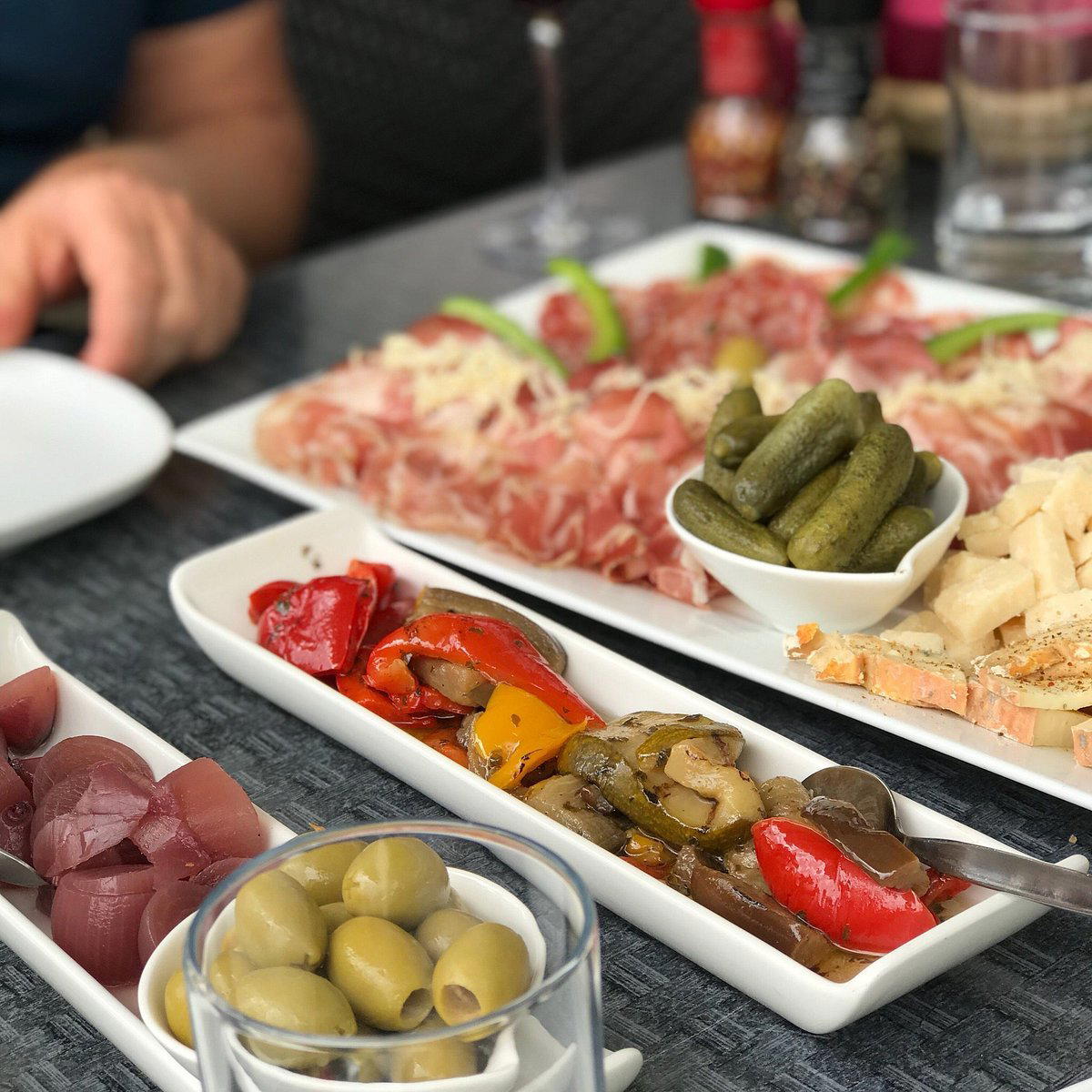
Alpine huts in the Zillertal region characteristically anchor their menus around local dairy, cured meats, and seasonal produce from the surrounding high pastures, the Gerlos area in particular benefits from summer grazing that shapes the flavour profile of its regional ingredients. check the venue's official channels or check seasonal updates for current offerings.
Comparable Spots, Quickly
| Venue | Cuisine | Price | Awards | Notes |
|---|---|---|---|---|
| WimmertalalmThis venue (the venue you are viewing) | Traditional Austrian Mountain Hut | $20–30 | Not listed | Not listed |
| Steirereck im Stadtpark | Modern Austrian Fine Dining | $200–300 | 3 Michelin Stars · World's 50 Best #33 | Creative |
| Döllerer | Modern Alpine Cuisine | $100–150 | 2 Michelin Stars · La Liste Top Restaurants | Contemporary Austrian, Innovative |
| Ikarus | Guest Chef Fine Dining | $200–300 | 2 Michelin Stars · La Liste Top Restaurants | Modern European, Creative |
| Konstantin Filippou | Modern Fish-Led Fine Dining | $200–300 | 2 Michelin Stars · La Liste Top Restaurants | Modern European, Modern Cuisine |
| Landhaus Bacher | Classic Austrian Fine Dining | $100–150 | 2 Michelin Stars · La Liste Top Restaurants | Austrian, Classic Cuisine |
Continue exploring
More in Gerlos
Restaurants in Gerlos
All restaurants in Gerlos →
Bars in Gerlos
Browse all →

Details
- Rustic
- Cozy
- Scenic
- Casual Hangout
- Family
- Historic Building
- Mountain
- A La Carte
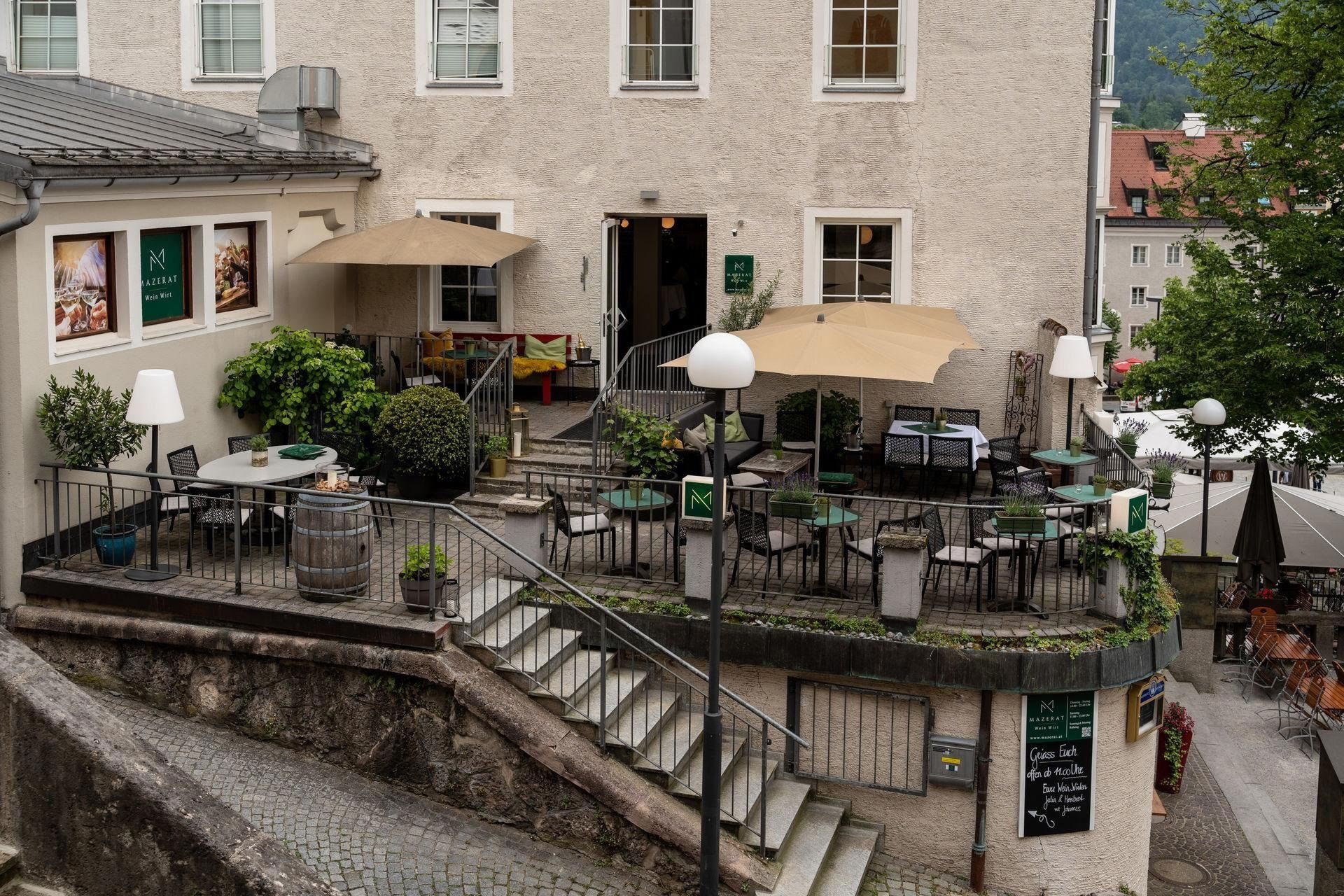
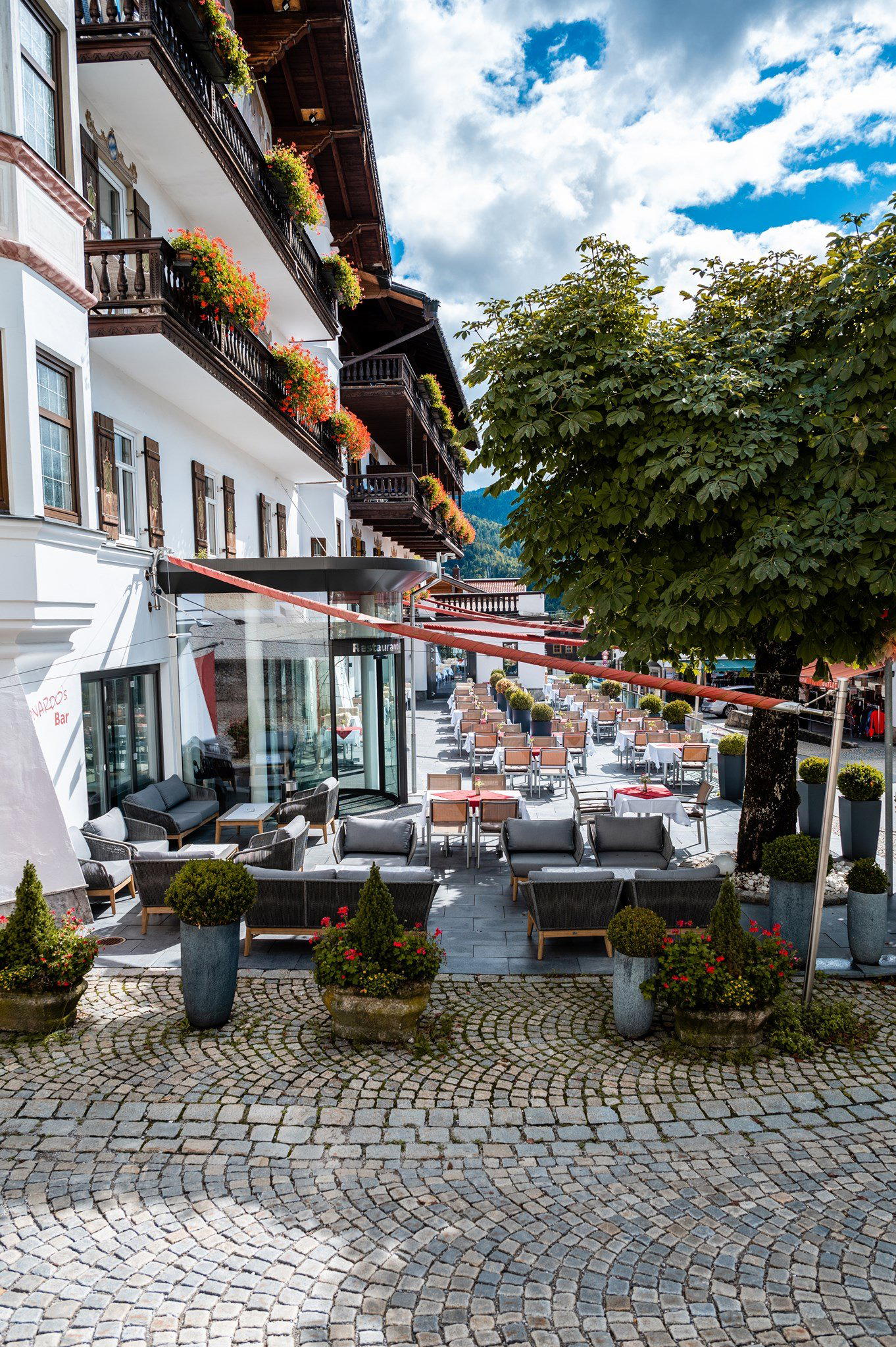
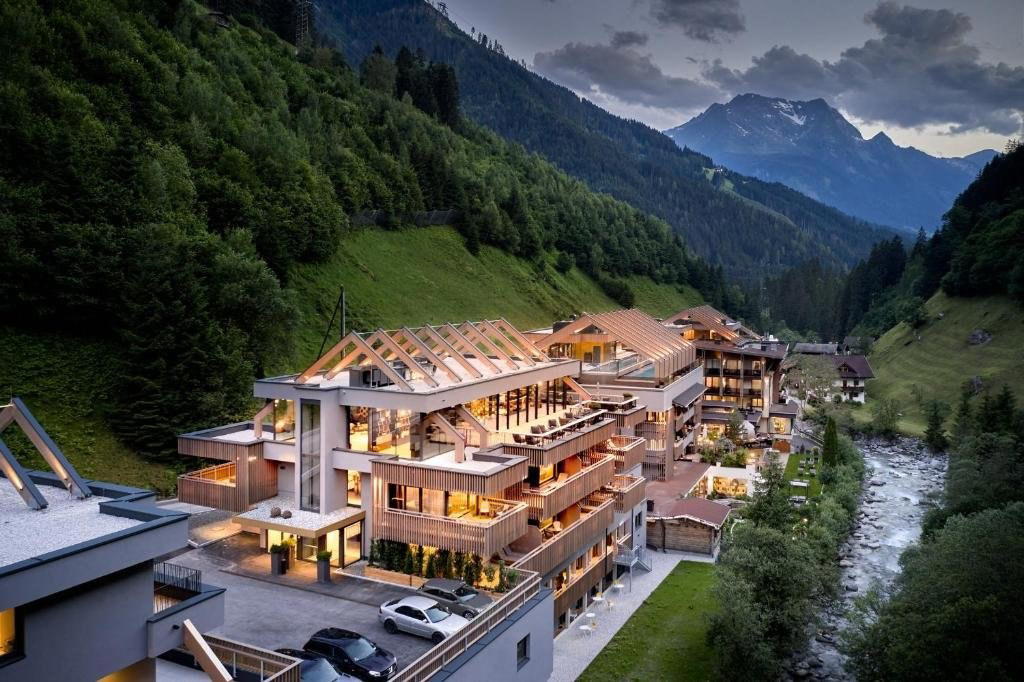
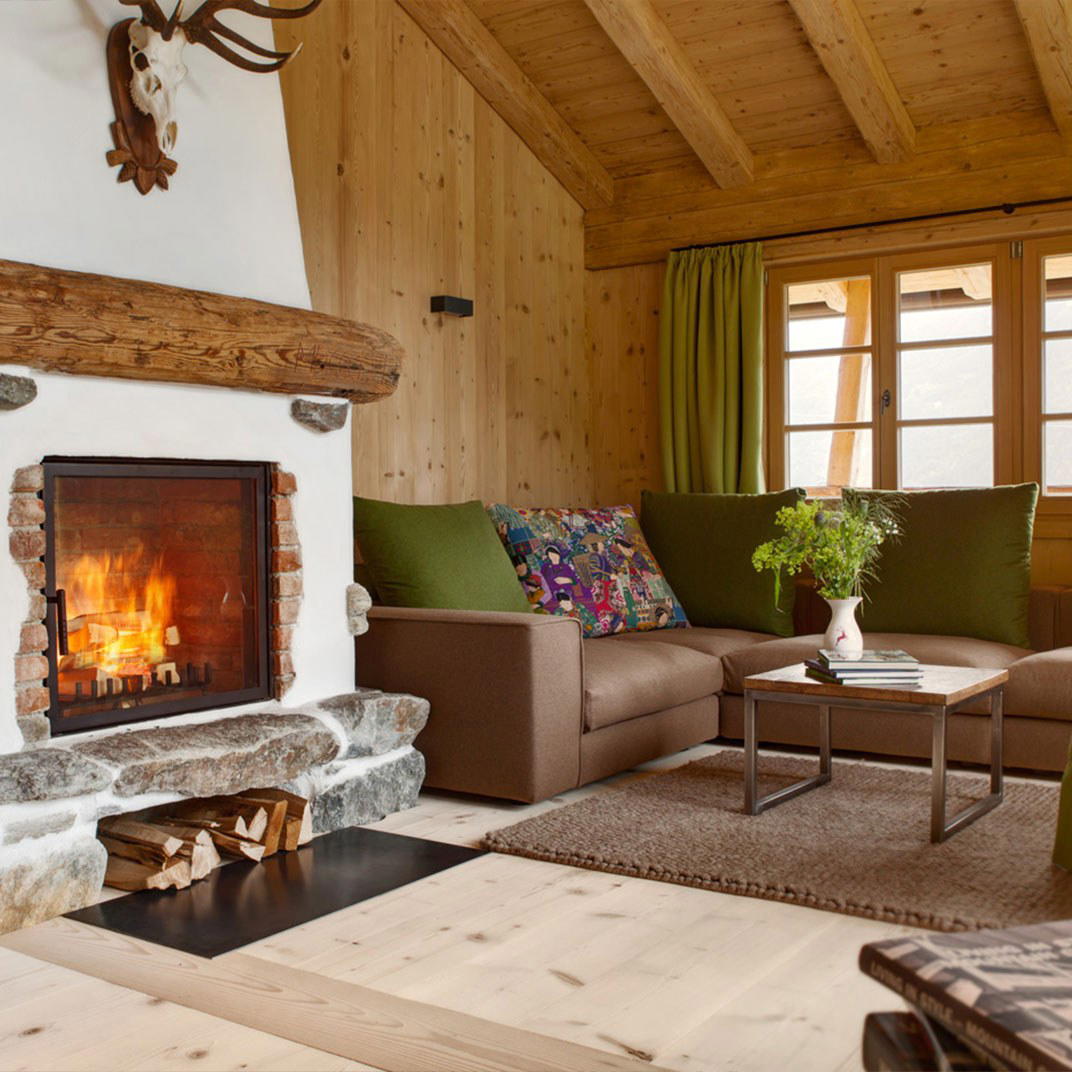
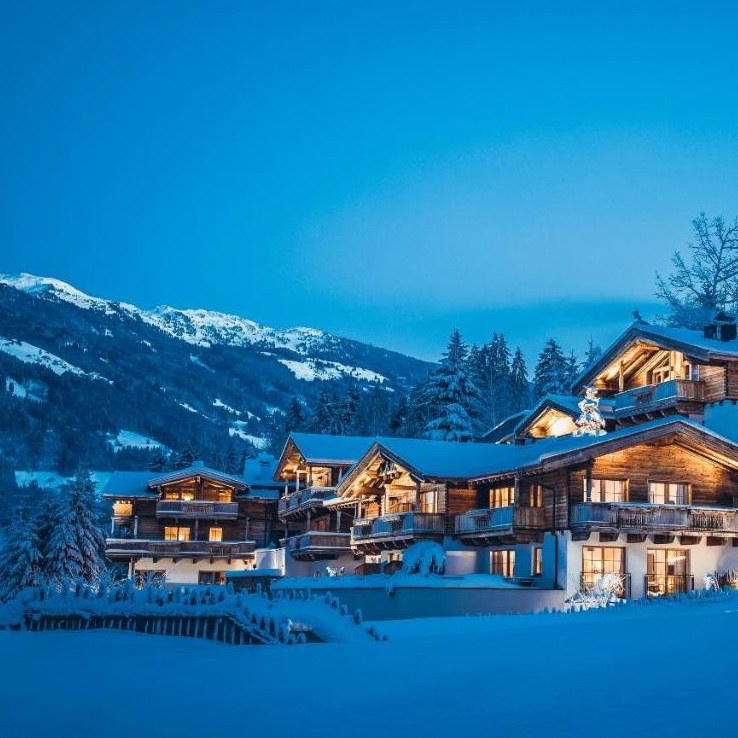
Rustic and cozy alpine atmosphere with hearty meals enjoyed amid beautiful mountain scenery.